

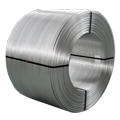
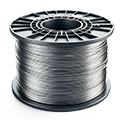
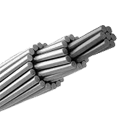


Aluminum Deox in Steelmaking: Mechanisms, Benefits, and Technological Advances
Introduction
Steelmaking is a complex process that involves various stages and numerous chemical reactions to produce high-quality steel. Among the numerous elements and compounds used in this process, aluminum stands out for its critical role as a deoxidizer. This article delves into the intricacies of aluminum deoxidation (commonly referred to as Aluminum Deox) in steelmaking, highlighting its mechanisms, benefits, and the technological advancements that have optimized its use.
Historical Context
The use of aluminum in steelmaking traces back to the early 20th century. Initially, steel producers experimented with various deoxidizers, including silicon and manganese. However, as the industry evolved, aluminum emerged as a superior deoxidizing agent due to its high affinity for oxygen. By the mid-20th century, aluminum deoxidation became a standard practice in steel production, driven by the need for high-quality, defect-free steel.
Chemical Mechanisms of Aluminum Deox
Basic Chemistry
The primary role of aluminum in steelmaking is to remove oxygen from molten steel. The chemical reaction can be represented as:
2𝐴𝑙+3𝑂→𝐴𝑙2𝑂32Al+3O→Al2O3
Aluminum (Al) reacts with oxygen (O) to form aluminum oxide (Al_2O_3), a stable compound that can be removed from the molten steel. This reaction is highly exothermic, releasing significant heat, which is beneficial in maintaining the temperature of the molten steel.
Thermodynamics and Kinetics
The efficiency of aluminum as a deoxidizer is rooted in its thermodynamic properties. Aluminum has a high free energy of formation for aluminum oxide, meaning it reacts readily with oxygen even at low concentrations. The kinetics of this reaction are also favorable, allowing for rapid deoxidation and minimizing the time required for the process.
Benefits of Aluminum Deox
Improved Steel Quality
One of the primary benefits of aluminum deoxidation is the production of high-quality steel. By removing oxygen, aluminum prevents the formation of oxides and inclusions that can weaken the steel and cause defects. This results in steel with better mechanical properties, such as increased tensile strength and toughness.
Enhanced Surface Finish
Aluminum deoxidation also contributes to a better surface finish on the final steel product. Oxides and other impurities can create surface irregularities and defects. By ensuring a cleaner steel melt, aluminum helps in producing steel with a smoother and more uniform surface, which is essential for applications requiring high surface integrity.
Cost Efficiency
While aluminum is more expensive than some other deoxidizers, its effectiveness allows for lower usage quantities and more efficient production processes. This can result in overall cost savings for steel manufacturers, particularly when considering the reduced need for additional refining and defect rectification.
Technological Advances in Aluminum Deox
Pre-deoxidation Techniques
Recent advancements have introduced pre-deoxidation techniques where aluminum is added in stages rather than all at once. This staged approach helps in better control of the deoxidation process, ensuring more complete removal of oxygen and reducing the likelihood of re-oxidation.
Use of Aluminum Alloys
The use of aluminum alloys, such as aluminum-magnesium or aluminum-titanium, has been explored to enhance the deoxidation process. These alloys offer improved efficiency and can target specific impurities, resulting in cleaner steel and enhanced mechanical properties.
Automation and Control Systems
Modern steelmaking facilities have adopted advanced automation and control systems to optimize aluminum deoxidation. These systems use real-time data and sophisticated algorithms to precisely control the addition of aluminum and other deoxidizers, ensuring optimal deoxidation and minimizing waste.
Challenges and Solutions
Reoxidation Issues
One of the challenges in aluminum deoxidation is the potential for reoxidation, where oxygen re-enters the steel melt after initial deoxidation. This can be mitigated by using protective atmospheres and advanced ladle metallurgy techniques to shield the molten steel from atmospheric oxygen.
Inclusions Management
While aluminum effectively removes oxygen, it can lead to the formation of aluminum oxide inclusions. Advanced filtration techniques and the use of calcium treatment can help manage these inclusions, ensuring they do not adversely affect the steel’s properties.
Environmental and Safety Considerations
Environmental Impact
The use of aluminum in steelmaking has environmental implications, particularly in terms of energy consumption and greenhouse gas emissions. However, advancements in recycling and more efficient production processes have mitigated some of these impacts. Steelmakers are also exploring the use of renewable energy sources to power aluminum production and deoxidation processes.
Safety Measures
Handling aluminum in steelmaking poses safety risks due to its reactivity and the exothermic nature of the deoxidation reaction. Proper safety protocols, including protective equipment and rigorous training, are essential to ensure the safety of workers involved in the process.
Future Prospects
Innovative Materials
Research is ongoing to develop new materials and alloys that can complement or even replace aluminum in deoxidation. These innovations aim to improve efficiency, reduce costs, and minimize environmental impact.
Integration with Digital Technologies
The integration of digital technologies, such as artificial intelligence and machine learning, holds promise for further optimizing aluminum deoxidation. These technologies can provide predictive analytics and enhance process control, leading to even higher quality steel production.
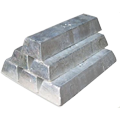
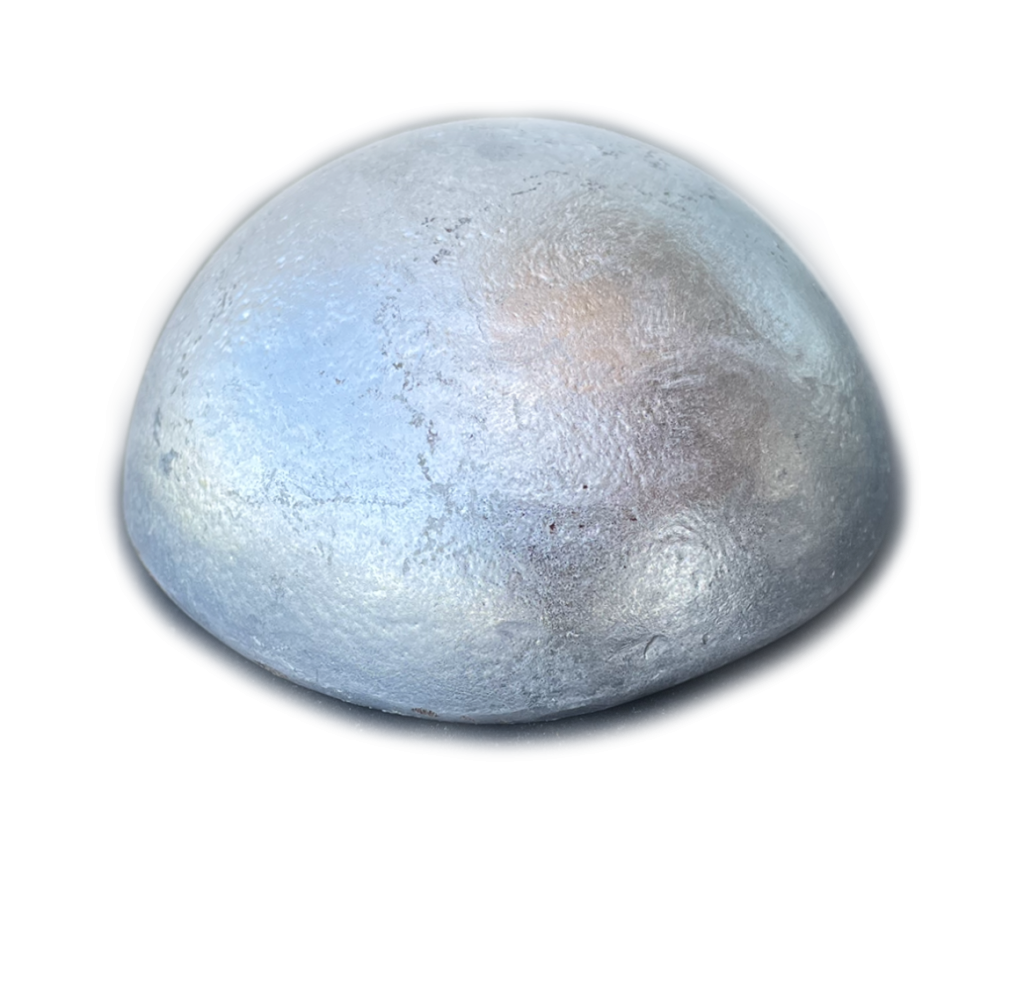
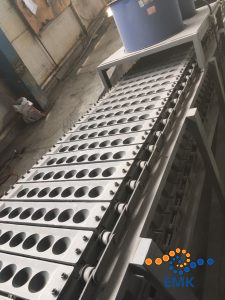
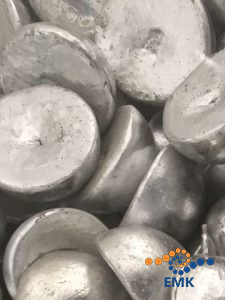
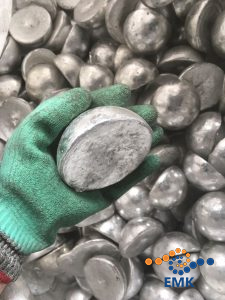
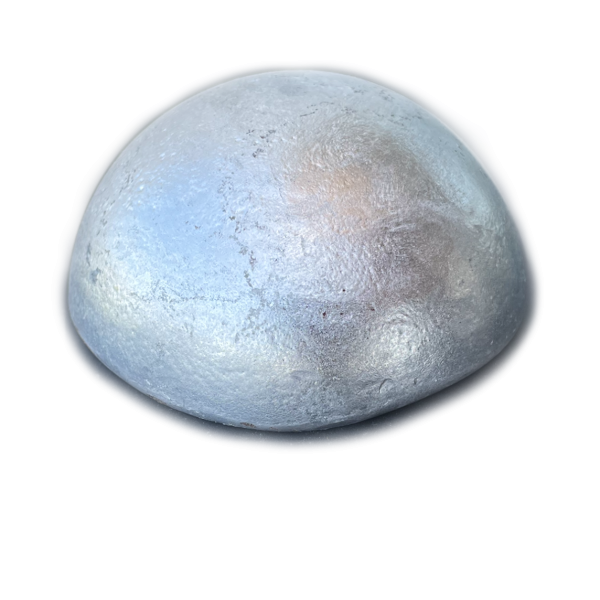
Aluminum Deox (Granule) Product in Elka Mehr kimiya
Conclusion
Aluminum deoxidation remains a cornerstone of modern steelmaking, offering numerous benefits in terms of steel quality, efficiency, and cost-effectiveness. Through ongoing technological advancements and a focus on sustainability, the steel industry continues to refine and improve the use of aluminum in deoxidation, ensuring its place as a critical component in the production of high-quality steel.
Elka Mehr Kimiya leads the aluminum deoxidizer manufacturing industry in northwest Iran, renowned for delivering unmatched quality and reliability at competitive prices. Our aluminum Deox(Granule) products are crafted with meticulous precision, utilizing cutting-edge production machinery to ensure optimal performance and consistency. Committed to excellence, we employ advanced precision engineering techniques and rigorous quality control protocols, ensuring our ISO-certified deoxidizers meet the highest industry standards. These products enhance the steelmaking process by effectively removing oxygen and reducing impurities, offering high quality at a low cost. Suitable for both large-scale industrial applications and specialized steel production needs, our aluminum Deox(Granule) products provide superior efficacy and efficiency. This dedication to innovation, customer satisfaction, and affordability underscores our position as a trusted partner in the industry. Choose Elka Mehr Kimiya for all your deoxidizing needs and experience the difference that top-quality, competitively priced, and expertly engineered products can make in achieving the finest steel quality.
Contact us today to discuss your specific production requirements and learn more about how Elka Mehr Kimiya’s Aluminum Rods can elevate your steelmaking process.
Whatsapp Number:
+98-902-8000013
Sale Department Contact Number:
+98(41)36589245