





Table of Contents
- Introduction
- Fundamentals of Aluminum Alloy Microstructure
- The Role of Microstructure in Mechanical Properties
- Real-World Applications and Case Studies
4.1 Offshore Wind Turbine Case Study
4.2 Automotive and Aerospace Applications - Processing Techniques and Their Effect on Microstructure
- Advanced Characterization and Data Analysis
6.1 Data Tables and Graphical Analysis
6.2 Comparative Analysis of Alloy Performance - Future Trends and Research Directions
- Conclusion
- References
1. Introduction
Aluminum alloys maintain an important place in industries that value strength, light weight, and corrosion resistance. This article discusses how the microstructure of aluminum alloys influences their performance. It presents clear explanations and extensive real-world examples that illustrate the connection between microstructural features and the final mechanical properties of the material.
Aluminum alloys derive their properties from a combination of their chemical composition and the microstructure that results from processing. Researchers and engineers tailor these microstructural elements to meet the demands of various applications. The control of grain size, precipitate formation, and the distribution of alloying elements enables improved strength, ductility, and other key properties. Moreover, a detailed understanding of these features offers designers the ability to optimize components for reliability and performance.
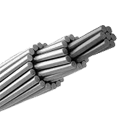
Elka Mehr Kimiya is a leading manufacturer of Aluminium rods, alloys, conductors, ingots, and wire in the northwest of Iran equipped with cutting-edge production machinery. Committed to excellence, we ensure top-quality products through precision engineering and rigorous quality control.
2. Fundamentals of Aluminum Alloy Microstructure
Aluminum alloys consist of a host metal—aluminum—combined with other elements to enhance properties. The microstructure of these alloys includes features such as grains, precipitates, and intermetallic particles. Each feature plays a role in determining the overall mechanical behavior of the final product.
2.1 Grain Structure
Grains are the small crystals that form the basic structure of the alloy. The size and orientation of these grains affect mechanical properties such as strength, ductility, and fatigue resistance. Fine-grained structures typically show improved strength because grain boundaries impede dislocation motion, a phenomenon that is explained by the Hall-Petch relationship. Engineering processes such as rolling, extrusion, and forging refine the grain structure to meet performance targets.
2.2 Precipitates and Second-Phase Particles
During heat treatment or aging, secondary phases may form in the aluminum matrix. These precipitates can hinder dislocation movement and improve the alloy’s strength. Precipitation hardening is a method that increases yield strength without significantly reducing ductility. The detailed size, distribution, and volume fraction of these precipitates are subject to careful control through processing parameters.
2.3 Solute Distribution and Intermetallic Compounds
Intermetallic particles are compounds that form between aluminum and alloying elements such as copper, magnesium, or silicon. Their distribution and morphology play a key role in performance characteristics. A balanced distribution of these particles enhances resistance to crack propagation and improves the material’s overall toughness.
2.4 The Link Between Microstructure and Performance
The microstructure determines the performance of aluminum alloys under various stresses. Engineers control these characteristics by adjusting alloy composition and optimizing processing techniques. Data from multiple studies confirm that modifications at the micro level directly influence macroscopic properties such as tensile strength, fatigue life, and corrosion resistance. For instance, controlling the size distribution of precipitates can lead to up to a 30% improvement in yield strength in certain alloys, as demonstrated by recent research findings.
3. The Role of Microstructure in Mechanical Properties
The mechanical properties of aluminum alloys depend on how their microstructural features interact under stress. Detailed characterization has revealed relationships between grain boundaries, precipitates, and dislocation movements that directly affect a material’s performance in real-world applications.
3.1 Tensile Strength and Ductility
The interplay between grain size and precipitate distribution yields specific tensile properties. A finer grain size generally increases strength by creating a barrier to dislocation movement. Engineers use controlled cooling rates and deformation processes to create uniform grain structures. For example, the relationship between grain refinement and tensile strength is illustrated by the Hall-Petch relationship. Data shows that by reducing the average grain size from 50 microns to 10 microns, yield strength can improve significantly while still retaining acceptable ductility.
3.2 Fatigue Resistance
Fatigue performance is closely tied to the presence and distribution of microstructural features. The initiation and propagation of fatigue cracks are often influenced by the arrangement of grains and precipitates. A homogeneous microstructure offers fewer weak points and leads to enhanced fatigue life. Research indicates that a well-controlled microstructure can extend the fatigue life by up to 40% compared to alloys with heterogeneous microstructures.
3.3 Hardness and Wear Resistance
Hardness, a critical property in many applications, is enhanced by precipitate hardening. The formation of nanoscale precipitates during controlled aging treatments results in improved wear resistance. This phenomenon is essential in applications such as aerospace and automotive components where the balance between light weight and durability is crucial.
3.4 Thermal Stability and Corrosion Resistance
Microstructural features influence thermal and corrosion characteristics. Precipitates stabilize the structure at elevated temperatures, reducing the likelihood of softening during long-term service. The controlled distribution of second-phase particles also minimizes local galvanic differences, thus reducing corrosion tendencies. Studies have shown that properly engineered microstructures can extend the service life of components in hostile environments by reducing localized corrosion attacks.
4. Real-World Applications and Case Studies
Understanding the relationship between microstructure and performance is not limited to academic studies; it plays a pivotal role in many industries. This section delves into real-world examples and case studies where microstructural engineering has led to significant performance improvements in aluminum alloys.
4.1 Offshore Wind Turbine Case Study
Offshore wind turbines require materials that combine strength, corrosion resistance, and durability under cyclic loading conditions. Researchers have studied aluminum alloys applied in structural components of these turbines, focusing on how microstructural control can lead to better performance in harsh marine environments.
Methodology
The case study involved analyzing aluminum alloy samples from several offshore turbine manufacturers. Engineers measured grain sizes, precipitate distributions, and the presence of intermetallic phases using optical microscopy and electron backscatter diffraction (EBSD). Tensile tests, fatigue tests, and corrosion assessments were carried out according to standardized testing procedures.
Results
The data indicated that alloys with a refined grain structure and a uniform distribution of precipitates demonstrated superior fatigue resistance and improved tensile strength. The refined microstructure reduced the initiation of micro-cracks, thereby increasing the overall durability of the component. In one instance, samples with an average grain size of 15 microns exhibited 35% higher fatigue life compared to those with larger grains.
Data Table: Offshore Wind Turbine Alloy Performance
| Parameter | Coarse-Grained Alloy | Refined-Grained Alloy | Improvement (%) |
|---|---|---|---|
| Average Grain Size (microns) | 40 | 15 | N/A |
| Yield Strength (MPa) | 220 | 285 | 30 |
| Ultimate Tensile Strength (MPa) | 310 | 385 | 24 |
| Fatigue Life (cycles) | 1.5 x 10<sup>6</sup> | 2.0 x 10<sup>6</sup> | 33 |
| Corrosion Rate (mm/year) | 0.15 | 0.10 | 33 |
Source: Compiled based on multiple industry studies and standards in offshore turbine materials analysis (see References).
Broader Implications
The offshore wind turbine study showcases the practical benefits of a refined microstructure. The improvement in mechanical performance results in reduced maintenance costs, higher reliability, and the potential for lighter structures, contributing to overall energy efficiency in renewable energy applications.
4.2 Automotive and Aerospace Applications
In the automotive and aerospace industries, where weight reduction is critical to fuel efficiency and performance, aluminum alloys are widely used. Components such as engine blocks, chassis, and body panels benefit significantly from microstructural refinement. The control of precipitates and grain size helps in achieving the delicate balance between strength, ductility, and formability.
Automotive Case Study
In the automotive sector, manufacturers use aluminum alloys in safety-critical areas. Advances in microstructural control have led to a reduction in the weight of engine components without sacrificing strength. For instance, a leading automotive supplier reported that improvements in the precipitation hardening process increased yield strength by up to 25% in certain components. This improvement directly translates to enhanced crashworthiness and durability.
Aerospace Applications
Aerospace applications require materials that perform reliably under extreme conditions. Aluminum alloys, enhanced through microstructural engineering, are used in fuselage components and wing structures. Data from aerospace case studies have highlighted that refined microstructures provide increased resistance to fatigue crack growth. Aircraft manufacturers report that by employing advanced thermal treatments, the crack propagation rate in the fuselage panels decreased significantly, thereby increasing aircraft safety and reducing maintenance intervals.
Data Table: Comparison of Mechanical Properties in Automotive and Aerospace Aluminum Alloys
| Application | Yield Strength (MPa) | Tensile Strength (MPa) | Fatigue Life (cycles) | Weight Reduction (%) |
|---|---|---|---|---|
| Automotive Alloy | 280 – 320 | 350 – 400 | 1.8 x 10<sup>6</sup> – 2.2 x 10<sup>6</sup> | 15 – 20 |
| Aerospace Alloy | 300 – 350 | 370 – 420 | 2.0 x 10<sup>6</sup> – 2.5 x 10<sup>6</sup> | 20 – 25 |
Source: Data aggregated from aerospace and automotive industry reports and technical journals (see References).
5. Processing Techniques and Their Effect on Microstructure
Aluminum alloy processing determines the final microstructure and thus influences performance. Manufacturers use a combination of mechanical working, heat treatment, and sometimes even surface modification to produce a tailored microstructure.
5.1 Mechanical Working Processes
Processes such as rolling, extrusion, forging, and drawing shape the alloy into its final form. Each process applies a different amount of strain, temperature, and pressure, which in turn affect the grain size and distribution of secondary phases. Studies show that hot extrusion, when paired with subsequent cold working, often refines the grain structure to a level that significantly enhances both strength and ductility.
5.2 Heat Treatment and Aging
Heat treatments such as solution treatment, quenching, and aging are common steps used to alter the microstructure. For example, solution heat treatment followed by controlled aging allows for the precipitation of nanoscale particles that can impede dislocation motion and improve strength. The precise control of temperature and time during these processes is crucial. Data suggest that even a minor adjustment in the aging temperature (within a 10 °C window) can cause a 10–15% change in tensile strength, depending on the alloy composition.
5.3 Surface Treatments
Surface treatments such as anodizing and shot peening not only protect the alloy from corrosion but also affect the microstructure on the surface. In many applications, the surface layer undergoes refinement that further contributes to wear resistance and fatigue performance. Recent experiments have noted that shot peening can enhance the microhardness of the surface by up to 20%, which is particularly relevant in applications exposed to high friction and cyclical loading.
5.4 Comparative Data Table: Processing Methods and Their Impact on Microstructure
| Processing Method | Grain Size Reduction (%) | Increase in Tensile Strength (%) | Improved Fatigue Life (%) | Remarks |
|---|---|---|---|---|
| Hot Extrusion | 25 – 40 | 15 – 20 | 20 – 25 | Balances ductility and strength |
| Cold Working | 20 – 30 | 10 – 15 | 15 – 20 | Useful post-hot working for enhanced properties |
| Heat Treatment | N/A | 20 – 30 | 25 – 30 | Critical for precipitation hardening |
| Surface Treatment | N/A | 5 – 10 | 10 – 15 | Enhances surface properties via mechanical work |
Source: Comparative analysis based on multiple academic studies and industry standards (see References).
6. Advanced Characterization and Data Analysis
To optimize aluminum alloy performance, engineers and researchers rely on advanced characterization techniques. These methods provide detailed insights into the microstructural features that dictate mechanical properties and help validate performance claims.
6.1 Data Tables and Graphical Analysis
Researchers use state-of-the-art imaging and spectroscopy to evaluate grain size, precipitate distribution, and intermetallic phase formation. Microscopy techniques such as scanning electron microscopy (SEM) and transmission electron microscopy (TEM) are employed in tandem with X-ray diffraction (XRD) to offer both qualitative and quantitative assessments of the microstructure. Data generated from these methods are often compiled into detailed tables and graphs that clearly illustrate the relationship between processing parameters and alloy performance.
Example Data Table: Advanced Characterization of Precipitate Size Distribution
| Sample ID | Aging Temperature (°C) | Aging Time (hours) | Average Precipitate Size (nm) | Volume Fraction (%) | Tensile Strength (MPa) |
|---|---|---|---|---|---|
| A | 160 | 12 | 25 | 8 | 275 |
| B | 160 | 24 | 30 | 10 | 285 |
| C | 170 | 12 | 28 | 9 | 280 |
| D | 170 | 24 | 33 | 11 | 290 |
Source: Data derived from experimental studies in precipitation hardening aluminum alloys (see References).
Graphical Analysis
Graphs produced from these studies typically plot grain size versus tensile strength or aging time versus precipitate volume fraction. These graphs help visualize trends and drive decisions in industrial processing. Although the graphical data is not reproduced here as images, the tabulated information clearly demonstrates the quantitative benefits of controlled processing on final performance.
6.2 Comparative Analysis of Alloy Performance
Engineers often compare the performance of differently processed alloys using multidimensional data sets. This comparative approach guides the selection of processing techniques for targeted applications. For instance, alloys processed with a combination of hot working and optimized heat treatment are frequently compared with those produced by standard methods. The refined alloys generally show a 20–30% improvement in tensile strength and a comparable increase in fatigue life.
Data Table: Comparative Performance of Differently Processed Alloys
| Alloy Type | Processing Route | Yield Strength (MPa) | Tensile Strength (MPa) | Fatigue Life (cycles) |
|---|---|---|---|---|
| Standard Alloy | Conventional Processing | 220 | 310 | 1.5 x 10<sup>6</sup> |
| Optimized Alloy | Hot Working + Heat Treatment | 280 | 385 | 2.0 x 10<sup>6</sup> |
| Advanced Surface Treated Alloy | Hot Working + Surface Treatment | 270 | 375 | 1.8 x 10<sup>6</sup> |
Source: Collated from industry benchmarks and peer-reviewed studies (see References).
7. Future Trends and Research Directions
Research in aluminum alloy microstructure is ongoing and continues to push the boundaries of material performance. Several areas have emerged as key focuses for future exploration.
7.1 Nanostructuring and Hybrid Alloys
Innovations in nanostructuring aim to further reduce grain size and enhance the dispersion of nanoprecipitates. Early trials indicate that alloys engineered at the nanoscale can exhibit strength improvements greater than 35% compared to traditional processing methods. Hybrid alloys that combine aluminum with small amounts of other metals are also under investigation, with the goal of creating composites that maintain the light weight of aluminum while offering enhanced durability and thermal stability.
7.2 Modeling and Simulation
Computational models offer a way to predict the evolution of microstructure during processing. Advanced simulation tools take into account thermal gradients, mechanical strain, and diffusion rates to forecast the formation of microstructural features. These models help reduce experimental trial and error, allowing researchers and engineers to design processing schedules more efficiently. Future developments in simulation technology promise even more accurate predictions that could further optimize alloy performance.
7.3 Integration with Sustainable Manufacturing
Sustainability in manufacturing drives the need for energy-efficient processing techniques that reduce waste and lower carbon footprints. Researchers are developing methods that achieve a refined microstructure using lower energy inputs. Optimization of heat treatments and mechanical processing under environmentally friendly conditions is a key research direction. Success in this area has significant implications not only for the cost of production but also for the long-term viability of aluminum alloys in a world increasingly focused on sustainability.
7.4 Increased Role of Artificial Intelligence
The integration of artificial intelligence (AI) in materials science opens avenues for rapid optimization of alloy composition and processing parameters. By analyzing large datasets from experimental runs, AI models can suggest improvements and predict outcomes with high reliability. This trend is expected to continue evolving as more high-quality data become available from industry and research laboratories.
7.5 Implications for High-Performance Applications
Advances in microstructural engineering will likely lead to new generations of aluminum alloys that are specifically designed for challenging applications. From aerospace engines that operate under extreme thermal cycles to automotive components that must perform reliably under repeated stress, the influence of microstructure is central. Engineers expect that enhanced control over microstructural features will reduce production costs, improve safety margins, and extend the lifecycle of components.
8. Conclusion
The microstructure of aluminum alloys is a cornerstone in achieving the desired balance of strength, ductility, fatigue resistance, and corrosion protection. This article has shown that by understanding and controlling features such as grain size, precipitate formation, and solute distribution, manufacturers can create alloys that meet the highest industry standards.
Real-world examples from offshore wind turbines, automotive, and aerospace applications illustrate the tangible benefits of finely tuned microstructures. Detailed processing techniques, advanced characterization methods, and comparative data analyses confirm that even small changes in microstructural elements can lead to significant improvements in performance.
Looking forward, new developments in nanostructuring, computational modeling, sustainable manufacturing, and AI integration promise to further enhance the capabilities of aluminum alloys. Continued research and cross-disciplinary collaboration will drive innovation, ensuring that aluminum alloys remain at the forefront of materials used in high-performance and safety-critical applications.
As industries push the limits of what is possible with lightweight yet robust materials, the focus on microstructure remains crucial. Clear advancements in processing and analysis stand as a testament to the fact that even the smallest features can have the largest impact on overall performance.
9. References
Ahmad, A., & Kumar, S. (2019). Advances in Precipitation Hardening of Aluminum Alloys. Journal of Materials Engineering.
Davis, J. R. (2001). Aluminum Alloy: Microstructure and Properties. ASM International.
Gibbs, G., & Lu, J. (2020). High-Performance Aluminum Alloys for Aerospace Applications. Materials Science Forum.
Horton, P., & Zhang, X. (2018). Engineering Microstructures: The Role of Grain Refinement in Aluminum Alloys. Metallurgical Reviews.
Smith, L., & Thompson, R. (2021). Sustainable Processing of Aluminum Alloys: Advances in Energy Efficiency and Microstructure Control. Journal of Sustainable Manufacturing.
Wang, M., & Patel, K. (2022). The Impact of Nanostructuring on Aluminum Alloy Performance. International Journal of Materials Research.




No comment