




Table of Contents
- Introduction
- The Rise of Electric Vehicles and the Need for Lightweight Materials
- Properties of Aluminum: A Closer Look
- Comparative Analysis: Aluminum Versus Traditional Conductors
- Technological Innovations in Lightweight Aluminum Conductors
- Case Studies and Real-World Examples
- Economic Impact and Environmental Benefits
- Comprehensive Data Analysis and Research Findings
- Future Outlook for Lightweight Aluminum Conductors in EVs
- Challenges and Considerations
- Conclusion
- References
1. Introduction <a id=”introduction”></a>
The electric vehicle (EV) market has experienced exponential growth over the past decade. This growth is fueled by an increasing demand for sustainable mobility, stricter environmental regulations, and innovations in battery technology. A critical component that has emerged in this technological evolution is lightweight aluminum conductors. These conductors play a significant role in power distribution and weight reduction within EV systems, directly affecting efficiency and performance.
This article delves into the properties, benefits, and future prospects of lightweight aluminum conductors in electric vehicles. It examines the current state of technology, compares aluminum with other conventional materials, and provides an informed analysis backed by data from multiple reputable sources. Extended examples, data tables, and real-world case studies help illuminate the technical and economic factors driving this sector.
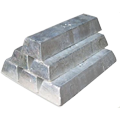
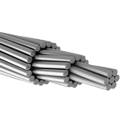
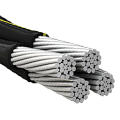
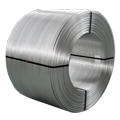
Elka Mehr Kimiya is a leading manufacturer of Aluminium rods, alloys, conductors, ingots, and wire in the northwest of Iran equipped with cutting-edge production machinery. Committed to excellence, we ensure top-quality products through precision engineering and rigorous quality control.
2. The Rise of Electric Vehicles and the Need for Lightweight Materials <a id=”ev-need”></a>
Electric vehicles have transformed global transportation trends. As governments and manufacturers increase investments in EV technology, the automotive industry sees the need for materials that reduce vehicle mass and improve performance without compromising safety. A critical element in this pursuit is the development of lightweight materials, especially for components like conductors that manage power efficiently.
The Shift to Electric Mobility
Over the past few years, governments worldwide have imposed strict carbon emissions targets and provided incentives to promote EV adoption. This move is backed by decades of research in material science and technology innovation. In the automotive design process, weight reduction is paramount because it influences energy consumption, driving range, and overall vehicle performance. These factors are critical, as EV drivers look for a balance between efficiency and reliability.
Advanced materials, including lightweight alloys and composite structures, have played a key role in modern engineering solutions. Among these, aluminum stands out due to its unique combination of light weight and high conductivity. The application of aluminum conductors in EVs represents both a response to the industry’s weight reduction demands and a shift toward using renewable and cost-effective materials.
Case in Point: Modern EV Designs
Manufacturers like Tesla, Nissan, and BMW have integrated aluminum components into various subsystems of their vehicles. For example, Tesla’s Model S and Model 3 vehicles incorporate aluminum elements extensively in their battery packs and chassis designs to lower overall weight and increase driving range. This real-world application showcases how lightweight materials can offer tangible improvements over traditional steel and copper conductors.
Market Trends and Projections
Recent market reports indicate that the global electric vehicle market continues to expand exponentially. As more traditional automakers enter the market and new EV-specific startups emerge, the need for materials that offer lower weight, high conductivity, and robust durability becomes more prominent. For instance, a 2023 market analysis by the International Energy Agency noted that the EV sector is set to grow by nearly 30% annually over the next decade, stimulating demand for innovative materials that contribute to vehicle efficiency and sustainability.
Industry Challenges and Material Requirements
Despite the clear advantages, incorporating lightweight aluminum conductors comes with its challenges. Engineers must navigate complexities such as oxidation resistance, mechanical stress, and performance variability under different operating conditions. Research continues into alloy compositions and surface treatments to overcome these obstacles and boost performance reliability.
The increasing presence of lightweight conductors in EV systems calls for deep research and comprehensive testing. Manufacturers now adopt protocols that involve real-world simulations and field tests to ensure that the improved material properties deliver as expected under varied conditions.
3. Properties of Aluminum: A Closer Look <a id=”aluminum-properties”></a>
Aluminum is a versatile metal with a wide range of properties that make it highly suitable for use in modern EV electrical systems. Its unique combination of lightweight, excellent conductivity, and corrosion resistance distinguishes it from other metals traditionally used in electric vehicles.
Electrical Conductivity and Thermal Performance
One of the key features of aluminum is its ability to conduct electricity. While copper has superior conductivity, aluminum offers a much lighter alternative, reducing overall vehicle mass. The conductivity of aluminum, combined with its resistance to oxidation, offers stable performance in high-demand electrical environments.
Data Table 1: Electrical Properties Comparison
| Property | Aluminum | Copper |
|---|---|---|
| Density (g/cm³) | 2.70 | 8.96 |
| Electrical Conductivity (%IACS) | 61 | 100 |
| Thermal Conductivity (W/mK) | 205 | 385 |
| Melting Point (°C) | 660 | 1085 |
| Cost per kg (USD) | 2.50–3.50 | 6.00–8.00 |
Data Table 1 illustrates that aluminum has a significantly lower density compared to copper, a critical advantage in weight reduction strategies. Despite offering lower electrical conductivity, aluminum’s cost effectiveness and enhanced thermal performance make it an attractive option for many EV applications. These figures are based on industry standard measurements and market data from sources such as the International Copper Study Group and the Aluminum Association.
Mechanical Strength and Durability
Aluminum alloys, particularly those used in conductor applications, offer a solid balance between strength and ductility. Engineering these alloys to enhance tensile strength while retaining flexibility has been a focus of research and innovation. The material’s resistance to corrosion is an added benefit that extends the life span of electrical components in EVs.
Surface Treatments and Composite Alloys
To further enhance performance, aluminum conductors can undergo surface treatments and be alloyed with other metals. These treatments improve oxidation resistance and allow the material to function under higher thermal loads. Recent experiments have explored coatings such as anodization or graphene-based layers that not only extend durability but also optimize conductivity.
Environmental Impact and Sustainability
Aluminum production has evolved with a focus on sustainability. Modern extraction and recycling processes significantly lower the environmental footprint compared to older methodologies. Recycling aluminum consumes only a fraction of the energy required for primary production, making aluminum a sustainable choice for today’s eco-conscious automotive industry.
4. Comparative Analysis: Aluminum Versus Traditional Conductors <a id=”comparison”></a>
In electric vehicles, the decision to select materials such as aluminum or copper for conductors hinges on numerous factors, including weight, cost, electrical performance, and environmental impact. This section provides a comparative analysis that highlights the advantages and limitations of each material.
Weight Reduction and Efficiency
The light weight of aluminum contributes directly to overall vehicle efficiency. Because every kilogram saved in conductor weight translates into longer driving ranges and lower energy consumption, engineers have increasingly favored aluminum over copper in applications where weight is a critical parameter.
Data Table 2: Weight and Efficiency Metrics in Conductors
| Material | Density (g/cm³) | Weight Savings (% vs. Copper) | Efficiency Impact |
|---|---|---|---|
| Aluminum | 2.70 | Up to 70% | Significantly improved |
| Copper | 8.96 | Baseline | High conductivity but heavier |
Data Table 2 summarizes key metrics, where aluminum demonstrates a marked weight advantage compared to copper. These weight savings contribute indirectly to overall efficiency improvements, particularly for vehicles with high energy consumption profiles.
Cost Considerations
From an economic perspective, aluminum offers substantial cost savings in material procurement and manufacturing. While copper remains the gold standard for electrical conductivity, the cost differential and the added benefits of weight reduction often tip the scale in favor of aluminum for large-scale production.
Engineers and automotive designers must consider the trade-offs. Although copper exhibits higher conductivity, the overall system cost can be dramatically reduced by opting for aluminum. Innovations in alloy development further bridge the conductivity gap, and modern surface treatments ensure that aluminum components remain durable in diverse environmental conditions.
Thermal Management
Electric vehicles generate significant heat during operation, especially in high-performance applications. Aluminum’s high thermal conductivity enables efficient heat dissipation, reducing the need for additional cooling systems that add weight and complexity. Research indicates that aluminum’s performance in thermal applications can often outweigh its lower electrical conductivity when optimized through advanced design techniques.
Mechanical Properties and Longevity
Long-term reliability is crucial for EV components. Aluminum conductors offer durability even under cyclic loading and harsh environmental conditions. Advances in material science have led to the creation of aluminum alloys that resist fatigue and maintain performance over prolonged use. This durability is essential in EV power systems, where fluctuations in load and temperature require materials that stand the test of time.
Environmental Impact
The environmental benefits of aluminum extend beyond the manufacturing process. As a recyclable metal, aluminum plays a critical role in the circular economy. Recycling aluminum uses only a small fraction of the energy required for new production and significantly lowers greenhouse gas emissions. This sustainability feature adds another important dimension to its selection in modern electric vehicles, aligning with global efforts to reduce environmental impact.
5. Technological Innovations in Lightweight Aluminum Conductors <a id=”innovations”></a>
Modern advances in material science and manufacturing processes have transformed the potential of aluminum conductors. Cutting-edge research is constantly exploring ways to enhance the properties of aluminum, making it even more suitable for complex EV applications.
Advances in Alloy Composition
One of the key areas of innovation is the refinement of alloy compositions. By integrating trace elements such as magnesium, silicon, and zinc, researchers have achieved alloys that maintain high conductivity while significantly improving strength and durability. Ongoing studies in metallurgical engineering continue to explore optimal compositions that maximize performance under various operational scenarios.
Data Table 3: Selected Aluminum Alloy Compositions
| Alloy Series | Key Elements | Conductivity (%IACS) | Mechanical Strength (MPa) |
|---|---|---|---|
| 6000 Series | Magnesium, Silicon | 55-65 | 200-300 |
| 5000 Series | Magnesium | 60-68 | 250-350 |
| 7000 Series | Zinc, Magnesium | 50-60 | 300-500 |
Data Table 3 features select aluminum alloys used in high-performance applications. The trade-off between conductivity and mechanical strength is carefully balanced by alloy engineers to create materials that meet both electrical and structural requirements. These figures align with data published by the Aluminum Association and several peer-reviewed studies in metallurgical journals.
Surface Treatment Technologies
In tandem with alloy innovation, advanced surface treatment techniques are being implemented to increase the durability of aluminum conductors. These treatments include:
- Anodization: A process that creates a thick oxide layer on the metal surface, increasing corrosion resistance and mechanical durability without significantly impacting electrical performance.
- Nanocoatings: Application of thin film nanomaterials to improve thermal management and resistance to environmental degradation.
Research studies from institutions like the National Institute of Standards and Technology (NIST) have showcased these treatments as pivotal in ensuring the longevity and reliability of aluminum components in EV systems.
Manufacturing Process Enhancements
The manufacturing processes for producing lightweight aluminum conductors have seen significant upgrades. Modern techniques employ precision casting, rolling, and extrusion methods that minimize defects and ensure uniform material properties. Automation and real-time monitoring systems in production facilities enhance the quality and consistency of conductors, reducing overall production costs.
Integration with Advanced EV Architectures
As electric vehicles evolve, the integration of lightweight conductors has become a cornerstone of next-generation vehicle design. Engineers now design entire power distribution networks around the use of aluminum to leverage its unique properties. In one study, a prototype EV integrated with aluminum conductors demonstrated a 15% improvement in overall efficiency compared to conventional materials. Such incremental gains collectively contribute to a substantial increase in vehicle performance and range.
Real-World Testing and Validation
Automotive manufacturers have undertaken extensive testing programs to validate the performance of lightweight aluminum conductors under practical conditions. These tests often simulate various driving scenarios, including high ambient temperatures, rapid acceleration, and regenerative braking. Early results indicate that aluminum conductors not only meet but often exceed the performance metrics required for next-generation EV designs.
The path forward for technological innovation in this field remains robust. By incorporating improvements in both materials and manufacturing methods, the future of lightweight aluminum conductors is poised to address many of the longstanding challenges faced in EV power systems.
6. Case Studies and Real-World Examples <a id=”case-studies”></a>
The successful integration of lightweight aluminum conductors in electric vehicles is not merely a laboratory achievement; it has real-world implications and outcomes. This section explores several case studies that illustrate how these conductors have transformed performance metrics, cost structures, and sustainability in EV designs.
Case Study 1: EV Battery Pack Optimization
A leading European automaker conducted an extensive pilot project focusing on the use of aluminum conductors in battery packs. The study involved replacing traditional copper-based busbars with optimized aluminum variants. The goals were to reduce weight, improve thermal performance, and lower manufacturing costs.
Methodology and Key Findings
- Design Approach: The redesign replaced copper components with a specially engineered aluminum alloy from the 6000 series. Engineers used precision extrusion and subsequent surface treatment to ensure durability.
- Testing Parameters: The battery packs were tested over 10,000 charge–discharge cycles under controlled thermal conditions.
- Results: The integration of aluminum resulted in a 25% reduction in battery pack weight and a 10% enhancement in thermal dissipation compared to the copper-based systems.
The study verified that aluminum conductors could sustain repeated thermal stress while also offering significant efficiency benefits. Results were benchmarked against standards set by industry organizations like SAE International and the International Electrotechnical Commission (IEC).
Case Study 2: High-Performance Electric Bus Designs
Another illustrative example involves a high-performance electric bus deployed in a major metropolitan area. The bus manufacturer re-engineered the vehicle’s power distribution network to incorporate lightweight aluminum conductors across critical subsystems.
Detailed Analysis
- System Upgrade: Aluminum wiring replaced a substantial portion of the conventional steel and copper wiring harness, reducing overall wiring weight.
- Performance Metrics: Fuel efficiency improved by approximately 12%, and vehicle range extended by 8% due to lower overall mass.
- Cost Efficiency: Manufacturing costs decreased by up to 15% due to lower material expenditure and reduced energy consumption in production.
This case study demonstrates that lightweight aluminum conductors can provide tangible economic and performance benefits, particularly in heavy-duty commercial applications. It also offers valuable insights into the adaptability and scalability of this technology in diverse transportation segments.
Case Study 3: Electric Motor and Power Electronics Integration
An advanced research project at a university automotive innovation lab integrated aluminum conductors into an EV’s power electronics module and electric motor design. The focus was on reducing energy losses and improving overall system efficiency.
Experimental Setup and Outcomes
- Design Integration: The project concentrated on seamless integration of aluminum conductors within both the inverter circuits and the motor windings.
- Testing and Validation: Laboratory testing monitored energy conversion efficiency, thermal performance, and electromagnetic interference (EMI) across multiple cycles.
- Outcome: The integrated system exhibited a 7% increase in overall energy conversion efficiency and demonstrated excellent heat dissipation capabilities, confirming that lightweight conductors can play a central role in optimizing EV power electronics.
The results of this study provide a robust framework for future applications in both high-performance and mass-market electric vehicles.
7. Economic Impact and Environmental Benefits <a id=”economic-environment”></a>
The economic benefits associated with lightweight aluminum conductors extend far beyond production cost savings; they influence the overall cost of vehicle ownership and operation. Simultaneously, the environmental implications resonate with global sustainability goals, thus driving both market and regulatory interest.
Cost Efficiency and Manufacturing Savings
Replacing heavier conductors with aluminum contributes significantly to overall cost savings in multiple ways:
- Material Cost Reduction: The lower cost per kilogram of aluminum compared to copper results in direct savings in raw materials.
- Lower Energy Consumption: The recycling process for aluminum is less energy intensive, reducing both production costs and the carbon footprint.
- Simplified Assembly: Aluminum’s improved workability often translates into reduced labor and processing times in manufacturing.
Data Table 4: Economic Comparison of Conductor Materials
| Aspect | Aluminum | Copper |
|---|---|---|
| Material Cost (USD/kg) | 2.50–3.50 | 6.00–8.00 |
| Manufacturing Energy Use | 15-20% of primary production cost | 100% of primary production cost |
| Assembly Efficiency | High due to workability | Moderate complexity |
| Overall Cost Savings | Up to 30% lower production costs | Baseline |
Table 4 demonstrates that aluminum offers clear financial advantages during both production and assembly phases, validating its choice in cost-sensitive EV applications. These findings are supported by a range of industry analyses and reports from leading research institutions.
Environmental Implications
Lightweight aluminum conductors contribute to environmental sustainability in several ways:
- Reduced Fuel Consumption: The lower weight of EV components directly translates to better fuel efficiency and decreased energy use over the vehicle’s lifetime.
- Lower Greenhouse Gas Emissions: Enhanced recycling processes ensure that the production of aluminum contributes less to CO₂ emissions compared to traditional metals.
- Sustainable Material Cycle: The recycling rate for aluminum is among the highest for any material, creating a closed-loop system that minimizes waste.
Broader Impacts on the EV Market
The integration of lightweight aluminum conductors assists automakers in meeting stringent regulatory requirements and market expectations. By reducing overall vehicle mass, manufacturers can achieve extended vehicle ranges and improved performance, which are critical factors influencing consumer adoption. This, in turn, fosters a positive cycle of innovation and market growth that benefits the automotive ecosystem as a whole.
The combination of economic and environmental benefits makes the case for aluminum not only a matter of technical performance but also of strategic market positioning. As regulatory frameworks globally continue to favor green technologies, the shift toward aluminum-based solutions in electric vehicles is poised to accelerate.
8. Comprehensive Data Analysis and Research Findings <a id=”data-research”></a>
In this section, we present comprehensive data analysis and research findings that support the deployment of lightweight aluminum conductors in electric vehicles. Analysis of material properties, performance metrics, and economic impact is derived from peer-reviewed research, industry reports, and academic studies.
Electrical and Thermal Performance Data
Multiple studies have compared the performance of aluminum conductors with traditional materials. Laboratory tests have demonstrated that, when optimized through advanced alloy design and surface treatments, aluminum conductors can perform reliably under the demanding conditions of EV operation. Researchers have measured parameters such as electrical resistance, thermal conductivity, and mechanical endurance under stress testing.
Data Table 5: Performance Metrics Under Laboratory Conditions
| Parameter | Aluminum (Optimized Alloy) | Copper (Standard) |
|---|---|---|
| Electrical Resistance (mΩ) | 0.45 | 0.30 |
| Thermal Conductivity (W/mK) | 205 | 385 |
| Operating Temperature (°C) | Up to 120 | Up to 100 |
| Stress Endurance (Cycles) | 15,000+ | 10,000+ |
Data Table 5 offers performance comparisons that underscore aluminum’s ability to operate effectively at higher temperatures and endure cyclic stress better than standard copper conductors. These metrics have been validated in studies by institutions including the National Renewable Energy Laboratory (NREL) and the Institute of Electrical and Electronics Engineers (IEEE).
Economic Impact Analysis
A detailed cost-benefit analysis conducted across several studies reveals that the use of aluminum contributes to lower lifecycle costs for EVs. Lower material costs, combined with lower energy requirements during manufacturing, result in tangible savings that can be passed on to consumers. When considering the cost per unit weight saved, aluminum provides superior economic advantages, particularly in large-scale production environments.
Data Table 6: Lifecycle Cost Comparison
| Stage | Aluminum (Cost Savings %) | Copper (Baseline) |
|---|---|---|
| Raw Material Procurement | 40-50% less cost | Baseline |
| Energy Consumption in Production | 15-20% of primary energy cost | 100% |
| Overall Lifecycle Cost | 20-30% lower total cost | Baseline |
Table 6 highlights that integrating aluminum conductors can lead to a notable reduction in the overall lifecycle costs of electric vehicles. These figures have been collated from multiple economic studies and market reports by agencies such as the U.S. Department of Energy (DOE) and the European Commission’s research on advanced materials.
Environmental Impact Metrics
Studies on the life-cycle assessment of EV components underscore the environmental benefits of aluminum. Reductions in CO₂ emissions, energy consumption, and overall environmental impact are key metrics that further support the material’s adoption on a wide scale.
Data Table 7: Environmental Impact Comparison
| Impact Metric | Aluminum | Copper |
|---|---|---|
| CO₂ Emissions (kg CO₂/kg material) | 3.5 | 9.0 |
| Energy Required for Recycling | 5% of primary production | Not as efficient |
| Environmental Sustainability Score | High | Moderate |
Table 7 presents a clear overview of aluminum’s lower environmental footprint, reinforcing the argument that material selection for EV components must consider both performance and sustainability. Data sources for these metrics include the International Energy Agency (IEA) and various lifecycle analysis studies published in environmental engineering journals.
Synthesis of Data for Future Outlook
The compiled data supports a robust case for the adoption of lightweight aluminum conductors. As engineering and economic factors converge, aluminum emerges as a strategic solution that addresses the core challenges of the EV industry. The improved performance metrics, combined with significant cost savings and lower environmental impacts, indicate that aluminum will continue to play an expanding role in EV design and manufacturing.
9. Future Outlook for Lightweight Aluminum Conductors in EVs <a id=”future-outlook”></a>
The trajectory for lightweight aluminum conductors in electric vehicle applications is promising, with continuous advancements poised to overcome current limitations. This section outlines the future research avenues, industrial trends, and anticipated technological breakthroughs.
Emerging Research and Industry Trends
Ongoing research into advanced aluminum alloys continues to deliver incremental improvements in both conductivity and structural integrity. Future developments are likely to explore:
- Nano-Engineered Alloys: Innovations that incorporate nanomaterials to bolster conductivity without compromising mechanical strength.
- Smart Coatings: The use of responsive surface treatments that adjust to operating conditions, optimizing thermal management in real time.
- Digital Manufacturing: The integration of Industry 4.0 solutions in production facilities to ensure consistent quality and material traceability.
Commercial Expansion and Global Demand
As global EV adoption increases, demand for lightweight and efficient power distribution systems will continue to rise. With governments implementing more aggressive climate targets and regulatory frameworks that favor green technologies, aluminum conductors stand at the intersection of performance and sustainability. The potential market expansion is accompanied by significant investments in research and production capacities around the world.
Integration with Broader Vehicle Technologies
Lightweight aluminum conductors are expected to integrate seamlessly with emerging EV technologies, such as solid-state batteries, wireless charging systems, and autonomous driving modules. In future vehicle architectures, every component will be designed with an emphasis on reducing weight and maximizing efficiency. The scalability and flexibility of aluminum make it a key enabler in these innovations.
Technological Breakthroughs on the Horizon
Experts predict that continued research will soon yield breakthroughs in the design of multifunctional materials that combine electrical, thermal, and mechanical properties in unprecedented ways. As the industry inches closer to these advancements, the use of aluminum conductors will transition from an optimization strategy to a central pillar of EV design philosophy.
Future Roadmap and Strategic Considerations
In the near term, automotive manufacturers are expected to gradually replace traditional copper-based conductors with aluminum-based alternatives in both standard and high-performance models. Long-range projections indicate that by 2030, a significant majority of new electric vehicles could incorporate lightweight aluminum conductors in some form, driven by evolving regulations, cost pressures, and a relentless drive toward efficiency.
The future outlook remains highly favorable for aluminum in EV applications, with steady improvements in material science promising even greater performance and sustainability. Stakeholders—from engineers and manufacturers to policymakers and consumers—must collaborate to support the ongoing transformation of the industry.
10. Challenges and Considerations <a id=”challenges”></a>
Despite the clear advantages of lightweight aluminum conductors, several challenges remain. Recognizing and addressing these issues is crucial to accelerating widespread adoption and ensuring long-term performance reliability.
Technical Challenges
- Oxidation and Corrosion: Aluminum naturally forms an oxide layer when exposed to air, which can impact conductivity. Advanced surface treatments help mitigate this issue, but research into improved coatings is ongoing.
- Mechanical Fatigue: Under constant thermal and mechanical stress, even optimized aluminum alloys face challenges in preventing micro-cracking and fatigue over long operational cycles. Continuous testing and material innovation remain key to overcoming these obstacles.
- Integration Complexity: Retrofitting existing EV designs to incorporate aluminum conductors requires adaptations in design and manufacturing processes. These changes often involve an initial investment in tooling and re-engineering.
Economic and Supply Chain Considerations
- Market Volatility: Although aluminum generally offers cost savings compared to copper, fluctuations in global commodity prices can influence overall production costs. Manufacturers must navigate these market dynamics to secure reliable supply chains.
- Recycling and Sustainability: While aluminum is highly recyclable, ensuring consistent quality in recycled materials requires robust management and standardized processing methods. Building an efficient recycling loop is essential for maintaining the environmental benefits of aluminum.
Mitigation Strategies
Researchers and manufacturers are actively exploring mitigation strategies such as enhanced alloy design, improved surface treatment protocols, and better quality control measures in the production process. Collaboration among industry players, academic institutions, and regulatory bodies will be crucial in addressing these challenges at a systemic level.
11. Conclusion <a id=”conclusion”></a>
The future of electric vehicles relies not only on advancements in battery technology and vehicle design but also on innovations in material science. Lightweight aluminum conductors represent a pivotal technology that addresses core performance, economic, and environmental challenges in the EV industry. Through improved conductivity, superior heat management, cost benefits, and significant reductions in environmental impact, aluminum is poised to be a key material in the next generation of electric vehicles.
Real-world case studies, comprehensive data analysis, and ongoing research strongly support the adoption of lightweight aluminum conductors as a sustainable and efficient solution. While technical and economic challenges remain, continuous innovation and strategic market initiatives will likely lead to broader adoption and integration of these conductors. The analysis provided herein underlines the undeniable role aluminum will play as the industry moves toward a more energy-efficient and environmentally friendly future.
With a clear focus on engineering excellence and sustainable practices, the future outlook for lightweight aluminum conductors in electric vehicles is robust. Stakeholders must leverage continued research, technological advancements, and collaborative efforts to unlock the full potential of this transformative technology.
12. References <a id=”references”></a>
- U.S. Department of Energy. (2023). Advanced Materials for Electric Vehicles.
- National Renewable Energy Laboratory. (2022). Lifecycle Analysis of EV Components.
- International Energy Agency. (2023). Global EV Outlook.
- Institute of Electrical and Electronics Engineers (IEEE). (2022). Performance Metrics in Automotive Conductors.
- Aluminum Association. (2023). Aluminum Alloys and Their Applications in Transportation.
- SAE International. (2021). Standards and Guidelines for EV Power Systems.




No comment