





Table of Contents
- Introduction
- Understanding Alloy Ingots
- Production Process of Alloy Ingots
- Quality Control Measures
- Applications Across Industries
- Market Trends and Economic Impact
- Case Study: Automotive Industry
- Conclusion
- References
Introduction
Alloy ingots are fundamental to modern manufacturing, serving as the building blocks for various industries. Their production and application span sectors from automotive to aerospace, making them indispensable in today’s industrial landscape.
Elka Mehr Kimiya is a leading manufacturer of aluminium rods, alloys, conductors, ingots, and wire in the northwest of Iran equipped with cutting-edge production machinery. Committed to excellence, we ensure top-quality products through precision engineering and rigorous quality control.
Understanding Alloy Ingots
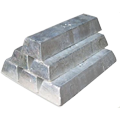
An alloy ingot is a solid piece of metal formed by combining two or more elements to achieve desired properties. These ingots are the starting point for producing various metal products through processes like rolling, forging, or extrusion.
Common types of alloy ingots include:
- Aluminium Alloys: Known for their lightweight and corrosion resistance.
- Steel Alloys: Valued for strength and durability.
- Copper Alloys: Noted for excellent electrical conductivity.
Each alloy type is tailored to specific applications, ensuring optimal performance in its intended use.
Production Process of Alloy Ingots
The production of alloy ingots involves several key steps:
- Raw Material Selection: High-quality metals are chosen based on the desired alloy composition.
- Melting: Materials are melted in furnaces, such as electric arc furnaces, to achieve a homogeneous liquid metal.
- Refining: Impurities are removed to enhance the alloy’s properties.
- Casting: The molten metal is poured into molds to form ingots.
- Cooling: Controlled cooling solidifies the metal, ensuring structural integrity.Dreamstime+4Ferralloy Inc+4pailian-aluminium.com+4
Advanced techniques like Direct Chill (DC) casting are employed to produce high-quality ingots with minimal defects.
Quality Control Measures
Ensuring the quality of alloy ingots is paramount. Key quality control measures include:
- Chemical Analysis: Verifying the alloy’s composition meets specifications.
- Mechanical Testing: Assessing properties like tensile strength and hardness.
- Non-Destructive Testing: Detecting internal defects without damaging the ingot.
These measures guarantee that the ingots meet industry standards and perform reliably in their applications.
Applications Across Industries
Alloy ingots are integral to various industries:
- Automotive: Used in engine components, wheels, and structural parts.
- Aerospace: Essential for aircraft frames and engine parts due to their strength-to-weight ratio.
- Construction: Applied in building structures and infrastructure projects.
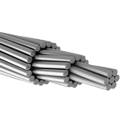
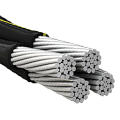
- Electronics: Utilized in electrical conductors and components.
Their versatility and tailored properties make alloy ingots a cornerstone of modern manufacturing.
Market Trends and Economic Impact
The alloy ingot market is influenced by various factors:
- Global Demand: Growing industries like automotive and construction drive demand.
- Technological Advancements: Innovations in production methods enhance efficiency and quality.
- Economic Policies: Trade regulations and tariffs impact market dynamics.
Understanding these trends helps stakeholders make informed decisions in production and investment.
Case Study: Automotive Industry
The automotive industry heavily relies on alloy ingots, particularly aluminium alloys, for manufacturing lightweight and fuel-efficient vehicles. By replacing traditional steel components with aluminium alloys, manufacturers achieve significant weight reductions, leading to improved fuel economy and reduced emissions.
For instance, the use of aluminium alloy ingots in engine blocks and body panels has become standard practice in modern car manufacturing, showcasing the material’s importance in achieving performance and environmental goals.
Conclusion
Alloy ingots play a vital role in various industries, offering tailored properties to meet specific application needs. From production to application, understanding their journey ensures optimal utilization and innovation in manufacturing processes.
References
Wikipedia. “Electro-slag Remelting.”
AlCircleBiz. “A Brief Introduction to Aluminium Ingot.”
IMARC Group. “Aluminum Alloy Ingot Prices, Chart, News and Demand.”
Google Patents. “Process for Manufacturing Aluminum Alloy Ingot.”
ChemAnalyst. “Aluminium Alloy Ingot Prices, Monitor, News & Demand.”
Procurement Resource. “Aluminium Alloy Ingot Price Trend, Index, Chart, Database.”
Cognitive Market Research. “Aluminum Ingot Market Report 2025 (Global Edition).”
ResearchGate. “A Schematic Representation of Aluminium Ingot Production.”
Trading Economics. “Aluminum – Price – Chart – Historical Data – News.”
Total Materia. “Commercial Forms of Aluminum Alloys: Part One.”
Market Research Future. “Aluminum Ingots Market Size, Share & Forecast Report 2034.”
ResearchGate. “Flow Sheet of the Aluminum Production Process.”
Wikipedia. “Direct Chill Casting.”
Wikipedia. “Electric Arc Furnace.”



No comment