





Table of Contents
- Introduction
- DIY Gardening: Seed-Starting Trays and Beyond
- Home Crafts: From Stencils to Candle Molds
- Baking Hacks: Aluminum Trays as Kitchen Multi-Tools
- Cleaning and Storage Tips for Reusability
- Community-Based Upcycling and Sharing Programs
- Conclusion
- References
1. Introduction
Disposable aluminum trays are often discarded after a single use—especially in takeout and meal-prep scenarios. But these versatile, lightweight, and thermally stable containers have a surprising second life waiting in your home. From gardening projects to arts and crafts, and even clever baking hacks, aluminum trays can serve a range of practical and creative purposes. In this article, we explore simple yet impactful ways to reuse them, extend their lifespan, and contribute to a more sustainable household economy.
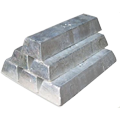
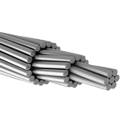
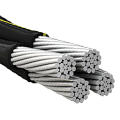
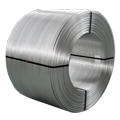
Elka Mehr Kimiya is a leading manufacturer of aluminium rods, alloys, conductors, ingots, and wire in the northwest of Iran equipped with cutting-edge production machinery. Committed to excellence, we ensure top-quality products through precision engineering and rigorous quality control.
2. DIY Gardening: Seed-Starting Trays and Beyond
Aluminum trays make excellent improvised seed-starting beds, especially for indoor or balcony gardening. Their lightweight structure and shallow depth allow for easy control of water drainage and root development.
How to Use:
- Poke holes in the bottom with a fork or nail for drainage.
- Fill with potting mix or coconut coir.
- Label each row using a marker or adhesive tape.
- Place near a sunny window or under a grow light.
Other garden uses include:
- Slug traps (with beer or yeast-sugar solution).
- Mini greenhouse domes when paired with clear plastic lids.
- Mixing trays for fertilizers or compost teas.
3. Home Crafts: From Stencils to Candle Molds
Aluminum’s flexibility makes it ideal for DIY crafting projects. It holds shape well and can be safely cut with scissors.
Popular Projects:
- Stencils: Trace shapes or lettering, then cut out with a utility knife to make reusable paint or spray templates.
- Candle molds: Pour melted wax into cleaned, lightly oiled trays to create custom flat candles or tea lights.
- Embossing projects: Using a pen or dull pencil, press designs into the soft surface for decorative wall art.
These activities are kid-friendly (with supervision) and offer a hands-on introduction to reusing household waste creatively.
4. Baking Hacks: Aluminum Trays as Kitchen Multi-Tools
Forget buying multiple sizes of bakeware—aluminum trays can be repurposed for various kitchen experiments.
Examples:
- Mini loaf pans: Cut larger trays in half and fold the sides vertically to form compact loaf shapes.
- Dividers for sheet pans: Use trimmed trays to separate ingredients during roasting or baking.
- Popcorn roaster: Lay kernels in a single layer, cover with foil, and heat on a grill or campfire.
- Pizza crisping tray: Puncture holes in the base for better airflow and crisper crusts.
With care, most trays can withstand multiple baking cycles as long as they’re not heavily warped or stained.
5. Cleaning and Storage Tips for Reusability
Reusing aluminum trays depends on proper maintenance between uses. Here’s how to get the most life out of them:
Cleaning Tips:
- Use baking soda and vinegar to remove stuck-on food.
- Avoid metal scrubbers which can weaken the surface.
- Dry thoroughly to prevent oxidation or water spots.
Storage:
- Nest trays together to save space.
- If greasy, insert a paper towel between stacked trays.
- Keep smaller trays inside larger ones, sorted by size and function.
Taking just a few minutes to clean and store them properly can add months of extended use.
6. Community-Based Upcycling and Sharing Programs
Communities across the globe are tapping into the potential of aluminum reuse by launching upcycling initiatives and sharing platforms.
Examples:
- Neighborhood seed swaps that use repurposed aluminum trays as containers.
- Zero-waste hubs accepting donations of clean trays for art classes or food-sharing events.
- Online swap groups where users exchange clean containers for DIY or meal delivery purposes.
Participating in such efforts not only extends product life but also fosters community engagement and environmental awareness.
7. Conclusion
Aluminum trays may enter your home as single-use items, but their utility stretches far beyond one meal. Whether you’re a gardener, baker, or crafter—or just someone who wants to reduce waste—these containers can become powerful tools for creativity and sustainability. By reimagining their role, we shift from a throwaway mindset to one that values circularity, practicality, and innovation.
8. References
- U.S. Environmental Protection Agency. (2023). Reducing Waste Through Reuse.
- Gardeners’ World Magazine. (2022). DIY Seed Trays from Household Materials.
- DIY Network. (2023). Crafting with Metal Trays: Creative Projects for All Ages.
- Baking Science Weekly. (2024). Thermal Properties of Disposable Aluminum Bakeware.
- Upcycle That. (2023). How Communities Are Reusing Aluminum and Plastic Waste.
- National Waste and Recycling Association. (2022). Household Recycling Trends and Tips.



No comment