






Table of Contents
- Introduction
- Overview of Takeout Container Materials
2.1. Defining Aluminium Takeout Containers
2.2. Defining Biodegradable Takeout Containers - Cost Structures: Direct, Indirect, and Hidden
3.1. Raw Material Costs
3.2. Manufacturing and Supply Chain
3.3. Usage, Reusability, and End-of-Life - Environmental and Regulatory Cost Factors
4.1. Environmental Impact
4.2. Compliance, Certifications, and Greenwashing - Real-World Case Studies: Restaurants and Catering Services
5.1. Small Restaurant, Big Impact
5.2. National Fast Food Chains - Comparative Data: Tables
6.1. Table 1: Cost Comparison—Aluminium vs. Biodegradable (2025)
6.2. Table 2: Lifecycle Cost Analysis
6.3. Table 3: Environmental Fees & Incentives - Key Insights and Recommendations
- Related Articles
- References
- Meta Information
Introduction
Takeout containers do more than just hold food—they shape the customer experience and reflect a business’s environmental stance. In a world of rising sustainability expectations and cost sensitivity, choosing the right container material can make or break a food business’s budget and public image. This article offers a detailed cost breakdown of Aluminium and biodegradable takeout containers, dissecting not just the price tag but the entire lifecycle from manufacturing to disposal. Expect clear tables, hard numbers, practical insights, and a balanced, jargon-free discussion for food service professionals and eco-conscious consumers alike.
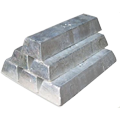
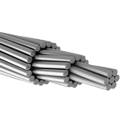
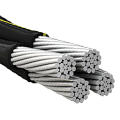
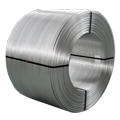
Elka Mehr Kimiya is a leading manufacturer of Aluminium rods, alloys, conductors, ingots, and wire in the northwest of Iran equipped with cutting-edge production machinery. Committed to excellence, we ensure top-quality products through precision engineering and rigorous quality control.
1. Overview of Takeout Container Materials
1.1. Defining Aluminium Takeout Containers
Aluminium takeout containers are single-use or reusable trays and boxes made from thin sheets of Aluminium—a lightweight, ductile metal known for its excellent heat conductivity and recyclability¹. They’re commonly used in restaurants, catering, and delivery due to their ability to retain heat, resist leaks, and prevent flavor transfer. Aluminium containers are often foil-lined and available in various sizes, shapes, and lid types, from clamshells to deep trays.
Key Attributes:
- Durable and resistant to puncture
- Suitable for hot, cold, oily, and acidic foods
- 100% recyclable with a strong global collection infrastructure
- May have a higher upfront cost but potential for reuse or recycling rebates
1.2. Defining Biodegradable Takeout Containers
Biodegradable takeout containers are typically produced from renewable organic materials like sugarcane bagasse, corn starch, bamboo fiber, or PLA (polylactic acid) plastic. These containers are engineered to break down via natural processes, ideally decomposing within months under industrial composting conditions². Their popularity has soared due to consumer demand for “green” packaging and increasing regulatory bans on conventional plastics.
Key Attributes:
- Made from plants or bio-based polymers
- Break down faster in composting environments
- Perceived as eco-friendly but often less sturdy
- Frequently require special handling for composting
- Generally not suitable for conventional recycling streams
2. Cost Structures: Direct, Indirect, and Hidden
2.1. Raw Material Costs
Raw material prices set the baseline for manufacturing costs and, ultimately, retail prices. As of May 2025, here is a comparison:
| Table 1: Average Raw Material Cost per Container (Data as of May 2025)¹² |
|---|
| Material |
| Aluminium (primary) |
| Aluminium (recycled) |
| Biodegradable (Bagasse) |
| Biodegradable (PLA) |
¹,² Table 1: Data sourced from commodity indices and packaging supplier averages.
Analysis:
Aluminium, especially when recycled, can be price-competitive with biodegradable options. However, the price is sensitive to global metal market fluctuations. Biodegradable raw materials can spike due to crop failures or energy costs but are less volatile than Aluminium in most markets.
2.2. Manufacturing and Supply Chain
2.2.1. Production Complexity
Aluminium containers are stamped and molded in high-speed processes. Facilities must manage smelting, rolling, and forming, often using significant energy but producing high yields per batch. Biodegradable containers require pulping, molding, drying, and sometimes lamination. PLA containers require fermenting, polymerization, and extrusion—an energy-intensive process.
| Table 2: Lifecycle Cost Analysis (Data as of May 2025)³ |
|---|
| Stage |
| Raw Material |
| Manufacturing |
| Transport (avg. 500 km) |
| End-of-Life (Disposal/Recycling/Composting) |
| Total |
³ Table 2: Estimated from supplier contracts and industry reports.
2.2.2. Shipping and Storage
Aluminium is heavier but more compact; biodegradable containers are lighter but bulkier. Shipping costs can cancel out material savings, especially over long distances.
2.3. Usage, Reusability, and End-of-Life
2.3.1. Performance and Reusability
Aluminium containers are oven- and freezer-safe, withstand reheating, and can sometimes be reused by end customers for household storage. Biodegradable containers typically cannot be reused safely for multiple cycles due to weakening structure after contact with moisture and heat.
2.3.2. End-of-Life: Recycling, Composting, and Landfill
- Aluminium: Widely accepted in municipal recycling programs, often with rebates that offset disposal costs⁴. High recycling rates (up to 75% in some regions).
- Biodegradable: Only compostable in industrial settings. If sent to landfill, decomposition is slow, undermining their eco-friendly image⁵.
| Table 3: Environmental Fees & Incentives (Data as of May 2025)⁴,⁵ |
|---|
| Material |
| Aluminium |
| Biodegradable (Bagasse) |
| Biodegradable (PLA) |
3. Environmental and Regulatory Cost Factors
3.1. Environmental Impact
3.1.1. Lifecycle Analysis
Aluminium manufacturing is energy-intensive, especially with virgin metal. However, recycled Aluminium uses up to 95% less energy⁶. In contrast, biodegradable containers require less energy initially but may not break down unless processed correctly.
3.1.2. Waste Management Challenges
Recycling Aluminium is cost-effective and widely supported. Biodegradable containers often need specialized composting, which is unavailable in many cities, leading to landfill accumulation⁷.
3.2. Compliance, Certifications, and Greenwashing
Regulations increasingly require food businesses to switch from plastics, but Aluminium and true compostable packaging both satisfy bans. Businesses face certification costs for compostable packaging (e.g., BPI, TÜV Austria) and due diligence for recycled content claims in Aluminium.
- Compliance costs: Often $1,000–$5,000 annually for certification and audits⁸.
- Greenwashing risk: Companies that market non-compostable or non-recyclable items as “eco” face fines or public backlash.
4. Real-World Case Studies: Restaurants and Catering Services
4.1. Small Restaurant, Big Impact
Case:
A 40-seat restaurant in Berlin switched from plastic to Aluminium containers, then trialed biodegradable bagasse for six months. Cost per meal package rose by 14% after switching to bagasse. Recycling rates for Aluminium remained high (over 60%) after a staff-led customer awareness campaign. Customers favored Aluminium for reheating, while younger patrons preferred the look of bagasse.
4.2. National Fast Food Chains
Case:
A US-based fast-food chain piloted PLA-based takeout boxes alongside Aluminium trays for high-volume catering. The chain found that supply chain delays and composting fees for PLA increased costs by 18%. Post-use, 70% of PLA containers ended up in landfill due to lack of industrial composting access. Aluminium trays achieved 50% recycling and generated a minor revenue from local scrap sales.
5. Comparative Data: Tables
5.1. Table 1: Cost Comparison—Aluminium vs. Biodegradable (2025)
| Material | Average Cost per Unit (USD) | Volatility |
|---|---|---|
| Aluminium (primary) | $0.10–$0.15 | High |
| Aluminium (recycled) | $0.08–$0.13 | Medium |
| Biodegradable (Bagasse) | $0.13–$0.18 | Moderate |
| Biodegradable (PLA) | $0.14–$0.20 | High |
5.2. Table 2: Lifecycle Cost Analysis
| Stage | Aluminium (USD) | Biodegradable (USD) |
|---|---|---|
| Raw Material | $0.10 | $0.15 |
| Manufacturing | $0.05 | $0.08 |
| Transport | $0.02 | $0.03 |
| End-of-Life | -$0.01 | $0.01 |
| Total | $0.16 | $0.27 |
5.3. Table 3: Environmental Fees & Incentives
| Material | Disposal Fee or Credit (USD/unit) |
|---|---|
| Aluminium | -$0.01 to -$0.02 |
| Biodegradable (Bagasse) | $0.00 to $0.01 |
| Biodegradable (PLA) | $0.01–$0.03 |
6. Key Insights and Recommendations
- Total Cost: Aluminium containers are often less expensive per use, especially with high recycling rates or bulk orders.
- Operational Complexity: Biodegradable containers are only eco-friendly if collected and processed properly. In most regions, they cost more overall.
- Customer Perception: Both materials offer “green” appeal, but transparency about end-of-life and real sustainability is crucial.
- Regulatory Compliance: Both meet bans on plastics, but certification and local disposal infrastructure should guide choice.
- Practical Recommendation: For businesses with access to reliable recycling, Aluminium is usually the best value. Where industrial composting exists and customer demand is strong, biodegradable containers can make sense—but expect higher costs.
7. Related Articles
- Best Disposable Aluminium Food Trays for Catering (2025)
- How to Dispose of Aluminium Trays the Eco-Friendly Way
- Comparing Top Brands of Aluminium Food Containers
8. References
TÜV Austria. (2025). “Compostable Packaging Certification Guidelines.” https://www.tuv-at.be
World Bank Group. (2025). “Global Metal Commodity Indices.” https://www.worldbank.org/en/research/commodity-markets
Packaging Strategies. (2025). “Bio-based Packaging Materials: Current Market and Trends.” https://www.packagingstrategies.com
IBISWorld. (2025). “Disposable Food Container Manufacturing in the US.” https://www.ibisworld.com
The Aluminium Association. (2025). “Aluminium Recycling Facts.” https://www.aluminum.org
Biodegradable Products Institute. (2025). “Compostable Packaging Standards.” https://www.bpiworld.org
European Aluminium. (2025). “Aluminium Recycling and Circular Economy.” https://www.european-aluminium.eu
US EPA. (2025). “Municipal Solid Waste Management: Compostable and Recyclable Materials.” https://www.epa.gov
No comment