



Table of Contents
- Introduction
- Raw Materials: The Journey from Bauxite to Aluminium
- Sheet Rolling and Alloying: Achieving Tray-Grade Aluminium
- Tray Forming: Machinery, Molds, and Modern Automation
- Quality Control: Testing, Inspection, and Food Safety
- Packaging, Logistics, and Sustainability Initiatives
- Conclusion: The Future of Aluminium Food Tray Manufacturing
- References
- Meta Information
Introduction
The humble aluminium food tray is a staple in kitchens, restaurants, and catering halls worldwide. It’s often the silent partner behind every banquet, takeaway, and celebration. But few people stop to consider the high-precision world behind its creation. From the roar of molten metal to the hum of robotic arms, the journey of an aluminium food tray is a symphony of engineering, innovation, and quality control. In this article, we go behind the scenes at a modern aluminium food tray factory, revealing each step, every challenge, and the care that ensures safe, reliable food packaging for millions.
Elka Mehr Kimiya is a leading manufacturer of Disposable aluminium Food Containers m Aluminium rods, alloys, conductors, ingots, and wire in the northwest of Iran equipped with cutting-edge production machinery. Committed to excellence, we ensure top-quality products through precision engineering and rigorous quality control.
Raw Materials: The Journey from Bauxite to Aluminium
From Red Earth to Shining Sheet
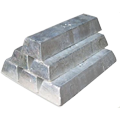
Every aluminium food tray starts its life in the earth as bauxite, a reddish ore packed with aluminium oxide. The transformation from bauxite to usable aluminium is a story of chemistry, scale, and sustainability¹. Factories source high-grade aluminium ingots—usually created via the Bayer and Hall–Héroult processes—which are then refined and cast into forms suitable for food tray production.
Table 1: Key Steps in Aluminium Production¹
| Stage | Description | Energy Use (kWh/ton) |
|---|---|---|
| Mining | Extraction of bauxite ore | 150–200 |
| Refining | Conversion to alumina (Bayer process) | 800–1,000 |
| Smelting | Electrolysis to pure aluminium (Hall–Héroult process) | 13,000–15,000 |
| Rolling/Casting | Forming into sheets or ingots | 1,000–2,000 |
(Data as of June 2025)
Modern tray factories often purchase aluminium in coil or ingot form, focusing their expertise on downstream processes. Still, awareness of the upstream journey is vital for material traceability and sustainability certifications².
Quality Matters
Food-grade aluminium must be nearly pure and free of contaminants, especially heavy metals or oils. Factories commonly use alloys like 3003 or 8011, both valued for strength, formability, and resistance to corrosion³.
Sheet Rolling and Alloying: Achieving Tray-Grade Aluminium
Rolling: Where Strength Meets Flexibility
Once received, aluminium ingots or slabs are heated and fed into massive rolling mills. Here, the metal is pressed, stretched, and thinned into sheets as fine as 0.03 mm—thinner than a human hair. Multiple passes ensure uniform thickness, grain structure, and mechanical properties suited for tray forming⁴.
Table 2: Specifications for Food Tray Aluminium Sheets⁴
| Alloy | Typical Thickness (mm) | Yield Strength (MPa) | Elongation (%) |
|---|---|---|---|
| 3003 | 0.03–0.15 | 125–165 | 15–25 |
| 8011 | 0.04–0.12 | 110–150 | 10–20 |
(Data as of June 2025)
Alloying and Annealing
Key alloying elements—such as manganese (Mn) and iron (Fe)—help boost strength and shape retention while maintaining food safety. Annealing (controlled reheating) restores flexibility after cold rolling, ensuring the sheets can be formed without cracking.
Surface Preparation
Before the aluminium sheets reach forming lines, they undergo rigorous cleaning, degreasing, and even chemical etching. Any residue, oil, or particulate can compromise food safety and the tray’s final appearance⁵.
Tray Forming: Machinery, Molds, and Modern Automation
Cutting and Feeding: The Start of Shaping
Aluminium sheets are precision-cut into blanks sized for each tray model. These blanks are then loaded into high-speed forming presses—often at rates exceeding 100 trays per minute. Automation rules the line: robotic arms feed, align, and stack blanks with unerring consistency⁶.
Deep Drawing and Stamping
The heart of tray production is the deep-drawing press. A custom-designed mold presses the blank into its final shape, stretching the metal without tearing. Die lubrication, pressure control, and cooling all play crucial roles in avoiding defects such as pinholes or wrinkles.
Table 3: Output and Efficiency Metrics for Modern Tray Lines⁶
| Machine Type | Trays/Minute | Downtime (%) | Scrap Rate (%) |
|---|---|---|---|
| Automated Press (2025) | 110–160 | <2 | <1 |
| Semi-Auto Press (2018) | 40–60 | 5–7 | 3–5 |
(Data as of June 2025)
Innovations in Automation
Today’s factories use vision systems to monitor every tray for defects, ensuring only perfect products advance. Some systems can self-correct misalignments or even adjust pressure on the fly—a bit like a chef tweaking the heat based on a sizzling sound.
Mold Maintenance and Changeover
With dozens of tray sizes and shapes demanded by the market, fast mold changeovers are essential. Modern lines allow a single technician to swap molds in under 15 minutes, minimizing downtime and keeping orders on schedule.
Quality Control: Testing, Inspection, and Food Safety
Multistage Inspection
Quality assurance is the lifeblood of any food-contact manufacturing. Factories deploy a suite of tests, from visual inspections under LED lights to dimensional gauges and inline weight checks⁷. Critical Control Points (CCPs) are mapped throughout production to catch any anomaly.
Food Safety Standards
International standards such as ISO 22000, BRCGS Packaging, and FDA CFR 21 Part 175 are common benchmarks. Compliance is verified with regular audits and third-party laboratory tests for migration, ensuring no harmful substances leach from tray to food⁸.
Table 4: Typical QC Protocols for Aluminium Food Trays⁸
| Test Type | Frequency | Standard/Limit | Purpose |
|---|---|---|---|
| Visual Inspection | 100% inline | No surface defects | Appearance/Safety |
| Thickness Check | 1/1,000 | ±5% nominal | Structural Integrity |
| Migration Testing | 1/Batch | ≤10 mg/dm² | Food Contact Safety |
| Weight Check | 1/1,000 | ±3% nominal | Consistency |
(Data as of June 2025)
Traceability and Recall Systems
Each batch is coded for traceability, enabling quick recall or investigation if an issue is reported downstream. This is especially vital for exporters serving international clients with strict regulatory demands.
Packaging, Logistics, and Sustainability Initiatives
Stacking and Wrapping
Finished trays are counted and automatically stacked, then wrapped in protective film. For bulk buyers, trays are packed in cardboard cartons, often with moisture absorbers to prevent corrosion in transit⁹.
Distribution Networks
Aluminium tray factories supply a global market. Efficient logistics—optimized routes, partnerships with major shippers, and climate-controlled warehousing—ensure fresh stock reaches distributors, retailers, and direct customers on time.
Sustainability Efforts
Modern factories invest heavily in reducing their footprint. This includes recycling all in-house scrap, sourcing low-carbon aluminium, and using water-based lubricants and inks¹⁰. Many now offer “closed-loop” recycling, collecting post-consumer trays for reprocessing.
Table 5: Environmental Metrics for a Mid-Size Tray Factory¹⁰
| Metric | Value | Industry Benchmark |
|---|---|---|
| In-House Scrap Recycled | 99%+ | >95% |
| Water Use (L/kg output) | 0.5 | 1.0 |
| CO₂e per Ton Output | 1.8 | 2.5 |
(Data as of June 2025)
Real-World Sustainability Story
One factory’s partnership with local schools resulted in an annual tray collection drive—diverting over 40,000 used trays from landfill into the recycling stream, while educating students on circular economy principles.
Conclusion: The Future of Aluminium Food Tray Manufacturing
The production of aluminium food trays is a marvel of modern industry—combining metallurgy, automation, quality assurance, and sustainability into a single workflow. As demand for safe, convenient, and eco-friendly food packaging rises, factories like Elka Mehr Kimiya set new benchmarks for efficiency and responsibility. Advances in robotics, material science, and closed-loop systems point to an even smarter, greener future. For now, every time you hold an aluminium tray, remember: behind its simple appearance is a world of expertise, technology, and care.
References
- The Aluminum Association. (2024). The Story of Aluminum Production
- International Aluminium Institute. (2023). Aluminium Production Sustainability
- European Aluminium Foil Association. (2024). Aluminium for Packaging: Alloys and Applications
- ScienceDirect. (2025). Mechanical Properties of Aluminium Alloys for Packaging
- Food Packaging Forum. (2024). Surface Treatments for Food-Contact Aluminium
- Packaging Europe. (2025). Factory Automation in Food Packaging
- Quality Magazine. (2024). Quality Assurance in Metal Packaging
- BRCGS. (2025). Packaging Materials Standard
- Logistics Management. (2024). Supply Chain Strategies for Packaging Manufacturers
- World Aluminium. (2025). Environmental Performance in Aluminium Fabrication


No comment