

A Deep Dive into 5000-Series Aluminum Ingots: Strength, Weldability, and Uses

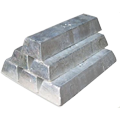
A Deep Dive into 5000-Series Aluminum Ingots: Strength, Weldability, and Uses

Table of Contents Introduction The 5000-series aluminum alloys hold a prominent place in modern manufacturing thanks to their balanced properties. These alloys, primarily alloyed with magnesium, offer excellent strength, weldability, and resistance to corrosion. In this article, we explore the properties of 5000-series aluminum ingots, typical applications, and best practices ... Read More
Remote Monitoring: Modern Tech for Assessing Aluminum Conductor Health

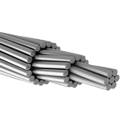
Remote Monitoring: Modern Tech for Assessing Aluminum Conductor Health

Table of Contents Introduction The energy sector has long depended on regular inspections to ensure that aluminum conductors in overhead power lines remain safe and functional. Traditionally, these inspections required manual checks that were time-consuming and sometimes risky. Modern technology has revolutionized this process, introducing remote monitoring techniques that bring ... Read More

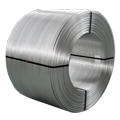
Wire Rod Diameter Innovations: Balancing Weight and Conductivity

Table of Contents Introduction The world of wire rod manufacturing has seen significant innovation over the years. Engineers and manufacturers constantly seek new ways to improve efficiency, reduce costs, and balance conflicting demands. One critical area of development lies in choosing the right diameter for wire rods. The diameter influences ... Read More
Aluminium 6061 vs. 7075: A Comprehensive Comparison

Aluminium 6061 vs. 7075: A Comprehensive Comparison

Table of Contents Introduction Aluminium alloys play a pivotal role in modern industries due to their remarkable strength-to-weight ratios, resistance to corrosion, and versatility in applications. Two of the most popular alloys in use today are Aluminium 6061-T6 and Aluminium 7075-T6. Both alloys have found their niche in different sectors ... Read More
Cross-Border Conductor Projects: Overcoming Regulatory Hurdles for Aluminum Exports

Cross-Border Conductor Projects: Overcoming Regulatory Hurdles for Aluminum Exports

Table of Contents Introduction Cross-border conductor projects require navigating a complex landscape of regulations, documentation, and logistics. For aluminum exporters, understanding and complying with these regulatory requirements is crucial to ensuring a smooth shipment of aluminum ingots and rods internationally. The process involves extensive planning, attention to detail, and the ... Read More
Lightning-Strike Performance: How Aluminum Conductors Handle Extreme Events

Lightning-Strike Performance: How Aluminum Conductors Handle Extreme Events

Table of Contents Introduction Lightning strikes are among nature’s most powerful and unpredictable phenomena. They deliver immense electrical energy in a split second, posing significant challenges to electrical infrastructure across the globe. Aluminum conductors, which are widely used in power transmission and distribution systems, are engineered to withstand such extreme ... Read More
Steel vs. Aluminum Core: Is ACSS a Better Choice than ACSR?

Steel vs. Aluminum Core: Is ACSS a Better Choice than ACSR?

Table of Contents 1. Introduction The debate between ACSS (Aluminum Conductor Steel-Supported) and ACSR (Aluminum Conductor Steel-Reinforced) has been ongoing among engineers and utility companies. In high-temperature operations, the choice between these two conductors becomes critical. While both ACSS and ACSR have their merits, the evidence points to ACSR as ... Read More
Mechanical Testing for AAAC: Pushing Alloy Limits to the Max

Mechanical Testing for AAAC: Pushing Alloy Limits to the Max

Table of Contents 1. Introduction Overhead power lines face many challenges. They must carry heavy electrical loads, survive harsh weather, and maintain safety standards. An ideal material for these lines is AAAC—All Aluminium Alloy Conductor. AAAC stands out due to its excellent strength, corrosion resistance, and conductivity. Yet, claims about ... Read More