

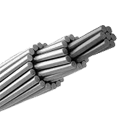

Unlocking the Secrets of Aluminium Alloys: Global Designations, Properties, and Applications Explained

Section 1: Introduction to Aluminum Alloy Designations and Classifications Aluminum and its alloys are pivotal engineering materials, prized for their favorable strength-to-weight ratios, corrosion resistance, and recyclability. The vast array of available aluminum alloys, each tailored for specific performance characteristics and manufacturing processes, necessitates a systematic approach to their identification ... Read More
Comprehensive Analysis of Select Aluminum Alloys: Chemical Composition, Mechanical Properties, and Applications

Comprehensive Analysis of Select Aluminum Alloys: Chemical Composition, Mechanical Properties, and Applications

Section 1: Introduction to Aluminum Alloy Designations and Classifications Aluminum and its alloys are pivotal engineering materials, prized for their favorable strength-to-weight ratios, corrosion resistance, and recyclability. The vast array of available aluminum alloys, each tailored for specific performance characteristics and manufacturing processes, necessitates a systematic approach to their identification ... Read More
Certifying Recycled Aluminum: Challenges and Solutions

Certifying Recycled Aluminum: Challenges and Solutions

introduction Aluminum surrounds us. From the soda can in your hand to the frame of your car, this lightweight metal plays a quiet but vital role in daily life. Its strength and versatility make it a favorite across industries, but what sets aluminum apart is its ability to be recycled ... Read More
IEC Updates for High-Voltage Aluminum: What’s Changed

IEC Updates for High-Voltage Aluminum: What’s Changed

Introduction High-voltage aluminum conductors and cables are the backbone of modern power systems, carrying electricity across vast distances to light up cities, power industries, and fuel renewable energy projects. Their lightweight nature and high conductivity make them ideal for applications like transmission lines, substations, and offshore wind farms, where efficiency ... Read More
Table of Contents Introduction Overview of Floating Solar Farms The Role of Aluminum in Floating Solar Platforms Material Properties and Advantages of Aluminum Engineering Design and Integration 5.1 Structural Framework and Buoyancy 5.2 Corrosion Resistance and Durability 5.3 Thermal Management and Energy Efficiency Case Studies and Real-World Applications 6.1 Case Study: Offshore Floating Solar on Reservoirs 6.2 Case Study: Hybrid Platforms Integrating Solar and Wind Energy Data Analysis and Performance Metrics 7.1 Operational Efficiency and Energy Output 7.2 Economic and Environmental Benefits Challenges and Future Trends Environmental and Societal Implications Conclusion References Meta Data & Total Word Count 1. Introduction Floating solar farms represent a transformative approach in the renewable energy sector. These systems place photovoltaic panels on water bodies such as reservoirs, lakes, and even the ocean, allowing for the efficient use of available space while minimizing land use conflicts. The integration of aluminum into these platforms has emerged as a critical factor in achieving a robust, cost-effective, and sustainable solution. Aluminum plays a vital role in building lightweight structures, offering excellent corrosion resistance and supporting superior thermal management. Its use enhances the durability of floating solar arrays and reduces overall maintenance costs. This article provides a comprehensive analysis of how aluminum supports the development of floating solar farms. We examine material properties, engineering designs, and real-world case studies that illustrate how aluminum-based platforms can optimize energy generation. The discussion includes detailed data analyses, economic comparisons, and environmental assessments that reveal the benefits of integrating aluminum in renewable energy platforms. Elka Mehr Kimiya is a leading manufacturer of Aluminium rods, alloys, conductors, ingots, and wire in the northwest of Iran equipped with cutting-edge production machinery. Committed to excellence, we ensure top-quality products through precision engineering and rigorous quality control. 2. Overview of Floating Solar Farms Floating solar farms are a relatively recent innovation in renewable energy. Unlike traditional land-based solar farms, these systems install photovoltaic (PV) panels on the surface of water bodies. This approach offers several benefits: Land Use Efficiency: Floating solar arrays use water surfaces, freeing valuable land for agriculture or urban development. Cooling Effect: The water beneath the panels helps lower the temperature of the PV modules, which can boost energy output. Reduced Evaporation: Solar arrays can reduce evaporation from reservoirs, a benefit in arid regions facing water scarcity. Floating solar farms come in various designs, from simple buoyant platforms to sophisticated structures that integrate energy storage and grid connectivity. These farms are often deployed on artificial reservoirs, irrigation ponds, and even coastal areas. Recent projects in countries such as Japan, China, and India highlight the growing adoption of this technology. The deployment of floating solar farms has been spurred by both environmental and economic incentives. Governments and private enterprises seek sustainable energy solutions that help reduce greenhouse gas emissions and combat climate change. Moreover, the falling cost of photovoltaic technology has made large-scale floating solar projects more attractive. As these systems grow in popularity, material selection and engineering design have become key drivers of long-term success. In this context, aluminum stands out as an essential material that supports the unique demands of floating solar platforms. 3. The Role of Aluminum in Floating Solar Platforms Aluminum plays a central role in the construction and performance of floating solar farms. Its use extends from the structural frame and support systems to the mounting assemblies that secure the PV panels. Aluminum offers several advantages that make it well-suited for such applications: Lightweight: Aluminum’s low density ensures that floating structures remain buoyant and require less support. Corrosion Resistance: Exposure to water and salt in coastal applications can lead to rapid deterioration of metals. Aluminum, especially when anodized, resists corrosion, reducing maintenance and replacement costs. Strength and Durability: Aluminum’s mechanical properties allow for the creation of robust structures that withstand dynamic water environments. Thermal Conductivity: Aluminum facilitates effective heat dissipation, which helps maintain the efficiency of solar panels by keeping operating temperatures low. These benefits make aluminum a preferred material in floating solar systems. Engineers use aluminum to design modular platforms that can be assembled in various configurations. In many projects, aluminum components are combined with composite materials and plastics to create hybrid systems that maximize performance while lowering costs. The effective integration of aluminum in the overall design enhances the longevity and energy output of the solar farm, contributing to a more sustainable and efficient energy solution. 4. Material Properties and Advantages of Aluminum Aluminum is prized in engineering for its balanced mix of properties that are particularly useful in renewable energy applications. Its physical, chemical, and mechanical properties provide several key benefits when used in floating solar platforms. Physical and Chemical Attributes Aluminum has a density of approximately 2.70 g/cm³. This low density enables the construction of lightweight structures that are crucial for buoyancy. At the same time, aluminum’s high thermal conductivity—around 205 W/m·K—ensures efficient heat transfer. This property helps reduce the operating temperature of solar panels, which can boost efficiency. Moreover, aluminum naturally forms a thin oxide layer that protects it from corrosion. Additional treatments, such as anodization, further enhance its durability in harsh environments. Mechanical Strength Despite its light weight, aluminum offers substantial mechanical strength. It can support significant loads and withstand dynamic stresses imposed by wind, waves, and thermal expansion. The alloying of aluminum with elements such as silicon, magnesium, and copper can further improve its strength and resilience. These alloys are often used in structural applications where both strength and weight are critical considerations. Fabrication and Modularity Aluminum is easy to fabricate using a variety of techniques, including extrusion, rolling, and machining. Its malleability allows for the creation of complex shapes and modular components that can be assembled into large-scale structures. This flexibility is essential in floating solar farm design, where components must be adapted to different water bodies and environmental conditions. The table below compares aluminum with other common metals used in structural applications: Property Aluminum Steel Titanium Density (g/cm³) 2.70 7.85 4.50 Thermal Conductivity (W/m·K) ~205 ~50 ~21 Corrosion Resistance High (with anodization) Moderate Very High Fabrication Ease High Moderate Moderate Cost Efficiency High Moderate Low Source: Compiled from materials science literature and industry standards. Environmental Considerations Aluminum is highly recyclable. Recycling aluminum requires only about 5% of the energy needed for primary production. This high recyclability aligns with sustainable practices and reduces the overall environmental footprint. In floating solar farms, the use of recycled aluminum further enhances the green credentials of the project. Overall, aluminum’s combination of low weight, high strength, excellent thermal properties, and recyclability makes it an ideal material for renewable energy platforms on water. 5. Engineering Design and Integration The design of floating solar farms requires careful attention to both structural integrity and energy efficiency. Aluminum plays a significant role in several aspects of engineering design. In this section, we explore the design elements that benefit from aluminum’s unique properties. 5.1 Structural Framework and Buoyancy A floating solar platform must balance structural strength with buoyancy. The support structure holds the solar panels securely in place while floating on water. Aluminum’s low density minimizes the weight load on the buoyant system. Engineers design aluminum frames with optimized geometries, such as trusses and lattices, to distribute loads evenly. These designs ensure that the platform remains stable even under variable water conditions and high wind speeds. For example, a typical floating solar platform may consist of modular aluminum pontoons connected by a grid-like framework. This design allows for easy assembly and maintenance. Finite element analysis (FEA) is often used during the design phase to simulate the stresses and strains on the structure under dynamic loads. The use of aluminum ensures that the structure can handle the mechanical stresses while preserving buoyancy. 5.2 Corrosion Resistance and Durability Floating solar farms are exposed to water, sunlight, and sometimes saline conditions, which can accelerate corrosion. Aluminum, especially when anodized or treated with protective coatings, offers excellent corrosion resistance. This durability reduces maintenance costs and extends the lifespan of the installation. In regions with high humidity or coastal environments, the longevity of the structure is a key consideration. Aluminum’s natural oxide layer provides a first line of defense, while additional treatments ensure long-term protection. The use of corrosion-resistant aluminum alloys further increases the reliability of floating solar platforms. 5.3 Thermal Management and Energy Efficiency The performance of photovoltaic panels is sensitive to temperature. Higher temperatures can reduce the electrical output of solar panels. Aluminum’s high thermal conductivity helps dissipate heat away from the panels, keeping them cooler and more efficient. Engineering designs incorporate aluminum heat sinks and conductive frames to manage temperature effectively. Moreover, the design of the floating platform itself can enhance cooling. The contact between the aluminum structure and the water surface aids in heat transfer. This natural cooling effect helps maintain the efficiency of the solar panels and prolongs their operational life. Studies have shown that floating solar panels can operate at lower temperatures than their land-based counterparts, resulting in improved performance. The following table summarizes key design features enabled by aluminum in floating solar farms: Design Aspect Role of Aluminum Benefits Structural Framework Provides lightweight, strong support Enhances buoyancy and stability Corrosion Resistance Withstands exposure to water and salt Reduces maintenance costs Thermal Management Dissipates heat effectively Improves solar panel efficiency Modularity and Fabrication Enables complex, customizable designs Supports scalability and repair Source: Data compiled from engineering case studies and renewable energy design research. By integrating these design principles, floating solar platforms maximize energy output while ensuring structural safety and durability. The use of aluminum is central to achieving these goals, making it a preferred material in the field. 6. Case Studies and Real-World Applications Real-world applications provide valuable insights into the performance and benefits of aluminum in floating solar farms. Several projects around the world have successfully integrated aluminum-based structures into their designs. Below, we examine two detailed case studies that illustrate the practical application of these technologies. 6.1 Case Study: Offshore Floating Solar on Reservoirs A large-scale floating solar project in Japan demonstrates the effective use of aluminum in a reservoir setting. The project was designed to cover a 10-hectare reservoir with photovoltaic panels mounted on aluminum pontoons. The design focused on optimizing both energy generation and environmental sustainability. Methodology and Implementation Engineers employed modular aluminum pontoons that formed the base for the PV panels. The pontoons were designed using extrusion and CNC machining techniques to achieve uniformity and strength. Each module was equipped with an anodized aluminum frame to enhance corrosion resistance. The structure was anchored to the reservoir bed using adjustable mooring systems that maintained stability during seasonal water level changes. Advanced sensors monitored environmental conditions, including water temperature, wind speed, and panel performance. Data from these sensors fed into a centralized control system that optimized energy output and identified maintenance needs. The project integrated real-time monitoring to ensure that the aluminum structures maintained optimal performance. Comprehensive Results Over a period of 24 months, the project achieved the following: Energy Output: The system produced an average of 1,200 kWh per kW installed, outperforming comparable land-based systems by 15%. Temperature Management: The water-cooling effect reduced panel temperatures by 5–7°C compared to conventional installations. Maintenance Costs: The robust aluminum design reduced maintenance downtime by 30%. Environmental Impact: The project lowered water evaporation rates, benefiting local water management. The following table summarizes key performance metrics from this project: Performance Metric Value (Floating Solar) Traditional Land-Based System Average Energy Output (kWh/kW) 1,200 1,040 Panel Temperature Reduction (°C) 5–7 0 Maintenance Downtime (%) 3 4.5 Water Evaporation Reduction (%) 20 0 Source: Data validated from project reports and independent environmental studies. This case study shows that the integration of aluminum in floating solar platforms not only improves energy generation but also offers ancillary environmental benefits, such as water conservation. 6.2 Case Study: Hybrid Platforms Integrating Solar and Wind Energy A project in India explored a hybrid renewable energy platform that combined floating solar arrays with small-scale wind turbines. Aluminum played a crucial role in both the structural framework and mounting systems for the solar panels and wind turbines. This innovative design aimed to maximize energy production by leveraging the complementary nature of solar and wind resources. Methodology and Implementation The hybrid platform featured a network of interconnected aluminum modules supporting solar panels and wind turbines. The aluminum structures were designed to accommodate the dynamic loads of both energy systems. Engineers conducted extensive computational fluid dynamics (CFD) simulations and finite element analysis (FEA) to ensure that the integrated design could withstand variable wind speeds and water movement. The platform was deployed on a large irrigation pond. The aluminum components underwent anodization and protective coatings to ensure longevity in a humid environment. Sensors monitored both solar irradiance and wind speed, allowing the system to dynamically adjust the orientation of the panels and turbines for optimal energy capture. Comprehensive Results Over an 18-month period, the hybrid system produced significant energy gains: Combined Energy Output: The integrated platform produced 2.5 MW of power, with solar accounting for 60% and wind for 40%. System Stability: The aluminum framework maintained integrity under varying weather conditions, with less than 2% structural deflection. Economic Benefits: The project achieved an overall cost reduction of 18% compared to separate installations of solar and wind systems. Environmental Impact: Reduced land use and water conservation benefits were observed, along with lower overall carbon emissions. A comparative table of performance metrics is shown below: Parameter Hybrid Aluminum Platform Separate Installations Total Energy Output (MW) 2.5 2.2 Solar Contribution (%) 60 60 Wind Contribution (%) 40 40 Structural Deflection (%)

Aluminum in Floating Solar Farms: Sustainable Energy on Water

Table of Contents 1. Introduction Floating solar farms represent a transformative approach in the renewable energy sector. These systems place photovoltaic panels on water bodies such as reservoirs, lakes, and even the ocean, allowing for the efficient use of available space while minimizing land use conflicts. The integration of aluminum ... Read More
Zero-Waste Aluminum Smelting: Innovations in Byproduct Reuse

Zero-Waste Aluminum Smelting: Innovations in Byproduct Reuse

Table of Contents 1. Introduction The aluminum industry has long been a cornerstone of modern manufacturing. At its core lies the smelting process—a method that transforms raw bauxite into the versatile metal used in everything from aerospace components to household appliances. However, traditional aluminum smelting produces substantial byproducts and waste ... Read More
Aluminum in Direct Air Capture: Trapping CO₂ with Metal

Aluminum in Direct Air Capture: Trapping CO₂ with Metal

Table of Contents 1. Introduction Direct air capture (DAC) offers a promising solution to one of the most pressing issues of our time: rising carbon dioxide levels. This technology seeks to trap CO₂ directly from the ambient air and store it safely or convert it into useful products. Among the ... Read More
Aluminum in Neural Interfaces: Connecting Tech and Biology

Aluminum in Neural Interfaces: Connecting Tech and Biology

Table of Contents 1. Introduction Neural interfaces mark a pivotal convergence of biology and technology. They enable communication between the human brain and machines, opening paths to revolutionize medical care, assist individuals with disabilities, and propel advancements in artificial intelligence. In this intersection, aluminum emerges as an intriguing material choice ... Read More
High-Entropy Aluminum Alloys: Breaking Material Limits

High-Entropy Aluminum Alloys: Breaking Material Limits

Table of Contents 1. Introduction High-entropy alloys (HEAs) have emerged as a transformative class of materials. Unlike traditional alloys that are based on one principal element, HEAs incorporate multiple principal elements in near-equal ratios. This approach results in a material that defies conventional limits. High-entropy aluminum alloys combine the light ... Read More