| 6061 Aluminum | A commonly used aluminum alloy known for its strength, weldability, and good corrosion resistance. |
| 7075 Aluminum | A high-strength aluminum alloy commonly used in aerospace applications. |
| Abrasive Blasting | A surface finishing process using abrasive materials to clean or finish a surface. |
| Aging | The process of heating aluminum to increase its strength by altering its microstructure. |
| Alloy | A mixture of metals, in which aluminum is combined with other elements to enhance properties. |
| Anodizing | An electrochemical process that thickens the natural oxide layer on the surface of aluminum for protection and appearance. |
| Bauxite | The primary ore from which aluminum is extracted. |
| Billet | A semi-finished product, usually cylindrical, used as raw material for extrusion. |
| Bloom | A semi-finished product that is used in the production of rolled aluminum products. |
| Brazing | A joining process where a filler metal is melted and distributed between close-fitting parts. |
| Bright Dipping | A chemical polishing process to produce a bright, reflective finish on aluminum. |
| Casting | The process of pouring liquid metal into a mold to create a specific shape. |
| Cladding | Applying a layer of aluminum to a surface for protection or aesthetic purposes. |
| Coating | Applying a protective or decorative layer to the surface of aluminum. |
| Cold Rolling | A metalworking process where aluminum is passed through rollers at room temperature to reduce thickness. |
| Corrosion Resistance | The ability of aluminum to resist oxidation and degradation in various environments. |
| Deoxidizing | The process of removing oxygen from aluminum to improve its properties. |
| Die Casting | A manufacturing process where molten aluminum is forced into a mold under high pressure. |
| Dross | A byproduct of aluminum smelting, consisting of impurities removed from the molten metal. |
| Electroplating | The process of using an electric current to deposit a layer of metal onto a surface. |
| Extrusion | The process of shaping aluminum by forcing it through a die to create long, continuous shapes. |
| Fabrication | The process of cutting, shaping, and assembling aluminum into products. |
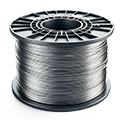
| Filler Rod | A metal rod used as a filler material in welding aluminum. |
| Fin Stock | Aluminum sheet or foil used in the production of heat exchangers and other thermal applications. |
| Forging | A manufacturing process where aluminum is shaped by compressive forces. |
| Furnace | A device used to melt or heat aluminum during manufacturing processes. |
| Galvanic Corrosion | Corrosion that occurs when aluminum is in electrical contact with a different metal in the presence of an electrolyte. |
| Grain Structure | The arrangement of crystals within aluminum, affecting its mechanical properties. |
| Heat Treatment | The process of heating and cooling aluminum to alter its physical and mechanical properties. |
| Hydroforming | A forming process using a pressurized fluid to shape aluminum. |
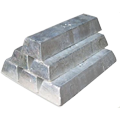
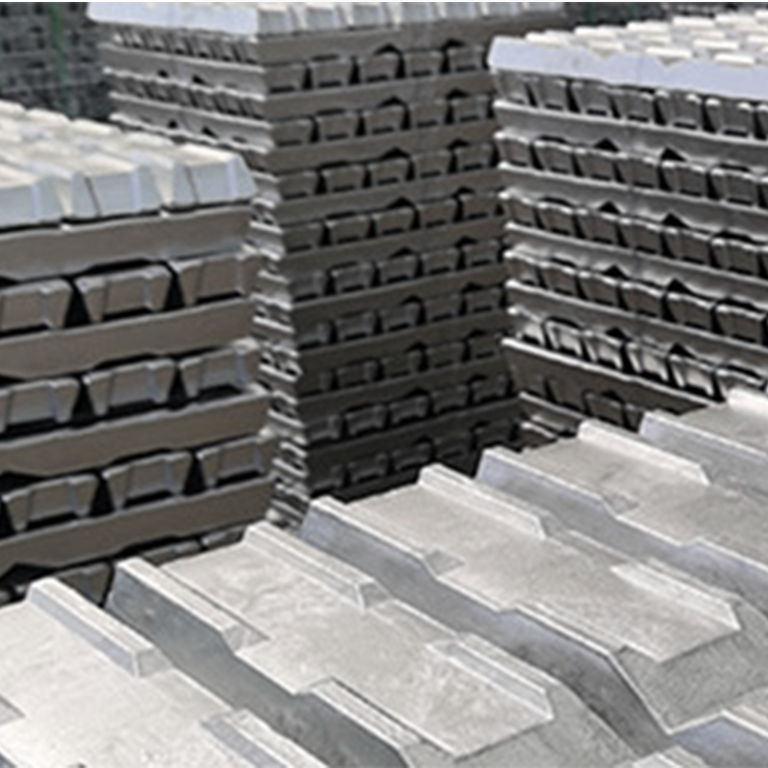
| Ingots | Large blocks of aluminum cast into shapes suitable for further processing. |
| Intermetallic Compounds | Compounds formed between aluminum and other metals, affecting material properties. |
| Isotropic | Having uniform properties in all directions, often desirable in aluminum products. |
| Jominy End-Quench Test | A test to measure the hardenability of aluminum alloys. |
| Killed Aluminum | Aluminum treated with deoxidizers to remove oxygen during melting. |
| Laminating | Bonding layers of aluminum together to create a composite material. |
| Laser Cutting | A process using a laser to cut aluminum with high precision. |
| Machining | The process of removing material from aluminum to create a desired shape or finish. |
| Microstructure | The structure of aluminum observed under a microscope, influencing its properties. |
| Mill Finish | The surface finish of aluminum as it comes from the rolling mill. |
| Modulus of Elasticity | A measure of aluminum’s ability to deform elastically when a force is applied. |
| Nodular Iron | An iron alloy containing nodules of graphite, sometimes used as a comparison in aluminum casting. |
| Oxide Layer | A natural or artificial layer of aluminum oxide that forms on the surface, providing corrosion resistance. |
| Passivation | A process that increases the corrosion resistance of aluminum by forming a stable oxide layer. |
| Pearlite | A microstructure in some aluminum alloys, consisting of alternating layers of different phases. |
| Precipitation Hardening | A heat treatment process that increases the strength of aluminum alloys by forming small particles within the metal. |
| Quenching | Rapid cooling of aluminum to lock in certain properties achieved through heat treatment. |
| Recycling | The process of reclaiming and reprocessing aluminum scrap into new products. |
| Roll Forming | A continuous bending operation where aluminum is shaped into a desired cross-section. |
| Sand Casting | A process where molten aluminum is poured into a sand mold to create a part. |
| Seamless Tubing | Aluminum tubing made without a welded seam, often produced by extrusion. |
| Shot Peening | A process that improves the fatigue strength of aluminum by bombarding it with small spherical media. |
| Sintering | A process of compacting and forming aluminum powder into a solid mass by heat and/or pressure without melting. |
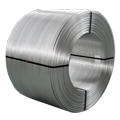
| Slitting | The process of cutting a wide aluminum coil into narrower strips. |
| Solution Heat Treatment | A heat treatment process where aluminum is heated to a specific temperature to dissolve alloying elements into a solid solution. |
| Spray Forming | A process where molten aluminum is sprayed onto a substrate to form a shape. |
| Stamping | A process where aluminum is cut and shaped using a press and die. |
| Strain Hardening | The process of increasing aluminum’s strength through plastic deformation. |
| Superplastic Forming | A process that allows aluminum to be formed into complex shapes at high temperatures. |
| Surface Finish | The texture or smoothness of the aluminum surface after processing. |
| Tensile Strength | The maximum stress aluminum can withstand while being stretched or pulled before breaking. |
| Thermal Conductivity | The ability of aluminum to conduct heat. |
| Thixoforming | A semi-solid metal forming process used for aluminum alloys. |
| TIG Welding | A welding process using a tungsten electrode to weld aluminum. |
| Tolerances | The permissible limits of variation in the dimensions of aluminum parts. |
| Tooling | The equipment used to shape or form aluminum. |
| Tube Drawing | A process to reduce the diameter and increase the length of aluminum tubing by pulling it through a die. |
| Vacuum Casting | A process where molten aluminum is drawn into a mold under vacuum pressure. |
| Vickers Hardness Test | A test to measure the hardness of aluminum by pressing a diamond indenter into the material. |
| Void | A small hole or cavity in aluminum, usually formed during casting or forming processes. |
| Welding | The process of joining two pieces of aluminum by melting and fusing them together. |
| Work Hardening | The strengthening of aluminum through plastic deformation. |
| Wrought Aluminum | Aluminum that has been mechanically processed by rolling, extruding, or forging. |
| Yield Strength | The stress at which aluminum begins to deform plastically. |
| Zinc Casting | The process of casting aluminum using zinc as a mold material. |
| Abrasion Resistance | The ability of aluminum to resist wear from friction. |
| Alloying Element | A metal added to aluminum to improve its properties. |
| Annealing | A heat treatment process to soften aluminum and improve its ductility. |
| ASTM Standards | Technical standards developed by ASTM International for aluminum and other materials. |
| Backing Material | A material used to support aluminum during welding or forming processes. |
| Beam | A structural element made from aluminum, typically used in construction. |
| Bonding | The process of joining aluminum parts together using adhesives or other methods. |
| Buffing | A polishing process to achieve a smooth, shiny finish on aluminum. |
| Cathodic Protection | A method to prevent corrosion of aluminum by making it the cathode of an electrochemical cell. |
| Chamfering | The process of creating a beveled edge on aluminum parts. |
| Chemical Milling | A process to remove material from aluminum using chemical solutions. |
| CNC Machining | The use of computer-controlled machines to precisely cut and shape aluminum. |
| Composite Material | A material made from aluminum combined with other materials to enhance properties. |
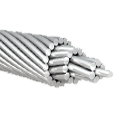
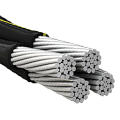
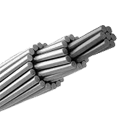
| Conductor | A material, such as aluminum, that allows the flow of electrical current. |
| Continuous Casting | A process where aluminum is continuously cast into a long strand, which is then cut to length. |
| Corner Radii | The rounded edges on aluminum parts, often specified in design. |
| Corrosion Fatigue | The weakening of aluminum due to the combined effects of corrosion and cyclic loading. |
| Crack Propagation | The growth of cracks in aluminum under stress. |
| Die | A tool used in the extrusion or forming of aluminum to create specific shapes. |
| Die Lubrication | The use of lubricants to reduce friction during the extrusion of aluminum. |
| Dimensional Stability | The ability of aluminum to maintain its dimensions under various conditions. |
| Ductility | The ability of aluminum to be stretched or deformed without breaking. |
| E-Coating | An electrocoating process to apply a protective layer to aluminum. |
| Elastic Limit | The maximum stress that aluminum can withstand without permanent deformation. |
| Electromagnetic Forming | A forming process using magnetic fields to shape aluminum. |
| Environmental Stress Cracking | Cracking of aluminum due to environmental conditions and stress. |
| Eutectic Composition | The specific mixture of elements in aluminum alloys that solidifies at a single temperature. |
| Fatigue Limit | The maximum stress aluminum can withstand for an infinite number of cycles without failing. |
| Formability | The ease with which aluminum can be formed into desired shapes. |
| Friction Stir Welding | A welding process that uses frictional heat to join aluminum without melting it. |
| Grain Refinement | The process of refining the grain structure of aluminum to improve its mechanical properties. |
| Hardcoat Anodizing | An anodizing process that produces a thicker, harder oxide layer on aluminum. |
| Heat Sink | A device made from aluminum that dissipates heat from electronic components. |
| Homogenization | A heat treatment process to make the composition of aluminum uniform throughout. |
| Hot Rolling | A process where aluminum is rolled at high temperatures to reduce thickness. |
| Impact Extrusion | A forming process where aluminum is shaped by high-speed impact. |
| Investment Casting | A precision casting process for making complex aluminum parts. |
| Laser Welding | A welding process that uses a laser beam to join aluminum parts. |
| Mechanical Properties | The properties of aluminum that determine its behavior under mechanical loads. |
| Metal Matrix Composite | A composite material made from aluminum and reinforcing phases such as ceramics. |
| MIG Welding | A welding process using a consumable wire electrode to weld aluminum. |
| Modulus of Rigidity | A measure of aluminum’s resistance to shear deformation. |
| Nominal Size | The standard size of aluminum parts, often used for reference in design. |
| Optical Emission Spectroscopy | A technique to analyze the elemental composition of aluminum. |
| Plasticity | The ability of aluminum to undergo permanent deformation without breaking. |
| Powder Coating | A finishing process where powdered paint is applied to aluminum and then cured. |
| Radiographic Testing | A non-destructive testing method using X-rays to inspect aluminum parts. |
| Recrystallization | A process where new grains form in aluminum, often after deformation and heat treatment. |
| Residual Stress | Stress remaining in aluminum after manufacturing processes. |
| Riveting | A method of joining aluminum parts using rivets. |
| Roll Bonding | A process where aluminum sheets are bonded together by rolling. |
| Sealing | The process of applying a sealant to protect aluminum surfaces. |
| Shearing | A cutting process where aluminum is cut along a straight line. |
| Solutionizing | A heat treatment process to dissolve alloying elements in aluminum. |
| Spark Test | A test to identify aluminum alloys based on the color and shape of sparks produced when grinding. |
| Spray Painting | A process of applying paint to aluminum using a spray gun. |
| Stretcher Leveling | A process to flatten and straighten aluminum sheets by stretching. |
| Substrate | The base material, often aluminum, onto which other materials are applied. |
| Tensile Test | A test to determine the tensile strength and ductility of aluminum. |
| Thermomechanical Processing | A combination of thermal and mechanical treatments to improve aluminum properties. |
| Trace Elements | Minor elements present in aluminum alloys that can affect properties. |
| Triple Milled | Aluminum that has been passed through rolling mills three times for improved properties. |
| Ultrasonic Inspection | A non-destructive testing method using ultrasonic waves to inspect aluminum. |
| Underaging | Heat treatment where the aging process is intentionally stopped before maximum hardness is reached. |
| Water Jet Cutting | A process that uses a high-pressure jet of water to cut aluminum. |
| Waviness | A surface irregularity in aluminum, often measured in micrometers. |
| Yield Point | The stress at which aluminum begins to deform plastically. |
| Zone Refining | A process to purify aluminum by moving a molten zone through a solid metal. |
| Anode | The positively charged electrode in electrochemical processes involving aluminum. |
| Bend Radius | The radius of the bend in aluminum, often specified to avoid cracking. |
| Billet Casting | The process of casting aluminum into billets for further processing. |
| Bridging | The formation of a solid connection between two points in aluminum casting. |
| Burnishing | A finishing process to smooth and polish aluminum surfaces. |
| Cathode | The negatively charged electrode in electrochemical processes involving aluminum. |
| Chill | A metal insert used in aluminum casting to promote rapid cooling and solidification. |
| Deburring | The process of removing burrs or sharp edges from aluminum parts. |
| Deformation | The change in shape or size of aluminum under applied forces. |
| Electrolytic Refining | A process to purify aluminum by electrolysis. |
| Embossing | A forming process to create raised or recessed designs on aluminum surfaces. |
| Fatigue Strength | The strength of aluminum when subjected to cyclic loading. |
| Galvanizing | Coating aluminum with a layer of zinc to prevent corrosion. |
| Hardness | The resistance of aluminum to indentation or scratching. |
| Ingot Casting | The process of casting aluminum into ingots for storage or further processing. |
| Isostatic Pressing | A process to compact aluminum powder into a solid shape using equal pressure from all directions. |
| Knot | A localized imperfection in aluminum, often occurring during casting. |
| Liquidus | The temperature at which aluminum begins to melt. |
| Metallography | The study of the microstructure of aluminum using microscopy. |
| Nodulizer | An additive used in aluminum casting to promote the formation of nodular graphite. |
| Oxidation | The chemical reaction of aluminum with oxygen, forming an oxide layer. |
| Preheat | Heating aluminum before further processing to improve its properties. |
| Quench Cracking | Cracking that occurs in aluminum due to rapid cooling. |
| Recrystallization Temperature | The temperature at which new grains form in deformed aluminum. |
| Rolling Mill | A machine used to roll aluminum into sheets or other shapes. |
| Scale | Oxide layer formed on the surface of aluminum during heating. |
| Shell Mold Casting | A casting process using a thin shell mold made from a mixture of sand and resin. |
| Spheroidizing | A heat treatment process to form spherical particles in aluminum. |
| Strain | Deformation of aluminum under stress. |
| Tensile Elongation | The amount of stretch or elongation aluminum undergoes before breaking. |
| Tooling Wear | The wear and tear on tools used to process aluminum. |
| Tumble Polishing | A finishing process where aluminum parts are polished by tumbling with abrasives. |
| Ultimate Strength | The maximum stress aluminum can withstand before breaking. |
| Vapor Deposition | A process to deposit thin films of material, including aluminum, onto surfaces. |
| Weld Bead | The deposited material in a weld joint. |
| Yielding | The onset of plastic deformation in aluminum. |



No comment