



Introduction
Aluminum, the third most abundant element in the Earth’s crust, is vital across various industries due to its unique properties. Among the different grades of aluminum, the Electrical Conductivity (EC) Grade stands out for its exceptional electrical conductivity. This article aims to provide an in-depth understanding of Aluminum EC Grade, its properties, applications, production processes, and future prospects. All information has been validated from reputable sources to ensure accuracy and reliability.
Understanding Aluminum EC Grade
Definition and Characteristics
Aluminum EC Grade is a specific grade of aluminum known for its high electrical conductivity, making it a critical material in the electrical and electronics industries. Key characteristics include:
- High Electrical Conductivity: Typically, EC grade aluminum has a minimum conductivity of 61.5% International Annealed Copper Standard (IACS) at 20°C, making it ideal for electrical applications.
- Purity: EC grade aluminum usually has a purity of 99.5% or higher. This high purity is essential for maintaining its conductivity and other desirable properties.
- Corrosion Resistance: Like other grades of aluminum, EC grade aluminum is resistant to corrosion, enhancing its durability and lifespan in various applications.
- Ductility: High ductility allows it to be drawn into wires and other shapes without breaking.
Composition
The composition of Aluminum EC Grade primarily includes aluminum (Al) with very low levels of impurities. According to standards set by organizations like the Aluminum Association and ASTM, the composition typically includes:
- Aluminum (Al): 99.5% minimum
- Copper (Cu): 0.05% maximum
- Iron (Fe): 0.4% maximum
- Silicon (Si): 0.2% maximum
- Other impurities: Trace amounts, typically less than 0.1%
The high purity of aluminum is crucial for achieving the desired electrical conductivity and mechanical properties.
Production Processes
Extraction of Aluminum
The production of Aluminum EC Grade begins with the extraction of aluminum from bauxite ore. The primary process for extracting aluminum is the Bayer Process, followed by the Hall-Héroult process for refining.
Bayer Process
The Bayer Process involves the following steps:
- Crushing and Grinding: Bauxite ore is crushed and ground into a fine powder.
- Digestion: The powdered bauxite is mixed with a hot solution of sodium hydroxide, which dissolves the alumina (aluminum oxide) present in the ore.
- Clarification: The mixture is allowed to settle, separating the clear sodium aluminate solution from the undissolved bauxite residues.
- Precipitation: Aluminum hydroxide is precipitated from the sodium aluminate solution by cooling and seeding with aluminum hydroxide crystals.
- Calcination: The aluminum hydroxide is heated in rotary kilns or fluidized bed calciners to remove water, resulting in pure alumina (Al₂O₃).
Hall-Héroult Process
The Hall-Héroult Process involves electrolytic reduction of alumina to produce aluminum metal:
- Electrolysis: Alumina is dissolved in molten cryolite (Na₃AlF₆) in an electrolytic cell. A direct current is passed through the cell, causing aluminum ions to migrate to the cathode and form aluminum metal.
- Collection: Molten aluminum is collected at the bottom of the electrolytic cell and periodically siphoned off.
- Purification: The collected aluminum is further refined to achieve the high purity levels required for EC grade aluminum.
Refining and Alloying
After primary extraction, aluminum may undergo further refining processes to achieve the high purity required for EC grade. This can include fractional crystallization, zone refining, or other advanced purification techniques.
Fabrication and Forming
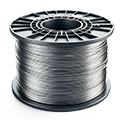
The refined aluminum is then fabricated into various forms, such as wires, rods, and sheets, through processes like casting, rolling, and extrusion. These processes enhance the material’s properties, including its electrical conductivity and mechanical strength.
Applications of Aluminum EC Grade
Aluminum EC Grade’s high electrical conductivity makes it indispensable in several critical applications across various industries.
Electrical and Electronics Industry
Power Transmission Lines
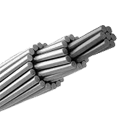
One of the most significant uses of Aluminum EC Grade is in power transmission lines. Its high conductivity, coupled with its light weight, makes it ideal for overhead power lines. Aluminum conductors are often used in combination with steel (ACSR – Aluminum Conductor Steel Reinforced) to provide the necessary strength and conductivity.
Electrical Wiring
EC grade aluminum is also used extensively in electrical wiring, particularly in residential and commercial buildings. It provides a cost-effective alternative to copper while maintaining excellent conductivity.
Transformer Windings
Aluminum EC Grade is used in the windings of transformers, where its high conductivity helps in efficient energy transfer. The lightweight nature of aluminum also reduces the overall weight of the transformers.
Automotive Industry
Battery Cables
In electric vehicles (EVs), aluminum EC grade is used for battery cables due to its conductivity and light weight. This helps in improving the overall efficiency and range of EVs.
Electrical Systems
Aluminum EC Grade is used in various electrical systems within vehicles, including wiring harnesses, connectors, and other electrical components.
Aerospace Industry
In the aerospace industry, the combination of light weight and high conductivity makes Aluminum EC Grade an essential material for various applications, including wiring and electrical components in aircraft.
Renewable Energy Sector
Solar Panels
Aluminum EC Grade is used in the frames and electrical connections of solar panels, contributing to efficient energy conversion and durability.
Wind Turbines
The electrical components of wind turbines also utilize Aluminum EC Grade for its excellent conductivity and resistance to corrosion, ensuring reliable performance in harsh environments.
The Aluminum Rod EC 9.5 mm
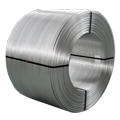
The Aluminum Rod EC 9.5, with a diameter of 9.5 mm, is a notable product in the EC grade category, manufactured through continuously cast and rolled processes from aluminum ingots containing a minimum aluminum purity of 99.8%. Known for its conductivity, durability, and versatility, this product is essential in the electrical sector. A leading manufacturer, Elka Mehr Kimiya, is recognized for producing this rod with the highest quality and competitive pricing.
Composition
The EC aluminum rod, with a diameter of 9.5 mm, is precisely made from EC-grade aluminum with a minimum aluminum content of 99.8%, ensuring high conductivity and durability crucial for maintaining reliable electrical connections and performance.
Applications
The 9.5 mm EC aluminum rod is widely used in the electrical industry for power transmission and distribution. It serves as a vital component in the construction of overhead conductors, cables, and wires, enabling efficient electrical connections.
Usage in Transmission Lines
- All Aluminum Conductors (AAC): Utilized in manufacturing AAC for overhead power transmission lines due to their lightweight construction and good conductivity.
- Aluminum Conductor Steel Reinforced (ACSR): Incorporated into ACSR conductors for high-tension transmission lines, combining the strength of steel with the conductivity of aluminum, suitable for voltages up to 800 KV.
- HT Aluminum Cables: Employed in producing high-tension aluminum cables supporting voltages of up to 400 KV.
Features
- The rod boasts precise dimensions and a smooth surface, facilitating easy handling and installation.
- It exhibits exceptional electrical conductivity, ensuring efficient power transmission and minimizing energy losses.
- Resistant to corrosion, it’s suitable for both indoor and outdoor applications, even in harsh environments.
Advantages
- Lightweight nature reduces transportation costs and eases installation.
- High conductivity minimizes energy losses during transmission, thereby increasing overall efficiency.
- Possesses high durability and corrosion resistance, resulting in an extended lifespan and reduced repair costs.
Surface Quality
The rod’s surface must be uniform, evenly distributed, and clean, free from any defects, cracks, twisting, or other imperfections that may impact its performance. Small spots resulting from mechanical wear, holes, or casting edges are acceptable.
Material Composition
The pure EC aluminum rod contains a minimum of 99.8% aluminum, with the remaining 0.2% consisting of other elements.
Specifications
Available in various grades, each offering different ranges of tensile strength and electrical resistance. Production grades include EC (O)H11, H12, H13, and H14.
Standards and Specifications
Various standards and specifications govern the production and application of Aluminum EC Grade to ensure consistent quality and performance.
International Standards
- ASTM B233: Standard Specification for Aluminum 1350-H19 Wire for Electrical Purposes.
- EN 573-3: European standard specifying the chemical composition and form of wrought aluminum and aluminum alloys.
National Standards
- Aluminum Association: Provides standards for the composition, mechanical properties, and other characteristics of aluminum alloys.
- JIS H4040: Japanese Industrial Standard for aluminum and aluminum alloy wire for electrical purposes.
Adherence to these standards ensures that the Aluminum EC Grade produced meets the necessary criteria for high performance in electrical applications.
Future Prospects and Innovations
Technological Advancements
Continuous research and development in the field of materials science are leading to improvements in the properties and applications of Aluminum EC Grade. Innovations such as nanotechnology and advanced refining techniques are enhancing the conductivity, strength, and other characteristics of aluminum.
Sustainability and Recycling
As the demand for sustainable materials grows, the recycling of aluminum is becoming increasingly important. Aluminum EC Grade, being highly recyclable, contributes to reducing the environmental impact of its production and use.
Emerging Applications
The ongoing advancements in electric vehicles, renewable energy, and other high-tech industries are driving new applications for Aluminum EC Grade. Its role in emerging technologies is expected to expand, further solidifying its importance in the future.
Conclusion
Aluminum EC Grade is a critical material in the modern world, thanks to its high electrical conductivity, light weight, and corrosion resistance. Its applications span across multiple industries, including electrical and electronics, automotive, aerospace, and renewable energy. The production processes, standards, and future prospects of Aluminum EC Grade highlight its significance and the ongoing advancements in this field. By adhering to strict standards and continuously innovating, the industry ensures that Aluminum EC Grade remains a key material for future technological advancements.
Elka Mehr Kimiya’s contribution to the industry, particularly with their high-quality and low cost Aluminum Rod EC 9.5 mm, exemplifies the excellence and competitiveness required in today’s market.


No comment