

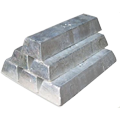


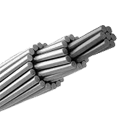


Aluminum is a cornerstone material in modern industrial manufacturing, renowned for its versatility, strength, lightweight, and corrosion resistance. Aluminum ingots, the primary form in which this metal is traded and processed, serve as the foundation for a myriad of products that drive the global economy. This comprehensive article delves into the role of aluminum ingots in industrial manufacturing, exploring their production, diverse applications across industries, benefits, challenges, and future trends.
Table of Contents
- Introduction to Aluminum Ingots
- Historical Context and Development of Aluminum Ingots
- Production Process of Aluminum Ingots
- Bauxite Mining
- Bayer Process
- Hall-Héroult Process
- Casting of Ingots
- Applications of Aluminum Ingots in Different Industries
- Automotive Industry
- Aerospace Industry
- Construction Industry
- Electrical and Electronics Industry
- Packaging Industry
- Case Studies of Aluminum Ingots in Manufacturing
- Case Study 1: Automotive Applications
- Case Study 2: Aerospace Innovations
- Benefits of Using Aluminum Ingots in Manufacturing
- Lightweight
- Corrosion Resistance
- Strength and Durability
- Recyclability
- Conductivity
- Environmental and Economic Considerations
- Energy Consumption and Efficiency
- Environmental Impact and Sustainability
- Market Dynamics and Economic Factors
- Challenges in Aluminum Ingot Production
- Raw Material Supply
- Technological Challenges
- Regulatory and Environmental Concerns
- Future Trends in Aluminum Ingot Utilization
- Advancements in Recycling Technologies
- Smart Manufacturing and Industry 4.0
- Development of Green Aluminum
- Emerging Markets and Applications
1. Introduction to Aluminum Ingots
Aluminum ingots are essential in industrial manufacturing, serving as the raw material for various aluminum products. These ingots are produced by melting raw or recycled aluminum and casting it into molds to form large, solid blocks. Aluminum’s properties, such as being lightweight, strong, corrosion-resistant, and conductive, make it ideal for numerous applications. This article aims to provide an in-depth understanding of the role of aluminum ingots in industrial manufacturing, highlighting their production processes, applications, benefits, challenges, and future trends.
2. Historical Context and Development of Aluminum Ingots
The history of aluminum dates back to the 19th century when it was first extracted from bauxite. The advent of the Hall-Héroult process in 1886 revolutionized aluminum production, making it commercially viable. The development of aluminum ingots followed, becoming a pivotal element in the industrial revolution and subsequent technological advancements. Aluminum’s versatility and favorable properties have led to its widespread adoption in various industries over the past century.
3. Production Process of Aluminum Ingots
The production of aluminum ingots involves several key steps, each critical to ensuring the quality and properties of the final product.
Bauxite Mining
Bauxite, the primary ore of aluminum, is mined from the earth’s crust. Bauxite contains alumina (aluminum oxide), which is extracted and refined into aluminum. Major bauxite-producing countries include Australia, China, Guinea, and Brazil.
Bayer Process
The Bayer process is used to refine bauxite into alumina. Bauxite is crushed and mixed with sodium hydroxide, which dissolves the alumina. The solution is then cooled, and alumina is precipitated out. This process efficiently separates alumina from other impurities in the bauxite ore.
Hall-Héroult Process
The Hall-Héroult process is an electrolytic method used to produce pure aluminum from alumina. Alumina is dissolved in molten cryolite and subjected to an electric current, which causes the aluminum to separate from oxygen. This process is energy-intensive but is the most common method for producing aluminum.
Casting of Ingots
Once the aluminum is produced, it is cast into ingots. Molten aluminum is poured into molds and allowed to cool and solidify. The resulting ingots can be further processed into various forms, such as sheets, plates, rods, and extrusions, depending on the requirements of different industries.
4. Applications of Aluminum Ingots in Different Industries
Aluminum ingots are integral to numerous industries due to their adaptability and favorable properties. Key sectors include:
Automotive Industry
Aluminum ingots are extensively used in the automotive industry to manufacture various components, such as engine blocks, transmission cases, and body panels. The use of aluminum helps in reducing the overall weight of vehicles, leading to improved fuel efficiency and reduced emissions. Lightweight aluminum also contributes to enhanced vehicle performance and safety.
Aerospace Industry
In the aerospace sector, aluminum ingots are vital for producing aircraft structures, including fuselage, wings, and other components. The high strength-to-weight ratio and corrosion resistance of aluminum are critical for the performance and safety of aircraft. Aluminum alloys are used in both commercial and military aviation, as well as in space exploration.
Construction Industry
The construction industry utilizes aluminum ingots to produce materials such as window frames, roofing, and structural components. Aluminum’s durability, resistance to environmental factors, and aesthetic appeal make it ideal for building applications. Aluminum is also used in bridge construction, facades, and interior design elements.
Electrical and Electronics Industry
Aluminum’s excellent conductivity makes it a preferred material for electrical applications, including wiring, conductors, and heat sinks. The electronics industry also uses aluminum for components that require efficient heat dissipation. Aluminum’s non-magnetic properties are beneficial for certain electrical applications.
Packaging Industry
Aluminum ingots are used to manufacture packaging materials such as cans, foils, and wrappers. Aluminum packaging is lightweight, non-toxic, and recyclable, making it an eco-friendly option for preserving food and beverages. The packaging industry benefits from aluminum’s barrier properties, which protect products from light, oxygen, and moisture.
5. Case Studies of Aluminum Ingots in Manufacturing
Case Study 1: Automotive Applications
The use of aluminum ingots in the automotive industry has revolutionized vehicle manufacturing. For instance, Ford Motor Company has incorporated aluminum ingots to produce the F-150 truck, one of its best-selling models. By using aluminum for the body and other components, Ford achieved significant weight reduction, improving fuel efficiency and performance. The aluminum-intensive F-150 also demonstrated improved durability and corrosion resistance, enhancing its appeal to consumers.
Case Study 2: Aerospace Innovations
Airbus, a leading aerospace manufacturer, has extensively utilized aluminum ingots in its aircraft production. The Airbus A380, the world’s largest passenger airliner, features a significant amount of aluminum in its structure. The use of aluminum alloys in the fuselage, wings, and other critical components has enabled Airbus to achieve the necessary strength, weight savings, and fuel efficiency. The durability and corrosion resistance of aluminum also contribute to the aircraft’s longevity and safety.
6. Benefits of Using Aluminum Ingots in Manufacturing
Aluminum ingots offer several benefits that make them an attractive choice for manufacturers:
Lightweight
Aluminum’s low density reduces the weight of products, improving fuel efficiency in transportation and ease of handling in construction. For example, aluminum’s lightweight properties have enabled the automotive industry to develop lighter vehicles, reducing fuel consumption and emissions.
Corrosion Resistance
Aluminum forms a natural oxide layer that protects it from corrosion, enhancing the longevity of products. This property is particularly beneficial in applications exposed to harsh environmental conditions, such as marine environments and construction.
Strength and Durability
Aluminum alloys provide high strength, suitable for structural applications. Despite being lightweight, aluminum can withstand significant stress and strain, making it ideal for critical components in aerospace and automotive industries.
Recyclability
Aluminum can be recycled multiple times without losing its properties, making it a sustainable material. Recycling aluminum requires only a fraction of the energy needed to produce new aluminum, reducing the environmental impact and conserving natural resources.
Conductivity
Aluminum’s high thermal and electrical conductivity makes it ideal for electrical and electronic applications. Aluminum conductors are widely used in power transmission and distribution, while aluminum heat sinks are essential in electronic devices for efficient heat dissipation.
7. Environmental and Economic Considerations
Energy Consumption and Efficiency
The production of aluminum is energy-intensive, particularly the electrolysis stage in the Hall-Héroult process. However, advancements in technology and energy efficiency measures have helped reduce the energy consumption of aluminum production. The use of renewable energy sources in aluminum smelting is also gaining traction, further enhancing the sustainability of the industry.
Environmental Impact and Sustainability
Bauxite mining and aluminum production generate environmental concerns, including habitat destruction, water pollution, and greenhouse gas emissions. To address these issues, the aluminum industry is investing in sustainable practices, such as responsible mining, waste reduction, and carbon capture technologies. Recycling aluminum significantly reduces the environmental impact compared to primary production.
Market Dynamics and Economic Factors
Aluminum prices can be volatile, influenced by factors such as demand, supply, and geopolitical events. The global aluminum market is also affected by trade policies, tariffs, and economic cycles. Manufacturers need to navigate these market dynamics to ensure a stable supply of aluminum ingots and manage costs effectively.
8. Challenges in Aluminum Ingot Production
Raw Material Supply
The availability of bauxite, the primary raw material for aluminum production, is subject to geopolitical and environmental factors. Ensuring a stable and sustainable supply of bauxite is crucial for the aluminum industry. Diversifying sourcing strategies and investing in alternative raw materials, such as recycling, can mitigate supply risks.
Technological Challenges
The production of high-quality aluminum ingots requires advanced technologies and precision in the manufacturing process. Continuous research and development are necessary to improve production techniques, enhance product quality, and reduce costs. Innovations in smelting, casting, and alloy development are essential for maintaining the competitiveness of the aluminum industry.
Regulatory and Environmental Concerns
Regulations related to environmental protection, emissions, and waste management impact the aluminum industry. Compliance with stringent regulations requires investments in technology and infrastructure to minimize environmental impact. Collaboration with regulatory bodies and stakeholders is essential to develop sustainable practices and address environmental concerns.
9. Future Trends in Aluminum Ingot Utilization
Advancements in Recycling Technologies
The aluminum industry is focusing on improving recycling technologies to enhance the efficiency and quality of recycled aluminum. Innovations in sorting, processing, and refining scrap aluminum can increase the availability of secondary aluminum and reduce the reliance on primary production. The development of closed-loop recycling systems, where end-of-life products are collected and recycled into new aluminum products, is gaining momentum.
Smart Manufacturing and Industry 4.0
The integration of Industry 4.0 technologies, such as the Internet of Things (IoT), artificial intelligence (AI), and automation, is transforming aluminum manufacturing. Smart manufacturing techniques enable real-time monitoring, predictive maintenance, and optimized production processes. These advancements enhance productivity, reduce waste, and improve product quality.
Development of Green Aluminum
Efforts to produce aluminum using renewable energy sources and eco-friendly practices are on the rise. Green aluminum, produced with minimal carbon footprint and environmental impact, is becoming a priority for the industry. The adoption of renewable energy in aluminum smelting, such as hydropower and solar energy, is a key step towards achieving sustainability goals.
Emerging Markets and Applications
The demand for aluminum ingots is expected to grow in emerging markets, driven by infrastructure development, urbanization, and industrialization. Additionally, new applications for aluminum are emerging in areas such as renewable energy, electric vehicles, and advanced manufacturing. The versatility of aluminum and its favorable properties make it a material of choice for innovative solutions and technologies.
10. Conclusion
Aluminum ingots play a vital role in industrial manufacturing, offering versatility, strength, and sustainability. Their applications span across various sectors, contributing to advancements in automotive, aerospace, construction, electronics, and packaging industries. While challenges exist, ongoing innovations and a focus on sustainable practices will ensure the continued importance of aluminum ingots in the industrial landscape. The future of aluminum ingots is bright, with opportunities for growth, innovation, and sustainability driving the industry’s evolution.
11.Environmental and Economic Considerations
Table 1: Energy Consumption in Aluminum Production (kWh/kg)
| Stage | Energy Consumption (kWh/kg) |
|---|---|
| Bauxite Mining | 0.2 |
| Bayer Process | 3.0 |
| Hall-Héroult Process | 13.5 |
| Total Primary Production | 16.7 |
| Recycling | 0.7 |
Source: Aluminum Association
The table above details the energy consumption at different stages of aluminum production. The Hall-Héroult process is the most energy-intensive stage, highlighting the significance of energy efficiency improvements and the potential benefits of recycling aluminum, which consumes significantly less energy.
12.Market Dynamics and Economic Factors
Table 2: Average Aluminum Prices (USD/metric ton)
| Year | Average Price (USD/metric ton) |
|---|---|
| 2018 | 2,107 |
| 2019 | 1,794 |
| 2020 | 1,728 |
| 2021 | 2,480 |
| 2022 | 2,850 |
Source: London Metal Exchange
The table shows the fluctuation of aluminum prices over five years. Factors such as global demand, supply constraints, and geopolitical events contribute to price volatility. Manufacturers must adapt to these market dynamics to ensure cost-effective production and supply chain stability.
13.Challenges in Aluminum Ingot Production
Table 3: Major Challenges and Mitigation Strategies
| Challenge | Description | Mitigation Strategies |
|---|---|---|
| Raw Material Supply | Fluctuating availability and geopolitical risks | Diversifying sourcing, investing in recycling |
| Technological Challenges | Need for advanced technologies and precision in production | Continuous R&D, technological innovation |
| Regulatory and Environmental Concerns | Compliance with environmental regulations and managing emissions | Investing in sustainable practices, regulatory collaboration |
Source: Industry Analysis Reports
This table outlines the primary challenges faced in aluminum ingot production and the strategies to mitigate these issues. Addressing raw material supply, technological challenges, and regulatory concerns are crucial for sustainable and efficient production.
14.Future Trends in Aluminum Ingot Utilization
Table 4: Emerging Applications and Growth Projections
| Application | Current Use (million metric tons) | Projected Use by 2030 (million metric tons) |
|---|---|---|
| Electric Vehicles | 2.0 | 6.5 |
| Renewable Energy Infrastructure | 1.5 | 5.0 |
| Advanced Manufacturing | 3.0 | 8.0 |
| Smart Technologies | 1.2 | 4.5 |
Source: Market Research Reports
The table highlights emerging applications for aluminum ingots and their projected growth by 2030. The demand for aluminum in electric vehicles, renewable energy infrastructure, advanced manufacturing, and smart technologies is expected to increase significantly, driven by technological advancements and sustainability goals.
15.Conclusion
Aluminum ingots play a vital role in industrial manufacturing, offering versatility, strength, and sustainability. Their applications span across various sectors, contributing to advancements in automotive, aerospace, construction, electronics, and packaging industries. Despite challenges such as energy consumption, environmental impact, and market volatility, aluminum’s favorable properties and ongoing innovations ensure its continued importance in the industrial landscape. The future of aluminum ingots is promising, with opportunities for growth, innovation, and sustainability driving the industry’s evolution.
16. References
Alcoa. (2021). The Aluminum Industry: A Global Market Overview. Retrieved from https://www.alcoa.com
Aluminum Association. (2020). The Aluminum Advantage: A Strategic Analysis. Retrieved from https://www.aluminum.org
International Aluminum Institute. (2022). Global Aluminum Market Trends and Forecast. Retrieved from https://www.world-aluminium.org
European Aluminum. (2023). Sustainability in the Aluminum Sector. Retrieved from https://www.european-aluminium.eu
World Bureau of Metal Statistics. (2023). Aluminum Production and Consumption Statistics. Retrieved from https://www.world-bureau.com

No comment