



- Understanding Aluminum Alloys
Aluminum alloys are sophisticated materials created by combining aluminum with other elements such as copper, magnesium, silicon, and zinc. This blending process enhances the inherent properties of pure aluminum, which is prized for its lightweight and malleable nature but relatively low strength. By introducing alloying elements, manufacturers can tailor aluminum to exhibit improved strength, corrosion resistance, thermal conductivity, and other desirable characteristics. This customization makes aluminum alloys indispensable across a myriad of industries, including aerospace, automotive, construction, and packaging. The ability to fine-tune these alloys for specific applications underscores their versatility and why they are a cornerstone in modern engineering and manufacturing. - Classification Systems of Aluminum Alloys
Aluminum alloys are systematically categorized into various series based on their primary alloying elements. The most widely recognized classification system divides them into the 1000, 2000, 3000, 4000, 5000, 6000, and 7000 series, each designated by a four-digit numbering system. For example, the 1000 series comprises nearly pure aluminum, while the 7000 series includes alloys primarily alloyed with zinc. This classification not only helps in identifying the composition of the alloy but also provides insight into its mechanical properties and suitable applications. Understanding these series is crucial for engineers and designers when selecting the appropriate aluminum alloy for specific projects, ensuring optimal performance and reliability. - The 1000 Series: Pure Aluminum Applications
The 1000 series aluminum alloys are known for their high purity, typically containing 99% or more aluminum. This purity grants them exceptional corrosion resistance and excellent thermal and electrical conductivity, making them ideal for applications where these properties are paramount. Common uses include chemical equipment, electrical conductors, and heat exchangers. Additionally, their excellent formability and ductility make them suitable for intricate manufacturing processes. However, the high purity also means they possess lower strength compared to other alloy series, which limits their use in structural applications. Nevertheless, their unique combination of properties ensures they remain a vital component in various specialized industries. - The 2000 Series: High-Strength Copper-Alloyed Aluminum
The 2000 series aluminum alloys are primarily alloyed with copper, which significantly enhances their strength and hardness. These alloys are among the highest strength non-heat-treatable aluminum alloys, making them a preferred choice in the aerospace industry where high strength-to-weight ratios are critical. Components such as aircraft wings and fuselage structures benefit from the superior mechanical properties of the 2000 series. However, the addition of copper can reduce corrosion resistance, necessitating protective coatings or treatments in certain environments. Despite this drawback, the 2000 series remains essential for applications demanding robust performance and durability under stress. - The 3000 Series: Manganese-Enhanced Durability
Aluminum alloys in the 3000 series are alloyed with manganese, which enhances their strength and corrosion resistance. This series strikes a balance between strength and formability, making it highly versatile. The 3000 series is widely used in everyday products such as beverage cans, cooking utensils, and roofing materials. Its excellent formability allows for the production of complex shapes and designs, while its durability ensures longevity in various applications. Additionally, the good weldability of these alloys makes them a favorite in manufacturing processes that require seamless joining of components. The 3000 series exemplifies how alloying can transform pure aluminum into a material suited for both consumer goods and industrial uses. - The 4000 Series: Silicon-Infused Welding Alloys
The 4000 series aluminum alloys are characterized by their high silicon content, which makes them ideal as filler materials in welding and brazing processes. The addition of silicon improves fluidity during melting, allowing for smoother and more efficient joining of aluminum components. This series is essential in industries where aluminum parts must be seamlessly connected, such as in automotive manufacturing and construction. The reduced melting temperature also minimizes the thermal stress on the base materials, preserving their integrity during the welding process. While the 4000 series is not typically used for structural components due to its lower strength, its specialized role in joining processes makes it indispensable in fabrication and manufacturing. - The 5000 Series: Magnesium-Strengthened Alloys
Magnesium is the primary alloying element in the 5000 series, significantly enhancing the strength and corrosion resistance of aluminum. These alloys are particularly well-suited for marine environments, where resistance to saltwater corrosion is essential. Applications include shipbuilding, offshore structures, and automotive body panels. The addition of magnesium also improves weldability, allowing for the creation of robust and durable joints. Furthermore, the 5000 series exhibits good formability and fatigue resistance, making it ideal for components that experience cyclic loading. Its combination of strength, corrosion resistance, and workability ensures that the 5000 series remains a staple in industries requiring reliable and resilient materials. - The 6000 Series: Versatile Magnesium and Silicon Alloys
The 6000 series aluminum alloys are alloyed with both magnesium and silicon, which allows them to be heat-treated for enhanced mechanical properties. This series offers a balanced combination of strength, corrosion resistance, and workability, making it one of the most widely used aluminum alloy families. Applications range from structural components in buildings and bridges to automotive parts and consumer electronics. The ability to undergo heat treatment processes such as annealing, solution heat treatment, and aging enables manufacturers to fine-tune the properties of the 6000 series to meet specific requirements. Its versatility and adaptability make the 6000 series a go-to choice for a broad spectrum of engineering and manufacturing needs. - The 7000 Series: Zinc-Enhanced High-Strength Alloys
The 7000 series aluminum alloys are primarily alloyed with zinc, which imparts exceptionally high strength to the material. These alloys are extensively used in the aerospace industry for critical components like aircraft frames, gears, and landing gear systems where high strength-to-weight ratios are essential. The 7000 series offers superior mechanical properties, making it suitable for applications that demand robust performance under extreme conditions. However, the high zinc content can reduce corrosion resistance, often requiring protective coatings or treatments to mitigate this drawback. Despite this, the unparalleled strength of the 7000 series ensures its continued use in high-performance and safety-critical applications across various industries. - Heat Treatment Processes in Aluminum Alloys
Heat treatment is a crucial process for enhancing the mechanical properties of aluminum alloys. Processes such as annealing, solution heat treatment, and aging are employed to alter the microstructure of the alloy, thereby improving attributes like strength, hardness, and ductility. Annealing involves heating the alloy to a specific temperature and then slowly cooling it to relieve internal stresses and improve ductility. Solution heat treatment dissolves alloying elements into a solid solution, followed by rapid cooling to retain them in a supersaturated state. Aging, either naturally or artificially, precipitates these elements to strengthen the alloy. These heat treatment processes allow manufacturers to customize aluminum alloys for a wide range of applications, ensuring optimal performance and reliability. - Work Hardening: Enhancing Strength through Deformation
Work hardening, also known as strain hardening, is a process that increases the strength and hardness of aluminum alloys through plastic deformation. This is achieved by mechanically working the metal through processes like rolling, forging, or extrusion, which introduces dislocations and defects into the crystal structure of the alloy. As the dislocation density increases, the material becomes harder and stronger but less ductile. Work hardening is a valuable technique for tailoring the mechanical properties of aluminum alloys without altering their composition. It allows for the production of stronger components while maintaining the material’s inherent lightweight and formable characteristics. This balance of strength and workability makes work-hardened aluminum alloys ideal for applications in the automotive and aerospace industries, where both performance and weight are critical considerations. - Corrosion Resistance Across Aluminum Alloy Series
Corrosion resistance is a key factor that varies among different aluminum alloy series, largely influenced by their alloying elements. The 5000 and 6000 series, which contain magnesium and silicon, exhibit excellent resistance to atmospheric and marine corrosion, making them suitable for outdoor and marine applications. These alloys form a protective oxide layer that prevents further oxidation, enhancing their durability in harsh environments. In contrast, the 2000 and 7000 series, which include copper and zinc, may have reduced corrosion resistance and often require additional protective coatings or treatments. Understanding the corrosion behavior of each alloy series is essential for selecting the right material for applications exposed to corrosive elements, ensuring longevity and maintaining structural integrity over time. - Weldability: Seamlessly Joining Aluminum Components
Weldability is a critical property for aluminum alloys, enabling the seamless joining of components in various manufacturing processes. Alloys in the 5000 and 6000 series are particularly renowned for their excellent weldability due to the presence of elements like magnesium and silicon, which facilitate fusion welding techniques such as TIG (Tungsten Inert Gas) and MIG (Metal Inert Gas) welding. Good weldability allows for the creation of strong, durable joints without compromising the integrity of the base materials. This is especially important in industries like automotive and aerospace, where reliable welds are essential for structural components. Additionally, advancements in welding technology and filler materials have further enhanced the ability to weld different aluminum alloys effectively, broadening their application scope and improving manufacturing efficiency. - Machinability of Aluminum Alloys
The machinability of aluminum alloys is a crucial consideration in manufacturing precision components. Alloys like 6061 and 7075 are known for their good machinability, allowing for efficient cutting, drilling, and shaping with appropriate tooling and cutting conditions. Good machinability reduces tool wear and increases production speed, making these alloys popular choices in the aerospace and automotive industries where intricate and high-precision parts are required. Factors influencing machinability include the alloy’s composition, thermal conductivity, and mechanical properties. Manufacturers often optimize machining parameters such as speed, feed rate, and coolant usage to enhance the efficiency and quality of the machining process. High machinability ensures that aluminum alloys can be crafted into complex shapes and fine tolerances, meeting the demanding specifications of modern engineering applications. - Recyclability: Sustainable Aluminum Alloy Practices
Aluminum alloys are highly recyclable, offering significant environmental and economic benefits. Recycling aluminum saves up to 95% of the energy required to produce primary aluminum from ore, making it an environmentally sustainable material choice. Moreover, recycled aluminum retains most of its original properties, allowing it to be reused in various applications without significant degradation. This recyclability supports a circular economy by reducing the need for raw material extraction, minimizing waste, and lowering greenhouse gas emissions associated with aluminum production. Industries such as automotive, aerospace, and packaging leverage recycled aluminum to meet sustainability goals and reduce their environmental footprint. The ease of recycling aluminum alloys also fosters resource efficiency, ensuring that valuable materials are continuously repurposed and reused across different sectors. - Lightweight Properties: The Advantage of Aluminum Alloys
One of the most celebrated attributes of aluminum alloys is their lightweight nature, with a density approximately one-third that of steel. This lightweight characteristic is pivotal in industries like aerospace, automotive, and transportation, where reducing weight leads to improved fuel efficiency, enhanced performance, and lower emissions. In aerospace, for instance, using aluminum alloys in aircraft structures significantly contributes to fuel savings and increased payload capacity. Similarly, in the automotive sector, lightweight aluminum components help reduce vehicle weight, enhancing acceleration, handling, and overall fuel economy. Beyond transportation, the lightweight properties of aluminum alloys are advantageous in consumer electronics, sporting goods, and construction, where ease of handling and transportability are essential. The combination of lightweight and adequate strength makes aluminum alloys a preferred material in applications where weight reduction is a critical factor. - Thermal Conductivity: Efficient Heat Management
Aluminum alloys are renowned for their excellent thermal conductivity, making them ideal for applications that require efficient heat dissipation. This property is crucial in industries such as electronics, where aluminum alloy housings and heat sinks help manage the heat generated by components like CPUs and power transistors. In automotive applications, aluminum alloys are used in engine blocks and radiators to effectively dissipate heat, ensuring optimal performance and preventing overheating. Additionally, in HVAC (Heating, Ventilation, and Air Conditioning) systems, aluminum’s thermal conductivity facilitates efficient heat exchange, enhancing energy efficiency. The ability to manage heat efficiently not only improves the performance and longevity of electronic and mechanical systems but also contributes to overall energy savings, underscoring the importance of aluminum alloys in modern thermal management solutions. - Electrical Conductivity: Balancing Performance and Strength
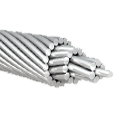
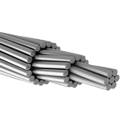
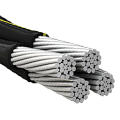
While pure aluminum is highly conductive, aluminum alloys also maintain substantial electrical conductivity alongside enhanced mechanical strength. This balance makes them suitable for electrical applications where both conductivity and structural integrity are required. Aluminum alloy conductors are commonly used in power transmission lines, busbars, and electrical connectors. These alloys offer a lightweight alternative to copper, reducing the weight of electrical infrastructure and associated costs. Although their electrical resistance is slightly higher than that of pure aluminum, the improved strength allows for thinner conductors, which can offset the resistance by reducing the material volume. This combination of good electrical performance and mechanical robustness makes aluminum alloys a practical choice for a wide range of electrical and electronic applications. - Fatigue Resistance: Ensuring Longevity in Cyclic Loads
Certain aluminum alloys, particularly those in the 7000 series, exhibit superior fatigue resistance, making them ideal for applications subjected to cyclic loading. Fatigue resistance is crucial in components like aircraft wings, automotive suspension systems, and bridges, where repetitive stress can lead to material failure over time. The microstructure of high-strength aluminum alloys helps dissipate the energy from repeated loading cycles, delaying the initiation and propagation of cracks. This property ensures the longevity and reliability of critical components, enhancing safety and performance in demanding environments. Advances in alloy composition and heat treatment processes continue to improve the fatigue resistance of aluminum alloys, broadening their applicability in sectors where durability under cyclic stresses is paramount. - Formability: Shaping Aluminum Alloys with Ease
Aluminum alloys are celebrated for their excellent formability, allowing them to be easily shaped into complex forms through various manufacturing processes such as rolling, extrusion, and deep drawing. This high formability enables the production of intricate designs and intricate components required in industries like automotive, aerospace, and consumer goods. For instance, automotive body panels can be formed with precise curves and contours, enhancing both aesthetics and aerodynamic performance. Similarly, in electronics, aluminum alloy casings can be molded into compact and stylish designs without compromising structural integrity. The ability to form aluminum alloys into diverse shapes not only facilitates innovative product designs but also streamlines manufacturing processes, reducing costs and improving production efficiency. - Anodizing Compatibility: Enhancing Surface Properties
Many aluminum alloys are highly compatible with anodizing, an electrochemical process that enhances surface hardness, corrosion resistance, and aesthetic appeal. Anodizing involves converting the surface of the aluminum alloy into a durable oxide layer, which can also be dyed in various colors for decorative purposes. This process is widely used in architectural applications, consumer electronics, automotive trim, and cookware. Anodized aluminum surfaces are not only more resistant to wear and corrosion but also offer a visually appealing finish that can be customized to match design specifications. The versatility of anodizing allows manufacturers to combine functional improvements with aesthetic enhancements, making aluminum alloys even more attractive for a broad range of applications. - Joining Techniques: Diverse Methods for Aluminum Alloys
Aluminum alloys can be joined using a variety of techniques, each suited to different applications and alloy types. Common methods include welding, brazing, riveting, and adhesive bonding. Welding, particularly TIG and MIG welding, is widely used for creating strong, permanent joints in structural components. Brazing employs filler metals to join parts without melting the base alloys, ideal for applications requiring precise and clean joints. Riveting provides mechanical fastening, useful in situations where disassembly might be necessary. Adhesive bonding offers a non-invasive joining method that can distribute stress evenly across the joint. The choice of joining technique depends on factors such as the specific alloy, the required strength of the joint, the application environment, and cost considerations. Mastery of these joining methods ensures that aluminum alloys can be effectively integrated into complex assemblies across various industries. - Age Hardening: Strengthening Through Precipitation
Age hardening, also known as precipitation hardening, is a heat treatment process used to increase the strength and hardness of certain aluminum alloys. This process involves heating the alloy to a specific temperature to dissolve alloying elements, followed by rapid cooling to create a supersaturated solid solution. Subsequent aging, either naturally at room temperature or artificially at elevated temperatures, allows the alloying elements to precipitate out as fine particles, which impede dislocation movement and thereby strengthen the material. Alloys like 6061 and 7075 benefit significantly from age hardening, achieving higher strength levels while maintaining sufficient ductility. This technique is essential for producing high-performance components in aerospace, automotive, and sporting goods industries, where enhanced mechanical properties are critical for performance and safety. - Alloy 6061: The Versatile Workhorse
Alloy 6061 is one of the most versatile and widely used aluminum alloys, known for its excellent mechanical properties and good corrosion resistance. Alloyed with magnesium and silicon, 6061 offers a balanced combination of strength, weldability, and formability, making it suitable for a vast array of applications. It is extensively used in aerospace for aircraft fittings and structural components, in automotive for parts like engine mounts and chassis components, and in the construction industry for architectural structures and frameworks. Additionally, 6061 is popular in the manufacturing of consumer goods such as bicycle frames, sporting equipment, and furniture. Its ability to be easily machined, welded, and extruded allows for efficient production processes and the creation of complex shapes, reinforcing its status as a workhorse in the aluminum alloy family. - Alloy 7075: High Strength for Demanding Applications
Alloy 7075 is renowned for its exceptional strength, making it one of the strongest aluminum alloys available. Primarily alloyed with zinc, along with magnesium and copper, 7075 offers a high strength-to-weight ratio, which is crucial in applications requiring robust performance without adding excessive weight. This alloy is extensively used in the aerospace industry for components like aircraft fittings, gears, and frames, where high strength and durability are essential. Additionally, 7075 is favored in the sporting goods sector for manufacturing high-performance items such as bicycle frames, golf clubs, and archery equipment. Despite its impressive strength, 7075 has lower corrosion resistance compared to other aluminum alloys, often necessitating protective coatings or anodizing treatments to enhance its durability in harsh environments. Its superior mechanical properties make 7075 a preferred choice for applications where strength and performance are non-negotiable. - Alloy 2024: Superior Fatigue Resistance
Alloy 2024 is a high-strength aluminum alloy primarily alloyed with copper, which imparts excellent fatigue resistance and superior mechanical properties. This makes it particularly suitable for aerospace applications, where components are subjected to repeated stress and cyclic loading. Common uses of 2024 include aircraft wings, fuselage structures, and control surfaces, where durability and performance under stress are paramount. The high fatigue resistance of 2024 ensures that these components can withstand the rigors of flight operations without succumbing to fatigue failure. Additionally, 2024 is used in military applications for critical structural components that require both high strength and reliability. While it offers exceptional mechanical properties, 2024 is less resistant to corrosion, often requiring protective coatings or anodizing to enhance its longevity in various environments. - Alloy 5052: Marine-Grade Durability
Alloy 5052 is a member of the 5000 series aluminum alloys, renowned for its excellent corrosion resistance, especially in marine environments. Alloyed with magnesium, 5052 exhibits superior strength and durability, making it an ideal choice for applications exposed to saltwater and harsh atmospheric conditions. Common uses include marine hardware, shipbuilding, offshore platforms, and automotive fuel tanks, where resistance to corrosion and environmental degradation is crucial. Additionally, 5052’s good formability and weldability allow for the creation of complex shapes and seamless joints, enhancing its versatility in manufacturing processes. Its combination of strength, corrosion resistance, and workability makes alloy 5052 a preferred material in industries where reliability and longevity are essential. - Alloy 3003: Formable and Weldable for Everyday Use
Alloy 3003 is a versatile aluminum alloy in the 3000 series, primarily alloyed with manganese, which enhances its strength and corrosion resistance. Known for its excellent formability and weldability, 3003 is widely used in applications that require ease of fabrication and durability. Common uses include cooking utensils, storage tanks, and roofing materials, where the ability to form complex shapes and withstand environmental exposure is essential. Additionally, 3003 is used in automotive fuel tanks and pressure vessels, where its combination of strength and corrosion resistance ensures reliable performance. The alloy’s adaptability to various manufacturing processes, including rolling, extrusion, and deep drawing, makes it a staple in both consumer goods and industrial applications, highlighting its role as a fundamental aluminum alloy in everyday use. - Alloy 5083: High-Strength Marine Applications
Alloy 5083 is a high-strength member of the 5000 series aluminum alloys, renowned for its exceptional corrosion resistance, particularly in seawater environments. This makes it an ideal choice for shipbuilding, offshore structures, and automotive applications exposed to harsh marine conditions. The addition of magnesium and other alloying elements in 5083 enhances its strength without compromising its corrosion resistance, allowing it to withstand the rigors of marine environments while maintaining structural integrity. Additionally, 5083 exhibits excellent weldability and formability, facilitating the construction of complex structures and seamless joints required in ship hulls and offshore platforms. Its robust performance in corrosive environments underscores its importance in industries where durability and resistance to environmental degradation are paramount. - Alloy 1100: Pure Aluminum for Exceptional Ductility
Alloy 1100 is a member of the 1000 series, comprising almost pure aluminum with excellent ductility and formability. This high-purity alloy is prized for its superior workability, allowing it to be easily shaped into intricate forms without cracking or breaking. Common applications include chemical equipment, heat exchangers, and decorative items where high reflectivity and corrosion resistance are desired. Additionally, 1100 is used in architectural applications for decorative facades and in the manufacturing of cookware due to its non-reactive nature. While it lacks the high strength of other alloy series, its exceptional ductility and formability make it ideal for applications requiring intricate designs and fine finishes. The ability to be easily fabricated and its aesthetic appeal ensure that alloy 1100 remains a popular choice in both functional and decorative applications. - Alloy 5086: Superior Seawater Resistance
Similar to alloy 5083, alloy 5086 is another high-strength 5000 series aluminum alloy known for its exceptional corrosion resistance, particularly in seawater environments. This makes it extensively used in shipbuilding, military vehicles, and offshore platforms where exposure to seawater is a constant challenge. Alloy 5086 combines magnesium with other alloying elements to achieve high strength while maintaining excellent resistance to corrosion and pitting. Its robustness in harsh marine conditions ensures the longevity and reliability of structures and components made from this alloy. Additionally, 5086’s good weldability and formability allow for the creation of complex shapes and durable joints necessary for marine applications. Its outstanding performance in seawater environments underscores its critical role in industries where durability and resistance to corrosion are non-negotiable. - Alloy 6063: The Architectural Aluminum Choice
Alloy 6063 is often referred to as the “architectural alloy” due to its excellent surface finish and aesthetic appeal, making it a popular choice for architectural applications. Alloyed with magnesium and silicon, 6063 offers good formability and corrosion resistance, allowing it to be easily extruded into complex shapes with smooth surfaces. Common uses include window frames, door frames, curtain walls, and other structural components where both functionality and appearance are important. Additionally, 6063 is used in the manufacturing of furniture, lighting fixtures, and decorative elements, where its ability to be anodized and dyed in various colors enhances its visual appeal. The combination of aesthetic versatility and structural reliability makes alloy 6063 a preferred material in the architectural and construction industries, enabling the creation of visually appealing and durable structures. - Alloy 7075-T6: Maximizing Strength through Tempering
The T6 temper of alloy 7075 involves solution heat treatment and artificial aging, which significantly increases its strength and hardness. This tempering process enhances the mechanical properties of 7075, making it suitable for high-stress applications such as aerospace components and high-performance sporting equipment. In the aerospace industry, 7075-T6 is used for structural components like aircraft fittings, gears, and landing gear systems where maximum strength and durability are essential. The T6 temper ensures that these components can withstand extreme forces and stresses without compromising performance or safety. Additionally, 7075-T6 is favored in the manufacturing of high-performance bicycles, climbing gear, and other sporting goods where lightweight yet strong materials are crucial. The enhanced properties achieved through the T6 temper make alloy 7075-T6 a top choice for applications demanding exceptional strength and reliability. - Recycling Process: From Scrap to New Products
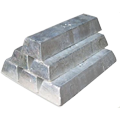
The recycling process for aluminum alloys is both efficient and environmentally friendly, playing a crucial role in sustainable manufacturing practices. Recycling involves collecting scrap aluminum, which is then cleaned and melted down in furnaces. The molten aluminum is cast into ingots or other forms, which can be further processed into new products without significant loss of material properties. This process retains the alloying elements and mechanical properties, ensuring that recycled aluminum alloys are virtually identical to their primary counterparts. Recycling aluminum saves up to 95% of the energy required to produce primary aluminum, making it a highly sustainable practice. Additionally, recycling reduces the need for raw material extraction, minimizing environmental impact and conserving natural resources. The ease and efficiency of recycling aluminum alloys contribute to their popularity and widespread use across various industries, supporting a circular economy and promoting environmental stewardship. - Sustainability Benefits of Aluminum Alloys
Aluminum alloys contribute significantly to sustainability efforts due to their recyclability and energy efficiency. The production of aluminum from recycled materials consumes only a fraction of the energy required to produce primary aluminum from bauxite ore, reducing greenhouse gas emissions and conserving energy resources. Additionally, the lightweight nature of aluminum alloys leads to fuel savings in transportation applications, further lowering carbon footprints. The ability to recycle aluminum without degrading its properties supports a circular economy, where materials are continuously reused and repurposed, minimizing waste and reducing the demand for virgin resources. Moreover, the durability and longevity of aluminum alloy products extend their lifecycle, decreasing the frequency of replacements and the associated environmental impact. These sustainability benefits make aluminum alloys an environmentally responsible choice for a wide range of applications, aligning with global efforts to reduce environmental impact and promote resource efficiency. - Impact Resistance: Withstanding High-Energy Forces
Certain aluminum alloys, particularly those with higher ductility, exhibit excellent impact resistance, allowing them to absorb and dissipate energy effectively. This property is essential in applications where materials are subjected to sudden or high-energy forces, such as in automotive crash structures, protective casings, and aerospace components. Impact-resistant aluminum alloys help prevent catastrophic failures by deforming in a controlled manner under stress, thereby enhancing the safety and reliability of the structures they comprise. In the automotive industry, for example, aluminum alloy components designed to absorb impact energy contribute to passenger safety by minimizing deformation and maintaining structural integrity during collisions. Similarly, in aerospace, impact-resistant alloys ensure that critical components can withstand turbulence and other dynamic forces without compromising performance. The ability to resist impact forces without significant damage underscores the importance of selecting the right aluminum alloy for applications where durability and safety are paramount. - Dimensional Stability: Maintaining Precision Across Conditions
Dimensional stability refers to an aluminum alloy’s ability to maintain its shape and size under varying temperatures and environmental conditions. This property is crucial in precision engineering applications such as aerospace components, high-precision machinery, and optical equipment, where even minor deformations can lead to significant performance issues. Aluminum alloys with high dimensional stability ensure that components retain their precise dimensions and tolerances, contributing to the overall accuracy and reliability of the system. Factors influencing dimensional stability include the alloy’s composition, heat treatment processes, and the presence of stabilizing elements. Proper alloy selection and processing techniques are essential to achieving the desired level of dimensional stability, ensuring that components perform consistently under different operating conditions. This reliability is critical in applications where precision and accuracy are non-negotiable, highlighting the importance of dimensional stability in the performance and longevity of aluminum alloy components. - Noise Reduction: Enhancing Performance and Comfort
Aluminum alloys possess inherent properties that contribute to noise reduction and vibration damping, making them valuable in applications where minimizing noise and vibrations enhances performance and user comfort. In the automotive industry, aluminum alloy components such as engine mounts and chassis parts help reduce engine noise and vibrations, leading to a quieter and smoother ride. Similarly, in the aerospace sector, aluminum structures can mitigate the transmission of vibrations from engines and aerodynamic forces, improving passenger comfort and reducing structural fatigue. Additionally, in machinery and industrial equipment, aluminum alloys help dampen vibrations, enhancing operational efficiency and extending the lifespan of components. The lightweight nature of aluminum also contributes to reduced noise levels, as less energy is required to move and vibrate the components. These noise-reducing characteristics make aluminum alloys an attractive choice in applications where acoustics and vibration control are critical for performance and user satisfaction. - Influence of Magnesium in Aluminum Alloys
Magnesium plays a pivotal role in enhancing the properties of aluminum alloys, particularly in the 5000 and 6000 series. The addition of magnesium significantly increases the strength and corrosion resistance of aluminum, making these alloys suitable for demanding applications in marine, automotive, and structural industries. Magnesium also improves the weldability of aluminum alloys, allowing for the creation of robust and durable joints essential in construction and manufacturing processes. Furthermore, magnesium contributes to the alloy’s workability, enabling it to be easily formed into complex shapes without compromising structural integrity. In heat-treated alloys like the 6000 series, magnesium works synergistically with silicon to provide a balanced combination of strength, corrosion resistance, and formability. The presence of magnesium thus broadens the application scope of aluminum alloys, making them more versatile and reliable for a wide range of engineering and manufacturing needs. - Impact of Silicon in Aluminum Alloys
Silicon is a crucial alloying element in aluminum alloys, particularly in the 4000 and 6000 series, where it enhances fluidity during casting and reduces the melting temperature of the alloy. This improvement in fluidity is beneficial for manufacturing complex shapes and intricate designs, as it allows the molten aluminum to flow more easily into molds and die cavities. Additionally, silicon contributes to improved wear resistance and strength, particularly in automotive engine components such as pistons and cylinder heads, where durability and performance are essential. In the 6000 series, silicon works in tandem with magnesium to enable heat treatment processes like age hardening, which further enhances the mechanical properties of the alloy. The presence of silicon also aids in reducing thermal expansion, improving dimensional stability under varying temperature conditions. Overall, silicon plays a multifaceted role in enhancing the manufacturability and performance of aluminum alloys, making it a valuable component in the design and production of high-performance materials. - Tensile Strength Variations in Aluminum Alloys
Tensile strength, a measure of a material’s resistance to breaking under tension, varies significantly among different aluminum alloy series and temper conditions. For instance, alloy 7075-T6 can achieve tensile strengths exceeding 570 MPa, making it one of the strongest aluminum alloys available. This high tensile strength is crucial for applications requiring robust performance under heavy loads, such as aerospace components and high-stress sporting goods. In contrast, softer alloys like 1100 have lower tensile strengths but offer excellent ductility and formability, suitable for applications where ease of shaping is more important than high strength. The ability to vary tensile strength through alloy selection and tempering processes allows engineers to tailor materials to specific requirements, ensuring that each application receives the optimal balance of strength, flexibility, and durability. Understanding these variations is essential for selecting the appropriate aluminum alloy to meet the mechanical demands of different applications, ensuring reliability and performance in diverse engineering contexts. - Thermal Expansion in Aluminum Alloys
Aluminum alloys exhibit a relatively high coefficient of thermal expansion compared to other metals, meaning they expand and contract more with temperature fluctuations. This property must be carefully considered in applications involving significant temperature changes to prevent thermal stress and ensure structural integrity. For example, in aerospace and automotive applications, components made from aluminum alloys must accommodate expansion and contraction without causing misalignment or failure. In precision engineering and electronic devices, managing thermal expansion is critical to maintain the accuracy and functionality of components. Engineers often design joints and assemblies with allowances for thermal movement or use materials with similar thermal expansion properties to mitigate the effects of temperature changes. Understanding and accounting for the thermal expansion behavior of aluminum alloys is essential for designing reliable and durable systems that perform consistently across varying temperature ranges. - Electrical Resistance in Aluminum Alloys
While aluminum alloys are excellent conductors of electricity, their electrical resistance is slightly higher than that of pure aluminum. However, the combination of good conductivity and enhanced mechanical properties makes them suitable for applications where both electrical performance and structural strength are required. Aluminum alloy conductors are used in electrical transmission lines, busbars, and electrical connectors, where they provide a lightweight and durable alternative to copper. The increased electrical resistance can be mitigated by using larger conductor sizes or optimizing the alloy composition to balance conductivity with mechanical strength. Additionally, aluminum alloys are often used in environments where corrosion resistance is critical, as they maintain their electrical performance over time without degrading. This balance between electrical conductivity and mechanical robustness makes aluminum alloys a practical choice for a wide range of electrical and electronic applications, ensuring both efficiency and reliability. - Effects of Alloying Elements in Aluminum Alloys
Each alloying element in aluminum alloys serves a specific purpose, enhancing certain properties while potentially affecting others. For example, copper increases strength and hardness but may reduce corrosion resistance, making copper-alloyed aluminum suitable for high-strength applications like aerospace components. Magnesium, on the other hand, improves corrosion resistance and strength, enhancing the durability of marine and automotive parts. Silicon enhances fluidity during casting and contributes to wear resistance, beneficial for automotive engine components and intricate manufacturing processes. Zinc provides exceptional strength and hardness, essential for high-stress applications like aircraft frames and gears. Understanding the effects of these alloying elements is crucial for selecting the appropriate aluminum alloy for a given application, ensuring that the desired balance of properties is achieved to meet specific performance requirements. - Forming Processes for Aluminum Alloys
Aluminum alloys can undergo a variety of forming processes, including extrusion, rolling, forging, and stamping, each allowing the production of diverse shapes and sizes to meet different industrial needs. Extrusion involves pushing the alloy through a die to create long, uniform profiles used in construction and automotive applications. Rolling reduces the thickness of aluminum sheets and plates, used in applications like packaging and automotive body panels. Forging shapes the alloy into strong, durable components for aerospace and automotive parts through compressive forces. Stamping forms intricate shapes and designs for consumer goods and electronic housings through high-pressure dies. These forming processes leverage the excellent formability and ductility of aluminum alloys, enabling manufacturers to create complex and precise components efficiently. The adaptability of aluminum alloys to various forming techniques underscores their versatility and widespread use across multiple industries, facilitating innovation and precision in product design and manufacturing. - Density Variations in Aluminum Alloys
The density of aluminum alloys typically ranges from 2.6 to 2.9 g/cm³, depending on their specific composition. This lightweight characteristic, combined with sufficient strength, makes aluminum alloys ideal for applications where weight reduction is critical without compromising structural integrity. In the aerospace industry, for instance, the low density of aluminum alloys contributes to fuel efficiency and enhanced payload capacity. In automotive applications, lighter components improve vehicle performance, handling, and fuel economy. Additionally, in consumer electronics, the lightweight nature of aluminum alloys allows for the creation of portable and easy-to-handle devices. Understanding the density variations among different aluminum alloy series enables engineers to select the appropriate material for specific weight and strength requirements, ensuring optimal performance and efficiency in various applications. - Environmental Stress Cracking in Aluminum Alloys
Environmental stress cracking (ESC) is a phenomenon where certain aluminum alloys become susceptible to cracking when exposed to specific chemicals and stress conditions. This issue is particularly relevant in applications like chemical processing equipment and marine structures, where materials are often exposed to corrosive environments and mechanical stresses. Factors contributing to ESC include the alloy’s composition, presence of residual stresses from manufacturing processes, and the nature of the chemical exposure. Proper alloy selection, such as choosing more corrosion-resistant alloys like the 5000 or 6000 series, can mitigate the risk of ESC. Additionally, implementing protective coatings and controlling stress levels during fabrication can enhance resistance to environmental stress cracking. Addressing ESC is essential to ensure the longevity and reliability of aluminum alloy components in challenging environments, preventing unexpected failures and maintaining structural integrity over time. - Fatigue Limit: Sustaining Performance Under Repeated Loads
The fatigue limit of aluminum alloys, particularly those in the 7000 series, is a critical factor in applications subjected to repeated loading cycles. A high fatigue limit means the material can endure a large number of stress cycles without experiencing failure, making it suitable for components like aircraft structures, automotive suspension parts, and bridge supports. The fatigue resistance of aluminum alloys is influenced by factors such as alloy composition, heat treatment, surface finish, and the presence of defects or stress concentrators. Engineers design components with high fatigue limits to ensure they can withstand the operational stresses encountered during their service life, enhancing safety and reliability. Understanding the fatigue behavior of different aluminum alloys allows for the selection of materials that can sustain performance under cyclic loads, preventing fatigue-related failures and extending the lifespan of critical components in various engineering applications. - Thermoforming Applications: Shaping Aluminum with Heat
Thermoforming is a manufacturing process where aluminum alloys are heated to a pliable temperature and then shaped into specific forms using molds or dies. This technique leverages the excellent formability of aluminum alloys, allowing for the creation of complex and precise shapes required in packaging, automotive, and consumer goods industries. In the packaging sector, thermoforming is used to produce aluminum foils and containers that are lightweight, durable, and resistant to corrosion. In the automotive industry, thermoformed aluminum parts contribute to weight reduction and improved fuel efficiency while maintaining structural integrity. Additionally, thermoforming is employed in the production of household appliances and electronics, where intricate and aesthetically pleasing designs are essential. The ability to shape aluminum alloys through thermoforming enhances their versatility, enabling manufacturers to meet diverse design and functional requirements across various applications. - Advanced Applications: Pushing the Boundaries with Aluminum Alloys
Aluminum alloys are at the forefront of cutting-edge technologies and innovations, driving advancements in electric vehicles, renewable energy systems, and aerospace engineering. In electric vehicles, aluminum alloys are used extensively to reduce weight, thereby enhancing battery efficiency and overall vehicle performance. Renewable energy systems, such as wind turbine blades, benefit from the lightweight and strong properties of aluminum alloys, enabling the construction of larger and more efficient blades. In aerospace, aluminum alloys continue to evolve, incorporating advanced manufacturing techniques and alloy compositions to meet the stringent demands of modern aircraft and spacecraft. Additionally, emerging applications in additive manufacturing and 3D printing leverage the adaptability and formability of aluminum alloys, opening new possibilities in design and production. These advanced applications highlight the ongoing innovation and versatility of aluminum alloys, cementing their role as essential materials in the future of engineering and technology.

50 Fascinating Facts About Aluminum Alloys
No comment