



Introduction
In the intricate and ever-evolving landscape of materials science and engineering, aluminum alloys stand out for their exceptional versatility, balancing lightweight properties with robust mechanical performance. However, the inherent strength and ductility of aluminum can be significantly enhanced through specialized heat treatment processes. These treatments not only transform the physical properties of aluminum alloys but also expand their application horizons across various industries. Understanding the different temper processes, such as T6 and T651, and their impact on aluminum’s extrudability, ductility, and strength is crucial for engineers, manufacturers, and industry professionals aiming to optimize their materials for specific applications. This blog post delves into the transformative power of heat treatments in boosting the performance characteristics of aluminum alloys, exploring the science behind tempering, the resulting property enhancements, and the practical benefits in diverse industrial contexts.
Furthermore, heat treatments facilitate the tailoring of aluminum alloys to meet stringent performance criteria, ensuring that they can withstand the demands of modern engineering applications. From enhancing electrical transmission systems to improving the structural integrity of automotive and aerospace components, the strategic application of heat treatments plays a pivotal role in advancing aluminum alloy technology. As global industries increasingly seek materials that offer both high performance and sustainability, the role of heat treatments in optimizing aluminum alloys becomes even more significant. This comprehensive exploration aims to equip stakeholders with the knowledge necessary to leverage heat treatments effectively, driving innovation and excellence in their respective fields.
Overview of Temper Processes in Aluminum Alloys
Heat treatment is a critical process in the manufacturing and processing of aluminum alloys, designed to alter their mechanical and physical properties to meet specific performance criteria. Among the various temper processes, the most prevalent include T6, T651, T4, and T5. Each temper designation corresponds to a specific sequence of heat treatment steps, such as solution heat treatment, quenching, and artificial aging, that collectively enhance the alloy’s characteristics.
T6 Temper
The T6 temper is one of the most widely used heat treatment processes for aluminum alloys. It involves solution heat treatment, quenching, and artificial aging. During solution heat treatment, the alloy is heated to a temperature where solute elements dissolve into the aluminum matrix, forming a homogeneous solution. Quenching rapidly cools the alloy, trapping the solute atoms in a supersaturated state. Finally, artificial aging at elevated temperatures precipitates fine particles that impede dislocation movement, thereby increasing the alloy’s strength and hardness.
The T6 temper process is particularly effective in enhancing the mechanical properties of aluminum alloys without significantly compromising their ductility. This balance makes T6 temper aluminum ideal for applications that require both strength and formability, such as automotive components and structural elements in aerospace engineering. Additionally, the uniform distribution of precipitates achieved through T6 tempering ensures consistent performance and reliability across the entire material.
T651 Temper
The T651 temper is a variant of the T6 temper, with an additional step of stretching the alloy after heat treatment to relieve internal stresses and straighten the grain structure. This additional stretching enhances the dimensional stability and fatigue resistance of the alloy, making T651 temper aluminum alloys particularly suitable for applications requiring high precision and reliability under cyclic loading conditions.
In practical terms, the T651 temper process involves applying a controlled tensile force to the alloy after it has undergone T6 tempering. This stretching aligns the grain structure, reducing residual stresses and minimizing the risk of warping or distortion during service. The improved fatigue resistance achieved through the T651 temper makes it an excellent choice for components subjected to repetitive stresses, such as automotive suspension parts and aerospace structural components.
T4 and T5 Tempers
The T4 temper involves solution heat treatment followed by natural aging, where the alloy is allowed to age at room temperature without artificial aging. This process enhances ductility and toughness but results in lower strength compared to the T6 temper. The T4 temper is beneficial for applications that require high formability and resistance to cracking, such as sheet metal forming and intricate fabrication processes.
Conversely, the T5 temper involves cooling the alloy from an elevated temperature shaping process and then artificially aging it to increase strength, offering a balance between mechanical performance and process efficiency. The T5 temper is often used in applications where rapid production and enhanced strength are desired, such as in extrusion processes for automotive and construction components.
Both T4 and T5 tempers provide alternative options for manufacturers seeking to tailor the properties of aluminum alloys to specific application requirements. By selecting the appropriate temper process, engineers can optimize the balance between strength, ductility, and manufacturing efficiency, ensuring that the final product meets the desired performance standards.
Enhancing Extrudability, Ductility, and Strength Through Heat Treatments
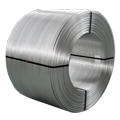
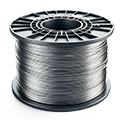
Heat treatments play a pivotal role in enhancing the extrudability, ductility, and strength of aluminum wire rods and conductors. By precisely controlling the temper processes, manufacturers can tailor the properties of aluminum alloys to meet the demanding requirements of various applications.
Improving Extrudability
Extrudability refers to the ability of aluminum alloys to be shaped into complex profiles through the extrusion process. Heat treatments like T6 and T651 significantly improve extrudability by optimizing the alloy’s microstructure. Solution heat treatment dissolves alloying elements into the aluminum matrix, reducing segregation and promoting uniformity. Quenching preserves this homogeneous structure, while artificial aging precipitates fine particles that provide the necessary strength without compromising the material’s ability to flow and conform to intricate die shapes during extrusion.
Enhanced extrudability ensures that aluminum wire rods can be manufactured with high precision and consistency, essential for applications requiring intricate designs and tight tolerances. For instance, in the automotive industry, extruded aluminum profiles are used for engine components and structural frameworks, where precise shaping and high mechanical strength are critical. Similarly, in the aerospace sector, extruded aluminum components must meet stringent performance standards, necessitating optimized extrudability to achieve the desired geometries and mechanical properties.
Enhancing Ductility
Ductility, the ability of a material to deform under tensile stress, is a crucial property for applications involving bending, shaping, and forming. Heat-treated aluminum alloys exhibit improved ductility through controlled aging processes. For instance, the T4 temper, which emphasizes natural aging, enhances ductility by allowing the formation of larger precipitates that facilitate dislocation movement without significant hardening.
This balance between strength and ductility ensures that aluminum wire rods and conductors can withstand mechanical deformation without fracturing, making them suitable for applications in automotive manufacturing, aerospace engineering, and consumer electronics where flexibility and formability are paramount. Enhanced ductility also contributes to the ease of fabrication, allowing for the creation of complex shapes and intricate designs without compromising the material’s structural integrity.
Boosting Strength
The primary objective of heat treatments like T6 and T651 is to boost the strength of aluminum alloys. The precipitation of fine intermetallic particles during artificial aging impedes dislocation motion, thereby increasing the alloy’s yield and tensile strength. This enhancement is critical for structural applications where high strength-to-weight ratios are required. For example, in the construction and transportation industries, heat-treated aluminum wire rods provide the necessary mechanical robustness to support heavy loads while maintaining lightweight characteristics, contributing to overall system efficiency and performance.
Furthermore, the increased strength achieved through heat treatments extends the operational lifespan of aluminum components, reducing the need for frequent replacements and maintenance. This durability is particularly beneficial in applications subjected to high mechanical stresses, such as bridges, aircraft frames, and industrial machinery, where material failure can have significant safety and economic implications.
Practical Applications and Benefits of Heat-Treated Aluminum Alloys
The transformative effects of heat treatments on aluminum alloys unlock a myriad of practical applications and benefits across various industries. By tailoring the temper processes, manufacturers can produce aluminum wire rods and conductors that meet specific performance requirements, ensuring optimal functionality and reliability.
Electrical Transmission and Distribution
In the electrical transmission and distribution sector, heat-treated aluminum alloys like T6 and T651 temper are extensively used for overhead power lines and conductors. The enhanced strength and corrosion resistance of these tempers ensure that electrical systems can withstand environmental stresses such as wind, ice, and salt spray, reducing the frequency of maintenance and replacement. Additionally, the improved extrudability allows for the production of conductors with precise cross-sectional profiles, optimizing electrical conductivity and minimizing energy losses.
Heat-treated aluminum conductors provide a cost-effective alternative to traditional copper conductors, offering comparable electrical performance at a fraction of the weight and cost. This makes them particularly suitable for large-scale power transmission projects where weight reduction and material cost are critical considerations. Moreover, the lightweight nature of heat-treated aluminum conductors simplifies installation, reducing labor costs and project timelines.
Automotive and Aerospace Industries
The automotive and aerospace industries demand materials that offer high strength-to-weight ratios, excellent fatigue resistance, and reliable performance under dynamic loading conditions. Heat-treated aluminum alloys fulfill these requirements by providing enhanced mechanical properties while maintaining lightweight characteristics. In automotive applications, heat-treated aluminum wire rods are used in engine components, suspension systems, and structural frameworks, contributing to fuel efficiency and vehicle performance. For instance, aluminum alloys used in engine blocks and transmission systems benefit from their increased strength and durability, enabling manufacturers to produce lighter yet more robust vehicles.
Similarly, in aerospace engineering, heat-treated aluminum alloys are utilized in aircraft wiring, structural elements, and control systems, where reliability and weight reduction are critical for flight safety and efficiency. The enhanced tensile strength and corrosion resistance of T6 and T651 temper aluminum alloys ensure that aerospace components can withstand the extreme conditions encountered during flight, including high speeds, temperature fluctuations, and mechanical stresses.
Construction and Infrastructure
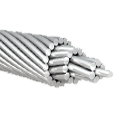
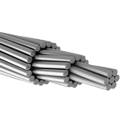
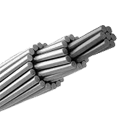
In construction and infrastructure projects, heat-treated aluminum alloys offer durability, strength, and ease of installation. AAC (All Aluminum Conductor) with T6 or T651 temper is commonly used in building wiring, architectural elements, and structural supports. The enhanced corrosion resistance ensures long-term performance in harsh environments, while the improved tensile strength allows for the support of heavy loads and structural integrity. Additionally, the lightweight nature of heat-treated aluminum reduces the overall weight of construction projects, facilitating easier handling and installation, and contributing to cost savings in transportation and labor.
Heat-treated aluminum wire rods are also used in the construction of bridges, high-rise buildings, and industrial facilities, where their high strength-to-weight ratio provides the necessary support without adding excessive mass. The ability to extrude complex profiles and shapes further enhances their applicability in architectural designs, allowing for innovative and aesthetically pleasing structures that meet both functional and aesthetic requirements.
Consumer Electronics and Industrial Machinery
In the realm of consumer electronics and industrial machinery, heat-treated aluminum wire rods and conductors provide the necessary balance of strength, flexibility, and electrical performance. The enhanced ductility of tempers like T4 allows for intricate wiring and component fabrication, essential for compact and complex electronic devices. In industrial machinery, the robust mechanical properties ensure reliable performance and longevity under continuous operation and mechanical stress, reducing downtime and maintenance costs.
Heat-treated aluminum conductors are integral to the manufacturing of high-performance electronic devices, including smartphones, laptops, and medical equipment, where precise wiring and reliable electrical performance are essential. In industrial settings, heat-treated aluminum wire rods are used in the production of motors, generators, and control systems, where their enhanced strength and durability contribute to the overall efficiency and reliability of machinery and equipment.
Benefits Summary
- Enhanced Performance: Heat-treated aluminum alloys offer superior mechanical properties, including increased tensile strength, improved ductility, and excellent corrosion resistance, ensuring reliable performance across various applications.
- Cost-Effectiveness: By extending the lifespan of aluminum components and reducing maintenance requirements, heat treatments contribute to overall cost savings in manufacturing and operational processes.
- Versatility: The ability to tailor alloy properties through specific temper processes allows for versatile applications in diverse industries, from electrical transmission to aerospace engineering.
- Sustainability: Lightweight aluminum alloys contribute to energy efficiency and reduced environmental impact in transportation and construction, aligning with global sustainability goals.
- Improved Safety: Enhanced mechanical properties and corrosion resistance reduce the risk of material failure, ensuring safer and more reliable operations in critical applications.
- Operational Efficiency: Reduced maintenance and replacement needs, coupled with improved energy efficiency, enhance the overall operational efficiency of systems utilizing heat-treated aluminum alloys.
- Innovation Facilitation: The enhanced extrudability and ductility of heat-treated aluminum enable the creation of innovative designs and complex geometries, driving advancements in product development and engineering solutions.
Conclusion
Summary of Key Benefits
Heat treatments are a transformative force in the aluminum industry, significantly enhancing the strength, ductility, and extrudability of aluminum alloys. Processes such as T6 and T651 temper alter the microstructure of aluminum, precipitating fine particles that impede dislocation motion and thereby increasing tensile strength and hardness. These enhancements make heat-treated aluminum wire rods and conductors indispensable in applications requiring robust mechanical performance and reliable electrical conductivity.
The composition of AAC, utilizing high-purity aluminum and carefully selected alloying elements, provides a harmonious blend of electrical and mechanical properties that cater to the diverse needs of modern power distribution systems. The design considerations for AAC, including span length, environmental conditions, and load requirements, further enhance its suitability for a wide range of applications, from urban power grids to industrial installations. Performance metrics such as tensile strength, corrosion resistance, and thermal stability underscore AAC’s capability to deliver consistent and dependable power transmission, minimizing energy losses and maintenance costs.
Moreover, AAC’s flexibility and vibration resistance make it particularly suited for installations in urban and industrial environments where space constraints and mechanical vibrations are common. Its ability to maintain structural integrity and electrical performance under varying conditions ensures that AAC remains a cornerstone in the development of resilient and efficient power distribution networks.
Final Recommendation
AAC emerges as an optimal conductor solution for short-span power transmission and distribution projects, offering a blend of efficiency, reliability, and cost-effectiveness that meets the demands of contemporary electrical infrastructure. For utility providers and engineers seeking a conductor that can deliver high electrical performance while maintaining mechanical integrity and resilience against environmental stresses, AAC presents a compelling choice.
Its versatility and adaptability make it suitable for a variety of applications, ensuring that power distribution systems can achieve both operational excellence and sustainability. In urban settings where installation flexibility and reduced maintenance are crucial, AAC’s lightweight and flexible properties facilitate easier handling and quicker deployment. In industrial environments, its enhanced mechanical strength and corrosion resistance provide the durability needed to withstand rigorous operational conditions.
Furthermore, AAC’s alignment with global sustainability goals, through its energy-efficient performance and reduced environmental impact, positions it as a forward-thinking solution in the electrical industry. As technological advancements continue to evolve, the development of new alloying techniques and heat treatment technologies promises to further refine the capabilities of AAC, expanding its applicability and performance across an even broader range of industries and use cases.
Ultimately, the decision to adopt AAC should be guided by a comprehensive assessment of specific application needs, balancing the trade-offs between electrical conductivity and mechanical properties to achieve the most effective and efficient solution. By leveraging the essential aspects of AAC—composition, design, and performance—engineers and utility providers can build electrical systems that are not only effective and reliable but also aligned with the future demands of energy sustainability and infrastructure resilience.
No comment