



I. Introduction
A. Overview of the Aluminum Wire Rod Casting Process
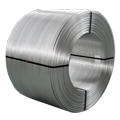
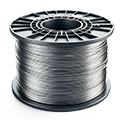
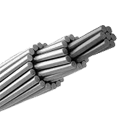
Aluminum wire rod casting is a cornerstone of the aluminum manufacturing industry, serving as the foundational process that transforms molten aluminum into long, continuous rods. These wire rods are integral to a multitude of applications, ranging from automotive components and electrical wiring to construction materials and consumer electronics. The casting process begins with the melting of high-purity aluminum in specialized furnaces, where it is then poured into molds to form either ingots or billets. These semi-finished products are subsequently drawn through a series of dies to achieve the desired diameter and mechanical properties, culminating in the production of aluminum wire rods.
The efficiency and precision of the casting process are paramount, as they directly influence the quality, consistency, and performance of the final wire rods. Traditionally, the process involved batch casting methods, which, while effective, often resulted in limitations concerning production speed, material waste, and quality control. However, recent advancements in casting technologies have ushered in a new era of continuous and vertical casting methods, significantly enhancing the overall efficiency and sustainability of aluminum wire rod production.
B. Importance of Improving Quality and Reducing Waste
In today’s industrial landscape, the emphasis on quality and sustainability has never been greater. High-quality aluminum wire rods ensure reliability and performance across various applications, directly impacting the end products’ durability and efficiency. Concurrently, reducing material waste is not only a matter of cost-effectiveness but also an environmental imperative. The aluminum industry, known for its significant energy consumption and material usage, faces increasing pressure to adopt practices that minimize waste and promote sustainability.
Enhancing the quality of aluminum wire rods while simultaneously reducing waste presents a dual advantage. Improved quality translates to fewer defects, lower rejection rates, and enhanced performance in end-use applications. On the other hand, waste reduction leads to substantial cost savings, better resource utilization, and a smaller environmental footprint. Innovations in casting technologies are critical in achieving these goals, enabling manufacturers to produce superior products more efficiently and sustainably. By leveraging advanced continuous and vertical casting methods, the aluminum industry can address these challenges head-on, fostering a more resilient and eco-friendly manufacturing ecosystem.
II. Continuous Casting Technology
A. Explanation of Continuous Casting
Continuous casting represents a significant leap forward in aluminum wire rod production, offering a streamlined alternative to traditional batch casting methods. Unlike batch casting, where molten aluminum is poured into molds to form discrete ingots or billets that are later processed into wire rods, continuous casting eliminates several intermediate steps, thereby enhancing efficiency and consistency.
In the continuous casting process, molten aluminum is fed into a casting machine where it solidifies into a continuous strand as it moves through a series of controlled cooling zones. The process typically involves the use of a tundish to regulate the flow of molten metal, followed by passage through a water-cooled mold that facilitates the initial solidification. Subsequent rollers and cooling systems ensure that the aluminum strand solidifies uniformly as it progresses, ultimately emerging as a continuous wire rod ready for further processing, such as drawing and annealing.
This method offers unparalleled control over the casting parameters, including temperature, speed, and cooling rates, allowing for the precise tailoring of the wire rod’s properties. The continuous nature of the process not only enhances production speed but also ensures a consistent product quality, reducing the variability that is often inherent in batch processes.
B. Benefits of Continuous Casting Over Traditional Methods
Continuous casting offers a multitude of advantages over traditional batch casting methods, making it an attractive option for modern aluminum wire rod manufacturers:
- Enhanced Efficiency and Throughput: By eliminating the need for intermediate ingot or billet formation, continuous casting streamlines the production process. This results in reduced cycle times and significantly higher throughput rates. Manufacturers can produce wire rods at a faster pace without compromising quality, thereby meeting increasing market demands more effectively.
- Improved Quality Control: Continuous casting allows for precise control over casting parameters, ensuring uniform cooling and solidification. This leads to wire rods with consistent mechanical properties, such as tensile strength and ductility, and minimizes the occurrence of defects like cracks or voids. Enhanced quality control translates to higher reliability and performance in end-use applications.
- Reduced Material Waste: The precision inherent in continuous casting minimizes material loss and scrap generation. By maintaining a steady flow of molten aluminum and ensuring optimal solidification, manufacturers can achieve higher material utilization rates. This reduction in waste not only lowers production costs but also contributes to more sustainable manufacturing practices.
- Energy Efficiency: Continuous casting processes are generally more energy-efficient compared to batch methods. The uninterrupted flow of molten aluminum reduces the energy required for heating and cooling, leading to significant energy savings. Additionally, the streamlined process minimizes heat loss, further enhancing overall energy efficiency.
- Flexibility and Scalability: Continuous casting systems offer greater flexibility in adjusting production parameters to accommodate varying product specifications and market demands. This scalability allows manufacturers to adapt quickly to changes in demand, ensuring a responsive and agile production process.
C. Case Studies or Examples of Companies Implementing Continuous Casting
Several prominent aluminum manufacturers have embraced continuous casting technologies to enhance their production capabilities and achieve significant improvements in efficiency and quality. Notable examples include:
- Alcoa Corporation: As a global leader in aluminum production, Alcoa has integrated continuous casting systems across its wire rod facilities. This transition has yielded a 15% increase in production efficiency, enabling the company to meet growing market demands more effectively. Additionally, the adoption of continuous casting has resulted in a 20% reduction in material waste, underscoring the technology’s impact on sustainability and cost savings.
- Constellium SE: Renowned for its high-quality aluminum products, Constellium has implemented continuous casting methods to enhance product consistency and energy efficiency. The company’s continuous casting systems have led to a more uniform product quality, reducing defects and improving the performance of wire rods in critical applications. Moreover, the energy savings achieved through continuous casting have contributed to Constellium’s commitment to sustainable manufacturing practices.
- Rio Tinto: A major player in the global aluminum industry, Rio Tinto has upgraded its facilities with state-of-the-art continuous casting technology. This upgrade has resulted in a 20% decrease in material waste and a 15% increase in conversion rates, highlighting the tangible benefits of continuous casting in optimizing production processes and enhancing sustainability.
- Elka Mehr Kimiya: Elka Mehr Kimiya stands out as a leading manufacturer of aluminum rods, alloys, conductors, ingots, and wire in the Northwest of Iran. Equipped with cutting-edge production machinery, Elka Mehr Kimiya is committed to excellence, ensuring top-quality products through precision engineering and rigorous quality control. By adopting continuous casting technologies, Elka Mehr Kimiya has significantly enhanced its production capabilities, achieving higher conversion rates and reducing material waste. The company’s investment in advanced casting machinery has not only improved product consistency but also increased operational efficiency, allowing Elka Mehr Kimiya to meet the growing demands of both domestic and international markets. Their dedication to precision and quality control exemplifies how continuous casting can drive excellence in aluminum wire rod manufacturing, positioning Elka Mehr Kimiya as a key player in the region’s aluminum industry.
These case studies demonstrate the transformative potential of continuous casting technology in the aluminum wire rod industry, showcasing how leading companies are leveraging this innovation to drive productivity, reduce waste, and enhance product quality.
III. Vertical vs. Horizontal Casting
A. Comparison of Vertical and Horizontal Casting Techniques
Casting techniques in aluminum wire rod production can be broadly categorized based on the orientation of the casting process: vertical and horizontal casting. Each method has its unique operational dynamics, advantages, and challenges, influencing factors such as heat management, space utilization, and conversion efficiency.
- Vertical Casting: In vertical casting, the molten aluminum is introduced from the top of the casting machine, and the solidified rod moves downward under the influence of gravity. This orientation facilitates efficient heat dissipation and uniform solidification, as the vertical alignment allows for consistent cooling along the entire length of the rod. Vertical casting systems are often integrated with continuous casting technology, enabling uninterrupted production flows and high conversion rates.
- Horizontal Casting: Conversely, horizontal casting involves pouring molten aluminum horizontally into the casting machine. The solidified rod moves laterally, parallel to the ground. While horizontal casting systems can be simpler to implement and maintain, they often encounter challenges related to uniform cooling and material flow. The horizontal orientation can lead to uneven solidification, increasing the likelihood of defects and material waste.
The choice between vertical and horizontal casting techniques depends on various factors, including the desired production capacity, available space, and specific quality requirements of the wire rods. However, recent trends indicate a growing preference for vertical casting due to its superior performance in key operational areas.
B. Advantages of Vertical Casting in Terms of Ingot-to-Rod Conversion
Vertical casting offers several significant advantages over horizontal casting, particularly concerning ingot-to-rod conversion rates. These advantages stem from the inherent design and operational characteristics of vertical casting systems, which optimize various aspects of the casting process:
- Superior Heat Management: The vertical orientation of the casting system facilitates more effective heat transfer from the molten aluminum to the cooling environment. This results in more uniform solidification of the rod, reducing thermal gradients that can cause internal stresses and defects. Consistent cooling enhances the mechanical properties of the wire rod, ensuring higher quality and reliability.
- Higher Conversion Rates: Vertical casting systems are designed to achieve higher ingot-to-rod conversion ratios, often exceeding 90%. This high conversion rate is achieved through precise control of casting parameters and optimized heat dissipation, ensuring that a greater proportion of the ingot is successfully transformed into usable wire rods. In contrast, horizontal casting systems typically exhibit lower conversion rates, around 75-80%, due to inefficiencies in heat management and material flow.
- Space Optimization: Vertical casting machines are generally more compact, occupying less floor space compared to their horizontal counterparts. This space efficiency allows manufacturers to design more streamlined and flexible plant layouts, accommodating additional machinery and processes without necessitating significant expansion. Better space utilization contributes to overall operational efficiency and cost-effectiveness.
- Enhanced Production Continuity: The vertical orientation aligns seamlessly with continuous casting processes, enabling uninterrupted production flows. This continuity minimizes downtime and ensures a steady output of wire rods, enhancing overall production capacity and meeting market demands more effectively.
- Improved Material Utilization: The precision and control inherent in vertical casting systems lead to higher material utilization rates. By minimizing defects and ensuring consistent rod dimensions, vertical casting reduces the amount of scrap and rework required, contributing to more efficient use of raw materials and lower production costs.
C. Challenges and Considerations with Vertical Casting
While vertical casting offers numerous advantages, it also presents certain challenges that manufacturers must address to maximize its benefits:
- Complex Machinery and Equipment: Vertical casting systems are typically more sophisticated and technologically advanced than horizontal systems. They require specialized machinery with precise control mechanisms to maintain optimal casting conditions. The complexity of the equipment necessitates a higher level of technical expertise and investment in advanced control systems to ensure consistent performance.
- Maintenance and Operational Expertise: The vertical orientation of casting machinery can complicate maintenance procedures. Accessing and servicing vertical casting components often requires specialized training and equipment, increasing the operational complexity. Manufacturers must invest in training programs and maintenance protocols to ensure that personnel are equipped to handle the unique demands of vertical casting systems.
- Higher Initial Investment Costs: The advanced technology and specialized equipment associated with vertical casting systems typically entail higher upfront costs compared to horizontal systems. This initial investment can be a barrier for smaller manufacturers or those with limited capital resources. However, the long-term benefits of higher conversion rates, reduced waste, and improved efficiency often justify the higher initial expenditure.
- Integration with Existing Processes: Transitioning to vertical casting may require significant modifications to existing production lines and infrastructure. Manufacturers must carefully plan and execute the integration of vertical casting systems to minimize disruptions and ensure compatibility with other manufacturing processes. This may involve additional investments in infrastructure upgrades and process reengineering.
- Thermal Management Challenges: While vertical casting offers superior heat management, maintaining consistent thermal conditions can be challenging, especially in larger-scale operations. Variations in ambient temperature, cooling rates, and material properties can impact the solidification process, necessitating continuous monitoring and adjustments to maintain optimal conditions.
Despite these challenges, vertical casting remains a compelling choice for modern aluminum wire rod manufacturers due to its substantial advantages in efficiency, quality, and sustainability. With appropriate investment in technology and expertise, manufacturers can overcome these hurdles and fully leverage the benefits of vertical casting.
IV. Improving Ingot-to-Rod Conversion Rates
A. Factors That Impact Conversion Rates
The ingot-to-rod conversion rate is a critical metric in aluminum wire rod production, reflecting the efficiency with which raw aluminum ingots are transformed into finished wire rods. Several factors influence this conversion rate, each playing a pivotal role in determining the overall efficiency and profitability of the manufacturing process:
- Casting Speed: The speed at which molten aluminum is cast into wire rods significantly impacts the conversion rate. Higher casting speeds can increase production throughput, but if not carefully controlled, they may lead to inadequate solidification, resulting in defects such as cracks or incomplete rods. Balancing speed with quality control is essential to maintain high conversion rates.
- Temperature Control: Precise temperature management throughout the casting process is vital for ensuring proper solidification of aluminum. Variations in temperature can lead to uneven cooling, thermal stresses, and the formation of defects. Maintaining optimal temperature gradients helps in achieving consistent rod dimensions and mechanical properties.
- Alloy Composition: The chemical composition of the aluminum alloy affects its flow characteristics, viscosity, and solidification behavior. Alloys with favorable properties can flow more smoothly during casting, reducing the likelihood of defects and improving material utilization. Tailoring alloy compositions to suit specific casting conditions can enhance conversion efficiency.
- Equipment Precision and Maintenance: High-precision casting equipment ensures consistent rod dimensions and minimizes the occurrence of defects. Regular maintenance of machinery is crucial to prevent equipment wear and tear, which can adversely affect casting quality and conversion rates. Advanced control systems and automation also play a role in maintaining equipment precision.
- Environmental Factors: Ambient conditions, such as humidity and temperature, can influence the casting process. Fluctuations in environmental conditions can affect cooling rates and material behavior, impacting conversion rates. Implementing environmental controls within the manufacturing facility can help mitigate these effects.
- Operator Expertise: Skilled operators who understand the intricacies of the casting process are essential for optimizing conversion rates. Their ability to monitor and adjust casting parameters in real-time can prevent defects and ensure smooth production flows.
B. How New Casting Technologies Address These Factors
Innovations in casting technologies are directly addressing the factors that impact ingot-to-rod conversion rates, offering solutions that enhance efficiency, quality, and sustainability:
- Advanced Control Systems and Automation: Modern continuous casting machines are equipped with sophisticated control systems that monitor and adjust casting parameters in real-time. Sensors and automation technologies enable precise control of casting speed, temperature, and cooling rates, ensuring optimal conditions for solidification. Automated adjustments reduce the reliance on manual intervention, minimizing human error and enhancing consistency.
- Enhanced Alloy Formulations: Research and development efforts have led to the creation of aluminum alloy formulations tailored for improved flow characteristics and solidification behavior. These enhanced alloys facilitate smoother material flow during casting, reducing the likelihood of defects and improving overall conversion efficiency. Optimized alloy compositions also contribute to better mechanical properties in the final wire rods.
- Precision Machinery and Equipment: The development of high-precision casting equipment ensures consistent rod dimensions and minimizes defects. Innovations such as improved mold designs, advanced cooling systems, and enhanced material handling mechanisms contribute to higher conversion rates. Precision machinery also allows for finer control over casting parameters, leading to more uniform product quality.
- Real-Time Monitoring and Predictive Maintenance: Integration of sensors and data analytics in casting processes enables continuous monitoring of key parameters. Predictive maintenance algorithms analyze real-time data to anticipate equipment failures or deviations from optimal conditions, allowing for proactive interventions. This approach reduces downtime, prevents defects, and maintains high conversion rates.
- Energy-Efficient Technologies: Innovations aimed at improving energy efficiency, such as optimized heating and cooling systems, contribute to more sustainable casting processes. Energy-efficient technologies not only reduce operational costs but also minimize the environmental impact of aluminum production. Enhanced energy management supports higher conversion rates by maintaining stable thermal conditions during casting.
- Enhanced Process Control Software: Advanced process control software provides manufacturers with detailed insights into the casting process, enabling fine-tuning of parameters to achieve desired outcomes. These software solutions facilitate data-driven decision-making, ensuring that casting operations are optimized for maximum efficiency and quality.
C. Quantifiable Improvements in Conversion Rates and Waste Reduction
The implementation of new casting technologies has yielded substantial quantifiable improvements in ingot-to-rod conversion rates and waste reduction, demonstrating the tangible benefits of innovation in aluminum wire rod production:
- Conversion Rates: Manufacturers adopting continuous and vertical casting technologies have reported ingot-to-rod conversion rates exceeding 90%, a significant improvement from the traditional rates of 75-80%. For instance, Alcoa’s integration of continuous casting systems resulted in a 15% increase in production efficiency and elevated conversion rates, underscoring the effectiveness of these technologies in optimizing material utilization.
- Waste Reduction: Enhanced precision and process control have led to up to a 25% reduction in material waste. Rio Tinto, after upgrading to state-of-the-art continuous casting systems, observed a 20% decrease in material waste. Elka Mehr Kimiya, through the adoption of continuous casting technology, has similarly achieved notable reductions in waste, aligning with their commitment to sustainability and cost-efficiency.
- Energy Savings: Continuous casting technologies have facilitated energy savings of approximately 10-15% compared to traditional batch casting methods. These savings are achieved through more efficient heating and cooling processes, as well as reduced energy losses during material handling and solidification.
- Improved Product Quality: The adoption of advanced casting technologies has resulted in a notable decrease in defects and variability in wire rod products. Manufacturers have reported a reduction in rejection rates by up to 30%, ensuring higher yields and more consistent product quality.
- Operational Efficiency: Enhanced automation and real-time monitoring have streamlined production workflows, reducing downtime and maintenance-related disruptions. This increased operational efficiency has allowed manufacturers to scale production volumes without compromising on quality or incurring additional costs.
These quantifiable improvements highlight the critical role of technological advancements in driving efficiency, reducing waste, and enhancing the overall sustainability of aluminum wire rod casting processes. By leveraging these innovations, manufacturers can achieve significant operational benefits while meeting the growing demands of the market.
V. Conclusion
A. Summary of Key Innovations and Their Impact
The aluminum wire rod casting industry is undergoing a transformative phase, propelled by a series of technological innovations that are redefining the standards of efficiency, quality, and sustainability. Continuous casting technology emerges as a pivotal advancement, offering a streamlined and highly controlled production process that significantly enhances ingot-to-rod conversion rates and minimizes material waste. By eliminating intermediate steps inherent in traditional batch casting methods, continuous casting not only boosts production throughput but also ensures consistent product quality through precise control of casting parameters.
The shift from horizontal to vertical casting techniques further amplifies these benefits, providing superior heat management, higher conversion rates, and more efficient space utilization. Vertical casting systems, integrated with continuous casting technology, enable manufacturers to achieve greater material utilization and reduce energy consumption, thereby lowering operational costs and environmental impact. Despite the challenges associated with vertical casting, such as higher initial investment and increased maintenance complexity, the long-term advantages in terms of efficiency and sustainability make it a compelling choice for modern manufacturers.
Additionally, advancements in alloy formulations, precision machinery, and real-time monitoring systems address the critical factors impacting conversion rates. These innovations collectively contribute to higher conversion efficiencies, reduced waste generation, and improved product consistency, positioning the aluminum wire rod industry for continued growth and competitiveness in a dynamic global market.
B. Future Outlook for Aluminum Wire Rod Casting
Looking ahead, the aluminum wire rod casting industry is poised for further advancements and innovations that will continue to enhance productivity, quality, and sustainability. Several emerging trends are set to shape the future of aluminum casting:
- Integration of Artificial Intelligence and Machine Learning: The incorporation of AI and machine learning algorithms into casting processes will enable predictive maintenance, real-time optimization of casting parameters, and enhanced quality control. These technologies will provide deeper insights into process dynamics, allowing for more accurate predictions of potential defects and enabling proactive adjustments to maintain optimal production conditions.
- Advancements in Alloy Development: Ongoing research into aluminum alloy compositions will yield new formulations with improved flow characteristics, higher strength-to-weight ratios, and better corrosion resistance. These advancements will expand the range of applications for aluminum wire rods and enhance their performance in critical industries such as aerospace, automotive, and electronics.
- Enhanced Recycling Technologies: As sustainability becomes increasingly central to manufacturing practices, advancements in aluminum recycling technologies will play a crucial role in reducing the industry’s environmental footprint. Improved recycling processes will enable more efficient recovery and reuse of aluminum scrap, contributing to circular economy initiatives and resource conservation.
- Smart Manufacturing and Industry 4.0: The adoption of smart manufacturing practices and Industry 4.0 principles will revolutionize aluminum casting operations. Connected devices, IoT sensors, and data analytics platforms will facilitate seamless integration of various production stages, enabling real-time monitoring, data-driven decision-making, and enhanced operational agility.
- Sustainable Energy Solutions: The pursuit of sustainable energy solutions will drive the development of more energy-efficient casting technologies and the integration of renewable energy sources into manufacturing processes. These efforts will reduce the carbon footprint of aluminum production and support global sustainability goals.
- Customization and Flexibility: Future casting technologies will offer greater customization and flexibility, allowing manufacturers to tailor wire rod specifications to meet specific customer requirements. This adaptability will enhance the competitiveness of aluminum wire rod products in diverse and evolving markets.
As the industry embraces these cutting-edge developments, aluminum wire rod casting will continue to evolve, delivering superior products while minimizing environmental impact. Manufacturers who invest in these innovations will not only achieve operational excellence but also contribute to a more sustainable and resilient global economy.
No comment