



Introduction
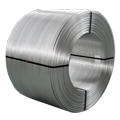
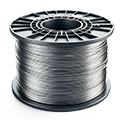
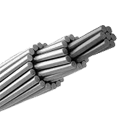
The production of aluminum wire rods, which are used in various critical applications, particularly in electrical and telecommunications industries, is a highly complex and meticulous process. Aluminum wire rods must meet stringent standards of quality and performance to ensure their reliability and efficiency. The process involves several critical stages, from casting and rolling to drawing and cooling, each of which must be carefully monitored and controlled to avoid defects. These defects, ranging from structural weaknesses and dimensional inconsistencies to cracks and inclusions, can significantly impact the wire’s mechanical properties, such as conductivity, tensile strength, and elongation.
Traditionally, the control of key variables during the production process—such as alloy composition, temperature, and cooling rates—was heavily reliant on manual intervention, operator expertise, and historical data. However, this approach had limitations, particularly in terms of precision, scalability, and the ability to detect potential defects before they occurred. This is where Artificial Intelligence (AI) and Machine Learning (ML) have proven to be game-changers. By leveraging vast amounts of production data, AI and ML technologies offer unprecedented levels of predictive power, enabling manufacturers to optimize the production process, reduce defects, and improve the overall performance of aluminum wire rods. These technologies are also driving greater efficiency in production, leading to cost savings and better resource utilization.
In this blog post, we will explore how AI and machine learning models are revolutionizing the aluminum wire rod manufacturing process. We will discuss how these technologies help in controlling critical metallurgy variables, reducing defects, and improving the quality of aluminum conductors. Additionally, we will look at real-world case studies where AI-powered systems have led to measurable improvements in production and quality.
Controlling Metallurgy Variables with Machine Learning
In the production of aluminum wire rods, metallurgy variables such as temperature, alloy composition, and cooling rate are fundamental to the final product’s quality. Even minor fluctuations in these factors can lead to significant variations in the mechanical properties of the wire, affecting its strength, conductivity, and performance in various applications. Historically, operators controlled these variables through manual adjustments, relying on their experience and knowledge of the material, but this process was often imprecise and reactive. Moreover, these traditional methods did not always account for the complex interrelationships between different parameters, leading to inconsistent results and increased risk of defects.
Machine learning (ML) models offer a much more reliable and precise approach to managing these critical metallurgy variables. By analyzing large datasets from sensors, production logs, and historical production data, AI systems can identify hidden patterns and correlations between different variables that impact product quality. For example, a machine learning model could analyze data from the casting process, including temperature, cooling rate, and alloy composition, to predict the ideal conditions for achieving the desired wire rod properties, such as tensile strength or electrical conductivity.
The real strength of AI and ML comes from their ability to continuously learn and adapt over time. As these systems process more production data, they refine their models, improving the accuracy of predictions and recommendations. This continuous learning mechanism allows manufacturers to make real-time adjustments during the production process, maintaining optimal conditions and reducing the likelihood of errors. For example, an ML model might detect that the cooling rate during a specific production run is not within the optimal range, triggering an alert and suggesting corrective actions to avoid defects. By automating these adjustments and optimizing metallurgy parameters, manufacturers can achieve higher consistency and reliability in their wire rods.
One key advantage of this approach is the ability to predict the outcome of various production scenarios before they occur. For instance, machine learning models can simulate the impact of different alloy compositions or cooling rates on the final product, helping manufacturers choose the best combination of parameters for each batch of wire rods. This predictive capability allows for more precise control over the production process, reducing waste and improving resource efficiency.
Reducing Defects and Enhancing Conductor Performance
One of the most significant benefits of AI and ML in aluminum wire rod production is the reduction of defects, which directly contributes to improved conductor performance. Defects in aluminum wire rods—such as cracks, inclusions, surface irregularities, or dimensional errors—can drastically reduce the wire’s mechanical properties and electrical performance. For example, surface cracks can lead to reduced conductivity, while dimensional inconsistencies can affect the wire’s ability to carry current or withstand mechanical stress.
AI-driven quality prediction models help manufacturers reduce defects by identifying patterns in production data that correlate with defect formation. These models can detect early signs of potential defects, such as deviations in temperature, cooling rate, or deformation, and alert operators to take corrective action before the problem becomes severe. For instance, an AI model might analyze data from the drawing process and identify that certain temperature fluctuations are causing micro-cracks in the wire, enabling operators to adjust the temperature in real time.
Moreover, AI can be used to predict and enhance the performance characteristics of aluminum wire rods, such as tensile strength, elongation, and electrical conductivity. By continuously monitoring production parameters and analyzing how they affect these properties, machine learning models can help manufacturers fine-tune their processes to ensure that the final product meets the required specifications. For example, AI can optimize the alloy composition to balance conductivity and tensile strength, ensuring the wire rods are both electrically efficient and mechanically robust.
In addition to improving the quality of the wire rods, AI also contributes to operational efficiency. By reducing the incidence of defects, manufacturers can avoid costly rework and minimize material waste. AI-powered quality control systems can lead to significant cost savings by reducing the need for inspections, scrap, and downtime. The predictive nature of AI means that potential issues are addressed before they result in expensive production delays or product recalls.
Real-World Case Studies
Case Study 1: AI-Powered Quality Control at a Leading Aluminum Manufacturer
A major global aluminum manufacturer sought to improve the quality and consistency of its aluminum wire rods by implementing an AI-powered machine learning system. This company faced challenges related to temperature control during the casting process, which led to uneven cooling and variations in the mechanical properties of the wire rods. These inconsistencies resulted in defects such as surface cracks and uneven tensile strength, which impacted the overall product quality.
To address this challenge, the company deployed a machine learning model that analyzed historical production data, including temperature, alloy composition, and cooling rates. The model was trained to predict the optimal casting temperatures and cooling rates based on the desired properties of the wire rod. By integrating this predictive model into the production process, the company was able to make real-time adjustments to the casting parameters, ensuring more consistent cooling and better control over the final product’s properties.
The impact of this AI-driven approach was significant. The company reported a 20% reduction in defects related to uneven cooling, which resulted in a noticeable improvement in the tensile strength and surface quality of the wire rods. Additionally, the improved consistency allowed the company to reduce material waste by 15%, leading to cost savings and increased production efficiency.
Case Study 2: AI-Driven Defect Detection in an Aluminum Rod Rolling Mill
In another example, an aluminum rod rolling mill used AI to improve its defect detection and reduce surface imperfections in the wire rods. The mill experienced frequent surface defects such as cracks and ripples during the drawing process, which were difficult to predict using traditional methods. These defects often resulted in costly rework, scrap, and delays in production.
The mill implemented an AI-driven quality control system that integrated data from sensors monitoring the drawing process. By using machine learning algorithms to analyze this real-time data, the system was able to predict potential surface defects before they occurred. For instance, the system detected specific patterns in the deformation process that led to surface cracks, alerting operators to adjust the machine settings and prevent further issues.
As a result, the mill saw a 30% reduction in surface defects and a substantial improvement in the visual quality of the wire rods. This reduction in defects also led to improved customer satisfaction, as the wire rods met higher quality standards for industries such as power transmission and telecommunications.
Conclusion
AI and machine learning have fundamentally changed the way aluminum wire rod manufacturers approach quality control and production optimization. By providing real-time insights into critical metallurgy variables, predictive models enable manufacturers to optimize their processes, reduce defects, and enhance the performance of aluminum conductors. The case studies we’ve explored demonstrate the tangible benefits of AI-powered systems in improving product consistency, reducing waste, and enhancing operational efficiency.
As AI technologies continue to advance, the potential for even greater improvements in aluminum wire rod production is immense. Machine learning models will become increasingly sophisticated, offering even more precise control over the production process and enabling manufacturers to meet the growing demand for high-performance aluminum products. The future of aluminum wire rod manufacturing is bright, with AI playing a central role in driving innovation, quality, and efficiency in the industry.

No comment