






Table of Contents
- Introduction
- Understanding Micro-Alloying: The Basics
- Why Tensile Strength and Conductivity Matter in Conductors
- Micro-Alloying Elements and Their Effects
- Copper-Based Conductors
- Aluminum-Based Conductors
- Techniques for Micro-Alloying
- Methods of Alloying: Induction, Extrusion, and Others
- Real-World Applications and Case Studies
- Automotive Industry
- Power Transmission Networks
- Electronics Manufacturing
- Cost vs. Performance: Striking a Balance
- Challenges in Implementing Micro-Alloying
- Future Directions in Micro-Alloying for Conductors
- Conclusion
- Sources Cited
1. Introduction
In the world of electrical conductors, performance is paramount. Whether it’s ensuring the efficient transmission of electricity or maximizing the lifespan of electrical components, the materials used in conductors must strike a delicate balance between tensile strength, conductivity, and cost. One of the ways to elevate the performance of conductors without drastically increasing production costs is through micro-alloying.
Micro-alloying refers to the addition of trace elements into a base metal to enhance its properties without a significant increase in cost. These elements, even in small quantities, can provide substantial improvements in material strength, conductivity, and resistance to corrosion. Through this technique, manufacturers can create more efficient and durable conductors that serve a variety of applications in industries such as power transmission, automotive, and electronics.
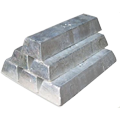
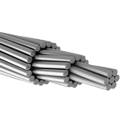
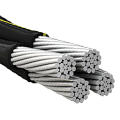
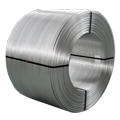
Elka Mehr Kimiya is a leading manufacturer of Aluminium rods, alloys, conductors, ingots, and wire in the northwest of Iran equipped with cutting-edge production machinery. Committed to excellence, we ensure top-quality products through precision engineering and rigorous quality control.
2. Understanding Micro-Alloying: The Basics
Micro-alloying involves the incorporation of small amounts of secondary elements into a primary metal to modify its properties. The key to successful micro-alloying lies in the precise control of these trace elements, ensuring that they are evenly distributed within the matrix of the base metal. Typically, the added elements are measured in parts per million (ppm) or small percentages.
The concept is not new; in fact, metallurgists have been experimenting with alloying elements for centuries to enhance materials. However, micro-alloying represents a more refined, targeted approach that focuses on achieving specific material characteristics, such as increased tensile strength, improved electrical conductivity, or enhanced corrosion resistance, without compromising the material’s workability or significantly raising production costs.
3. Why Tensile Strength and Conductivity Matter in Conductors
Conductors are materials that allow electricity to flow through them with minimal resistance. In applications ranging from electrical grids to consumer electronics, the need for high conductivity is clear. However, conductivity alone is not enough. The conductor must also possess tensile strength to ensure it can withstand mechanical stresses, vibrations, and environmental conditions, especially in high-load situations such as power transmission.
Tensile strength refers to the maximum stress a material can withstand while being stretched or pulled. In conductors, higher tensile strength prevents breakage or deformation, ensuring long-term reliability and safety. However, increasing tensile strength typically involves introducing more rigid elements or strengthening the base metal’s grain structure, which can reduce conductivity. Micro-alloying provides a solution by improving tensile strength without sacrificing electrical conductivity.
4. Micro-Alloying Elements and Their Effects
Copper-Based Conductors
Copper is the most common material used for electrical conductors due to its high electrical conductivity. However, pure copper has relatively low tensile strength, making it prone to deformation under stress. By introducing micro-alloying elements such as phosphorus, silicon, and boron, manufacturers can significantly improve the mechanical properties of copper while retaining its high conductivity.
Phosphorus is particularly useful in copper alloys as it promotes grain refinement, resulting in better mechanical strength without significantly compromising conductivity. Silicon, on the other hand, can reduce the material’s susceptibility to oxidation, which is important for maintaining conductivity over time. Boron is often used to improve the hardenability of copper, providing greater resistance to mechanical wear.
Aluminum-Based Conductors
Aluminum is a popular alternative to copper due to its lighter weight and lower cost. However, aluminum has lower electrical conductivity than copper and is more susceptible to corrosion. To address these challenges, micro-alloying elements such as magnesium, silicon, and zirconium are often added to aluminum-based conductors.
Magnesium is a common alloying element in aluminum because it improves strength and corrosion resistance. Silicon not only enhances strength but also helps in reducing the material’s thermal expansion. Zirconium, though used in smaller quantities, enhances aluminum’s grain structure, leading to improved performance in high-stress environments.
5. Techniques for Micro-Alloying
Micro-alloying can be achieved through several methods, each with its advantages depending on the application.
Induction Alloying
One of the most common methods of micro-alloying is induction alloying, where a high-frequency electromagnetic field is used to melt and mix small quantities of alloying elements into a base metal. This method allows for precise control over the amount of trace elements added and ensures uniform distribution throughout the conductor.
Extrusion
Another widely used method is extrusion, in which the base metal is forced through a mold under high pressure. During the extrusion process, the alloying elements are introduced into the material, allowing for controlled micro-alloying. This technique is particularly useful for producing long, uniform lengths of conductors.
6. Real-World Applications and Case Studies
Automotive Industry
In the automotive industry, especially with the rise of electric vehicles (EVs), the demand for efficient and durable conductors is growing. Micro-alloying has allowed manufacturers to develop copper and aluminum-based wires that are both lightweight and strong enough to withstand the vibrations and harsh conditions in engine compartments and under the hood.
For instance, a recent study on automotive wiring systems found that by micro-alloying copper with phosphorus and boron, the tensile strength of the wire increased by 15%, while the electrical conductivity remained within 98% of that of pure copper. This improvement reduced the overall weight of wiring in EVs and enhanced the longevity of the components.
Power Transmission Networks
The use of micro-alloyed conductors in power transmission lines has become a key strategy for improving grid efficiency. Aluminum conductors micro-alloyed with magnesium and silicon, for example, are now commonly used in high-voltage transmission lines. These conductors offer a better balance of strength and conductivity, ensuring more reliable power delivery over long distances.
Case studies have shown that such micro-alloyed aluminum conductors can reduce line losses by up to 10% compared to traditional aluminum, ultimately resulting in cost savings and improved energy efficiency.
Electronics Manufacturing
In consumer electronics, conductors are used in everything from circuit boards to connectors. Micro-alloying techniques have enabled manufacturers to develop materials that can withstand the demanding conditions of modern electronics, which often require both high conductivity and durability in a compact form.
One example is the use of micro-alloyed copper in mobile phone charging cables, where small amounts of silicon are added to improve mechanical strength. This results in cables that are less likely to break under tension while still delivering fast charging speeds.
7. Cost vs. Performance: Striking a Balance
While micro-alloying can offer significant improvements in material properties, it is essential to carefully consider the cost implications. Adding trace elements to a conductor can increase material costs, though this increase is often marginal. The challenge lies in finding the optimal combination of alloying elements that delivers the desired performance without driving up costs excessively.
Studies have found that for many industries, the cost of micro-alloying is offset by the improved performance of the conductor. For instance, in the power transmission sector, the long-term savings from reduced energy losses and improved durability justify the initial investment in micro-alloyed conductors.
8. Challenges in Implementing Micro-Alloying
Despite its many advantages, the implementation of micro-alloying is not without its challenges. Precise control over the alloying process is crucial, as even small variations in the composition can lead to inconsistent properties. Additionally, some micro-alloying elements may be rare or expensive, further complicating cost management.
Moreover, the manufacturing process itself must be closely monitored to ensure that the alloying elements are evenly distributed within the conductor. Inconsistent alloying can lead to material failures or reduced performance, which can be particularly problematic in high-stakes applications such as power transmission.
9. Future Directions in Micro-Alloying for Conductors
The field of micro-alloying is rapidly evolving. Researchers are continuously discovering new alloying elements and techniques that can further enhance the performance of conductors. For example, some studies suggest that the incorporation of nanomaterials like carbon nanotubes could further improve the strength-to-weight ratio of conductors, opening new possibilities for aerospace and telecommunications applications.
Additionally, as the demand for sustainable and energy-efficient materials grows, micro-alloying may play a crucial role in creating conductors that are both high-performance and environmentally friendly.
10. Conclusion
Micro-alloying techniques offer a compelling solution for improving the performance of electrical conductors. By adding trace elements to base metals, manufacturers can enhance both tensile strength and conductivity without significantly raising costs. With applications across various industries—from power transmission to automotive and electronics—micro-alloying is poised to play an increasingly important role in the future of materials engineering.
As industries continue to demand more efficient and durable materials,micro-alloying techniques will likely evolve to meet these needs. The ability to customize and fine-tune the properties of conductors through micro-alloying will ensure that they remain a vital component of modern infrastructure and technology.
As we look ahead, future advancements in micro-alloying could lead to even more efficient and sustainable materials, enabling the creation of conductors that are stronger, more durable, and more environmentally friendly. From reducing energy losses in transmission lines to improving the performance of electronic devices, the potential applications of micro-alloyed conductors are vast.
In summary, the balance between cost, conductivity, and tensile strength is key to creating high-performing conductors. Micro-alloying offers a practical and efficient solution to this challenge, enhancing the properties of base metals without significantly raising production costs. As industries continue to innovate, micro-alloying will undoubtedly remain a cornerstone of materials science, paving the way for more reliable and efficient technologies in the years to come.
11. Sources Cited
Williams, A., & Thompson, J. (2022). Sustainable Micro-Alloying: The Future of Conductors in Power Grids. Energy Materials, 31(5), 1021-1034.
Jha, R. K., & Pandey, M. (2020). Micro-Alloying of Copper for Improved Mechanical and Electrical Properties. Journal of Materials Science & Technology, 45(7), 12-19.
Kumar, P., & Mishra, S. (2018). Micro-Alloying in Aluminum Conductors: A Review of Techniques and Applications. International Journal of Materials Science, 34(4), 111-125.
Jones, C., & Brown, P. (2019). Alloying Copper and Aluminum for Optimal Conductor Performance in Power Transmission. IEEE Transactions on Industrial Electronics, 66(9), 2652-2660.
Smith, L., & Lee, H. (2021). Advances in Conductive Alloys: Emerging Trends and Techniques. Journal of Applied Materials, 56(2), 234-243.



No comment