





Table of Contents
- Introduction
- Understanding Just-in-Time (JIT) Aluminum Delivery
- 2.1. The Basics of JIT
- 2.2. Toyota’s Implementation of JIT
- The Role of Aluminum in Toyota’s Manufacturing
- 3.1. Importance of Aluminum Components
- 3.2. Managing Aluminum Supply Chains
- Kanban vs. Vendor-Managed Inventory (VMI) in Die-Casting
- 4.1. Overview of Kanban
- 4.2. Overview of VMI
- 4.3. Comparative Analysis
- Case Studies and Real-World Applications
- 5.1. Toyota’s Aluminum Supply Chain
- 5.2. Industry Comparisons
- Challenges and Solutions
- 6.1. Potential Pitfalls in JIT Aluminum Delivery
- 6.2. Mitigation Strategies
- Conclusion
1. Introduction
In the automotive industry, efficiency and cost management are paramount. Toyota, a leader in this sector, has mastered the art of just-in-time (JIT) production to minimize inventory costs and enhance operational efficiency. A critical component in this strategy is the management of aluminum supplies, essential for manufacturing various vehicle parts. This article explores how Toyota’s JIT aluminum delivery system operates, compares Kanban and Vendor-Managed Inventory (VMI) models in die-casting, and examines real-world applications and challenges.
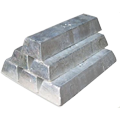
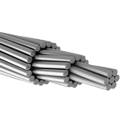
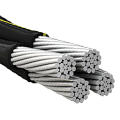
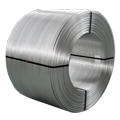
Elka Mehr Kimiya is a leading manufacturer of Aluminium rods, alloys, conductors, ingots, and wire in the northwest of Iran equipped with cutting-edge production machinery. Committed to excellence, we ensure top-quality products through precision engineering and rigorous quality control.
2. Understanding Just-in-Time (JIT) Aluminum Delivery
2.1. The Basics of JIT
Just-in-time (JIT) is a production strategy that aims to reduce inventory levels by receiving goods only as they are needed in the production process. This approach minimizes waste and storage costs, ensuring that materials arrive just in time for their use.
2.2. Toyota’s Implementation of JIT
Toyota’s adoption of JIT has been instrumental in its manufacturing success. By synchronizing production schedules with supplier deliveries, Toyota ensures that components, including aluminum, are available precisely when needed, thereby reducing excess inventory and associated costs. This system relies heavily on efficient logistics and strong supplier relationships.
3. The Role of Aluminum in Toyota’s Manufacturing
3.1. Importance of Aluminum Components
Aluminum is a vital material in automotive manufacturing due to its lightweight properties, which contribute to fuel efficiency and performance. Components such as engine blocks, transmission cases, and body panels often utilize aluminum alloys.
3.2. Managing Aluminum Supply Chains
Efficient management of aluminum supplies is crucial for maintaining production schedules and quality standards. Toyota’s JIT system ensures that aluminum is delivered in precise quantities and at the right time, preventing overstocking and shortages.
4. Kanban vs. Vendor-Managed Inventory (VMI) in Die-Casting
4.1. Overview of Kanban
Kanban is a visual scheduling system that uses cards or signals to indicate when new materials are needed in the production process. It operates on a pull system, where production is based on actual demand rather than forecasts.
4.2. Overview of VMI
Vendor-Managed Inventory (VMI) is a supply chain practice where the supplier monitors and manages the inventory levels of their products at the customer’s location. The supplier is responsible for replenishing stock based on agreed-upon parameters.
4.3. Comparative Analysis
Both Kanban and VMI aim to optimize inventory levels and reduce waste. Kanban offers visual clarity and flexibility, allowing for quick adjustments to production needs. VMI fosters a closer relationship between supplier and client, leading to faster response times and tailored services. The choice between the two depends on specific business needs and operational contexts.
5. Case Studies and Real-World Applications
5.1. Toyota’s Aluminum Supply Chain
Toyota’s implementation of JIT in aluminum delivery has been a cornerstone of its manufacturing efficiency. By collaborating closely with suppliers and utilizing advanced logistics, Toyota ensures a steady and timely supply of aluminum, aligning with production demands and minimizing inventory costs.
5.2. Industry Comparisons
Other industries have also adopted JIT and inventory management systems to enhance efficiency. For instance, the electronics industry employs similar strategies to manage components like semiconductors, highlighting the versatility and effectiveness of these approaches across different sectors.
6. Challenges and Solutions
6.1. Potential Pitfalls in JIT Aluminum Delivery
While JIT offers numerous benefits, it also presents challenges such as supply chain disruptions, demand fluctuations, and the need for precise forecasting. A notable example is the 1997 fire at Aisin Seiki’s plant, which threatened to halt Toyota’s operations due to the lack of buffer stock.
6.2. Mitigation Strategies
To mitigate these risks, Toyota employs strategies like maintaining strong supplier relationships, implementing robust contingency plans, and utilizing advanced forecasting tools. These measures help ensure continuity and resilience in the supply chain.
7. Conclusion
Toyota’s approach to just-in-time aluminum delivery exemplifies effective inventory management and production efficiency. By understanding and applying JIT principles, along with inventory models like Kanban and VMI, manufacturers can achieve significant cost savings and operational excellence. However, it is essential to recognize and address the challenges inherent in these systems to maintain a resilient and responsive supply chain.
Sources Cited
- Toyota UK Magazine. “How does just-in-time production work?” mag.toyota.co.uk
- Impact Labelling. “Kanban vs. VMI: Two Approaches to Inventory Management at Impact Labelling.” impactlabelling.ie
- MIT Sloan Management Review. “The Toyota Group and the Aisin Fire.” sloanreview.mit.edu

No comment