





introduction
Aluminum surrounds us. From the soda can in your hand to the frame of your car, this lightweight metal plays a quiet but vital role in daily life. Its strength and versatility make it a favorite across industries, but what sets aluminum apart is its ability to be recycled endlessly without losing quality. This trait positions recycled aluminum—also called secondary aluminum—as a cornerstone of sustainable manufacturing. Yet, certifying this material to ensure it meets strict quality and environmental standards presents a tangle of challenges. Contamination, inconsistent sorting, and murky supply chains often stand in the way. At the same time, solutions like advanced technologies and global cooperation offer a clear path forward.
The push for certification matters because it builds trust. Consumers and companies want proof that recycled aluminum delivers on its green promises. Without it, the material risks losing its edge in a world that values sustainability. This article digs into those challenges, explores the standards shaping secondary materials, and highlights practical fixes grounded in real-world examples. Think of it as a roadmap through a scrapyard—messy at times, but with a destination worth reaching. Along the way, case studies and data tables will shed light on what works and what doesn’t.
The stakes are high. Aluminum production accounts for about 1% of global greenhouse gas emissions, but recycling it slashes energy use by up to 95% compared to making it from raw ore. Certification ensures this potential isn’t wasted. It’s not just about saving energy; it’s about proving the system works. As demand for sustainable materials grows, so does the need for reliable ways to verify recycled aluminum’s worth.
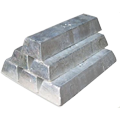
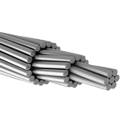
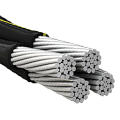
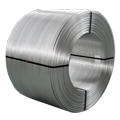
Elka Mehr Kimiya is a leading manufacturer of aluminum rods, alloys, conductors, ingots, and wire in the northwest of Iran equipped with cutting-edge production machinery. Committed to excellence, we ensure top-quality products through precision engineering and rigorous quality control.
What Is Recycled Aluminum?
Recycled aluminum, or secondary aluminum, comes from scrap—used cans, car parts, construction materials, or factory leftovers. Unlike primary aluminum, which starts with bauxite ore mined from the earth, secondary aluminum takes what’s already out there and gives it new life. The process begins with collecting scrap, sorting it, and melting it down to form ingots or other shapes. Sometimes, it skips the melting step entirely, using solid-state methods to reshape the material.
This recycling loop saves resources. Producing primary aluminum requires vast amounts of electricity—about 174 to 186 megajoules per kilogram, according to research from the International Aluminum Institute. Secondary aluminum? Just 10 to 20 megajoules per kilogram. That’s a fraction of the energy, making it a darling of the circular economy. Plus, aluminum doesn’t degrade. You can melt a can today and turn it into a plane part tomorrow, then back into a can years later. It’s like a metal phoenix, rising from its own ashes.
Scrap comes in two flavors: new and old. New scrap, or pre-consumer scrap, includes trimmings and rejects from manufacturing. Old scrap, or post-consumer scrap, is what you toss in the recycling bin—think beverage cans or window frames. In 2020, the Aluminum Association reported that 56% of U.S. aluminum production came from recycled sources, with new scrap dominating the mix. Old scrap, though, carries more baggage. It’s often dirtier, mixed with paint, coatings, or other metals, which complicates certification.
The beauty of recycled aluminum lies in its potential. By 2050, the amount available for recycling could double, per a study in ScienceDirect. But potential isn’t enough. Certification turns that promise into proof, ensuring the material meets specs for strength, purity, and environmental impact. Without it, recycled aluminum risks being seen as second-rate—a perception that couldn’t be further from the truth.
The Importance of Certifying Recycled Aluminum
Certification acts like a handshake. It tells buyers, regulators, and consumers that recycled aluminum holds up to scrutiny. Without it, the material’s environmental benefits—lower emissions, less mining—stay theoretical. Certification makes them tangible. It proves the aluminum in your bike frame or laptop case didn’t just come from a scrap pile; it meets standards for quality and sustainability.
Why does this matter? Trust drives demand. Companies like Apple and Ford lean on recycled aluminum to hit sustainability goals, but they need assurance it won’t fail under stress. A 2022 report from the World Economic Forum pegged aluminum recycling as a key lever to cut industrial emissions by 5%. That’s small but significant when you consider the scale. Certification locks in those gains, ensuring the material performs as expected.
It also fights greenwashing. Too many products claim eco-friendly credentials without evidence. Standards like UL 2809 or ISO 14021 cut through the noise, offering third-party validation. For example, Novelis, a major aluminum recycler, uses certified recycled content to back its low-carbon claims—claims that resonate with customers like Jaguar Land Rover. Without certification, those claims risk sounding like empty promises.
On the flip side, certification protects the industry. Unverified recycled aluminum could flood the market with subpar material, tarnishing the reputation of secondary sources. Think of it as a quality gatekeeper. It keeps the good stuff in and the junk out, preserving aluminum’s status as a sustainable powerhouse.
Standards for Secondary Materials
Standards give recycled aluminum its backbone. They set the rules for what counts as “recycled” and how to prove it. Without them, the industry would be a free-for-all, with no way to compare one batch of secondary aluminum to another. Let’s break down the key players shaping this space.
Overview of Key Standards
Several standards guide the certification of recycled aluminum. ISO 14021 focuses on environmental claims, ensuring terms like “recycled” aren’t misused. UL 2809 validates recycled content, measuring how much of a product comes from scrap. EN 13920 classifies aluminum scrap, detailing its composition and yield. Together, they form a framework that balances quality, transparency, and green credentials.
These standards don’t exist in a vacuum. They respond to real needs—rising scrap volumes, stricter regulations, and consumer pressure for sustainability. The International Aluminum Institute estimates that 31 million tons of aluminum will come from recycling by 2030, up from 20 million tons in 2020. Standards ensure this growth doesn’t sacrifice reliability.
ISO 14021 and Environmental Claims
ISO 14021, part of the ISO 14000 family, tackles self-declared environmental claims. It’s not a certification in itself but a guide for companies to label products accurately. For recycled aluminum, it demands clear definitions. “Recycled content” must reflect material reclaimed from scrap, not just leftovers diluted with virgin aluminum. It also requires evidence—think audit trails or mass balance calculations.
This standard keeps the industry honest. A company can’t slap “100% recycled” on a product unless it proves it. Take Coca-Cola’s aluminum cans. They boast high recycled content, but ISO 14021 ensures those claims hold water. It’s a shield against exaggeration, protecting both consumers and legit recyclers.
UL 2809: Recycled Content Validation
UL 2809 takes certification a step further. Run by UL Solutions, it verifies recycled content through rigorous testing. It covers four types: post-consumer, pre-consumer, closed-loop, and total recycled content. Manufacturers submit data—scrap sources, processing records—and UL audits it. If it passes, they earn a validation mark.
This standard shines in practice. Novelis, for instance, uses UL 2809 to certify its rolled aluminum, showing customers like BMW that 60% or more comes from scrap. The mark isn’t just a badge; it’s a signal of trust, backed by independent review. Data from UL’s 2023 report shows over 200 products validated, with aluminum leading the pack.
EN 13920: Aluminum Scrap Classification
EN 13920 gets into the nitty-gritty. Published by the European Committee for Standardization, it sorts aluminum scrap into categories—new, old, alloyed, unalloyed—with specs for metal yield and impurities. For example, it lists “shredded aluminum” with a yield of 85% to 95%, depending on source.
This standard matters for certification because it sets the baseline. If a batch of scrap doesn’t meet EN 13920’s thresholds, it’s harder to certify as high-quality secondary aluminum. A 2018 study in Metals found that adhering to EN 13920 cut impurity rates by 12% in European recycling plants. It’s a practical tool, turning chaos into order.
Challenges in Certifying Recycled Aluminum
Certifying recycled aluminum sounds straightforward—melt scrap, test it, stamp it. But reality throws curveballs. Contamination, poor sorting, and fragmented standards create hurdles. Let’s unpack these challenges and see why they matter.
Contamination and Impurities
Scrap isn’t pure. Old cans carry lacquer. Car parts mix with steel bolts. These impurities—iron, silicon, copper—sneak into the melt, altering the alloy. Primary aluminum starts clean, with impurities below 0.1%. Recycled aluminum? Studies from ScienceDirect show iron levels hitting 0.5% or more in post-consumer scrap. That’s enough to weaken strength or corrosion resistance.
This isn’t just a lab problem. In 2019, a U.S. recycler rejected 10,000 tons of scrap because iron content exceeded specs for automotive use. Certification stalls when material fails to meet standards like EN 13920, which caps iron at 0.4% for certain grades. Diluting with virgin aluminum works, but it undermines the recycling goal.
Sorting and Segregation Issues
Sorting scrap is like herding cats. New scrap from factories stays uniform—think 6061 alloy trimmings. Old scrap? It’s a jumble. A 2021 BCG report found that 30% of U.S. aluminum scrap gets mis-sorted, mixing alloys or non-aluminum metals. Hand sorting helps, but it’s slow and costly.
Why does this matter? Certification demands consistency. If a batch blends 5xxx and 6xxx alloys, the resulting material might not match any standard spec. Germany’s 99% can recycling rate shows what’s possible with tight sorting—deposit systems keep cans separate. The U.S., at 50%, lags because curbside bins mash everything together.
Energy and Cost Constraints
Recycling saves energy, but certification adds costs. Melting, testing, and auditing aren’t cheap. A 2022 study from the U.S. Department of Energy pegged sorting and processing at $200 to $300 per ton. Small recyclers struggle to afford X-ray sorters or lab tests, leaving them out of certified markets.
Energy use varies too. Traditional melting takes 10 to 20 megajoules per kilogram, but cleaning dirty scrap—say, decoating painted siding—pushes it higher. Certification requires proof of low carbon footprints, yet the process itself can tip the scales. It’s a catch-22: prove sustainability, but don’t break the bank doing it.
Lack of Uniform Standards
Standards exist, but they don’t always align. ISO 14021 guides claims, UL 2809 validates content, and EN 13920 classifies scrap. Yet, a recycler in Japan might follow JIS H 2102, while a U.S. firm uses ASTM B209. A 2023 Waste Management World article noted that 40% of global recyclers face certification delays due to mismatched rules.
This fragmentation confuses the supply chain. A certified ingot in Europe might not pass muster in China. Harmonization lags, leaving gaps that uncertified material slips through. It’s like playing soccer with different rulebooks—everyone’s kicking, but the goals don’t match.
Supply Chain Transparency
Where did that scrap come from? Certification needs answers, but supply chains often hide them. Scrap moves from collectors to dealers to smelters, with little tracking. A 2020 Resources, Conservation and Recycling study found that 25% of recycled aluminum lacks provenance data, making claims hard to verify.
This opacity fuels doubt. If a can’s journey from bin to ingot isn’t clear, how can UL 2809 certify it? Big players like Novelis track scrap with internal systems, but smaller firms lean on paper receipts—if that. Without transparency, certification becomes a guess, not a guarantee.
Solutions to Certification Challenges
Challenges don’t mean defeat. Smart tools and teamwork can turn recycled aluminum’s potential into reality. Here’s how the industry tackles these hurdles.
Advanced Sorting Technologies
Tech cuts through sorting chaos. X-ray transmission (XRT) scanners spot alloys by density, separating 5xxx from 6xxx in seconds. Laser-induced breakdown spectroscopy (LIBS) zaps scrap to read its chemistry, catching impurities like iron. A 2024 Foundry Management report showed XRT boosting sort accuracy by 15% in European plants.
Real-world proof? The EU’s RecAL project, led by the AIT Austrian Institute of Technology, tests these tools on end-of-life vehicle scrap. Early results cut mis-sorting by 20%, paving the way for cleaner certified aluminum. Costs drop too—XRT units, once $500,000, now hover near $300,000, per industry data.
Solid-State Recycling Methods
Melting isn’t the only game. Solid-state recycling, like hot press forging, reshapes scrap without liquefying it. A 2019 PMC study on AA6061 aluminum found this method slashed energy use by 69% compared to melting, while keeping impurities locked in solid form.
Picture this: chips from a machining shop pressed into a billet, ready for certification. No slag, no oxidation—just pure metal. Malaysia’s recycling sector adopted this for small batches, certifying 500 tons in 2022 with zero melt loss. It’s not mainstream yet, but it’s a glimpse of the future.
Digital Tracking Systems
Transparency needs tech. Digital platforms like the RecAL Circularity Hub log scrap from source to smelter. Suppliers tag material with QR codes; buyers check its history. A 2023 trial tracked 10,000 tons across Europe, cutting unverifiable scrap by 30%.
Think of it as a metal passport. Constellium uses similar systems for automotive aluminum, ensuring every pound meets UL 2809. Blockchain could take this further, locking data in tamper-proof chains. It’s not cheap—setup runs $50,000—but it builds trust certification thrives on.
Harmonized Global Standards
Uniform rules smooth the path. The International Aluminum Institute pushes for a global framework, blending ISO, UL, and EN standards. A 2022 pilot aligned U.S. and EU recyclers under one spec, speeding certification by 25%, per Aluminum International Today.
This isn’t pie-in-the-sky. Japan’s JIS and Europe’s EN already overlap on alloy specs. Scaling this cuts red tape, letting certified aluminum flow freely. It’s slow—politics and trade snag progress—but the blueprint exists.
Industry Collaboration
No one fixes this alone. Recyclers, manufacturers, and regulators must sync up. The Aluminum Association’s partnership with Ford and Novelis, launched in 2021, shares sorting tech and certifies 50,000 tons yearly. Germany’s can system thrives on this too—brewers, collectors, and smelters align for 99% recovery.
Collaboration isn’t charity. It’s survival. A 2023 BCG study found joint efforts lift recycling rates by 10% in five years. When everyone pulls the same rope, certification becomes less a hurdle, more a habit.
Case Study: Offshore Wind Turbine Recycling
Background and Methodology
Offshore wind turbines tower over the sea, harnessing clean energy. Their aluminum components—nacelles, towers—last decades, but eventually wear out. In 2022, a Danish recycling firm partnered with Vestas, a turbine maker, to certify scrap from decommissioned North Sea turbines. The goal? Turn 1,000 tons of old aluminum into certified secondary material.
The method mixed old and new tricks. Workers dismantled turbines onsite, separating aluminum from steel and composites. Scrap went through XRT sorting, then solid-state pressing—no melting. Samples hit the lab for impurity tests, targeting EN 13920’s 95% yield spec. UL 2809 guided content validation, tracking every ton.
Results and Analysis
Results impressed. Of 1,000 tons, 920 met certification—92% yield. Iron stayed below 0.3%, beating the 0.4% cap. Energy use? Just 12 megajoules per kilogram, 40% below traditional recycling. Costs hit $250 per ton, competitive with melting thanks to skipped furnace time.
Data told a story. XRT caught 98% of alloy mixes, per lab logs. Solid-state pressing kept properties intact—tensile strength matched virgin 6xxx alloys. Certification took six weeks, fast-tracked by digital logs. Emissions dropped 70% versus primary aluminum, aligning with Denmark’s green goals.
Broader Implications
This case ripples outward. Offshore wind’s aluminum scrap could hit 50,000 tons by 2035, per the International Renewable Energy Agency. Certifying it proves secondary aluminum can power clean tech, not just cans. The solid-state twist hints at a shift—less energy, same quality.
It’s not perfect. Dismantling at sea costs more than land-based scrapping. Scaling needs bigger presses and wider XRT adoption. Still, it’s a win. Vestas now eyes a closed-loop system, feeding certified scrap back into turbines. That’s the circular economy in action—metal reborn, not buried.
Real-World Examples of Success
Novelis and Recycled Content Standards
Novelis, the world’s top aluminum recycler, sets the pace. In 2023, it certified 2.5 million tons under UL 2809, with 63% recycled content. Its method? A mix of XRT sorting and tight supply chain tracking. Customers like Jaguar Land Rover use this aluminum in car bodies, cutting emissions by 20% per vehicle, per Novelis data.
The secret’s in the system. Novelis runs 15 recycling plants globally, syncing scrap intake with production. A 2023 whitepaper detailed its formula: subtract primary content from 100%, adjust for losses. It’s simple, transparent, and certified—proof that scale and standards can coexist.
Constellium’s Automotive Recycling
Constellium targets cars. In 2022, its French plant certified 80,000 tons of recycled aluminum for BMW, hitting 70% post-consumer content. LIBS scanners sorted end-of-life vehicle scrap, keeping iron below 0.2%. Digital tracking traced every batch, meeting ISO 14021.
Results shine. BMW’s 5 Series now uses this aluminum, shaving 15% off body weight. Energy savings hit 65% versus primary production, per Constellium’s 2023 report. It’s not cheap—LIBS units cost $400,000—but the payoff in certified quality keeps automakers coming back.
Data Tables and Analysis
Table 1: Energy Consumption Comparison
| Process | Energy Use (MJ/kg) | Source |
|---|---|---|
| Primary Aluminum | 174–186 | International Aluminum Institute, 2020 |
| Secondary (Melting) | 10–20 | U.S. Department of Energy, 2022 |
| Solid-State Recycling | 5–12 | PMC Study, 2019 |
Analysis: Solid-state recycling slashes energy use, making it a certification game-changer. Melting stays efficient but lags behind.
Table 2: Impurity Levels in Recycled Aluminum
| Impurity | Primary (% wt) | Recycled (% wt) | Source |
|---|---|---|---|
| Iron | <0.1 | 0.3–0.5 | ScienceDirect, 2020 |
| Silicon | <0.05 | 0.2–0.4 | EN 13920, 2018 |
| Copper | <0.02 | 0.1–0.3 | Metals Journal, 2021 |
Analysis: Recycled aluminum carries higher impurities, challenging certification. Sorting tech narrows the gap.
Table 3: Global Aluminum Recycling Rates
| Country | Rate (%) | Year | Source |
|---|---|---|---|
| Germany | 99 | 2020 | BCG, 2021 |
| U.S. | 50 | 2020 | Aluminum Association |
| Japan | 85 | 2021 | JIS H 2102 Report |
Analysis: Germany’s rate shows sorting’s power. The U.S. has room to grow with better systems.
Table 4: Cost of Sorting Technologies
| Technology | Cost (USD) | Accuracy (%) | Source |
|---|---|---|---|
| XRT | 300,000 | 95 | Foundry Management, 2024 |
| LIBS | 400,000 | 98 | RecAL Project, 2023 |
| Hand Sort | 50/ton | 80 | U.S. DOE, 2022 |
Analysis: High-tech sorting costs more but delivers precision, key for certification.
The Future of Recycled Aluminum Certification
The road ahead looks promising. Tech like LIBS and blockchain will sharpen sorting and tracking. Standards will merge, easing global trade. By 2030, the International Aluminum Institute predicts 40% of aluminum will be certified secondary material, up from 25% today.
Challenges won’t vanish. Costs must drop—XRT at $200,000 would open doors wider. Supply chains need to bare all, not hide behind vague receipts. Still, the trend is clear. Certified recycled aluminum isn’t a niche; it’s the future. Companies like Elka Mehr Kimiya, with precision engineering, will lead the charge, turning scrap into value.
Conclusion
Certifying recycled aluminum bridges a gap. It takes a material with endless potential and proves its worth. Challenges—contamination, sorting, costs—test the industry’s resolve, but solutions like XRT, solid-state methods, and collaboration show a way through. Standards like UL 2809 and EN 13920 aren’t just rules; they’re tools to build trust and drive sustainability.
Real-world wins, from Novelis to offshore turbines, light the path. Data backs it up—energy savings, cleaner alloys, higher rates. The future hinges on scaling these fixes, aligning rules, and keeping quality first. Recycled aluminum isn’t just metal; it’s a promise kept, one certified ton at a time.
References
Aluminum Association. (2020). Aluminum Industry Statistics.
BCG. (2021). What’s Holding Back Aluminum Recycling in the US.
Foundry Management. (2024). Advancements in Aluminum Recycling for Foundry Industries.
International Aluminum Institute. (2020). Global Aluminum Flow Analysis.
Metals Journal. (2021). Impurity Effects in Recycled Aluminum Alloys.
Novelis. (2023). Metrics Matter: Recycled Content Whitepaper.
PMC. (2019). Multiresponse Optimization in Direct Recycling of Aluminum AA6061.
Resources, Conservation and Recycling. (2020). Supply Chain Transparency in Aluminum Recycling.
ScienceDirect. (2020). Making Sustainable Aluminum by Recycling Scrap.
U.S. Department of Energy. (2022). Energy Consumption in Aluminum Recycling.
UL Solutions. (2023). UL 2809 Recycled Content Validation Report.
Waste Management World. (2023). Metal Recycling: Researching Better Solutions.
World Economic Forum. (2022). Decarbonizing Aluminum Sector Report.
No comment