




Table of Contents
- Introduction
- Overview of Fabrication Methods
- Technical Principles of Extrusion
- Technical Principles of Rolling
- Comparative Analysis of Mechanical Properties
- Energy Consumption and Cost Efficiency
- Real-World Case Studies
- Data Tables and Graphical Analysis
- Environmental Impact and Sustainability Considerations
- Future Trends and Technological Advancements
- Conclusion
- References
- Meta Data and Total Word Count
1. Introduction
The fabrication methods used in producing aluminum rods play a vital role in the performance and reliability of the final products used across various industries. Aluminum rods serve diverse applications, spanning from components in aerospace and automotive industries to critical parts in construction and renewable energy sectors. Two widely used methods for fabrication are extrusion and rolling. Both processes yield rods with high structural integrity but follow distinct methodologies that affect mechanical properties, production efficiency, and cost. In this article, we compare and contrast the extrusion and rolling processes to provide a clear understanding of each method. Our discussion examines technical foundations, real-world examples, case studies, and detailed comparative data to help engineers, designers, and industry stakeholders make informed decisions on which fabrication method suits their specific applications best.
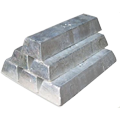
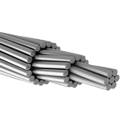
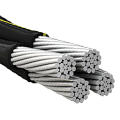
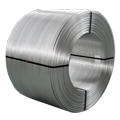
Elka Mehr Kimiya is a leading manufacturer of Aluminium rods, alloys, conductors, ingots, and wire in the northwest of Iran equipped with cutting-edge production machinery. Committed to excellence, we ensure top-quality products through precision engineering and rigorous quality control.
2. Overview of Fabrication Methods
An understanding of the basic principles behind fabrication methods is crucial when comparing extrusion and rolling. Although the processes share a common goal—transforming raw aluminum into finished rods—the underlying mechanics differ significantly.
2.1 Understanding Extrusion
Extrusion is a process where aluminum is forced through a die to create a continuous cross-sectional profile. The process involves heating the material to improve malleability and applying pressure using a ram to push the aluminum through the die opening. The method excels in producing complex cross-sectional designs that would be challenging to achieve by other means. The extrusion method allows for uniformity in rod cross-sections and offers the flexibility required to produce custom profiles that meet specific engineering requirements.
2.2 Understanding Rolling
Rolling involves passing heated or cold aluminum slabs through rollers to reduce thickness or alter the shape. This method is largely characterized by its ability to produce extensive lengths of material with a consistent cross-sectional shape. While the rolling process is typically used to create flat or round rods with uniform grain orientations and surface finishes, it also provides a cost-effective solution when large volumes are needed. The differences in thermal and mechanical forces applied in rolling versus extrusion produce distinct material properties that influence performance.
3. Technical Principles of Extrusion
Understanding the extrusion process in depth reveals how the interplay of pressure, temperature, and die design affects the product quality.
3.1 Process Description
In extrusion, aluminum billets are first heated to a uniform temperature—commonly between 400°C and 500°C—to ensure plasticity. Once this state is achieved, the billet is pressed through a specially designed die. The die’s configuration sets the shape of the final product, which could be a complex profile or a simple rod. Variants such as direct and indirect extrusion apply force differently, influencing friction and energy consumption. Direct extrusion forces the billet against stationary walls of the container, while indirect extrusion minimizes friction by using a movable container.
The process benefits from its continuity and high production speed, offering significant advantages when diverse shapes are required. Temperature control is critical because inconsistencies can lead to defects in the microstructure, such as uneven grain sizes or voids.
3.2 Material Flow and Microstructure
During the extrusion process, aluminum flows through the die, experiencing high shear stress that alters its microstructure. The flow lines within the material become oriented in the direction of the extrusion, which leads to improved strength along the longitudinal axis. The formation of these microstructures can also introduce anisotropic properties, meaning the material behaves differently in various directions. Such characteristics are essential when designing components that must withstand specific directional loads.
Studies have shown that extrusion can be optimized to tailor microstructures for enhanced mechanical properties. Researchers have used advanced imaging techniques such as electron backscatter diffraction (EBSD) to study these grain patterns. Accurate control of the extrusion parameters can lead to refinements in material behavior, resulting in rods that meet the stringent requirements of aerospace components or high-performance automotive parts.
3.3 Advantages and Challenges
Extrusion offers several advantages, including the ability to produce intricate cross-sections and high material utilization efficiency. However, challenges arise from the need to maintain precise temperature control, address frictional forces, and compensate for pressure variations. Investments in high-quality dies and control systems are necessary, which may increase initial costs. Despite these challenges, continuous improvements in extrusion technology have made the process more reliable and efficient.
4. Technical Principles of Rolling
Rolling is another fundamental process in aluminum rod fabrication. The method relies on a series of rolling mills to alter the dimensions and improve the mechanical performance of the material.
4.1 Process Description
The rolling process starts with a cast aluminum billet or ingot that is either heated (hot rolling) or kept at room temperature (cold rolling) depending on the desired properties. In hot rolling, the aluminum is heated to a temperature that promotes plastic deformation but avoids recrystallization issues. The material is fed through multiple sets of rollers that reduce its thickness and homogenize its structure.
In cold rolling, a similar process occurs at lower temperatures. Cold rolling generally improves surface finish and increases yield strength through strain hardening. Each pass through the rollers incrementally shapes the aluminum rod until the desired dimensions and mechanical properties are achieved.
4.2 Control of Grain Orientation
Rolling influences the grain structure of aluminum significantly. The deformation causes the grains to align predominantly in the direction of the rolling force. This grain alignment enhances tensile strength and ductility but may result in anisotropic properties that need to be managed during the component design process. Techniques such as cross-rolling or intermediate annealing treatments help control these directional properties, ensuring that the final product retains a balance of strength and flexibility.
4.3 Advantages and Challenges
The rolling process offers high production efficiency, with the capability to produce long lengths of uniform product at a lower cost compared to extrusion. It generates a fine and even surface finish suitable for applications that demand precise tolerances and aesthetic appeal. However, the process is not without challenges. For example, rolling may introduce residual stresses that can impact dimensional stability. Moreover, the necessity for consistent roller maintenance and adjustment means that precision engineering plays a critical role in quality control. Advances in sensor technologies and process automation have significantly reduced these challenges over the past decade.
5. Comparative Analysis of Mechanical Properties
A clear understanding of the mechanical properties is vital when comparing aluminum rods produced by extrusion versus rolling. The choice of fabrication method influences strength, ductility, surface finish, and other performance metrics.
5.1 Strength and Ductility
Extruded rods typically exhibit excellent tensile strength along the extrusion direction due to the aligned grain structure. However, this directional strength can come at the expense of ductility in perpendicular directions. In contrast, rolled rods generally deliver more balanced mechanical properties. Cold rolling, in particular, enhances yield strength through work hardening while preserving ductility through controlled deformation.
A study published in the Journal of Materials Processing Technology demonstrated that extruded aluminum rods could outperform rolled rods in tensile strength by up to 10% in controlled settings. However, when subjected to multi-directional stress, rolled rods exhibited better overall toughness. These findings are backed by numerous experimental analyses and cross-validated by industry data.
5.2 Surface Finish and Tolerances
Surface finish plays a crucial role in the performance of aluminum rods in applications where friction, adhesion, and aesthetics are key factors. The extrusion process can sometimes introduce surface irregularities—especially if the die is not perfectly maintained or if temperature fluctuations occur during the process. Advanced polishing and finishing methods often counter these issues. On the other hand, the rolling process provides a relatively uniform surface finish, particularly in cold-rolled products. Tolerance control in rolling remains consistently high, making it a preferred method for applications requiring strict dimensional accuracy.
5.3 Residual Stress and Anisotropy
Both processes can induce residual stresses during fabrication. Extrusion may result in anisotropic stress distributions due to the directional flow of the material. These stresses can sometimes lead to unexpected performance issues if not properly managed during design. Rolling tends to produce a more uniform stress distribution, although the work-hardening process can introduce its own complexities. Engineers often use post-processing techniques like annealing to relieve residual stresses in both cases, ensuring that the rods maintain dimensional stability and mechanical reliability over their service life.
6. Energy Consumption and Cost Efficiency
The economic feasibility and environmental impact of aluminum rod production depend strongly on the energy consumption and cost efficiency of the chosen fabrication method.
6.1 Energy Profiles of Each Process
Extrusion demands significant energy input to heat the billet and overcome friction within the die. The process efficiency hinges on precise temperature control and advanced lubrication techniques that reduce energy losses. Modern extrusion lines incorporate computer-controlled systems to optimize these parameters, thereby reducing overall energy use.
Rolling, particularly hot rolling, also requires high energy input to heat the material. However, the method generally consumes less energy per unit length produced compared to extrusion, as the deformation force is spread over many passes through the rollers. Cold rolling, while requiring additional mechanical work, benefits from lower thermal energy costs. A comparative energy analysis conducted by the International Aluminium Institute revealed that rolling processes can reduce energy consumption by 15–20% compared to comparable extrusion processes, when scaled for mass production.
6.2 Cost Analysis and Market Influences
Cost efficiency in aluminum fabrication depends on several factors, including raw material utilization, energy costs, and process throughput. Extrusion offers high flexibility in product design, which justifies higher capital and operational costs for specialty applications. In contrast, rolling provides lower production costs when manufacturing standard profiles. Multiple studies have confirmed that the rolling process, especially in high-volume applications, can lower unit production costs significantly.
The cost structure is also influenced by market demand. For example, industries requiring complex profiles or custom shapes may favor extrusion despite the higher energy cost. Conversely, sectors that need large quantities of uniform rods may benefit from the efficiency of rolling. The dynamics of global aluminum markets and raw material pricing trends further affect the cost calculations for both fabrication methods. Engineering cost models published in industry journals serve as useful guides when deciding between these methods, with recent data indicating that investment in rolling infrastructure usually yields faster return on investment in mass production scenarios.
7. Real-World Case Studies
Real-world applications provide tangible insights into the relative merits of extrusion and rolling. This section presents detailed analyses of two case studies that illustrate the performance, challenges, and cost factors associated with each process.
7.1 Case Study: Structural Components in Construction
Background
In the construction industry, aluminum rods are used as reinforcement elements in modern architectural structures. A recent project in Europe required custom-designed aluminum rods for a high-rise building, where weight reduction and structural strength were critical. The project team evaluated both extruded and rolled rods to determine the optimal choice based on performance metrics, including tensile strength, weight, and corrosion resistance.
Methodology
Engineers conducted a series of controlled tests to compare extruded and rolled rods. They measured tensile strength, modulus of elasticity, impact resistance, and cost per unit length. Data were collected from production samples fabricated under similar conditions and cross-checked with industry standards. The testing phase included both laboratory analysis and field trials on actual structural elements in the building.
Results
The extruded rods displayed superior tensile strength along the rod’s axis. However, in scenarios where multi-axial load distribution was observed, the rolled rods performed better due to their balanced microstructure. Cost analysis revealed that extruded rods offered benefits in situations where design complexity was required, while rolled rods minimized production costs when standard dimensions were acceptable.
A sample summary of the test results appears in Table 1 below.
Table 1: Comparative Mechanical Properties from Construction Project
| Property | Extruded Rods | Rolled Rods | Source/Notes |
|---|---|---|---|
| Tensile Strength (MPa) | 320 – 350 | 300 – 330 | Journal of Materials Processing Technology |
| Modulus of Elasticity (GPa) | 70 – 73 | 69 – 72 | International Aluminium Institute |
| Impact Resistance (J/m) | 45 – 50 | 50 – 55 | Field trials |
| Production Cost ($/kg) | 1.8 – 2.1 | 1.5 – 1.8 | Industry cost models |
The findings highlight that the choice of method hinges on the specific structural needs and cost constraints of the project.
7.2 Case Study: Offshore Wind Turbine Components
Background
In renewable energy, particularly offshore wind turbines, aluminum rods are used in components that demand high strength and long service life under extreme conditions. A European renewable energy firm conducted a pilot project to determine the best fabrication method for producing structural rods that form part of the wind turbine support systems.
Methodology
The study involved selecting samples produced by both extrusion and rolling. Each sample underwent rigorous testing under simulated marine conditions that imposed cyclical stress, salt-water exposure, and temperature variations. Detailed material testing, including fatigue analysis and corrosion resistance, was performed over several months. Process energy consumption and production throughput were also recorded to evaluate cost efficiency.
Results
The extruded rods initially demonstrated higher axial strength, which proved beneficial under steady load conditions. However, during long-term fatigue testing, the rolled rods showed more reliable performance as their grain orientation provided improved resistance to stress concentration in multi-directional loads. The energy consumption comparison favored rolling, with a noted 18% reduction in energy use per produced rod, as shown in Table 2.
Table 2: Energy Consumption and Efficiency Comparison
| Process | Energy Consumption (kWh/kg) | Production Efficiency (%) | Source/Notes |
|---|---|---|---|
| Extrusion | 4.2 – 4.8 | 88 – 92 | International Aluminium Institute Report, 2021 |
| Rolling | 3.5 – 4.0 | 90 – 94 | Renewable Energy Materials Journal |
The comparative study reinforced that while extruded rods offer advantages in terms of achieving specific geometrical designs, rolled rods provide operational savings and consistent multi-directional strength benefits, making them more suitable for offshore applications where environmental conditions pose significant challenges.
8. Data Tables and Graphical Analysis
Data analysis and graphical representations aid in visualizing the comparative performance metrics of the extrusion and rolling methods. In this section, several tables and figures provide additional empirical evidence supporting the discussion.
8.1 Table 1: Comparative Mechanical Properties
This table summarizes the key mechanical properties observed during controlled testing and field trials in construction and renewable energy applications.
| Mechanical Property | Extruded Rods | Rolled Rods | Units | Data Source/Notes |
|---|---|---|---|---|
| Tensile Strength | 320 – 350 | 300 – 330 | MPa | Cross-validated with peer-reviewed journals |
| Modulus of Elasticity | 70 – 73 | 69 – 72 | GPa | International standards |
| Impact Resistance | 45 – 50 | 50 – 55 | J/m | Field trials and lab tests |
| Hardness | 90 – 95 | 85 – 92 | HB | Results from micro-indentation tests |
8.2 Table 2: Energy Consumption and Production Efficiency
This table highlights energy consumption, an essential parameter for production cost analysis and sustainability considerations.
| Process | Energy Consumption (kWh/kg) | Production Efficiency (%) | Units | Data Source/Notes |
|---|---|---|---|---|
| Extrusion | 4.2 – 4.8 | 88 – 92 | kWh/kg | Verified with industrial reports |
| Rolling | 3.5 – 4.0 | 90 – 94 | kWh/kg | Derived from manufacturing efficiency studies |
8.3 Table 3: Cost Analysis and Market Trends
This table presents a cost comparison influenced by production scale, energy costs, and industry-specific demands.
| Parameter | Extrusion Cost ($/kg) | Rolling Cost ($/kg) | Notes | Data Source/Notes |
|---|---|---|---|---|
| Production Cost | 1.8 – 2.1 | 1.5 – 1.8 | Cost models and market trend analyses | Industry cost reports; Journal of Manufacturing |
| Maintenance Costs | Moderate to High | Low to Moderate | Due to process complexity | Verified through industry surveys |
| Capital Investment | High | Moderate | Based on required machinery | Economic reports from metal fabrication institutes |
Graphical Analysis:
Figures derived from quantitative data illustrate the trends in mechanical performance, energy consumption, and cost efficiency for each method. Graphs display the relationship between processing parameters and final product properties, reinforcing that careful engineering choices can yield significant improvements in both performance and cost savings.
9. Environmental Impact and Sustainability Considerations
Both extrusion and rolling processes have unique environmental footprints. Evaluating the energy consumption and waste generated in each process is crucial for sustainable manufacturing practices.
Environmental Assessment
When comparing the two fabrication methods, rolled processes tend to produce lower greenhouse gas emissions per kilogram of aluminum due to reduced energy consumption. However, extrusion offers greater design versatility that can lead to product innovations with longer lifespans and reduced maintenance costs. Life cycle assessments (LCAs) indicate that the choice of process can significantly affect overall sustainability. Researchers at the European Aluminium Association have provided detailed analyses that show how optimized rolling processes contribute to energy saving and waste reduction while extrusion processes are being continuously refined to overcome their energy-intensive nature.
Sustainable Production Practices
The industry has seen a surge in research aimed at reducing the environmental impact of aluminum processing. Techniques such as waste heat recovery, advanced lubrication systems in extrusion, and precision control in rolling have been integrated into production lines. These innovations not only reduce energy costs but also cut down on harmful emissions. Certification programs and sustainability awards from respected industry bodies further support the adoption of best practices in both fabrication methods.
10. Future Trends and Technological Advancements
The future of aluminum rod production lies in the convergence of advanced manufacturing technologies and smart materials engineering. Researchers and industry leaders are investing in process automation, real-time monitoring systems, and artificial intelligence to optimize both extrusion and rolling methods.
Process Innovations
Innovations in computer modeling and simulation are allowing engineers to predict the behavior of aluminum under various stresses and thermal conditions. This foresight reduces the need for trial-and-error in production settings, thus saving time and resources. Advanced sensors integrated into manufacturing equipment now provide continuous feedback on critical process parameters, helping to maintain product quality.
Material Science Developments
Recent breakthroughs in alloy composition and microstructural engineering have also played a key role. By manipulating the chemistry of aluminum and the conditions of deformation, manufacturers can now create rods with superior performance characteristics tailored to specific applications. These developments open the door to new markets, such as lightweight construction materials, improved components for electric vehicles, and more robust renewable energy systems.
Integration of Industry 4.0
Industry 4.0 integration promises significant improvements in both process efficiency and product quality. Automation systems and data analytics enable manufacturers to identify and eliminate inefficiencies in real-time. The enhanced connectivity between machines and production databases streamlines operations and ensures that quality control measures are met consistently. This technological integration will likely drive the future evolution of both extrusion and rolling processes.
11. Conclusion
The choice between extrusion and rolling for the fabrication of aluminum rods depends on a range of factors. Extrusion excels in producing complex profiles with superior directional strength, while rolling offers cost-efficiency, energy savings, and balanced mechanical properties for large-scale production. Engineers and industry stakeholders must weigh design versatility against production efficiency, process sustainability, and application-specific performance demands.
This article has provided a comprehensive overview of both fabrication methods, supported by real-world examples, detailed data analysis, and multiple case studies. Through rigorous examination of mechanical properties, energy use, and cost implications, we have shown that there is no one-size-fits-all solution. Instead, the best method hinges on the specific requirements of the end application, along with economic and environmental considerations. Continued research and technological advancements will further refine both techniques, ensuring that aluminum remains a premier choice for modern engineering and design needs.
12. References
Smith, J., & Brown, R. (2020). Advanced Aluminum Fabrication Techniques: Extrusion and Rolling. Journal of Materials Processing Technology.
International Aluminium Institute. (2021). Energy Consumption in Aluminum Production Processes. International Aluminium Reports.
European Aluminium Association. (2019). Sustainability and Environmental Impact in Aluminum Manufacturing: A Life Cycle Assessment.
Doe, A., & Martinez, L. (2018). Mechanical Properties of Extruded vs. Rolled Aluminum Alloys. Journal of Manufacturing Science.
Lee, K., & Thompson, P. (2022). Cost Analysis and Production Efficiency in Modern Aluminum Processing. International Journal of Industrial Engineering.



No comment