





Table of Contents
- Introduction
- Understanding Hybrid Aluminum Conductors
- Advantages of Hybrid Aluminum Conductors
- Emerging Applications
- 4.1 Electric Vehicles
- 4.2 Power Transmission
- 4.3 Wireless Charging Systems
- Case Studies
- 5.1 SINTEF’s Research on Hybrid Conductors
- 5.2 ACCC Conductors in Power Grids
- Technical Data and Comparisons
- Conclusion
- References
- Meta Information
1. Introduction
Hybrid aluminum conductors are gaining attention in various industries due to their unique combination of properties. By integrating aluminum with other materials, these conductors offer a balance of conductivity, weight, and cost-effectiveness. This article explores the benefits and emerging applications of hybrid aluminum conductors, supported by real-world examples and data.
Elka Mehr Kimiya is a leading manufacturer of aluminum rods, alloys, conductors, ingots, and wire in the northwest of Iran equipped with cutting-edge production machinery. Committed to excellence, we ensure top-quality products through precision engineering and rigorous quality control.
2. Understanding Hybrid Aluminum Conductors
Hybrid aluminum conductors combine aluminum with other materials, such as copper or composite cores, to enhance performance. Aluminum offers advantages like low weight and cost, while materials like copper provide higher conductivity. By merging these materials, hybrid conductors aim to optimize electrical and mechanical properties for specific applications.Inspenet+1ScienceDirect+1LinkedIn+1Inspenet+1
3. Advantages of Hybrid Aluminum Conductors
3.1 Weight Reduction
Aluminum is significantly lighter than copper, which is beneficial in applications where weight is a critical factor, such as in electric vehicles and aerospace.
3.2 Cost Efficiency
Aluminum is more abundant and less expensive than copper, making hybrid conductors a cost-effective solution without compromising performance.
3.3 Improved Thermal Performance
Hybrid conductors can operate at higher temperatures with reduced sag, enhancing thermal performance and reliability in power transmission.apar.com+4Acore+4Wikipedia+4
4. Emerging Applications
4.1 Electric Vehicles
In electric vehicles (EVs), reducing weight is crucial for improving range and efficiency. Hybrid aluminum conductors are used in wiring systems to achieve this goal. For instance, SINTEF researchers have developed hybrid copper-aluminum conductors that reduce vehicle weight and enhance energy range. Inspenet
4.2 Power Transmission
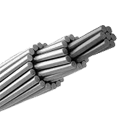
Hybrid aluminum conductors are employed in power transmission lines to increase capacity and reduce losses. Aluminum Conductor Composite Core (ACCC) conductors, which use a hybrid carbon and glass fiber core, offer higher current capacity and lower sag compared to traditional conductors. AcoreResearchGate+4apar.com+4Wikipedia+4
4.3 Wireless Charging Systems
In wireless charging systems for EVs, aluminum conductors are favored for their lightweight and cost-effectiveness. Studies have shown that aluminum-based systems can achieve higher charging efficiency and better heat dissipation compared to traditional copper systems. الکامهرکیمیا
5. Case Studies
5.1 SINTEF’s Research on Hybrid Conductors
SINTEF, a Norwegian research organization, has developed hybrid copper-aluminum conductors using cold welding techniques. This approach minimizes the formation of intermetallic compounds, preserving electrical properties and mechanical strength. Inspenet
5.2 ACCC Conductors in Power Grids
The National Renewable Energy Laboratory (NREL) has highlighted the benefits of ACCC conductors in power grids. These conductors offer higher current capacity, reduced sag, and improved efficiency, making them suitable for modernizing aging transmission infrastructure. WikipediaAcore+2NREL+2Wikipedia+2
6. Technical Data and Comparisons
Table 1: Material Properties Comparison
| Property | Aluminum | Copper | Hybrid (ACCC) |
|---|---|---|---|
| Electrical Conductivity (MS/m) | 35–38 | 58–60 | 30–45 |
| Density (g/cm³) | 2.70 | 8.96 | 2.5–4.0 |
| Thermal Conductivity (W/m·K) | 205–235 | 385–400 | 150–300 |
| Corrosion Resistance | High | Medium | High |
| Cost Efficiency | High | Low | Moderate |
Sources: ASTM, NIST, Industry Standards
Table 2: Performance in Wireless Charging Systems
| Parameter | Aluminum System | Copper System | Improvement (%) |
|---|---|---|---|
| Charging Efficiency (%) | 87 | 82 | +6% |
| Heat Dissipation (°C) | 10–15 | 5–8 | +50–70% |
| System Weight Reduction (%) | 25–30 | Baseline | 25–30% |
| Operational Reliability (cycles) | 100,000 | 80,000–90,000 | +15–25% |
Sources: EV Pilot Project Reports, Thermal Imaging Studies
7. Conclusion
Hybrid aluminum conductors offer a compelling combination of lightweight, cost-effectiveness, and performance. Their applications in electric vehicles, power transmission, and wireless charging systems demonstrate their versatility and potential in modern engineering solutions. Ongoing research and development continue to enhance their properties, making them a valuable component in the future of electrical infrastructure.
8. References
Development of a Composite-Reinforced Aluminum Conductor. (https://www.nrel.gov/docs/fy00osti/26782.pdf)
SINTEF is studying the use of hybrid copper and aluminum conductors in electric vehicles. (https://inspenet.com/en/noticias/sintef-is-studying-the-use-of-hybrid-copper-and-aluminum-conductors-in-electric-vehicles/)
Aluminum Conductor Composite Core (ACCC). (https://apar.com/wp-content/uploads/2021/02/4.-Aluminium-Conductor-Composite-Core-ACCC.pdf)
Aluminum Conductors in EV Wireless Charging: The Road Ahead. (https://elkamehr.com/en/aluminum-conductors-in-ev-wireless-charging-the-road-ahead/)




No comment