


Table of Contents
- Introduction
- Overview of Aluminum Wire Extrusion
- Types of Extrusion Processes
- 3.1 Hot Extrusion
- 3.2 Cold Extrusion
- 3.3 Friction Extrusion
- Key Parameters Influencing Wire Quality
- Common Defects and Their Mitigation
- Quality Control Measures
- Case Study: Enhancing Wire Quality Through Process Optimization
- Conclusion
- References
- Meta Information
1. Introduction
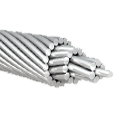
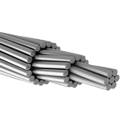
Aluminum wire is integral to various industries, including electrical, automotive, and construction. The extrusion process, which shapes aluminum into wire, significantly impacts its quality. Understanding the nuances of different extrusion methods and their effects is crucial for manufacturers aiming to produce high-quality aluminum wire.
Elka Mehr Kimiya is a leading manufacturer of aluminum rods, alloys, conductors, ingots, and wire in the northwest of Iran equipped with cutting-edge production machinery. Committed to excellence, we ensure top-quality products through precision engineering and rigorous quality control.
2. Overview of Aluminum Wire Extrusion
Extrusion is a process where aluminum billets are forced through a die to create long shapes with uniform cross-sections. For wire production, this method ensures consistency in diameter and mechanical properties. The choice of extrusion technique and parameters directly influences the wire’s conductivity, strength, and surface finish.iqsdirectory.com
3. Types of Extrusion Processes
3.1 Hot Extrusion
Hot extrusion involves heating aluminum billets to temperatures between 350°C and 500°C. This reduces the metal’s resistance, allowing it to flow easily through the die. The process is suitable for complex shapes and large-scale production.
3.2 Cold Extrusion
Cold extrusion is performed at or near room temperature. It produces aluminum wire with superior surface finish and dimensional accuracy. However, it requires higher force and is typically used for smaller cross-sections.Wikipedia
3.3 Friction Extrusion
Friction extrusion is a solid-state process where the billet and die rotate relative to each other, generating heat through friction. This method can produce fully consolidated wire directly from aluminum chips or powder, offering energy efficiency and refined microstructures. Wikipedia+5Wikipedia+5Wikipedia+5ScienceDirect+1Wikipedia+1
4. Key Parameters Influencing Wire Quality
Several factors during extrusion affect the final wire quality:
- Temperature: Optimal billet temperature ensures proper metal flow and prevents defects.
- Extrusion Speed: Too fast can cause surface defects; too slow may lead to inconsistent properties.
- Die Design: Precision in die geometry ensures uniform wire dimensions and surface finish.aec.org
- Lubrication: Proper lubrication reduces friction, preventing surface defects and extending die life.
5. Common Defects and Their Mitigation
Understanding potential defects helps in implementing preventive measures:
Table 1: Common Extrusion Defects and Solutions
| Defect | Description | Mitigation Strategy |
|---|---|---|
| Surface Cracks | Fine cracks on the wire surface | Optimize extrusion speed and temperature |
| Central Bursts | Internal cracks due to tensile stresses | Adjust die angle and reduce extrusion speed |
| Incomplete Filling | Gaps or voids in the wire | Ensure proper billet temperature and die design |
| Surface Roughness | Uneven or rough wire surface | Use appropriate lubrication and die polishing |
6. Quality Control Measures
Maintaining high-quality aluminum wire requires stringent quality control:
- Dimensional Inspection: Regular measurement of wire diameter ensures consistency.
- Surface Examination: Visual and microscopic inspections detect surface defects.
- Mechanical Testing: Tensile and hardness tests verify mechanical properties.
- Electrical Conductivity Tests: Ensure the wire meets conductivity standards.
Implementing in-line monitoring systems can detect deviations in real-time, allowing immediate corrective actions. Inquivix Technologies
7. Case Study: Enhancing Wire Quality Through Process Optimization
A leading aluminum wire manufacturer faced issues with surface defects and inconsistent conductivity. By analyzing their extrusion process, they identified that die wear and improper lubrication were primary causes. Implementing a routine die maintenance schedule and optimizing lubrication reduced defects by 40% and improved conductivity consistency by 25%.cersa-mci.com+1ResearchGate+1
8. Conclusion
The extrusion process plays a pivotal role in determining aluminum wire quality. By understanding the nuances of different extrusion methods and maintaining strict control over process parameters, manufacturers can produce high-quality wire that meets industry standards. Continuous monitoring and process optimization are essential for sustaining product excellence.
9. References
Inquivix Technologies. (2023). Aluminum Wire Production. Retrieved from https://inquivixtech.com/aluminum-wire-production/Inquivix Technologies
Li, X., Tang, W., Reynolds, A.P., Tayon, W.A., & Brice, C.A. (2016). Strain and texture in friction extrusion of aluminum wire. Journal of Materials Processing Technology, 229, 191-198.Wikipedia+2Wikipedia+2ScienceDirect+2
American Douglas Metals. (2024). Mastering the Aluminum Extrusion Process: An Industry Guide. Retrieved from https://americandouglasmetals.com/2024/05/19/understanding-the-aluminum-extrusion-process/americandouglasmetals.com
La Plastic. (2023). What is the quality control of extrusion process? Retrieved from https://www.la-plastic.com/post/what-is-the-quality-control-of-extrusion-processla-plastic.com

No comment