

Liquid Metal Aluminum Gallium Alloys: Self-Repairing Circuitry Applications

Liquid Metal Aluminum Gallium Alloys: Self-Repairing Circuitry Applications

Table of Contents 1. Introduction Advancements in materials science have led to the development of liquid metal aluminum-gallium alloys, which are transforming the field of flexible electronics. These alloys offer unique properties that enable self-repairing circuitry, paving the way for more resilient and adaptable electronic devices. This article explores the ... Read More

Wire Arc Additive Manufacturing of Aluminium Alloys: A Comprehensive Review

Wire Arc Additive Manufacturing of Aluminium Alloys: A Comprehensive Review

Table of Contents 1. Introduction Wire arc additive manufacturing (WAAM) is an advanced metal‐fabrication technique that builds near‐net‐shape parts through the layer‐by‐layer deposition of molten metal. By using an electric arc to melt a continuously fed wire, WAAM offers high deposition rates, lower production costs, and nearly unlimited build volumes ... Read More
A Deep Dive into 5000-Series Aluminum Ingots: Strength, Weldability, and Uses

A Deep Dive into 5000-Series Aluminum Ingots: Strength, Weldability, and Uses

Table of Contents Introduction The 5000-series aluminum alloys hold a prominent place in modern manufacturing thanks to their balanced properties. These alloys, primarily alloyed with magnesium, offer excellent strength, weldability, and resistance to corrosion. In this article, we explore the properties of 5000-series aluminum ingots, typical applications, and best practices ... Read More
How Global Trade Policies and Tariffs Impact the Supply and Pricing of Aluminum Ingots for Cable Manufacturers

How Global Trade Policies and Tariffs Impact the Supply and Pricing of Aluminum Ingots for Cable Manufacturers

Aluminum is an essential raw material for a wide range of industries, with aluminum ingots serving as the foundation for many end-products, including electrical cables, automotive components, packaging, and aerospace materials. Among these, cable manufacturers are particularly dependent on aluminum ingots, as they are used to produce aluminum conductors for ... Read More
The Transformative Journey of Aluminum Recycling Programs

The Transformative Journey of Aluminum Recycling Programs

Introduction In an era where sustainability and environmental stewardship are paramount, aluminum recycling programs stand out as exemplary models of circular economy principles in action. Aluminum, a metal renowned for its versatility and durability, possesses an exceptional ability to be recycled repeatedly without losing its inherent properties. This unique characteristic ... Read More
Challenges and Solutions in Recycling Aluminum-Lithium Alloys

Challenges and Solutions in Recycling Aluminum-Lithium Alloys

Table of Contents Introduction In the intricate dance of aerospace engineering, where precision meets innovation, aluminum-lithium (Al-Li) alloys have taken center stage as a material of choice. These alloys, renowned for their lightweight nature and superior mechanical properties, have revolutionized aircraft design, enabling longer flights, higher payloads, and improved fuel ... Read More
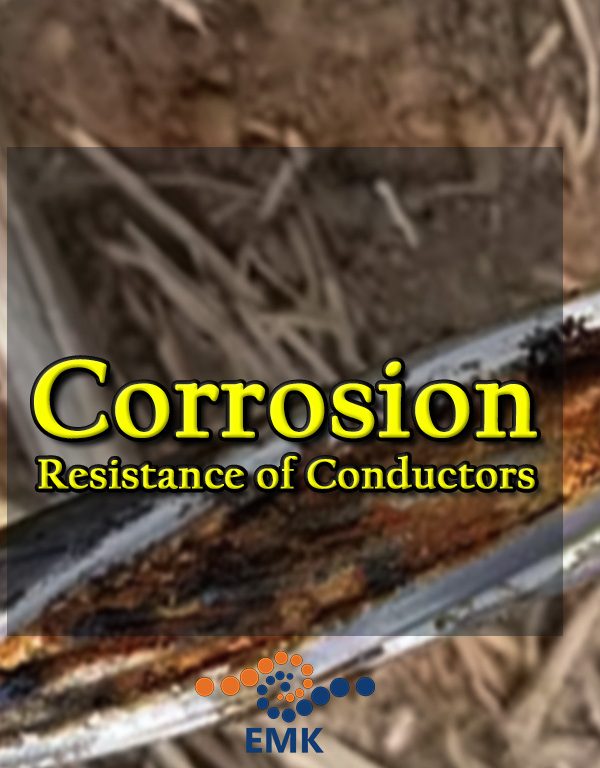
Corrosion Resistance of Conductors

Corrosion Resistance of Conductors

Table of Contents 1. Introduction Corrosion resistance is a critical property for conductors used in various applications, including power transmission, electronic devices, and industrial machinery. The durability and efficiency of these conductors are heavily influenced by their ability to resist corrosion, which can lead to significant economic and safety issues. ... Read More