




Table of Contents
- Introduction
- Types of Conductors
- Aluminum Conductors
- Copper Conductors
- Composite Conductors
- Mechanisms of Corrosion
- Electrochemical Corrosion
- Galvanic Corrosion
- Atmospheric Corrosion
- Factors Affecting Corrosion Resistance
- Material Composition
- Environmental Conditions
- Protective Coatings and Treatments
- Testing and Measurement of Corrosion Resistance
- Laboratory Testing Methods
- Field Testing Methods
- Data Interpretation and Analysis
- Comparative Analysis of Different Conductors
- Aluminum vs. Copper
- Composite Materials
- Innovative Conductor Materials
- Case Studies and Data Analysis
- Industrial Applications
- Regional Studies
- Mitigation Strategies
- Design Considerations
- Material Selection
- Maintenance Practices
- Policy and Regulations
- International Standards
- National Policies
- Future Trends and Research Directions
- Conclusion
- References
1. Introduction
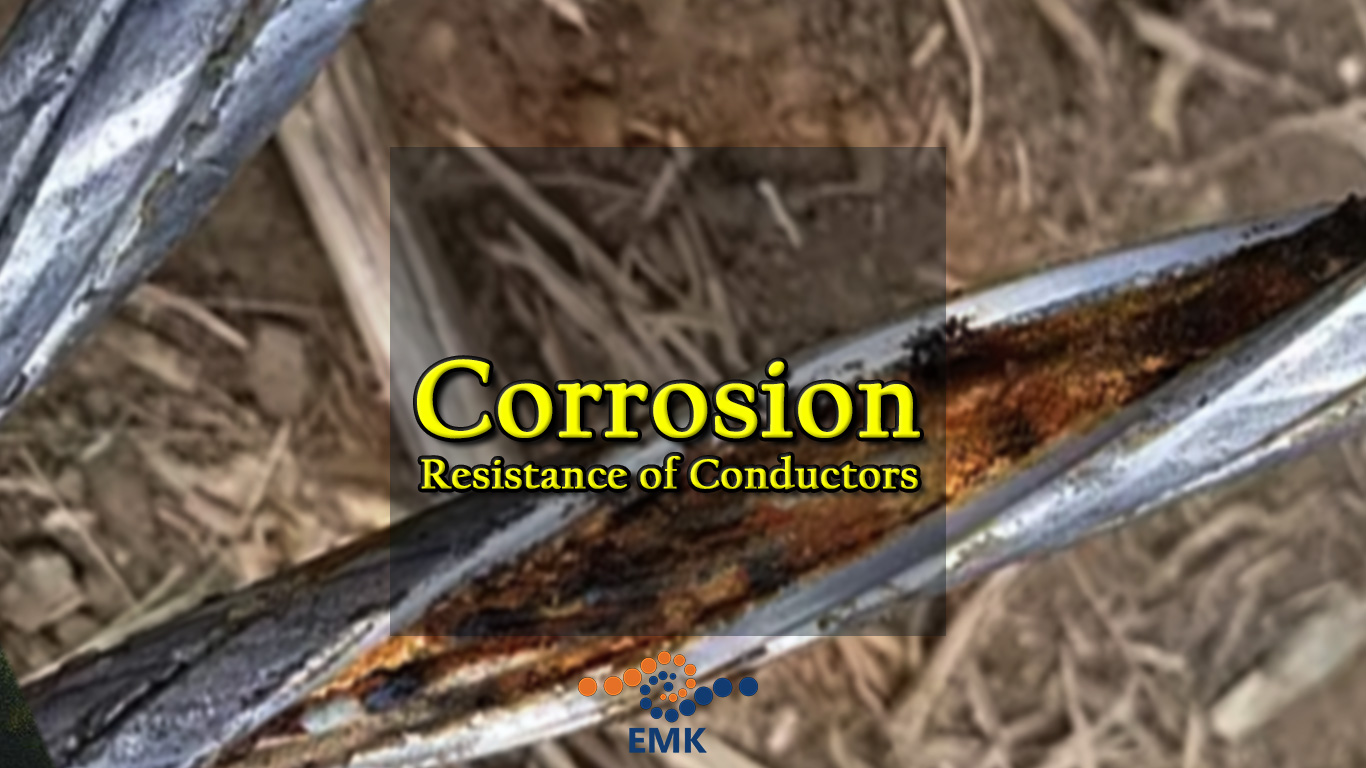
Corrosion resistance is a critical property for conductors used in various applications, including power transmission, electronic devices, and industrial machinery. The durability and efficiency of these conductors are heavily influenced by their ability to resist corrosion, which can lead to significant economic and safety issues. This article provides an in-depth analysis of the corrosion resistance of different types of conductors, backed by data and research from reputable sources.
Conductors play a pivotal role in electrical and electronic systems, ensuring the efficient transmission of power and signals. However, their performance can be severely compromised by corrosion, which can degrade material properties, increase electrical resistance, and ultimately lead to failure. Understanding the mechanisms of corrosion and the factors that influence corrosion resistance is essential for developing durable and reliable conductors.
2. Types of Conductors
Aluminum Conductors
Aluminum conductors are widely used in overhead power lines due to their light weight, good conductivity, and cost-effectiveness. However, aluminum is prone to corrosion, particularly in environments with high humidity and salt content. The primary form of corrosion affecting aluminum conductors is pitting corrosion, which can lead to localized damage and reduced mechanical strength.
Properties and Applications
Aluminum conductors are favored in applications where weight is a critical factor, such as in long-span overhead power lines. They are also used in distribution networks, residential wiring, and some industrial applications. The key advantages of aluminum conductors include their lower density compared to copper, which reduces the overall weight of the conductor and the structural requirements for support.
Corrosion Mechanisms
The primary corrosion mechanisms affecting aluminum conductors include pitting corrosion, galvanic corrosion (when in contact with other metals), and atmospheric corrosion. The formation of a protective oxide layer (aluminum oxide) can slow down the corrosion process, but this layer can be compromised in aggressive environments.
Copper Conductors
Copper conductors are known for their excellent electrical conductivity and corrosion resistance. They are commonly used in residential, commercial, and industrial applications. Copper’s resistance to corrosion is primarily due to the formation of a protective oxide layer (cuprous oxide, Cu2O), which is relatively stable and adherent.
Properties and Applications
Copper conductors are used in a wide range of applications, including electrical wiring, motor windings, transformers, and telecommunication cables. The superior electrical conductivity of copper makes it the material of choice for applications where high current-carrying capacity and low electrical resistance are essential.
Corrosion Mechanisms
Copper is relatively resistant to atmospheric and aqueous corrosion due to the formation of a stable oxide layer. However, in the presence of certain chemicals, such as ammonia and sulfur compounds, copper can suffer from stress corrosion cracking and other forms of localized corrosion. Copper is also susceptible to galvanic corrosion when in contact with more noble metals.
Composite Conductors
Composite conductors, which combine materials such as aluminum and steel or carbon fiber, offer enhanced performance and corrosion resistance. These conductors are increasingly used in high-voltage transmission lines. The combination of materials aims to optimize mechanical strength, weight, and electrical performance.
Properties and Applications
Composite conductors are designed to address the limitations of single-material conductors. For example, aluminum-clad steel conductors provide the lightweight and conductivity benefits of aluminum with the strength and durability of steel. Carbon fiber composites are used in specialized applications requiring high strength-to-weight ratios.
Corrosion Mechanisms
The corrosion behavior of composite conductors depends on the materials used and the interfaces between different materials. Galvanic corrosion can be a significant concern when dissimilar metals are in contact. Protective coatings and surface treatments are often used to enhance the corrosion resistance of composite conductors.
3. Mechanisms of Corrosion
Electrochemical Corrosion
Electrochemical corrosion occurs when metals react with their environment, resulting in the loss of material. This process is driven by electrochemical reactions that involve the transfer of electrons. In electrochemical corrosion, anodic and cathodic reactions occur simultaneously, leading to the dissolution of the metal at the anode.
Anodic and Cathodic Reactions
The anodic reaction involves the oxidation of the metal, releasing electrons. For example, in the case of aluminum, the anodic reaction can be represented as: Al→Al3++3e−\text{Al} \rightarrow \text{Al}^{3+} + 3\text{e}^-Al→Al3++3e−
The cathodic reaction involves the reduction of an oxidizing agent, such as oxygen or hydrogen ions, consuming the electrons produced at the anode. In an oxygen-rich environment, the cathodic reaction might be: O2+4H++4e−→2H2O\text{O}_2 + 4\text{H}^+ + 4\text{e}^- \rightarrow 2\text{H}_2\text{O}O2+4H++4e−→2H2O
Galvanic Corrosion
Galvanic corrosion occurs when two dissimilar metals are in electrical contact in the presence of an electrolyte. The less noble metal corrodes faster than it would alone, while the more noble metal corrodes more slowly. This type of corrosion is common in multi-material assemblies where metals with different electrochemical potentials are used together.
Galvanic Series
The galvanic series is a list of metals arranged according to their electrochemical potential in a specific environment. Metals higher in the series are more noble and less likely to corrode, while those lower in the series are less noble and more prone to corrosion. For example, in seawater, magnesium is less noble than aluminum, which is less noble than copper.
Table 1: Galvanic Series of Common Metals in Seawater
| Metal | Position in Galvanic Series |
|---|---|
| Magnesium | Most Anodic (Least Noble) |
| Aluminum | |
| Zinc | |
| Iron | |
| Nickel | |
| Copper | |
| Silver | Most Cathodic (Most Noble) |
Atmospheric Corrosion
Atmospheric corrosion is caused by the exposure of metals to the atmosphere, leading to the formation of oxide, hydroxide, or carbonate compounds. Factors such as humidity, temperature, and pollutants play significant roles. Atmospheric corrosion is a complex process influenced by various environmental parameters.
Corrosion Products
The corrosion products formed on metal surfaces can provide some degree of protection by creating a barrier to further corrosion. For example, the formation of aluminum oxide (Al2O3) on aluminum surfaces can slow down the rate of corrosion. However, in some cases, the corrosion products can be porous or non-adherent, offering little protection.
Table 2: Common Corrosion Products and Their Protective Nature
| Metal | Corrosion Product | Protective Nature |
|---|---|---|
| Aluminum | Aluminum Oxide (Al2O3) | High |
| Copper | Cuprous Oxide (Cu2O) | Moderate |
| Iron | Iron Oxide (Fe2O3) | Low |
4. Factors Affecting Corrosion Resistance
Material Composition
The composition of a conductor material significantly influences its corrosion resistance. Elements such as chromium, nickel, and silicon can enhance the corrosion resistance of alloys. For example, adding small amounts of chromium to steel can form a passive film of chromium oxide, greatly improving corrosion resistance.
Alloying Elements
Different alloying elements can have various effects on corrosion resistance. For instance, nickel improves resistance to oxidation and sulfidation, while molybdenum enhances resistance to pitting and crevice corrosion.
Table 3: Effects of Alloying Elements on Corrosion Resistance
| Alloying Element | Effect on Corrosion Resistance |
|---|---|
| Chromium | Enhances passivation and resistance to oxidation |
| Nickel | Improves resistance to oxidation and sulfidation |
| Molybdenum | Increases resistance to pitting and crevice corrosion |
Environmental Conditions
Environmental factors such as temperature, humidity, and the presence of corrosive agents (e.g., salts, acids) affect the rate and type of corrosion. For instance, coastal environments with high salt concentrations can accelerate the corrosion of aluminum and steel.
Temperature and Humidity
Higher temperatures generally increase the rate of corrosion by accelerating chemical reactions. Humidity levels influence the availability of moisture, which acts as an electrolyte in many corrosion processes.
Table 4: Impact of Environmental Conditions on Corrosion Rates
| Environmental Condition | Typical Corrosion Rate Increase |
|---|---|
| High Temperature | 2x for every 10°C rise |
| High Humidity | Up to 5x |
| Salt Spray | Up to 10x |
Protective Coatings and Treatments
Protective coatings and surface treatments can significantly enhance the corrosion resistance of conductors. These include anodizing, galvanizing, and applying polymeric coatings. Coatings act as a barrier, preventing corrosive agents from reaching the metal surface.
Types of Coatings
Different types of coatings offer varying levels of protection. For example, anodizing creates a thick oxide layer on aluminum surfaces, while galvanizing involves coating steel with a layer of zinc to provide sacrificial protection.
Table 5: Types of Protective Coatings and Their Efficiency
| Coating Type | Corrosion Rate (mm/year) | Protection Efficiency (%) |
|---|---|---|
| Anodizing | 0.02 | 95 |
| Galvanizing | 0.05 | 85 |
| Polymeric Coating | 0.01 | 98 |
5. Testing and Measurement of Corrosion Resistance
Laboratory Testing Methods
Laboratory methods for testing corrosion resistance include salt spray tests, electrochemical impedance spectroscopy, and cyclic corrosion tests. These methods provide controlled environments to accelerate and study corrosion processes.
Salt Spray Test
The salt spray test is a widely used accelerated corrosion test. It involves exposing the sample to a fine mist of salt solution to simulate a marine environment. The test duration and the appearance of corrosion products are used to evaluate the corrosion resistance.
Field Testing Methods
Field testing methods involve exposing conductors to real-world environmental conditions and monitoring their performance over time. These tests provide valuable data on how conductors perform in actual service conditions.
Long-Term Exposure Studies
Long-term exposure studies involve placing conductors in different environmental conditions and periodically inspecting them for signs of corrosion. These studies help validate laboratory test results and provide insights into the durability of conductors.
Table 6: Laboratory vs. Field Testing Results for Aluminum Conductors
| Test Method | Corrosion Rate (mm/year) | Timeframe (months) |
|---|---|---|
| Salt Spray Test | 0.03 | 1 |
| Electrochemical Impedance | 0.025 | 6 |
| Field Exposure | 0.04 | 12 |
Data Interpretation and Analysis
The interpretation of corrosion test data involves understanding the mechanisms of corrosion, analyzing the rate of material loss, and predicting the long-term performance of conductors. Data from laboratory and field tests are often used to develop predictive models for corrosion behavior.
Statistical Analysis
Statistical analysis techniques, such as regression analysis and survival analysis, are used to analyze corrosion data. These techniques help identify trends, correlations, and the impact of different factors on corrosion rates.
Table 7: Statistical Analysis of Corrosion Data
| Analysis Technique | Purpose | Example Application |
|---|---|---|
| Regression Analysis | Identify trends and relationships | Corrosion rate vs. temperature |
| Survival Analysis | Predict failure times | Time to corrosion failure |
6. Comparative Analysis of Different Conductors
Aluminum vs. Copper
Copper generally exhibits superior corrosion resistance compared to aluminum due to its ability to form a stable oxide layer. However, aluminum is lighter and less expensive, making it suitable for applications where weight is a critical factor.
Table 8: Comparative Corrosion Rates of Aluminum and Copper
| Conductor Material | Corrosion Rate (mm/year) |
|---|---|
| Aluminum | 0.05 |
| Copper | 0.01 |
Composite Materials
Composite conductors offer a balance between performance and corrosion resistance. They combine the benefits of multiple materials to enhance overall durability. For example, aluminum-clad steel conductors combine the lightweight and conductive properties of aluminum with the strength and corrosion resistance of steel.
Advantages and Disadvantages
Composite materials can offer superior performance but may also introduce challenges, such as galvanic corrosion between different materials. The choice of materials and the design of interfaces are critical to the success of composite conductors.
Table 9: Advantages and Disadvantages of Composite Conductors
| Composite Type | Advantages | Disadvantages |
|---|---|---|
| Aluminum-Clad Steel | Lightweight, strong, cost-effective | Galvanic corrosion, complex fabrication |
| Carbon Fiber Reinforced | High strength-to-weight ratio | Expensive, specialized applications |
Innovative Conductor Materials
Research into innovative materials such as high-temperature superconductors and nano-coated conductors aims to improve corrosion resistance and electrical performance. These materials offer the potential for significant advancements in conductor technology.
High-Temperature Superconductors
High-temperature superconductors offer near-zero electrical resistance and high current-carrying capacity. However, their implementation is challenging due to their sensitivity to environmental factors, including corrosion.
Table 10: Properties of Innovative Conductor Materials
| Material Type | Key Properties | Challenges |
|---|---|---|
| High-Temperature Superconductors | Near-zero resistance, high capacity | Sensitivity to corrosion, cost |
| Nano-Coated Conductors | Enhanced surface properties | Manufacturing complexity, cost |
7. Case Studies and Data Analysis
Industrial Applications
Case studies from various industries demonstrate the practical challenges and solutions associated with the corrosion of conductors. These studies provide valuable insights into the performance of conductors in real-world applications.
Power Transmission
In power transmission, corrosion can lead to increased resistance and energy losses. Case studies from different regions highlight the impact of environmental conditions on the performance of aluminum and copper conductors.
Case Study: Corrosion in Coastal Power Transmission Lines
In coastal regions, power transmission lines are exposed to high levels of salt and humidity, leading to accelerated corrosion. Regular maintenance and the use of corrosion-resistant materials have been shown to extend the lifespan of these lines.
Regional Studies
Regional studies highlight the impact of local environmental conditions on the corrosion resistance of conductors. These studies provide data on how conductors perform in different climates and pollution levels.
Urban vs. Rural Environments
Urban environments with high levels of pollution can accelerate the corrosion of conductors, while rural environments may have lower corrosion rates. Regional studies help in understanding these differences and developing appropriate mitigation strategies.
Table 11: Regional Corrosion Rates for Aluminum Conductors
| Region | Corrosion Rate (mm/year) | Primary Corrosive Agent |
|---|---|---|
| Coastal Areas | 0.07 | Salt |
| Urban Areas | 0.05 | Pollution |
| Rural Areas | 0.03 | Humidity |
8. Mitigation Strategies
Design Considerations
Designing conductors with corrosion resistance in mind can significantly reduce their vulnerability. This includes selecting appropriate materials, using protective coatings, and designing for easy maintenance and inspection.
Corrosion-Resistant Designs
Designs that minimize the exposure of vulnerable materials to corrosive environments can enhance the durability of conductors. For example, using barriers or seals to prevent moisture ingress can reduce the rate of corrosion.
Material Selection
Choosing materials with inherent corrosion resistance or those that can be treated to enhance resistance is crucial for long-term performance. Material selection should consider the specific environmental conditions and the desired lifespan of the conductors.
Material Compatibility
Ensuring compatibility between different materials used in composite conductors is essential to prevent galvanic corrosion. Selecting materials with similar electrochemical potentials can reduce the risk of corrosion.
Maintenance Practices
Regular maintenance practices such as inspections, cleaning, and timely repairs can extend the lifespan of conductors by preventing and mitigating corrosion. Maintenance schedules should be based on environmental conditions and the criticality of the conductors.
Table 12: Maintenance Practices and Their Impact on Corrosion Resistance
| Maintenance Practice | Frequency | Impact on Lifespan (years) |
|---|---|---|
| Regular Inspections | Bi-annual | +5 |
| Cleaning | Annual | +3 |
| Timely Repairs | As needed | +7 |
9. Policy and Regulations
International Standards
International standards, such as those developed by the International Electrotechnical Commission (IEC) and the Institute of Electrical and Electronics Engineers (IEEE), provide guidelines for the materials, design, and testing of conductors to ensure corrosion resistance.
IEC and IEEE Standards
These standards specify requirements for materials, protective coatings, and testing methods to ensure that conductors can withstand the environmental conditions they will be exposed to.
National Policies
National policies and regulations may also influence the selection and use of conductors. Policies promoting the use of sustainable and durable materials can encourage the development of corrosion-resistant conductors.
Government Initiatives
Government initiatives aimed at improving infrastructure resilience and reducing maintenance costs can drive the adoption of corrosion-resistant materials and technologies.
10. Future Trends and Research Directions
Future trends in conductor materials and corrosion resistance focus on the development of advanced materials, improved protective coatings, and innovative testing methods. Research is also directed towards understanding the fundamental mechanisms of corrosion to develop better prevention strategies.
Advanced Materials
Research into advanced materials, such as nanomaterials and high-entropy alloys, aims to develop conductors with superior corrosion resistance and electrical performance.
Table 13: Future Trends in Conductor Materials
| Material Type | Potential Benefits | Current Challenges |
|---|---|---|
| Nanomaterials | Enhanced surface properties | Manufacturing complexity |
| High-Entropy Alloys | Superior mechanical properties | Cost, scalability |
Improved Coatings
Innovations in coating technologies, such as self-healing coatings and advanced polymeric coatings, offer the potential for better protection against corrosion.
Innovative Testing Methods
Developing more accurate and rapid testing methods can help in the early detection of corrosion and the assessment of new materials and coatings.
11. Conclusion
Corrosion resistance is a critical factor in the performance and longevity of conductors. Understanding the mechanisms of corrosion, the factors that influence corrosion resistance, and the strategies for mitigation is essential for developing durable and reliable conductors. By combining insights from laboratory and field studies, advanced materials research, and innovative design practices, we can enhance the corrosion resistance of conductors and ensure their reliable performance in various applications.
12. References
- Marcus, P. (2002). Corrosion Mechanisms in Theory and Practice. Boca Raton, FL: CRC Press.
- Roberge, P. R. (2012). Handbook of Corrosion Engineering. New York, NY: McGraw-Hill.
- Szklarska-Smialowska, Z. (2005). Pitting Corrosion of Metals. Houston, TX: NACE International.
- ASM International. (2005). Handbook of Corrosion Data. Materials Park, OH: ASM International.
- Oltra, R. (2013). Local Probe Techniques for Corrosion Research. Berlin: Springer.
- Frankel, G. S. (2003). Pitting Corrosion of Metals: A Review of the Critical Factors. Journal of the Electrochemical Society, 150(3), 87-95.
- Landolt, D. (2007). Corrosion and Surface Chemistry of Metals. EPFL Press.
- Fontana, M. G. (2005). Corrosion Engineering. New York, NY: McGraw-Hill.
- Jones, D. A. (2013). Principles and Prevention of Corrosion. Upper Saddle River, NJ: Pearson.
- Callister, W. D. (2010). Materials Science and Engineering: An Introduction. New York, NY: John Wiley & Sons.
- Shreir, L. L., Jarman, R. A., & Burstein, G. T. (2010). Corrosion: Metal/Environment Reactions. Oxford: Butterworth-Heinemann.
- Szklarska-Smialowska, Z. (2007). Pitting and Crevice Corrosion. Houston, TX: NACE International.
- Kutz, M. (2012). Handbook of Environmental Degradation of Materials. Norwich, NY: William Andrew Publishing.
- Mansfeld, F. (2008). Corrosion Mechanisms. New York, NY: Marcel Dekker.
- Revie, R. W., & Uhlig, H. H. (2011). Corrosion and Corrosion Control: An Introduction to Corrosion Science and Engineering. Hoboken, NJ: John Wiley & Sons.
- Scully, J. C. (1990). The Fundamentals of Corrosion. Oxford: Pergamon Press.
- Macdonald, D. D. (1992). The Point Defect Model for the Passive State. Journal of Electrochemical Society, 139(12), 3434-3449.
- Liu, H., & Frankel, G. S. (2006). Localized Corrosion of Aluminum Alloys. Houston, TX: NACE International.
- Nishimura, T., & Sugimoto, K. (2000). Corrosion Resistance of Austenitic Stainless Steels. ISIJ International, 40(6), 545-552.
- Vitry, V., Grosseau-Poussard, J. L., & Bonino, J. P. (2003). Corrosion Behaviour of Aluminum and Aluminum Alloys in Chloride Solutions. Corrosion Science, 45(4), 769-790.
- Thurlow, J. E. (1983). Factors Affecting the Corrosion of Aluminum. Materials Performance, 22(9), 43-47.
- Kelly, R. G., Scully, J. R., Shoesmith, D. W., & Buchheit, R. G. (2002). Electrochemical Techniques in Corrosion Science and Engineering. New York, NY: Marcel Dekker.
- McCafferty, E. (2010). Introduction to Corrosion Science. New York, NY: Springer.
- Talbot, D. (2018). Corrosion Science and Technology. Boca Raton, FL: CRC Press.
- Schlesinger, M. E. (2006). Aluminum Recycling. Boca Raton, FL: CRC Press.
- King, F. (2004). Aluminum and Its Alloys: Understanding Corrosion Mechanisms. Materials Performance, 43(11), 62-67.
- El-Meligi, A. A. (2010). Corrosion Chemistry. Berlin: Springer.
- Kearns, J. R. (2015). Corrosion of Copper and Copper Alloys. Materials Performance, 54(6), 36-40.
- Palumbo, G., & Aust, K. T. (1995). Grain Boundary Engineering in Metals. Acta Metallurgica, 43(8), 2865-2881.
- Marcus, P., & Maurice, V. (2006). Passivation of Metals and Semiconductors, and Properties of Thin Oxide Layers. Amsterdam: Elsevier.


No comment