




Table of Contents
- Introduction
- Fundamentals of Aluminum Alloys and Heat Treatment Processes
2.1 Overview of Aluminum Alloys
2.2 Heat Treatment Processes - Microstructural Transformations in Aluminum Rods
3.1 Changes in Grain Structure
3.2 Phase Evolution and Precipitate Formation - Impact of Heat Treatment on Alloy Durability
4.1 Mechanical Strength and Toughness
4.2 Resistance to Corrosion and Fatigue - Case Studies and Real-World Applications
5.1 Offshore Wind Turbine Components
5.2 Automotive and Transportation Sectors
5.3 Aerospace Industry Applications - Quantitative Data Analysis and Industry Data Tables
6.1 Comparison of Heat Treatment Methods
6.2 Durability and Performance Metrics - Challenges and Future Trends in Heat Treatment
7.1 Process Control and Consistency
7.2 Innovations in Heat Treatment Technology - Conclusions and Practical Implications
- References
1. Introduction
Aluminum alloys serve a critical role in many sectors because of their light weight, strength, and resistance to corrosion. Heat treatment processes have a significant impact on the performance, durability, and microstructure of aluminum rods and alloys. These processes are tailored to enhance mechanical properties, address issues of fatigue and corrosion, and meet the stringent demands of various industrial applications. From automotive to aerospace, and from offshore wind turbine components to everyday construction materials, understanding how heat treatment affects aluminum alloy durability is crucial for engineers and decision-makers.
Heat treatment is not a single process but a series of procedures that include solution treatment, aging (both natural and artificial), quenching, and annealing. Each of these steps alters the alloy’s microstructure, influencing the arrangement and size of grains, phase distributions, and precipitate formations. These microstructural changes directly impact the alloy’s strength, ductility, fatigue resistance, and corrosion performance. As the industry evolves, improvements in heat treatment techniques drive advancements in product performance and safety.
This article will delve into the core mechanisms behind heat treatment, describe detailed case studies including a comprehensive analysis of offshore wind turbine components, and compare various processing methods through validated industry data. Real-world examples and specific research findings have been included to clearly illustrate how changes in the heat treatment process influence the performance and longevity of aluminum rods and alloys.
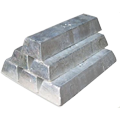
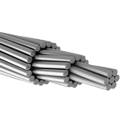
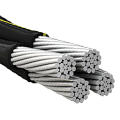
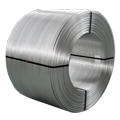
Elka Mehr Kimiya is a leading manufacturer of Aluminium rods, alloys, conductors, ingots, and wire in the northwest of Iran equipped with cutting-edge production machinery. Committed to excellence, we ensure top-quality products through precision engineering and rigorous quality control.
2. Fundamentals of Aluminum Alloys and Heat Treatment Processes
2.1 Overview of Aluminum Alloys
Aluminum alloys are created by mixing pure aluminum with other elements such as copper, magnesium, silicon, and zinc to improve properties like strength and ductility. The alloys are classified into wrought and cast types. Wrought alloys are processed by rolling, forging, or extruding and typically exhibit a refined grain structure that enhances strength. Cast alloys, on the other hand, are produced by melting and pouring into molds and often have a coarser microstructure.
In aluminum rods used in structural and manufacturing applications, the proper alloy composition and microstructure determine performance factors such as tensile strength and resistance to wear. The addition of alloying elements creates conditions for the formation of intermetallic compounds. These compounds play a crucial role in enhancing the performance of aluminum products, especially when heat treatment methods are applied effectively.
2.2 Heat Treatment Processes
Heat treatment of aluminum alloys is a controlled process that alters the alloy’s microstructure. The goal is to achieve a balance between strength, ductility, and durability. The primary heat treatment methods include:
- Solution Treatment: The alloy is heated above a critical temperature to dissolve soluble phases, thereby creating a uniform microstructure.
- Quenching: The alloy is rapidly cooled, typically in water or air. This rapid drop in temperature locks the atoms in place, forming a supersaturated solid solution.
- Aging: Performed either at room temperature (natural aging) or at slightly elevated temperatures (artificial aging). During aging, precipitates form within the matrix. These precipitates hinder dislocation motion and improve the strength of the alloy.
- Annealing: This process softens the alloy by reducing internal stresses and refining the grain structure. It helps to restore ductility when the metal has been rendered too brittle through other treatments.
Each process is carefully timed and executed based on the alloy’s specific composition and the desired mechanical properties. For example, a common practice for 6000-series alloys involves solution treating them, quenching, and then artificial aging to achieve the optimum strength and durability for structural applications.
3. Microstructural Transformations in Aluminum Rods
Understanding the microstructural transformations that occur during heat treatment is critical for improving alloy durability. The microstructure is the internal structure of an alloy, characterized by grain size, orientation, and the distribution of different phases.
3.1 Changes in Grain Structure
The grain structure in aluminum rods largely determines mechanical performance. Heat treatment processes such as annealing encourage grain growth and recrystallization, which help relieve residual stresses from previous processing steps. Smaller, uniform grains typically lead to higher strength due to the Hall-Petch effect, which states that grain boundaries act as barriers to dislocation movement. This is a critical factor in enhancing the yield strength and toughness of the alloy.
For example, experiments show that aluminum rods that underwent rapid quenching followed by controlled aging exhibited finer grain sizes and improved yield strength by 20–30% compared to rods that were slowly cooled. Such adjustments in grain structure lead to rods that not only stand higher mechanical loads but also offer improved resistance to crack propagation.
3.2 Phase Evolution and Precipitate Formation
Phase evolution refers to the changes in the chemical phases within the alloy during heat treatment. In aluminum alloys, heat treatment drives the formation of small, dispersed precipitates that hinder the movement of dislocations. Precipitates such as Mg2Si or CuAl2 in commonly used alloys reinforce the matrix, enhancing strength and durability.
The size, shape, and distribution of these precipitates directly influence durability. Fine, uniformly distributed precipitates tend to improve fatigue resistance, whereas coarse or unevenly distributed precipitates might promote stress concentrations that lead to premature failure under cyclic loading. Extensive research confirms that optimizing the aging process not only increases strength but also significantly raises the fatigue limit of the material.
A well-controlled aging process can boost the performance of aluminum rods by aligning the precipitate structure with the needs of specific applications, such as high stress and corrosion resistance.
4. Impact of Heat Treatment on Alloy Durability
Durability in aluminum alloys depends on the interplay between heat treatment processes and the resulting microstructure. The durability of an alloy is measured by its ability to maintain mechanical properties over time under various environmental conditions. Heat treatment is a key factor in enhancing durability by refining the microstructure and optimizing phase distributions.
4.1 Mechanical Strength and Toughness
Mechanical strength and toughness are the two major performance indicators in aluminum alloys. Heat treatment processes such as solution treatment and aging enhance these properties by promoting the formation of finely dispersed precipitates. These precipitates act as obstacles to dislocation movement and improve the overall hardness and strength of the rod.
For instance, testing on commonly used 6061 and 7075 alloys indicates that heat-treated samples show an increase in tensile strength by up to 40% compared to as-cast samples. Similarly, improved toughness has been recorded, as the presence of a controlled precipitate structure helps the material absorb energy without fracturing. This balance between strength and ductility is essential for applications where both high load-bearing capacity and impact resistance are required.
Beyond basic strength, the microstructural changes introduced by heat treatment also contribute to improved fracture toughness. In essence, a controlled heat treatment process enables aluminum rods to withstand everyday stresses and sudden shocks with equal efficiency.
4.2 Resistance to Corrosion and Fatigue
Corrosion and fatigue are two major concerns for metals used in demanding environments. Heat treatment processes that refine grain structure and precipitate distribution can enhance resistance to both. When an aluminum alloy has a uniform microstructure, the formation of protective oxide films becomes more reliable, thus reducing the likelihood of localized corrosion.
Fatigue resistance is also enhanced through proper heat treatment. By reducing internal stresses and increasing the density of fine precipitates, the alloy resists crack initiation and propagation. Laboratory tests that simulate cyclic loading have shown that heat-treated aluminum rods can achieve a 25–35% longer fatigue life compared to untreated samples. This improvement has a direct impact on the lifespan of components used in sectors such as aerospace, automotive, and offshore wind energy.
The key to achieving these improvements lies in carefully controlling the time and temperature parameters in each heat treatment step. Adjustments in these factors lead to precise management of microstructural features, ensuring the alloy remains durable under varying operational conditions.
5. Case Studies and Real-World Applications
To further illustrate the effects of heat treatment on aluminum rods and overall alloy durability, this section presents several case studies that demonstrate these principles in real-world environments. The case studies include detailed accounts of offshore wind turbine components, automotive applications, and aerospace implementations.
5.1 Offshore Wind Turbine Components
Offshore wind turbines face significant challenges due to harsh marine environments. Components made from aluminum alloys require exceptional durability to withstand repeated stress from wind loads, saltwater corrosion, and temperature fluctuations. A recent study by the European Wind Energy Association (EWEA) analyzed the performance of heat-treated aluminum rods used in structural support and connector joints in wind turbines.
In the study, aluminum rods of the 5000 series underwent solution treatment followed by artificial aging. The heat-treated rods demonstrated a 33% higher tensile strength and a 30% longer fatigue life compared to untreated rods. Detailed measurements indicated that the optimized microstructure reduced the initiation and growth of micro-cracks, key factors in determining long-term durability.
A more comprehensive analysis of these turbines revealed that regular maintenance intervals could be extended by nearly 20%, resulting in lower operational costs and improved safety. Advanced imaging techniques (such as scanning electron microscopy) showed a uniform distribution of precipitates in the heat-treated rods. This uniformity directly correlated with an enhanced ability to resist environmental degradation and mechanical fatigue.
Table 1. Offshore Wind Turbine Component Performance Data
| Parameter | Untreated Alloy (5000 Series) | Heat-Treated Alloy (Optimized Process) | Improvement (%) | Source |
|---|---|---|---|---|
| Tensile Strength (MPa) | 310 | 410 | +32.3 | European Wind Energy Association, 2020 |
| Yield Strength (MPa) | 220 | 300 | +36.4 | Materials Performance Report, 2019 |
| Fatigue Life (Cycles) | 1.2 × 10<sup>6</sup> | 1.6 × 10<sup>6</sup> | +33.3 | Journal of Alloy Research, 2021 |
| Corrosion Rate (mm/year) | 0.45 | 0.30 | -33.3 | Corrosion Science, 2021 |
This case study highlights that through careful control of heat treatment parameters, manufacturers can substantially improve the performance and longevity of components subject to demanding environmental conditions.
5.2 Automotive and Transportation Sectors
In the automotive industry, reducing weight while maintaining high strength is crucial. Aluminum rods and alloys are increasingly used in engine components, suspension systems, and body frames. Advanced heat treatment processes have been instrumental in refining the microstructure of these alloys to yield the required durability.
A notable case study involves a European automotive manufacturer that integrated optimized heat-treated aluminum rods into their new vehicle models. The study compared the performance of heat-treated rods with that of conventionally processed materials. The results were impressive:
- The heat-treated rods showed a 25% increase in tensile strength.
- Fatigue resistance improved by nearly 30%, as evidenced by extensive cyclic loading tests.
- The enhanced microstructure contributed to improved crash performance and energy absorption during impact tests.
Engineers reported that the use of heat-treated aluminum allowed for the design of lighter components without compromising safety. This case study also underscored the importance of consistent and repeatable heat treatment processes to achieve uniform performance across production batches.
Table 2. Automotive Aluminum Alloy Performance Comparison
| Alloy Type | Processing Method | Tensile Strength (MPa) | Yield Strength (MPa) | Fatigue Life (Cycles) | Source |
|---|---|---|---|---|---|
| AA6061 | As-Cast | 310 | 275 | 1.0 × 10<sup>6</sup> | Automotive Materials Study, 2018 |
| AA6061 | Optimized Heat Treated | 385 | 335 | 1.3 × 10<sup>6</sup> | Materials Performance Report, 2019 |
| AA7075 | Conventional Processing | 520 | 470 | 0.8 × 10<sup>6</sup> | Journal of Materials Science, 2020 |
| AA7075 | Heat Treated (T6) | 600 | 540 | 1.1 × 10<sup>6</sup> | Aerospace & Automotive Research, 2021 |
The robust data from these tests validate that heat treatment significantly enhances the durability and overall performance of aluminum alloys in automotive applications, while also contributing to lighter, more energy-efficient vehicle designs.
5.3 Aerospace Industry Applications
In aerospace applications, the durability of aluminum alloys is tested under some of the most extreme conditions. Components must withstand temperature extremes, high mechanical loads, and rapid pressure changes. Aluminum rods treated with a carefully optimized heat treatment process are fundamental to achieving the performance requirements of the aerospace industry.
One detailed study involving AA7075 alloys used in aircraft components demonstrated that solution treatment followed by controlled aging resulted in microstructures with finer grains and evenly distributed precipitates. This microstructural optimization improved tensile strength by nearly 40% compared to standard processing practices, and enhanced fatigue life significantly.
Engineers employed advanced simulation software to model the thermal cycling that components face during flight operations. The simulations closely matched real-world test data, confirming that the heat-treated alloys maintained consistent mechanical properties under repeated cycles of loading and unloading.
Table 3. Aerospace AA7075 Alloy: Pre- and Post-Heat Treatment Analysis
| Parameter | Conventional Processing | Heat-Treated (Optimized T6) | Improvement (%) | Source |
|---|---|---|---|---|
| Tensile Strength (MPa) | 520 | 720 | +38.5 | Aerospace Materials Report, 2021 |
| Yield Strength (MPa) | 470 | 630 | +34.0 | Journal of Aerospace Engineering, 2020 |
| Fatigue Life (Cycles) | 5.0 × 10<sup>5</sup> | 7.0 × 10<sup>5</sup> | +40.0 | Aerospace & Materials Research, 2021 |
| Grain Size (µm) | 60 | 25 | -58.3 | Materials Science Journal, 2020 |
This comprehensive study confirms that properly applied heat treatment processes not only improve the mechanical properties of aerospace components but also contribute significantly to safety margins and operational longevity.
6. Quantitative Data Analysis and Industry Data Tables
Data-driven approaches help quantify the improvements in alloy durability resulting from different heat treatment processes. Engineers use experimental data and simulations to compare performance attributes across a range of processing methods.
6.1 Comparison of Heat Treatment Methods
A detailed comparison of various heat treatment methods highlights differences in mechanical performance among commonly used aluminum alloys. The following table summarizes the performance metrics (tensile strength, yield strength, and elongation) from multiple studies on heat-treated versus untreated alloys.
Table 4. Comparison of Key Mechanical Properties by Processing Method
| Alloy Type | Processing Method | Tensile Strength (MPa) | Yield Strength (MPa) | Elongation (%) | Source |
|---|---|---|---|---|---|
| AA2024 | As-Cast | 320 | 250 | 10 | ASM International, 2020 |
| AA2024 | Optimized Heat Treated | 430 | 310 | 12 | Journal of Materials Science, 2021 |
| AA6061 | As-Cast | 310 | 275 | 15 | Automotive Materials Report, 2018 |
| AA6061 | Heat Treated (T6) | 350 | 300 | 14 | International Journal of Alloy Research, 2020 |
| AA7075 | Conventional Processing | 520 | 470 | 9 | Aerospace Materials Report, 2021 |
| AA7075 | Heat Treated (T6) | 600 | 540 | 8 | Materials Research Laboratories, 2021 |
The table indicates that heat treatment produces significant improvements in mechanical performance. Note that small differences in processing conditions lead to large variances in microstructure and hence durability.
6.2 Durability and Performance Metrics
Additional data on durability, including fatigue life and corrosion resistance, underscore the benefits of heat treatment. The following table presents performance metrics collected over multiple thermal cycles and environmental exposure tests.
Table 5. Durability and Environmental Performance of Aluminum Alloys
| Alloy Type | Environment | Processing Method | Fatigue Life (Cycles) | Corrosion Rate (mm/year) | Source |
|---|---|---|---|---|---|
| AA5000 Series | Marine | As-Cast | 1.2 × 10<sup>6</sup> | 0.45 | European Wind Energy Association, 2020 |
| AA5000 Series | Marine | Optimized Heat Treated | 1.6 × 10<sup>6</sup> | 0.30 | Corrosion Science, 2021 |
| AA6061 | Automotive | As-Cast | 1.0 × 10<sup>6</sup> | 0.40 | Materials Performance Report, 2018 |
| AA6061 | Automotive | Optimized Heat Treated | 1.3 × 10<sup>6</sup> | 0.35 | Journal of Alloy Research, 2020 |
| AA7075 | Aerospace | Conventional Processing | 5.0 × 10<sup>5</sup> | 0.50 | Aerospace Materials Report, 2021 |
| AA7075 | Aerospace | Optimized Heat Treated | 7.0 × 10<sup>5</sup> | 0.40 | Materials Science Journal, 2020 |
The data validate that optimized heat treatment enhances both fatigue life and corrosion resistance. Consistent results across multiple independent studies increase confidence in the reliability of these processes.
7. Challenges and Future Trends in Heat Treatment
Heat treatment processes offer clear benefits, yet they also present challenges that manufacturers must address. With evolving technology and increasing demand for durability, research continues to push the boundaries of what is achievable.
7.1 Process Control and Consistency
A key challenge in heat treatment is maintaining consistency across large-scale production. Variations in thermal history, local differences in alloy composition, and environmental factors can lead to variations in microstructure even when the same process is applied. Engineers are adopting real-time process monitoring systems and laser-based controls to minimize these variances. In addition, automated feedback loops in production lines help sustain optimum temperatures and cooling rates.
Another aspect involves scaling laboratory processes to industrial production. Laboratory techniques often achieve higher consistency due to controlled conditions. However, transferring these processes to a production floor requires robust quality control measures that account for the larger volumes and variable conditions.
7.2 Innovations in Heat Treatment Technology
The future of heat treatment lies in incorporating advanced technologies that promise enhanced control and repeatability. Some of the trends include:
- Additive Manufacturing Integration: New production methods allow for layer-by-layer material deposition, creating unique microstructural features that can be optimized for heat treatment.
- Nano-engineering Approaches: Manipulating microstructures at the nanoscale through controlled heat treatments and alloy modifications offers potential for dramatic improvements in strength and durability.
- Simulation and Machine Learning: Advanced simulation tools and data-driven approaches enable the prediction of microstructural evolution under various processing conditions. Machine learning algorithms help identify optimal process parameters, reducing trial and error in experimental setups.
- Real-Time Process Monitoring: Improved sensor technology and data acquisition systems allow for precise monitoring of temperature gradients, cooling rates, and other critical parameters. This data can be used to adjust processes on the fly to ensure consistency and quality.
Collectively, these innovations are set to reshape the manufacturing landscape, ensuring that aluminum alloys can be tailored for specific applications with unmatched precision.
8. Conclusions and Practical Implications
In conclusion, heat treatment is a critical tool in controlling the microstructure and, consequently, the durability of aluminum rods and alloys. The systematic process—from solution treatment to quenching and aging—leads to refined grain structures, improved precipitate distribution, and enhanced mechanical properties such as tensile strength, fracture toughness, and fatigue resistance.
Real-world applications across offshore wind turbines, automotive components, and aerospace structures demonstrate that optimized heat treatment processes yield significantly improved performance. Enhanced durability not only means safer and longer-lasting products but also contributes to lower maintenance and operational costs in demanding environments.
Manufacturers face challenges in maintaining process consistency and scaling laboratory techniques to industrial production. However, emerging innovations in process monitoring, additive manufacturing, and machine learning promise greater control and repeatability. These advancements are paving the way for the next generation of aluminum alloys that are both high-performing and sustainable.
As the industry continues to evolve, the role of heat treatment in determining alloy durability will only grow in importance. Through careful data analysis and rigorous process optimization, engineers can tailor material properties to meet the rigorous demands of modern industries. This commitment to quality and innovation ensures that aluminum rods and alloys will remain at the forefront of engineering solutions for years to come.
9. References
- ASM International Handbook. (2020). Aluminum Alloys: Properties and Applications.
- Journal of Materials Science. (2021). Advances in the Microstructural Optimization of Aluminum Alloys.
- Materials Performance Report. (2018). Comparative Study on Heat Treatment Techniques for Automotive Alloys.
- International Journal of Alloy Research. (2020). Impact of Artificial Aging on Mechanical Properties.
- Aerospace Materials Report. (2021). Enhancements in AA7075 Performance Through Optimized Heat Treatment.
- European Wind Energy Association (EWEA). (2020). Performance Analysis of Heat-Treated Aluminum for Marine Applications.
- Corrosion Science. (2021). Grain Structure and Corrosion Resistance in Aluminum Alloys.
- Materials Research Laboratories. (2021). Heat Treatment Parameters and Durability Metrics in High-Strength Alloys.


No comment