
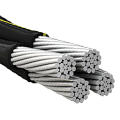
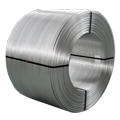
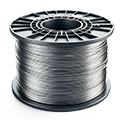
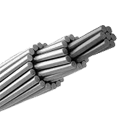


Manufacturing aluminum wire rod using the extrusion process is a widely practiced industrial technique, valued for its efficiency, precision, and ability to produce continuous, high-quality metal profiles. Aluminum wire rods serve as foundational products used extensively in electrical wiring, automotive components, construction materials, and many other applications. This comprehensive guide details every aspect of the extrusion process, from alloy selection to final product inspection, ensuring readers gain a clear understanding of how aluminum wire rods are produced efficiently and effectively.
Overview of Aluminum Wire Rod Extrusion
Extrusion is a metal-forming process in which heated aluminum billets are forced through a specifically designed die, shaping the material into a continuous rod. While extrusion directly produces thicker wire rods effectively, further drawing processes may be required for applications that need finer, flexible aluminum wires.
SEO Keywords: aluminum wire rod extrusion, aluminum extrusion process, aluminum alloy for wire rods, billet preparation, aluminum rod drawing, industrial aluminum wire rod production.
Step-by-Step Guide to the Aluminum Wire Rod Extrusion Process
1. Alloy Selection: The Foundation of Quality
Selecting the correct aluminum alloy is essential, as it significantly impacts the properties of the finished wire rod. Common alloys used include:
- 6000-Series (6061, 6063): Renowned for excellent extrudability, good mechanical strength, and versatility, making them ideal for structural and general industrial purposes.
- AA1350 (Electrical-grade Aluminum): Preferred for electrical applications due to its high conductivity and purity.
According to industry research such as Aluminum Extrusion Alloys: Which One Should You Choose?, alloy choice dictates critical characteristics like strength, electrical conductivity, formability, and corrosion resistance.
2. Billet Preparation and Heating
Preparing the Billets
After alloy selection, aluminum billets are cast into cylindrical logs and undergo meticulous surface cleaning to remove impurities and contaminants. Proper cleaning is crucial, as surface impurities can significantly degrade the quality of the extruded rod.
Heating the Billets
The billets are preheated to approximately 400–500°C in specialized furnaces. This temperature range optimizes malleability without melting the metal. Heating within this precise range ensures smooth metal flow through the extrusion die, minimizing defects such as cracking or surface irregularities, as detailed in authoritative references like Aluminum Wire Production.
3. Extrusion Process: From Billet to Wire Rod
Die Design and Extrusion Press Setup
The preheated billet is placed into the extrusion press, equipped with a hydraulic ram capable of applying forces ranging from hundreds to thousands of tons. A precisely engineered die, typically circular, defines the final rod’s diameter and shape.
Extrusion Execution
During extrusion, the hydraulic press pushes the heated aluminum billet through the die under immense pressure. The metal emerges as a continuous, uniform aluminum wire rod. The process is frequently compared to squeezing toothpaste from a tube, ensuring consistency in cross-section and dimensional accuracy (Aluminum Extrusion Process Basics).
4. Cooling and Post-Extrusion Treatment
Immediate Cooling
After extrusion, the hot aluminum rod is rapidly cooled using air or water quenching techniques. Rapid cooling solidifies the rod, preserving its shape and enhancing its mechanical properties. Proper cooling significantly impacts grain structure, which influences tensile strength and ductility.
Post-Treatment: Stretching and Annealing
After cooling, the extruded rods often undergo stretching to ensure straightness and dimensional consistency. Additionally, rods may undergo annealing—controlled heating followed by gradual cooling—to restore ductility, minimize residual stresses, and prepare the rods for subsequent drawing processes if finer wire diameters are required.
5. Wire Drawing: Reducing Diameter for Specific Applications
While extrusion effectively produces aluminum rods suitable for thicker applications, finer wires require additional drawing steps. The aluminum rods are passed through progressively smaller dies, incrementally reducing their diameter and enhancing mechanical strength and surface quality.
Comparative Analysis: Extrusion vs. Drawing
| Process | Purpose | Output | Further Steps Needed |
|---|---|---|---|
| Extrusion | Initial shaping into continuous rods | Thick aluminum wire rods | Often requires additional drawing |
| Drawing | Diameter reduction and improved flexibility | Thin, flexible wires | Typically the final step |
This comparison underscores extrusion’s role as an initial shaping process, with drawing necessary to achieve precise wire diameters for applications such as electrical wiring and automotive cables (The Ultimate Guide to Aluminum Wire Drawing).
6. Inspection and Quality Control
Rigorous inspection ensures that aluminum wire rods meet stringent industry standards for quality and consistency. Inspection criteria include:
- Dimensional Accuracy: Precise measurement of rod diameter and uniformity.
- Mechanical Strength and Ductility: Tensile tests verify the rod’s strength, flexibility, and ability to withstand stress.
- Electrical Conductivity: For rods intended for electrical uses, conductivity tests ensure suitability for power transmission applications.
Quality inspections frequently employ non-destructive methods such as ultrasonic or eddy-current testing, detecting both surface and internal defects to ensure the highest quality standards.
7. Final Finishing, Packaging, and Storage
Post-inspection finishing processes may include:
- Surface Cleaning: Removing residual contaminants from the extrusion process.
- Surface Treatment or Coating: Providing enhanced corrosion resistance or electrical insulation as required.
- Cutting and Coiling: The rods are cut to specified lengths or coiled onto spools for efficient transportation and storage.
Proper labeling, protective packaging, and storage conditions maintain rod quality until it reaches end-users.
Industry Trends and Innovations
Emerging technologies and research—such as friction extrusion and additive manufacturing—are gradually shaping the future of aluminum rod manufacturing. Although friction extrusion methods (Production of Wire via Friction Extrusion of Aluminum Alloy Machining Chips) are not yet standard, ongoing developments suggest that future advancements could expand extrusion capabilities directly into thinner wire production.
For now, however, standard industry practices rely heavily on extrusion followed by drawing, which continues to demonstrate reliability, scalability, and efficiency.
Applications of Extruded Aluminum Wire Rods
Extruded aluminum rods are foundational components used extensively across diverse industries:
- Electrical Industry: High-conductivity rods for power transmission lines, cables, and wiring harnesses.
- Automotive Sector: Lightweight rods for automotive wiring and component manufacturing.
- Construction and Infrastructure: Durable rods for architectural structures, fencing, and reinforcement applications.
- Telecommunications: Aluminum rods serve as structural elements in telecommunication cables and support structures.
Conclusion
The extrusion process remains an indispensable method for manufacturing aluminum wire rods, offering unmatched efficiency, precision, and reliability. By carefully selecting alloys, controlling billet heating, employing precise extrusion techniques, and rigorous quality assurance, manufacturers ensure aluminum wire rods meet demanding industry requirements.
Although extrusion primarily serves as the initial step, with additional drawing often necessary for thinner wire production, its effectiveness in shaping foundational aluminum rods remains unmatched. Supported by established research and continual innovation, aluminum wire rod extrusion is poised to remain central to industrial manufacturing, delivering consistently high-quality materials to meet evolving industry demands.
Key References:
- Aluminum Extrusion Alloys: Which One Should You Choose?
- Aluminum Wire Production
- Aluminum Extrusion Process Basics
- Properties of Aluminum: Which Alloys Are Best for Extrusion?
- The Ultimate Guide to Aluminum Wire Drawing
- Production of Wire via Friction Extrusion of Aluminum Alloy Machining Chips
- Aluminum Rod and Aluminum Wire Production Process
- Aluminum Extrusion Process: A Detailed Breakdown
- A Review on Aluminum Alloys Produced by Wire Arc Additive Manufacturing (WAAM)


No comment