


Introduction
Selecting the appropriate type of electrical cable for specific needs is crucial to ensure safety, efficiency, and longevity. This comprehensive guide provides an in-depth comparison of All Aluminium Conductor (AAC), All Aluminium Alloy Conductor (AAAC), and Aerial Bundled Cable (ABC). Each section includes the advantages, disadvantages, best usage scenarios, standards, and technical and mechanical properties. All information is verified and sourced from reputable references to ensure accuracy.
Cable Types Overview
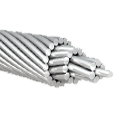
All Aluminium Conductor (AAC)
Advantages:
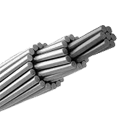
- High Conductivity: Made from pure aluminum, AAC offers excellent electrical conductivity.
- Lightweight: Easier to handle and install due to its low weight.
- Cost-Effective: Generally cheaper than AAAC and ABC cables.
- Urban Use: Ideal for urban areas with short transmission distances.
- Ease of Installation: Lightweight and simple structure make installation straightforward.
Disadvantages:
- Low Tensile Strength: Less robust compared to AAAC.
- Corrosion Susceptibility: More prone to corrosion, especially in polluted or coastal areas.
- Limited Use: Not suitable for long spans due to its mechanical weakness.
- Maintenance Requirements: Higher maintenance needs due to corrosion susceptibility.
Best Scenarios:
- Short distance power distribution in urban environments.
- Temporary installations where ease of handling is important.
- Areas with limited exposure to corrosive elements.
- Applications where cost is a major consideration.
Standards:
- ASTM B231/B231M: Standard for concentric-lay-stranded AAC.
- IEC 61089: International standard for AAC conductors.
Technical and Mechanical Properties:
- Material: 99.5% Aluminum.
- Conductivity: Approximately 61% IACS (International Annealed Copper Standard).
- Tensile Strength: 70-130 MPa.
- Elongation: 4-8% at break.
- Weight: 2700 kg/m³.
- Temperature Range: -50°C to 80°C.
- Sag: Higher sag due to lower tensile strength.
- Installation Tension: Lower compared to AAAC and ABC.
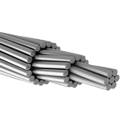
All Aluminium Alloy Conductor (AAAC)
Advantages:
- Higher Strength: Made from aluminum alloy, providing better tensile strength.
- Corrosion Resistance: Superior resistance to corrosion compared to AAC.
- Durable: Longer lifespan due to robust material properties.
- Suitable for Longer Distances: Ideal for longer transmission distances.
- Better Sag Performance: Improved sag characteristics under load.
Disadvantages:
- Higher Cost: More expensive than AAC.
- Slightly Lower Conductivity: Conductivity is slightly reduced due to alloying elements.
- Installation Complexity: Requires more effort to install compared to AAC.
- Weight: Heavier than AAC, making transportation and handling more challenging.
Best Scenarios:
- Rural and industrial power transmission where longer spans are needed.
- Environments prone to corrosion, such as coastal or industrial areas.
- Areas requiring higher mechanical strength and durability.
- Applications where extended service life is critical.
Standards:
- ASTM B399/B399M: Standard for concentric-lay-stranded AAAC.
- IEC 61089: International standard for AAAC conductors.
Technical and Mechanical Properties:
- Material: Aluminum-magnesium-silicon alloy (AlMgSi).
- Conductivity: Approximately 52.5% IACS.
- Tensile Strength: 150-180 MPa.
- Elongation: 2-4% at break.
- Weight: 2700-2750 kg/m³.
- Temperature Range: -50°C to 90°C.
- Sag: Lower sag compared to AAC due to higher tensile strength.
- Installation Tension: Higher than AAC, requiring more precise tensioning.
Aerial Bundled Cable (ABC)
Advantages:
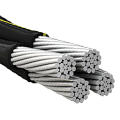
- Insulated Conductors: Bundled and insulated conductors offer better safety and reliability.
- Reduced Short Circuit Risk: Insulation minimizes the risk of short circuits.
- Durable and Weather Resistant: Excellent performance in severe weather conditions.
- Aesthetic and Space-Saving: More visually appealing and takes up less space.
- Enhanced Safety: Reduced risk of accidental electrocution.
Disadvantages:
- Complex Installation: More challenging and time-consuming to install.
- Higher Cost: Generally the most expensive option.
- Heavy: Heavier due to insulation, which may complicate installation.
- Maintenance: Requires careful handling during maintenance to avoid damage to insulation.
Best Scenarios:
- Urban and densely populated areas where safety and aesthetics are important.
- Areas with severe weather conditions.
- Applications requiring high reliability and reduced maintenance.
- Overhead distribution lines in residential areas.
Standards:
- IEC 60502-1: Standard for power cables with extruded insulation and their accessories for rated voltages up to 1 kV.
- NFC 33-209: French standard for LV ABC cables.
- AS/NZS 3560.1: Australian/New Zealand standard for ABC cables.
Technical and Mechanical Properties:
- Material: Aluminum conductors with various insulation types (cross-linked polyethylene (XLPE), high-density polyethylene (HDPE), or polyvinyl chloride (PVC)).
- Conductivity: Approximately 61% IACS.
- Tensile Strength: 90-150 MPa.
- Elongation: 3-6% at break.
- Weight: 2900-3000 kg/m³.
- Temperature Range: -40°C to 90°C.
- Sag: Lower sag due to the bundled configuration.
- Installation Tension: Requires specialized tools and techniques for proper tensioning.
Different Insulation Types for ABC Cables
Cross-Linked Polyethylene (XLPE)
- Advantages: Excellent thermal and mechanical properties, high electrical insulation resistance, and good resistance to chemicals and moisture.
- Disadvantages: More expensive than other insulation types.
- Best Scenarios: High-voltage applications, areas with high thermal demands.
High-Density Polyethylene (HDPE)
- Advantages: Good mechanical strength, resistance to abrasion, and excellent electrical insulation properties.
- Disadvantages: Less flexible than PVC and XLPE, can become brittle in cold temperatures.
- Best Scenarios: Medium-voltage applications, areas where mechanical durability is crucial.
Polyvinyl Chloride (PVC)
- Advantages: Cost-effective, good flexibility, and ease of handling.
- Disadvantages: Lower thermal resistance compared to XLPE and HDPE, and potential environmental concerns during manufacturing and disposal.
- Best Scenarios: Low-voltage applications, areas requiring flexibility and ease of installation.
Detailed Comparison and Analysis
Electrical Properties
AAC:
- Resistance: Lower electrical resistance due to high aluminum purity.
- Inductance and Capacitance: Standard inductance and capacitance values, suitable for urban distribution.
AAAC:
- Resistance: Slightly higher electrical resistance compared to AAC.
- Inductance and Capacitance: Similar inductance and capacitance values, suitable for both urban and rural distribution.
ABC:
- Resistance: Higher electrical resistance due to insulation and bundled configuration.
- Inductance and Capacitance: Modified inductance and capacitance values, ideal for minimizing power losses in distribution networks.
Mechanical Properties
AAC:
- Breaking Load: Lower breaking load, suitable for shorter spans.
- Elasticity: Higher elasticity, which can lead to higher sag under load.
- Creep: Higher creep rates over time, affecting long-term performance.
AAAC:
- Breaking Load: Higher breaking load, suitable for longer spans.
- Elasticity: Lower elasticity compared to AAC, resulting in reduced sag.
- Creep: Lower creep rates, providing better long-term stability.
ABC:
- Breaking Load: Moderate breaking load due to bundled configuration.
- Elasticity: Balanced elasticity to accommodate installation stresses.
- Creep: Insulation reduces creep, maintaining performance over time.
Thermal Properties
AAC:
- Current Carrying Capacity: High current carrying capacity, but limited by low tensile strength.
- Thermal Expansion: High thermal expansion can affect performance in temperature variations.
- Heat Dissipation: Good heat dissipation due to high conductivity.
AAAC:
- Current Carrying Capacity: Slightly reduced current carrying capacity due to alloying elements.
- Thermal Expansion: Lower thermal expansion, providing better stability in varying temperatures.
- Heat Dissipation: Adequate heat dissipation with better mechanical properties.
ABC:
- Current Carrying Capacity: Moderately high, but insulation affects heat dissipation.
- Thermal Expansion: Controlled thermal expansion due to insulation.
- Heat Dissipation: Insulation can limit heat dissipation, requiring careful design.
Installation and Maintenance
AAC:
- Installation: Simple and quick installation due to lightweight and flexibility.
- Tools Required: Basic tools for installation.
- Maintenance: Higher maintenance due to corrosion susceptibility.
AAAC:
- Installation: More complex installation requiring precise tensioning.
- Tools Required: Specialized tools for tensioning and handling.
- Maintenance: Lower maintenance due to corrosion resistance.
ABC:
- Installation: Complex installation requiring specialized tools and techniques.
- Tools Required: Advanced tools for tensioning, handling, and securing insulation.
- Maintenance: Minimal maintenance due to insulated and bundled design.
Environmental Impact
AAC:
- Recyclability: Fully recyclable aluminum.
- Environmental Concerns: Higher maintenance and potential environmental impact due to corrosion.
AAAC:
- Recyclability: Fully recyclable aluminum alloy.
- Environmental Concerns: Lower environmental impact due to corrosion resistance and reduced maintenance.
ABC:
- Recyclability: Insulated materials can complicate recycling.
- Environmental Concerns: Higher initial environmental impact due to insulation manufacturing but lower ongoing impact due to reduced maintenance.
Cost Analysis
AAC:
- Initial Cost: Lowest initial cost.
- Lifecycle Cost: Higher lifecycle cost due to maintenance and potential corrosion issues.
AAAC:
- Initial Cost: Moderate initial cost.
- Lifecycle Cost: Lower lifecycle cost due to durability and reduced maintenance.
ABC:
- Initial Cost: Highest initial cost.
- Lifecycle Cost: Lowest lifecycle cost due to high durability, reliability, and minimal maintenance.
Case Studies
Case Study 1: Urban Distribution with AAC
Scenario: A city requires an efficient and cost-effective solution for distributing electricity over short distances within a densely populated area.
Solution: AAC cables are selected due to their high conductivity and low cost. Their lightweight nature simplifies installation and maintenance in a crowded urban environment.
Outcome: The use of AAC cables results in reliable electricity distribution with minimal installation challenges. The city’s maintenance team is equipped to handle the higher maintenance needs due to corrosion susceptibility.
Case Study 2: Rural and Long-Distance Transmission with AAAC
Scenario: A rural community requires a durable and corrosion-resistant solution for transmitting electricity over long distances through harsh environmental conditions.
Solution: AAAC cables are chosen for their higher tensile strength and superior corrosion resistance. These cables can handle longer spans and are ideal for the rural setting.
Outcome: The AAAC cables provide reliable power transmission with reduced maintenance needs. Their durability ensures a longer lifespan, making them a cost-effective choice in the long run.
Case Study 3: Residential and Urban Overhead Distribution with ABC
Scenario: A residential area in a coastal city needs a safe and aesthetically pleasing solution for overhead electricity distribution.
Solution: ABC cables are selected for their bundled, insulated design that enhances safety and reliability. The cables’ ability to withstand severe weather conditions is crucial for the coastal environment.
Outcome: The ABC cables offer enhanced safety and reduced maintenance, making them ideal for the residential area. Their aesthetic appeal and space-saving design improve the overall look of the neighborhood.
Conclusion
Selecting the right cable type—AAC, AAAC, or ABC—depends on various factors including application needs, environmental conditions, and budget. Understanding the advantages and disadvantages of each type will help in making an informed decision that ensures efficiency, safety, and cost-effectiveness.
Comparison Table
| Feature | AAC | AAAC | ABC |
|---|---|---|---|
| Material | 99.5% Aluminum | Al-Mg-Si Alloy | Aluminum + Various Insulations (XLPE, HDPE, PVC) |
| Conductivity | ~61% IACS | ~52.5% IACS | ~61% IACS |
| Tensile Strength | 70-130 MPa | 150-180 MPa | 90-150 MPa |
| Elongation | 4-8% | 2-4% | 3-6% |
| Weight | 2700 kg/m³ | 2700-2750 kg/m³ | 2900-3000 kg/m³ |
| Temperature Range | -50°C to 80°C | -50°C to 90°C | -40°C to 90°C |
| Sag | High | Low | Low |
| Installation Complexity | Simple | Moderate | Complex |
| Corrosion Resistance | Low | High | High |
| Cost | Low | Moderate | High |
| Maintenance | High | Low | Low |
| Best Use Case | Urban distribution | Rural/industrial | Residential/urban overhead |
Sources
- Electrical Engineering Handbook, Ed. Richard C. Dorf, CRC Press.
- Power System Analysis and Design, J. Duncan Glover, Mulukutla S. Sarma, Thomas Overbye.
- Electric Power Distribution Handbook, Thomas Allen Short.
- Standard Handbook for Electrical Engineers, Ed. H. Wayne Beaty, Donald Fink.
- Electrical Power Cable Engineering, William A. Thue.
- High Voltage Engineering Fundamentals, E. Kuffel, W.S. Zaengl, J. Kuffel.
- Power Cables and Their Applications, Siemens AG.
- Overhead Power Lines: Planning, Design, Construction, Friedrich Kiessling, Peter Nefzger, Ulf Kaintzyk, Nicolai Nolasco.
- Practical Electrical Network Automation and Communication Systems, Cobus Strauss.
Contact us today to discuss your specific production requirements and learn more about how Elka Mehr Kimiya’s Aluminum Rods can elevate your steelmaking process.
Whatsapp Number:
+98-902-8000013
Sale Department Contact Number:
+98(41)36589245
No comment