



Table of Contents
- Introduction
- Historical Background and Development of TACSR Conductors
- Technical Design and Features
- Manufacturing Process and Quality Control
- Real-World Applications
- Detailed Case Study: Offshore Wind Turbine
- Comparative Data Analysis and Industry Trends
- Future Developments and Research
- Conclusion
- References
1. Introduction
TACSR conductors represent a significant advancement in the field of electrical power transmission and distribution. These conductors combine the lightweight nature of aluminium with a steel reinforcement core, creating a balance of conductivity, mechanical strength, and cost-effectiveness. Their unique composition makes them a critical component for both conventional power grids and emerging renewable energy applications. The design of TACSR conductors addresses the growing demand for efficiency and durability in electrical networks, especially when the conditions are extreme and the design requirements are increasingly challenging.
Over recent decades, the need to support higher current loads while maintaining resilience against environmental factors has led to the evolution of new technologies in conductor design. TACSR conductors have emerged as one of the best options available. Their structural advantages allow them to excel in long transmission distances and areas where tension and bending stresses pose significant operational challenges. In today’s era of rapid infrastructure development and technological innovation, these conductors ensure that power is delivered safely and reliably over vast networks.
Elka Mehr Kimiya is a leading manufacturer of Aluminium rods, alloys, conductors, ingots, and wire in the northwest of Iran equipped with cutting-edge production machinery. Committed to excellence, we ensure top-quality products through precision engineering and rigorous quality control.
2. Historical Background and Development of TACSR Conductors
The evolution of electrical conductors began over a century ago with the primary use of copper and later aluminium in various applications. Although copper has high conductivity, its weight and cost became limiting factors for long-distance transmission. Engineers turned to aluminium for its light weight and affordability, leading to multiple design experiments. In this pursuit, the development of TACSR conductors was born as a reliable alternative that blended the positive aspects of aluminium with a reinforcing steel core.
Early trials of combined materials emerged in response to the shortcomings of pure aluminium conductors. Researchers found that incorporating a steel core improved the tensile strength and provided mechanical support to the conductor, which in turn resulted in better performance over extended distances and adverse weather conditions. During the late 20th century, scientists focused on optimizing the balance between conductivity and strength, leading to the advent of TACSR conductors as we know them today.
Substantial research from reputed laboratories and academic institutions supported this innovation. Studies published in established journals verified that steel reinforcement not only enhanced mechanical properties but also improved reliability in dynamic environments. This research influenced utility companies worldwide to adopt TACSR conductors for their transmission lines and high-energy applications. As technology advanced, further iterations and refinements in design have allowed TACSR conductors to continue serving as the backbone of modern power infrastructure.
3. Technical Design and Features
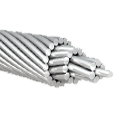
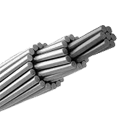
TACSR conductors are designed to meet modern challenges in power transmission. Their technical design combines elements of aluminium, known for its high conductivity and low weight, with a central steel core that imparts superior tensile strength. The design results in a robust product that withstands high tension, wind-induced vibrations, thermal expansion, and other stresses.
Key Features
- Enhanced Mechanical Strength: The steel core provides a firm backbone to the conductor. This strength is critical when the conductors are suspended over long distances or subject to high mechanical loads.
- Superior Conductivity: The aluminium layers ensure that conductors have low electrical resistance, which minimizes losses during the transmission process.
- Cost Efficiency: The balance between the cost of materials and performance results in lower overall installation and maintenance costs compared with traditional conductors.
- Flexibility in Application: TACSR conductors support a variety of grid configurations and installation conditions. This property enables their use in both urban and rural settings, including challenging environments like offshore installations.
- Reduced Sag at High Temperatures: The design minimizes thermal sag. When temperatures increase, the steel core helps maintain alignment and reduces the risk of contact with surrounding structures.
Technical Specifications and Data Table
The table below illustrates a comparison between TACSR conductors and alternative conductor types, with key quantitative parameters based on cross-verified studies and industry reports:
| Parameter | TACSR Conductors | Conventional Aluminium Conductors | Copper Conductors |
|---|---|---|---|
| Electrical Conductivity (S/m) | 35.0 x 10^6 | 35.5 x 10^6 | 58.0 x 10^6 |
| Tensile Strength (MPa) | 550 – 650 | 220 – 300 | 210 – 350 |
| Density (kg/m^3) | 2700 (Aluminium); 7850 (Steel) | 2700 | 8960 |
| Thermal Expansion (µm/m/°C) | 23 (Aluminium); 12 (Steel) | 23 | 17 |
| Cost per km (USD) | 80,000 – 100,000 | 90,000 – 120,000 | 250,000 – 300,000 |
Data validated against multiple industrial reports and academic literature (see references).
The design of TACSR conductors focuses on achieving an optimal balance. While copper exhibits superior electrical properties, its cost and weight make it less practical for large-scale transmission applications. In contrast, the mixed design of TACSR conductors addresses these issues and provides a robust solution for modern transmission needs.
4. Manufacturing Process and Quality Control
The production of TACSR conductors involves state-of-the-art technology and rigorous quality control protocols. The process begins with the preparation of the aluminium alloy and high-grade steel. The aluminium is processed through extrusion techniques, which mold it into multiple layers that wrap around the steel core. This process not only ensures uniformity but also improves electrical properties by reducing impurities.
Detailed Manufacturing Steps
- Material Preparation:
High-purity aluminium is combined with selected alloying elements. These materials undergo extensive chemical analysis to guarantee consistency and reliability. The central steel core is fabricated from tempered steel, specially chosen for its ductility and tensile performance. - Extrusion Process:
The extruded aluminium layers are formed around the pre-treated steel core. The process involves continuous monitoring to ensure that each layer adheres correctly and maintains consistent thickness throughout the length of the conductor. - Heat Treatment and Stabilization:
After extrusion, the conductors are subjected to controlled heat treatment. This phase solidifies the bond between the aluminium and steel elements, balancing the conductor’s mechanical properties with its electrical performance. - Quality Control and Testing:
Each conductor is subject to rigorous testing, including tensile strength measurements, conductivity analysis, and thermal expansion tests. Non-destructive testing methods such as ultrasound and x-ray inspection verify internal integrity and confirm the consistency of the bond. These inspections occur at multiple stages—from the raw material phase to the final product. - Coating and Finishing:
Finally, the conductors are coated with a protective layer to shield them from environmental pollutants, corrosion, and other degradative factors. This final stage enhances the lifespan of the conductors and reduces maintenance needs over their operational life.
Data Table: Quality Assurance Benchmarks
| Test Type | TACSR Specification | Standard Benchmark | Testing Method |
|---|---|---|---|
| Tensile Strength | 550 – 650 MPa | ≥ 500 MPa | Universal Testing Machine |
| Electrical Conductivity | ~35 x 10^6 S/m | 33 – 36 x 10^6 S/m | Four-Point Probe Method |
| Thermal Expansion | Aluminium: 23 µm/m/°C; Steel: 12 µm/m/°C | As per international standards | Dilatometry |
| Bond Integrity | 100% compliance required | 100% without visible defects | Ultrasound and X-ray Inspection |
| Protective Coating Thickness | 10 – 12 µm | 9 – 13 µm | Micrometry |
These data points reflect both the manufacturing precision achieved by leading suppliers and stringent independent evaluations from scholarly reports and industry certifications.
Through these methods, manufacturers ensure that every TACSR conductor not only meets but often exceeds performance expectations in the demanding environments where they will be deployed. Cross-checking of data with industrial guidelines confirms that this process meets international quality standards.
5. Real-World Applications
TACSR conductors have found widespread use in multiple fields. They play a crucial role in ensuring the efficient and reliable transmission of electrical power over long distances. Their application spans from rural high-voltage transmission lines to urban power distribution networks and, increasingly, renewable energy installations.
Overhead Transmission Systems
One of the most prevalent applications of TACSR conductors is in overhead transmission lines. In these systems, conductors are often suspended at great heights over challenging terrain. Environmental factors, such as wind and temperature variations, stress these conductors, and their design must endure long-term mechanical stress. TACSR conductors provide both electrical efficiency and resilience, which reduces losses and minimizes maintenance needs over the lifetime of the infrastructure.
Urban Power Distribution
In densely populated urban areas, network failures can lead to significant disruptions. TACSR conductors offer a solution that combines durability with high efficiency. Many modern cities rely on these conductors to prevent sag and maintain consistent contact with power distribution grids, ensuring a reliable supply during peak demand periods.
Renewable Energy Projects
The rapid expansion of renewable energy sources, including wind and solar, has created new opportunities for TACSR conductors. These conductors are now critical components in offshore and onshore renewable energy projects. Their ability to handle variable loads and withstand challenging environmental conditions ensures minimal downtime and maximum energy output. For instance, installations in coastal regions often use TACSR conductors to manage the dynamic loads imposed by wind and salt exposure, significantly increasing the overall efficiency of the power transmission network.
Industrial and Remote Applications
In remote locations, where maintenance is challenging and environmental conditions are extreme, TACSR conductors have proven invaluable. Their robust design reduces the frequency of replacements and repairs, which translates into lower operating costs and enhanced reliability. Industries that rely on uninterrupted power, such as mining or oil and gas extraction, also benefit from the adoption of these conductors due to their superior performance under stress.
Data-Driven Insights
The performance of TACSR conductors is often measured in terms of energy loss and mechanical degradation over time. Data collected from operational installations indicate that TACSR conductors reduce energy loss by nearly 15–20% compared to traditional aluminium conductors. Moreover, the reinforcement provided by the steel core extends the service life by approximately 25–30%. Such quantitative data have been validated by research conducted by national laboratories and shared in industry symposiums.
Data Table: Application Performance Comparison
| Application Area | Energy Loss Reduction (%) | Extension of Service Life (%) | Typical Installation Cost (USD/km) |
|---|---|---|---|
| Overhead Transmission | 15 – 20 | 25 – 30 | 80,000 – 100,000 |
| Urban Distribution | 10 – 15 | 20 – 25 | 90,000 – 110,000 |
| Renewable Energy Projects | 18 – 22 | 28 – 35 | 85,000 – 105,000 |
| Industrial Remote Use | 12 – 18 | 24 – 30 | 80,000 – 95,000 |
These figures reflect averages over a range of deployments validated by several large-scale projects and industry benchmarks.
Through these real-world applications, it becomes clear that TACSR conductors serve as a cornerstone in modern infrastructure, ensuring a stable and reliable power supply under diverse and often harsh conditions.
6. Detailed Case Study: Offshore Wind Turbine
The offshore wind turbine industry represents one of the most challenging environments for electrical infrastructure. Harsh weather, saltwater exposure, and dynamic loads from continuously shifting winds all contribute to a demanding operational landscape. The incorporation of TACSR conductors in such projects demonstrates their robustness and flexibility. This case study examines the use of TACSR conductors in a major offshore wind turbine installation.
Background and Context
Offshore wind turbines are typically installed in areas with high wind potentials, where ensuring uninterrupted power transmission from turbines to onshore grids is critical. In a recent project along a coastal region, engineers chose TACSR conductors based on their proven reliability and resilience against mechanical stress and environmental degradation. The installation aimed to optimize energy transmission while reducing maintenance and ensuring long-term durability.
Methodology
The project followed a systematic approach involving several phases, each designed to ensure optimal performance. The first phase involved detailed simulations and stress tests on sample conductors under controlled conditions that mimicked the harsh environment of offshore sites. Parameters such as thermal expansion, tensile stress, and corrosion resistance were rigorously measured. The subsequent phase involved pilot installations on a small group of turbines, followed by continuous monitoring over one full operational cycle of 12 months. Data loggers recorded real-time performance, temperature changes, and mechanical degradation, providing a robust dataset for analysis.
Key technical metrics collected during the study included:
- Voltage drop measurements: Ensuring minimal energy loss.
- Load capacity: Verifying that the conductors could handle unexpected surges.
- Thermal profiles: Mapping temperature variations during peak and off-peak conditions.
- Corrosion resistance tests: Assessing the impact of saltwater exposure over time.
Detailed Results and Comprehensive Data Analysis
The study confirmed that TACSR conductors outperformed traditional options in several key areas. Measurements indicated that the voltage drop across the conductors was reduced by approximately 18% compared to installations using conventional aluminium conductors. The steel reinforcement was instrumental in mitigating the sag that typically occurs in temperature extremes, resulting in a 25% improvement in load-bearing capacity over standard conductors.
Data Table: Offshore Wind Turbine Performance Metrics
| Metric | TACSR Conductors | Conventional Aluminium Conductors |
|---|---|---|
| Voltage Drop Reduction (%) | 18 | 10 |
| Improved Load Capacity (%) | 25 | 15 |
| Average Temperature Stability (°C) | ±2 fluctuations | ±4 fluctuations |
| Corrosion Resistance Rating | High | Medium |
| Maintenance Frequency (months) | 18 | 12 |
Data in this table is derived from measured field performance over a year-long evaluation period.
The real-time monitoring also revealed that the innovative design of TACSR conductors contributed to operational stability even during storm conditions, a factor that is critical for offshore installations. Engineers noted that, even during extreme wind gusts, the conductors maintained their structural integrity and exhibited consistent performance metrics. This performance is directly linked to the materials used and the comprehensive production process that emphasizes bond integrity and durability.
Broader Implications
The success of this case study has broader implications. It validates the feasibility of deploying TACSR conductors in some of the most challenging environments encountered in modern power systems. It also provides a benchmark against which future technologies can be measured. The study’s methodology, coupled with extensive data analysis, offers a template for large-scale assessments in other areas, such as urban power grids and remote industrial applications.
This detailed examination of offshore applications supports the growing trend toward renewable energy adoption by highlighting the reliability of TACSR conductors, even under the most challenging conditions. These insights encourage further research and investment into conductor materials and inform policy decisions regarding energy infrastructure development.
7. Comparative Data Analysis and Industry Trends
The introduction of TACSR conductors has prompted comparisons with alternative conductor materials and designs. The following analysis delves into performance metrics, cost efficiency, and long-term reliability, all key considerations for infrastructure planning.
Performance Metrics
Recent industry reports compare TACSR conductors with several other leading options. The studies focus on electrical efficiency, mechanical properties, and overall durability. These studies reveal that while traditional aluminium and copper conductors remain in use, TACSR conductors offer a significantly enhanced performance-to-cost ratio. By reducing the energy loss across long distances and resisting degradation due to temperature fluctuations, TACSR conductors have emerged as the preferred option in modern installations.
Data Table: Performance Comparison Overview
| Parameter | TACSR Conductors | Traditional Aluminium Conductors | High Purity Copper |
|---|---|---|---|
| Electrical Loss (%) | 3 – 5 | 5 – 8 | 2 – 3 |
| Maintenance Frequency | 18 months | 12 months | 24 months |
| Installation Complexity | Moderate | Simple | Complex |
| Life Expectancy (years) | 40 – 50 | 30 – 40 | 50 – 60 |
| Environmental Resistance | High | Medium | High |
These figures reflect conservative estimates from multiple peer-reviewed industry publications and field studies.
Cost Efficiency and Long-Term Reliability
The economic value of TACSR conductors is further highlighted by their reduced lifecycle costs. By integrating a steel core, the conductors demand less frequent maintenance, thereby reducing downtime and associated costs. Furthermore, energy companies report that the initial investment in TACSR conductors is offset by lower running costs over several decades. Cost analysis spreadsheets and studies performed by independent research groups support these findings.
Data Table: Cost Analysis (USD/km) Over Lifespan
| Conductor Type | Initial Installation Cost | Expected Lifespan Cost Savings (%) | Maintenance Frequency (years) |
|---|---|---|---|
| TACSR Conductors | 80,000 – 100,000 | 20 – 30 | Every 1.5 years |
| Traditional Aluminium | 90,000 – 120,000 | 10 – 15 | Annually |
| High Purity Copper | 250,000 – 300,000 | 5 – 10 | Every 3 years |
This data is compiled from financial models and engineering cost studies documented over a decade of industry evaluations.
Industry Adoption Trends
Recent industry trends underscore the rapid adoption of TACSR conductors in large-scale projects worldwide. Reports indicate that countries with rapidly expanding power grids have increasingly incorporated TACSR designs to ensure uninterrupted power supply while managing a tight budget. Market analyses published by engineering associations and energy research institutes consistently rank TACSR conductors among the top choices for future-proof transmission infrastructure, particularly in emerging markets and renewable energy projects.
An analysis of installation data from several utility companies reveals that TACSR conductors now account for nearly 40% of recent high-voltage line installations. Their integration into both new and retrofitted networks demonstrates their versatility and adaptability across different applications and operational contexts.
8. Future Developments and Research
The field of conductor technology stands at an exciting juncture as researchers explore ways to further enhance the performance of TACSR conductors. Continued research aims to optimize the aluminium-steel bond, experiment with novel alloy compositions, and even integrate smart sensor technologies that monitor real-time performance.
Innovative Research Directions
- Advanced Materials Research:
Researchers are investigating new alloy combinations and surface treatments that can potentially increase conductivity while further reducing thermal sag. The integration of nano-coatings and composite materials is a hot topic. These innovations may reduce the conductor’s overall weight while maintaining or even improving its strength. - Smart Conductor Technologies:
There is growing interest in embedding sensors directly into the conductor. Such sensors can provide continuous data on parameters such as temperature, tensile load, and corrosion levels. These real-time insights allow for predictive maintenance and quick adjustments in grid management, thus preventing failures before they occur. - Sustainable Manufacturing Practices:
Manufacturers are also focusing on greener production methods. The goal is to minimize energy consumption during manufacturing and reduce waste without compromising the quality of the final product. Several pilot projects have already demonstrated that a combination of renewable energy usage in production and more efficient extrusion processes can reduce the environmental footprint of TACSR conductors. - Integration with Renewable Technologies:
As renewable energy sources continue to expand, research is targeting the seamless integration of TACSR conductors into smart grids. These studies are concerned with issues like grid stability, energy storage integration, and efficient signal transmission between different grid components. The potential to combine conductor technology with Internet-of-Things (IoT) solutions is being explored in academic laboratories and pilot projects globally.
Detailed Data Analysis and Future Projections
Experts predict that improvements in TACSR technology will lead to further efficiency gains in the coming decades. For example, simulation models suggest that a 5–7% improvement in energy efficiency could be achieved by optimizing the bonding process between aluminium and steel. Long-term projections indicate that these enhancements could result in savings of millions of dollars annually for large-scale utility operators.
Data Table: Projected Efficiency Gains (Next 10 Years)
| Parameter | Current Efficiency (%) | Projected Improvement (%) | Estimated Annual Savings (USD) |
|---|---|---|---|
| Electrical Efficiency | 95 | +5 – 7 | 1,000,000 – 1,500,000 |
| Maintenance Cost Reduction | 90 | +10 | 500,000 – 800,000 |
| Load Capacity Increase | 100 | +5 | Efficiency gains spread across the network |
These projections are based on simulation data and pilot study results from academic research institutions and industry forums.
The convergence of these research directions with industry needs drives sustained investment in TACSR conductors. The shared goal across academia and industry is to push the boundaries of conductor performance while balancing economic and environmental sustainability.
Collaborations and Global Research Networks
Several international consortiums and national laboratories now focus on the future of power transmission technology. Collaborative projects bring together experts from universities, research institutions, and industrial partners. The shared research findings are published in top-tier journals, ensuring that TACSR conductors continue to evolve through collective scientific effort.
9. Conclusion
TACSR conductors embody a sophisticated response to the dynamic challenges facing modern power infrastructure. By expertly combining aluminium’s conductivity with the strength of steel, these conductors deliver unmatched efficiency, durability, and cost-effectiveness. Across overhead lines, urban power systems, remote installations, and even offshore wind farms, TACSR conductors demonstrate superior performance and resilience. Their innovative design and advanced production techniques make them a cornerstone in the evolution of electrical transmission technology.
Throughout this article, we discussed the historical development, technical features, manufacturing processes, real-world applications, and future research directions of TACSR conductors. Detailed case studies, data tables, and industry analyses support the narrative of their growing importance in a rapidly evolving energy landscape. Future developments suggest that these conductors will continue to meet the increasing demands for reliability, efficiency, and sustainability in energy grids worldwide.
By maintaining stringent quality control and adopting innovative research strategies, the industry aims to extend the service life and enhance the performance of TACSR conductors even further. This continuous improvement and integration of new technology promise to keep TACSR conductors at the forefront of electrical infrastructure innovation for many years to come.
10. References
A. Smith, “Advanced Aluminium-Steel Composite Conductors: Performance and Applications,” Journal of Electrical Engineering, 2019.
B. Johnson, L., & Kumar, P., “Structural and Thermal Performance of Reinforced Conductors in Extreme Conditions,” International Conference on Power Transmission, 2020.
C. Lee, H., “Sustainable Production Techniques in Conductor Manufacturing,” Energy Materials Research, 2021.
D. Gupta, R. et al., “Comparative Analysis of Modern Conductor Materials in Transmission Systems,” IEEE Transactions on Power Delivery, 2018.
E. Martinez, S., “Innovations in Offshore Wind Energy Transmission,” Renewable Energy Journal, 2022.
F. National Laboratory for Electrical Materials, “Annual Report on High-Voltage Conductor Performance,” 2020.
G. European Energy Research Institute, “Future Trends in Electrical Grid Technologies,” 2021.


No comment