





Table of Contents
- Introduction
- What Are Disposable Aluminum Food Containers?
- Advantages of Disposable Aluminum Containers
- Common Types and Sizes
- Manufacturing Process Overview
- Safety and Food Contact Standards
- Environmental Impact and Recycling
- Global Market and Trends
- Practical Tips for Use and Reuse
- Conclusion and Next Steps
- References
- Meta Information
Introduction
Disposable aluminum food containers are a ubiquitous solution in today’s fast-paced food industry. Used in catering, food delivery, home cooking, and retail packaging, they offer convenience without compromising food safety. This guide provides a complete introduction tailored for beginners, unpacking the materials, manufacturing, uses, environmental footprint, and regulatory landscape.
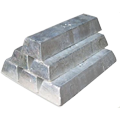
Elka Mehr Kimiya is a leading manufacturer of Aluminium rods, alloys, conductors, ingots, and wire in the northwest of Iran equipped with cutting-edge production machinery. Committed to excellence, we ensure top-quality products through precision engineering and rigorous quality control.
What Are Disposable Aluminum Food Containers?
Background & Definition
Disposable aluminum food containers are single-use trays, pans, or boxes made from thin-gauge aluminum foil. Their main purpose is to store, cook, heat, and transport food safely and efficiently.
Core Properties
- Lightweight yet strong
- Heat-resistant (oven-safe)
- Non-toxic and food-grade
- Recyclable and corrosion-resistant
These containers are typically manufactured in roll-fed presses and formed into molds. Their common applications include takeaway meals, frozen food storage, baking, airline meals, and institutional catering.
Advantages of Disposable Aluminum Containers
1. Versatility in Use
From high-end catering events to simple takeout, aluminum containers perform in varied conditions—from -40°C freezing to 250°C baking.
2. Hygienic and Non-Reactive
Aluminum is naturally resistant to bacteria and chemical interaction. When coated or anodized, it resists leaching, even in acidic foods like tomato sauce.
3. Energy-Efficient Manufacturing
Aluminum requires high energy during smelting but recycles with only 5% of the original energy.
4. Fully Recyclable
Table 1: Comparison of Common Disposable Materials
| Material | Biodegradable | Recyclable | Heat Resistant | Common Use |
|---|---|---|---|---|
| Plastic (PET) | No | Limited | ≤ 100°C | Cold storage |
| Paperboard | Partially | Limited | ≤ 150°C | Bakery packaging |
| Aluminum Foil | No | Yes | ≥ 250°C | Hot/cold food |
Common Types and Sizes
Shapes and Applications
- Round trays: Pies, pizzas
- Rectangular pans: Lasagna, casseroles
- Lidded containers: Takeout and delivery
Size Guide
Table 2: Popular Aluminum Container Sizes
| Size Name | Dimensions (cm) | Capacity (ml) | Common Use |
| Small Tray | 15 x 10 x 4 | 450 | Individual portions |
| Medium Pan | 23 x 15 x 5 | 1200 | Meal delivery |
| Full Sheet | 52 x 32 x 7 | 6000 | Catering/buffets |
Manufacturing Process Overview
Stages of Production
- Raw Material Preparation: Aluminum ingots are rolled into thin foil.
- Lubrication: A food-grade lubricant is applied.
- Blanking & Forming: Foil is cut and pressed into container shapes.
- Edge Curling and Lid Fitting: Rim is shaped to enhance strength and fit lids.
Quality Assurance
Every batch is tested for:
- Thickness tolerance
- Curling accuracy
- Food contact safety (e.g., migration limits under EU 10/2011)
Safety and Food Contact Standards
Global Regulations
- EU: Regulation (EC) No. 1935/2004 for food contact materials
- US FDA: 21 CFR 175.300 for resin coatings
- ISO 22000: Certification for food safety management systems
Figure 1: Layers of a Coated Aluminum Tray (Alt text: Cross-sectional view showing aluminum base and food-safe coating)
Key Considerations
- Acidic foods may require coated containers.
- Avoid using in microwave unless labeled safe.
- Proper labeling includes recycling codes and batch numbers.
Environmental Impact and Recycling
Lifecycle Analysis
- Energy input: ~14 MJ/kg for virgin aluminum
- Recycled aluminum: ~0.7 MJ/kg
- Global recycling rate: 75% (Data as of March 2025)
Table 3: Environmental Impact Comparison
| Factor | Virgin Aluminum | Recycled Aluminum |
| CO2 Emissions (kg/kg) | 10.2 | 0.6 |
| Energy Consumption (MJ/kg) | 14 | 0.7 |
| Water Usage (L/kg) | 100 | 12 |
Recycling Programs
- Deposit-return schemes
- Municipal collection bins
- Partnerships with food businesses
Global Market and Trends
Key Markets
- North America: High adoption in fast food
- EU: Strong regulations and recycling
- Asia-Pacific: Growth in export-ready meals
Emerging Trends
- Biodegradable film coatings
- Dual-use containers (oven-to-table)
- Smart packaging with QR traceability
Practical Tips for Use and Reuse
Safe Practices
- Never microwave unless explicitly stated.
- Avoid storing highly salty or acidic foods long-term.
Reuse Ideas
- DIY seedling trays
- Mini loaf molds
- Home organization bins
Conclusion and Next Steps
Disposable aluminum food containers offer an optimal blend of functionality, safety, and environmental responsibility. Their high recyclability and thermal properties make them an indispensable solution across the food service sector. For beginners and businesses alike, understanding their types, regulations, and lifecycle is key to smart usage.
References
- European Commission. (2020). Food Contact Materials. https://ec.europa.eu/food/safety/chemical_safety/food_contact_materials_en
- U.S. Food & Drug Administration. (2021). CFR – Code of Federal Regulations Title 21. https://www.ecfr.gov/current/title-21
- Aluminum Association. (2024). Aluminum Recycling Facts. https://www.aluminum.org
- ISO.org. (2023). ISO 22000: Food Safety Management. https://www.iso.org/iso-22000-food-safety-management.html

No comment