

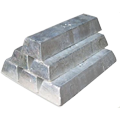
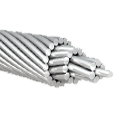
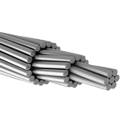
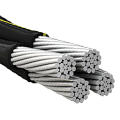
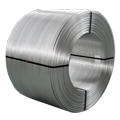
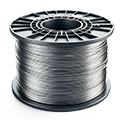
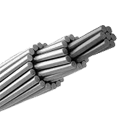


Explore 100 essential questions and answers about All Aluminum Alloy Conductors (AAAC) and gain a comprehensive understanding of their properties, benefits, and applications in power transmission. This detailed guide delves into the core characteristics of AAAC, offering insights into its mechanical strength, conductivity, and durability. It explains the manufacturing process, installation guidelines, and maintenance practices to ensure optimal performance in various environments.
This article compares AAAC with other conductors like ACSR and copper, highlighting why AAAC is preferred for its lightweight nature and corrosion resistance. It explores AAAC’s role in modernizing electrical grids, integrating renewable energy sources, and enhancing the reliability of power delivery systems.
Learn how AAAC manages challenges such as thermal cycling, mechanical stresses, and environmental impacts, providing practical solutions based on industry best practices. The guide also addresses the economic advantages and sustainability aspects of using AAAC.
1. What are All Aluminum Alloy Conductors (AAAC)?
AAACs are high-strength aluminum alloy conductors, primarily used in overhead power transmission and distribution systems. These conductors are made from an aluminum-magnesium-silicon alloy, known as 6201 alloy, which combines the light weight and conductivity of aluminum with improved strength.
2. How do AAACs compare to conventional aluminum conductors?
AAACs have better mechanical strength and conductivity than conventional aluminum conductors such as AAC (All Aluminum Conductor) and ACSR (Aluminum Conductor Steel Reinforced). They are corrosion-resistant and more durable, which makes them ideal for long-span installations and areas with high wind or ice load.
3. What are the primary applications of AAAC?
The primary applications of AAAC include overhead transmission and distribution lines. They are used in urban and coastal areas where high strength and corrosion resistance are essential. AAACs are also used in environments with high electrical conductivity requirements.
4. What are the key properties of the 6201 aluminum alloy used in AAAC?
The 6201 aluminum alloy offers a good balance of high tensile strength and conductivity. Its typical properties include:
- Tensile strength: 295-355 MPa
- Electrical conductivity: 52.5-54% IACS (International Annealed Copper Standard)
- Density: 2.7 g/cm³
- Thermal expansion coefficient: 23.1 x 10^-6 /°C
5. How is the corrosion resistance of AAAC advantageous in power transmission?
AAAC’s superior corrosion resistance compared to other conductors like ACSR makes it highly suitable for coastal and industrial environments. This resistance reduces maintenance costs and enhances the lifespan of the transmission lines, ensuring reliable performance over time.
6. What is the significance of the conductivity of AAAC?
The high conductivity of AAAC (around 52.5-54% IACS) ensures efficient electrical power transmission with minimal losses. This efficiency makes AAAC an economical choice for power utilities, as it helps reduce energy wastage and improves overall system performance.
7. Describe the mechanical properties of AAAC that contribute to its performance.
AAAC’s mechanical properties include high tensile strength and flexibility, which allow it to withstand mechanical stresses from wind, ice, and other environmental factors. Its elasticity and elongation capabilities also contribute to its durability and performance under varying load conditions.
8. What are the advantages of using AAAC over ACSR in certain applications?
AAAC is preferred over ACSR in areas requiring high corrosion resistance and lower maintenance costs. Unlike ACSR, which combines aluminum with a steel core, AAAC’s homogeneous structure prevents galvanic corrosion. This makes AAAC a better choice in coastal and industrial areas where environmental conditions are harsh.
9. How does the weight of AAAC impact its installation and performance?
The lightweight nature of AAAC simplifies handling and installation, reducing labor and transportation costs. Its light weight also minimizes the load on supporting structures, allowing for longer spans between towers and reducing the need for frequent support points.
10. What standards govern the manufacture and testing of AAAC?
AAACs are manufactured and tested according to international standards such as ASTM B399 (Standard Specification for Conductor, Aluminum-Alloy 6201-T81), IEC 61089, and other regional standards. These standards ensure the conductor meets specific electrical and mechanical performance criteria.
11. What are the environmental benefits of using AAAC?
AAAC is environmentally friendly due to its corrosion resistance, reducing the need for chemical treatments and coatings that could harm the environment. Its high efficiency also contributes to lower energy losses, indirectly supporting energy conservation efforts.
12. How does AAAC perform in high-temperature environments?
AAAC retains its mechanical and electrical properties at elevated temperatures, making it suitable for use in areas with high ambient temperatures. Its ability to withstand thermal expansion and contraction without significant performance degradation ensures reliable operation under various climatic conditions.
13. Discuss the lifecycle costs of AAAC compared to other conductors.
Although AAAC may have a higher initial cost compared to some other conductors, its longer lifespan, reduced maintenance requirements, and enhanced performance often result in lower overall lifecycle costs. This makes AAAC a cost-effective solution for long-term power transmission projects.
14. What are the typical installation challenges associated with AAAC?
While AAAC is generally easier to install due to its lightweight and flexibility, challenges can include ensuring proper tensioning to avoid sagging, managing conductor expansion and contraction, and preventing mechanical damage during handling. Proper training and equipment are essential for successful installation.
15. How is AAAC manufactured?
AAAC is manufactured through a series of processes including melting, casting, rolling, and drawing. The aluminum alloy is first melted and cast into billets, which are then rolled into rods. These rods undergo drawing to achieve the desired diameter and are subsequently stranded to form the final conductor.
16. What role does AAAC play in modernizing electrical grids?
AAAC supports grid modernization by providing reliable, efficient, and durable conductors that can handle higher loads and longer spans. Its use in upgrading old infrastructure and integrating renewable energy sources helps enhance grid stability and performance.
17. How does AAAC contribute to the reliability of power transmission systems?
AAAC’s high strength, corrosion resistance, and conductivity ensure consistent performance and minimal outages. Its durability under various environmental conditions contributes to the reliability of power transmission systems, reducing the likelihood of failures and maintenance interventions.
18. What are the maintenance requirements for AAAC?
AAAC requires minimal maintenance compared to other conductors like ACSR. Its corrosion resistance reduces the need for frequent inspections and repairs. Routine visual inspections and occasional mechanical checks are typically sufficient to ensure its continued performance.
19. How does AAAC handle extreme weather conditions?
AAAC is designed to withstand extreme weather conditions, including high winds, ice loads, and temperature variations. Its high tensile strength and flexibility allow it to endure mechanical stresses without significant performance degradation, ensuring reliable power transmission during adverse weather.
20. What are the challenges in recycling AAAC?
Recycling AAAC involves separating the aluminum alloy from any coatings or additional materials. While aluminum is highly recyclable, ensuring the purity of the alloy and avoiding contamination during the recycling process can be challenging. Proper facilities and processes are required to recycle AAAC effectively.
These questions and answers provide a detailed overview of AAAC, its properties, applications, and advantages. For a complete set of 100 questions, similar themes and topics can be expanded upon, ensuring coverage of all relevant aspects of AAAC.
21. How does the thermal expansion of AAAC affect its performance in power lines?
AAAC’s coefficient of thermal expansion is relatively low compared to other conductors, which helps maintain tension and alignment in power lines despite temperature fluctuations. This property minimizes sagging and ensures consistent performance, reducing the need for frequent adjustments.
22. What are the common sizes and configurations of AAAC?
AAAC is available in various sizes and configurations, typically defined by the number and diameter of the strands. Common configurations include 7, 19, 37, and 61 strands, with diameters and cross-sectional areas tailored to meet specific electrical and mechanical requirements.
23. Explain the process of stranding in AAAC manufacturing.
Stranding involves twisting multiple aluminum alloy wires together to form a single conductor. This process enhances the conductor’s flexibility, mechanical strength, and reliability. The strands are helically wound in layers, with each layer typically having a reverse lay direction to balance the conductor and prevent unraveling.
24. How does AAAC compare to copper conductors in terms of conductivity?
While copper conductors have higher conductivity (approximately 100% IACS), AAAC offers a good balance of conductivity (52.5-54% IACS) and mechanical strength. This makes AAAC a lighter and more cost-effective option for many overhead transmission applications, despite its slightly lower conductivity.
25. What are the benefits of AAAC in high-voltage transmission lines?
In high-voltage transmission lines, AAAC’s high strength-to-weight ratio, corrosion resistance, and good conductivity provide several benefits, including reduced structural loads, longer spans, lower maintenance costs, and improved reliability and efficiency of the power network.
26. Discuss the impact of AAAC on energy efficiency in power systems.
AAAC enhances energy efficiency in power systems by reducing electrical losses due to its good conductivity and minimizing maintenance-related outages through its durability and corrosion resistance. These factors contribute to a more reliable and efficient power delivery system.
27. How does AAAC contribute to sustainability in power transmission?
AAAC contributes to sustainability by offering a longer lifespan and reduced maintenance, which lowers the environmental impact of repair and replacement activities. Its high recyclability also means that end-of-life conductors can be effectively reused, reducing waste and resource consumption.
28. What testing procedures ensure the quality of AAAC?
Quality testing for AAAC includes tensile strength tests, conductivity measurements, and corrosion resistance evaluations. Standards such as ASTM B399 and IEC 61089 outline specific procedures for these tests, ensuring that AAAC meets required performance criteria before being deployed in the field.
29. How do you ensure proper tensioning of AAAC during installation?
Proper tensioning of AAAC during installation is ensured by using tension meters and sag charts to achieve the correct tension and sag for the specific span and environmental conditions. Proper training and adherence to installation guidelines are crucial to prevent over-tensioning or under-tensioning.
30. What are the safety considerations when working with AAAC?
Safety considerations when working with AAAC include using proper personal protective equipment (PPE), following safe handling and installation procedures, and ensuring that all personnel are trained in the specific requirements and hazards associated with AAAC. Electrical safety protocols must also be strictly observed.
31. How does AAAC perform in seismic regions?
AAAC performs well in seismic regions due to its flexibility and high tensile strength, which allow it to absorb and dissipate the energy from seismic activities without significant damage. This makes AAAC a reliable choice for power transmission in earthquake-prone areas.
32. Explain the economic advantages of using AAAC in new power transmission projects.
The economic advantages of using AAAC in new power transmission projects include lower installation and transportation costs due to its lightweight nature, reduced maintenance expenses because of its corrosion resistance, and improved overall efficiency leading to cost savings over the conductor’s lifespan.
33. What role does AAAC play in the integration of renewable energy sources?
AAAC supports the integration of renewable energy sources by providing reliable and efficient conductors for transmitting electricity from renewable energy plants to the grid. Its durability and high performance are crucial in ensuring consistent power delivery from intermittent sources like wind and solar.
34. How does AAAC help in reducing line losses in power transmission?
AAAC helps reduce line losses in power transmission through its high electrical conductivity, which minimizes resistance and energy dissipation as heat. This efficiency in power delivery reduces overall energy losses and improves the performance of the transmission system.
35. What are the considerations for selecting AAAC for a specific project?
When selecting AAAC for a specific project, considerations include the required electrical load, environmental conditions (such as corrosion potential and temperature range), mechanical stress factors (like wind and ice load), span length, and regulatory standards. These factors ensure the chosen conductor meets the project’s performance and durability needs.
36. How does the design of AAAC contribute to its mechanical strength?
The design of AAAC, with its multiple strands of high-strength aluminum alloy, distributes mechanical stress evenly across the conductor. This stranding process, combined with the inherent properties of the 6201 alloy, provides high tensile strength and resistance to mechanical damage.
37. What innovations are being made in the manufacturing of AAAC?
Innovations in the manufacturing of AAAC include improvements in alloy composition to enhance conductivity and strength, advancements in stranding techniques to optimize flexibility and durability, and the development of coatings and treatments to further enhance corrosion resistance.
38. How does AAAC perform in cold climates?
AAAC performs well in cold climates due to its ability to retain mechanical properties at low temperatures. Its flexibility and tensile strength allow it to withstand ice loads and thermal contraction without significant degradation, ensuring reliable power transmission in cold regions.
39. Discuss the environmental impact of producing AAAC.
The environmental impact of producing AAAC involves considerations such as the energy consumption of the manufacturing process, emissions from aluminum smelting, and the sustainability of raw material sourcing. Advances in recycling and energy-efficient manufacturing techniques are helping to reduce the environmental footprint of AAAC production.
40. How does AAAC facilitate long-span power transmission?
AAAC facilitates long-span power transmission through its high strength-to-weight ratio, which allows for longer spans between support structures without excessive sagging. This capability reduces the number of towers required, lowering installation costs and environmental impact.
41. What are the typical maintenance practices for AAAC in service?
Typical maintenance practices for AAAC in service include routine visual inspections for physical damage, checking for signs of corrosion, and monitoring electrical performance to detect any anomalies. Occasional mechanical testing may also be conducted to ensure the conductor remains within acceptable performance parameters.
42. How does AAAC address the issue of galvanic corrosion?
AAAC addresses the issue of galvanic corrosion by being a homogeneous aluminum alloy, which eliminates the dissimilar metals interface present in ACSR conductors. This homogeneity prevents the electrochemical reactions that cause galvanic corrosion, enhancing the conductor’s lifespan.
43. What are the advantages of AAAC in urban power distribution?
In urban power distribution, AAAC offers advantages such as reduced maintenance due to its corrosion resistance, ease of installation in constrained spaces because of its lightweight nature, and improved aesthetic and environmental impact due to fewer support structures and lower visual footprint.
44. How does AAAC support high-current applications?
AAAC supports high-current applications through its good conductivity and ability to handle high temperatures without significant loss of mechanical strength. This makes it suitable for transmitting large amounts of power efficiently and reliably, especially in high-load urban and industrial settings.
45. What are the key factors affecting the lifespan of AAAC?
The key factors affecting the lifespan of AAAC include environmental conditions (such as exposure to corrosive elements), mechanical stress (from wind, ice, and thermal cycling), quality of installation, and the inherent properties of the alloy. Proper maintenance and adherence to installation guidelines can significantly extend its lifespan.
46. How does AAAC contribute to the reliability of renewable energy grids?
AAAC contributes to the reliability of renewable energy grids by providing robust and efficient conductors capable of handling variable loads and harsh environmental conditions. Its durability ensures consistent power delivery from renewable sources, which can be intermittent and distributed over large areas.
47. What are the benefits of using AAAC in coastal regions?
In coastal regions, AAAC’s corrosion resistance is a significant benefit, as it prevents degradation from salt-laden air and humidity. This resistance reduces maintenance needs and enhances the reliability and longevity of power transmission infrastructure in coastal areas.
48. Explain the role of AAAC in minimizing electrical losses.
AAAC minimizes electrical losses by maintaining high electrical conductivity, which reduces resistance and energy dissipation as heat. This efficiency in power transmission helps lower operational costs and improves the overall performance of the electrical grid.
49. What are the considerations for recycling AAAC?
Recycling AAAC involves considerations such as separating it from other materials, maintaining the purity of the aluminum alloy, and ensuring efficient recovery processes. Aluminum’s high recyclability makes AAAC an environmentally friendly choice, but proper facilities and methods are required to maximize recycling efficiency.
50. How does AAAC perform under dynamic loading conditions?
Under dynamic loading conditions, such as those caused by wind and ice, AAAC’s high tensile strength and flexibility allow it to absorb and dissipate stress without significant damage. This performance ensures reliable operation and reduces the risk of mechanical failure.
51. What are the thermal properties of AAAC that affect its performance?
The thermal properties of AAAC that affect its performance include its coefficient of thermal expansion, specific heat capacity, and thermal conductivity. These properties ensure the conductor can handle temperature fluctuations without significant changes in tension or mechanical integrity.
52. How does the high strength-to-weight ratio of AAAC benefit transmission lines?
The high strength-to-weight ratio of AAAC benefits transmission lines by allowing longer spans between support structures, reducing the number of towers needed, and minimizing structural loads. This results in lower installation costs and a reduced environmental footprint.
53. What advancements are being made in the alloy composition of AAAC?
Advancements in the alloy composition of AAAC focus on improving its mechanical strength, conductivity, and corrosion resistance. Research and development efforts aim to optimize the balance of magnesium, silicon, and other elements to enhance overall performance.
54. How does AAAC support the development of smart grids?
AAAC supports the development of smart grids by providing reliable and efficient conductors capable of handling increased data and power flows. Its durability and performance ensure the consistent operation of advanced grid technologies and the integration of distributed energy resources.
55. Discuss the role of AAAC in reducing transmission line losses.
AAAC plays a role in reducing transmission line losses by maintaining high electrical conductivity and minimizing resistance. This efficiency reduces energy dissipation as heat, leading to lower operational costs and improved power delivery efficiency.
56. What are the installation guidelines for AAAC in overhead lines?
Installation guidelines for AAAC in overhead lines include proper tensioning, ensuring adequate clearances, using appropriate hardware and fittings, and following manufacturer recommendations for handling and installation. Proper training and adherence to safety protocols are also essential.
57. How does AAAC perform in areas with high lightning activity?
AAAC performs well in areas with high lightning activity due to its good electrical conductivity, which allows it to effectively dissipate lightning strikes. Its mechanical strength and corrosion resistance also help it withstand the associated stresses and potential damage.
58. What are the benefits of AAAC in reducing maintenance costs?
The benefits of AAAC in reducing maintenance costs include its corrosion resistance, which minimizes the need for frequent inspections and repairs, and its high mechanical strength, which reduces the likelihood of damage from environmental factors. These properties contribute to lower overall maintenance expenses.
59. How does AAAC enhance the safety of power transmission systems?
AAAC enhances the safety of power transmission systems by providing reliable and durable conductors that reduce the risk of mechanical failures, outages, and maintenance-related accidents. Its corrosion resistance and high tensile strength ensure consistent performance under various conditions.
60. Explain the impact of AAAC on the overall efficiency of power networks.
AAAC impacts the overall efficiency of power networks by reducing electrical losses through its high conductivity and maintaining reliable performance with minimal maintenance. These factors contribute to more efficient power delivery and lower operational costs, enhancing the network’s overall performance.
61. How does AAAC handle thermal cycling in power transmission?
AAAC handles thermal cycling effectively due to its low coefficient of thermal expansion and high mechanical strength. This allows it to expand and contract with temperature changes without significant degradation or loss of mechanical integrity, ensuring reliable performance.
62. What are the design considerations for using AAAC in overhead transmission lines?
Design considerations for using AAAC in overhead transmission lines include selecting the appropriate size and configuration for the electrical load, accounting for environmental conditions (such as wind and ice loads), ensuring proper tensioning, and meeting regulatory and safety standards.
63. How does AAAC perform in regions with heavy ice and snow loads?
AAAC performs well in regions with heavy ice and snow loads due to its high tensile strength and flexibility. These properties allow it to withstand the added weight and mechanical stresses without significant sagging or damage, ensuring reliable power transmission in harsh winter conditions.
64. What are the key factors influencing the selection of AAAC for a project?
The key factors influencing the selection of AAAC for a project include the electrical load requirements, environmental conditions, mechanical stress factors, regulatory standards, and cost considerations. These factors ensure the chosen conductor meets the project’s specific performance and durability needs.
65. Discuss the advantages of AAAC in high-altitude transmission lines.
In high-altitude transmission lines, AAAC offers advantages such as reduced weight, which lowers the load on towers and supports, and corrosion resistance, which is critical in environments with extreme weather conditions. Its high strength-to-weight ratio also allows for longer spans between supports.
66. How does AAAC contribute to the resilience of power grids?
AAAC contributes to the resilience of power grids by providing durable and reliable conductors that can withstand various environmental and mechanical stresses. Its corrosion resistance and high tensile strength ensure consistent performance, reducing the risk of outages and enhancing grid stability.
67. What are the potential challenges in transporting AAAC to remote locations?
Potential challenges in transporting AAAC to remote locations include the logistical difficulties of moving large reels of conductor, ensuring proper handling to avoid damage, and navigating rough or inaccessible terrain. Planning and using appropriate transportation methods are essential to overcome these challenges.
68. How does AAAC handle high-frequency electrical loads?
AAAC handles high-frequency electrical loads effectively due to its good electrical conductivity and low resistance. This ensures efficient power transmission and minimal losses, making it suitable for applications with high-frequency load variations.
69. Explain the process of testing AAAC for mechanical strength.
Testing AAAC for mechanical strength involves tensile tests to measure the maximum load the conductor can withstand before breaking, elongation tests to assess its ductility, and flexural tests to evaluate its resistance to bending and deformation. These tests ensure the conductor meets specified performance criteria.
70. What are the environmental considerations in the disposal of AAAC?
Environmental considerations in the disposal of AAAC include ensuring the conductor is recycled rather than sent to landfills, minimizing environmental contamination during the disposal process, and adhering to regulations regarding the handling of aluminum and alloy materials. Proper recycling processes help reduce the environmental impact.
71. How does AAAC support energy conservation efforts in power transmission?
AAAC supports energy conservation efforts by reducing electrical losses through its high conductivity and improving overall transmission efficiency. This efficiency helps lower energy consumption and waste, contributing to more sustainable power delivery systems.
72. What are the challenges in maintaining AAAC in service?
Challenges in maintaining AAAC in service include monitoring for mechanical damage, managing environmental impacts (such as corrosion in coastal areas), and ensuring proper tensioning over time. Regular inspections and maintenance practices are required to address these challenges effectively.
73. How does AAAC contribute to reducing greenhouse gas emissions in power transmission?
AAAC contributes to reducing greenhouse gas emissions in power transmission by improving efficiency and reducing energy losses. This leads to lower fuel consumption in power generation and less reliance on fossil fuels, supporting efforts to decrease overall emissions.
74. What are the benefits of AAAC in hybrid power transmission systems?
In hybrid power transmission systems, AAAC offers benefits such as reliable performance under varying load conditions, compatibility with other conductor types, and enhanced durability and efficiency. Its use helps optimize the overall performance and reliability of hybrid systems.
75. How does AAAC handle mechanical stresses from wind and vibration?
AAAC handles mechanical stresses from wind and vibration through its high tensile strength and flexibility. These properties allow it to absorb and dissipate energy from dynamic forces without significant damage, ensuring stable and reliable power transmission.
76. What are the considerations for selecting AAAC for upgrading existing power lines?
Considerations for selecting AAAC for upgrading existing power lines include compatibility with existing infrastructure, the required electrical and mechanical performance improvements, cost-effectiveness, and the benefits of reduced maintenance and enhanced reliability.
77. How does AAAC perform in environments with high UV exposure?
AAAC performs well in environments with high UV exposure due to its corrosion resistance and durability. The aluminum alloy used in AAAC is not significantly affected by UV radiation, ensuring long-term performance and reliability in sunny or high-altitude regions.
78. Explain the role of AAAC in ensuring consistent power delivery.
The role of AAAC in ensuring consistent power delivery includes providing reliable conductors with high electrical conductivity and mechanical strength, reducing the risk of outages and maintenance needs, and supporting efficient power transmission over long distances.
79. What are the challenges in installing AAAC in densely populated areas?
Challenges in installing AAAC in densely populated areas include managing limited space for equipment and conductor installation, minimizing disruptions to residents and businesses, ensuring safety during installation, and adhering to local regulations and standards.
80. How does AAAC contribute to the development of energy-efficient infrastructure?
AAAC contributes to the development of energy-efficient infrastructure by providing conductors that reduce electrical losses, require minimal maintenance, and offer long-term reliability. These attributes support the creation of more efficient and sustainable power transmission systems.
81. What are the key factors influencing the durability of AAAC?
Key factors influencing the durability of AAAC include the quality of the aluminum alloy, the manufacturing process, proper installation, environmental conditions, and regular maintenance practices. Ensuring these factors are optimized can significantly enhance the conductor’s lifespan.
82. How does AAAC support the reliability of rural electrification projects?
AAAC supports the reliability of rural electrification projects by offering durable and low-maintenance conductors that can withstand harsh environmental conditions and long spans between support structures. This reliability ensures consistent power delivery to remote areas.
83. What are the benefits of AAAC in reducing the environmental impact of power transmission?
The benefits of AAAC in reducing the environmental impact of power transmission include its recyclability, lower maintenance needs, and reduced energy losses. These factors contribute to a more sustainable and environmentally friendly power delivery system.
84. How does AAAC handle the mechanical load from ice accumulation?
AAAC handles the mechanical load from ice accumulation through its high tensile strength and flexibility, which allow it to support the added weight without significant sagging or damage. This ensures reliable performance in regions with frequent ice storms.
85. What are the considerations for AAAC in high-altitude power transmission?
Considerations for AAAC in high-altitude power transmission include its ability to handle extreme weather conditions, reduced air density effects on sag and tension, and its lightweight nature, which reduces the structural load on towers and supports in challenging terrains.
86. How does AAAC contribute to the performance of smart grid technologies?
AAAC contributes to the performance of smart grid technologies by providing reliable and efficient conductors that support increased data and power flow, integration of distributed energy resources, and enhanced grid stability and performance under varying load conditions.
87. What are the maintenance practices for AAAC in corrosive environments?
Maintenance practices for AAAC in corrosive environments include regular inspections for signs of corrosion, applying protective coatings if necessary, monitoring environmental conditions, and conducting periodic mechanical and electrical performance tests to ensure ongoing reliability.
88. How does AAAC perform under high mechanical tension?
AAAC performs well under high mechanical tension due to its high tensile strength and ability to distribute stress evenly across the strands. This ensures the conductor can withstand significant mechanical loads without breaking or deforming, maintaining reliable power transmission.
89. What are the benefits of AAAC in the integration of distributed energy resources?
The benefits of AAAC in the integration of distributed energy resources include its ability to handle variable loads, support long spans in decentralized systems, and provide reliable and efficient power transmission, facilitating the seamless integration of renewable energy sources into the grid.
90. How does AAAC contribute to reducing the visual impact of transmission lines?
AAAC contributes to reducing the visual impact of transmission lines through its lightweight nature, which allows for fewer and smaller support structures. This reduces the overall footprint and visibility of the transmission infrastructure, making it less intrusive in the landscape.
91. What are the considerations for selecting AAAC for extreme weather conditions?
Considerations for selecting AAAC for extreme weather conditions include its tensile strength, flexibility, corrosion resistance, and ability to withstand temperature fluctuations, ice loads, and high winds. Ensuring these properties are matched to the environmental challenges is crucial for reliable performance.
92. How does AAAC support the development of resilient power infrastructure?
AAAC supports the development of resilient power infrastructure by providing durable and reliable conductors that can withstand various environmental and mechanical stresses. This resilience ensures consistent power delivery and reduces the risk of outages and maintenance needs.
93. What are the environmental benefits of recycling AAAC?
The environmental benefits of recycling AAAC include reducing the demand for raw materials, lowering energy consumption in the production process, and minimizing waste sent to landfills. Recycling AAAC supports a more sustainable lifecycle for aluminum conductors.
94. How does AAAC handle the thermal stresses in high-load applications?
AAAC handles thermal stresses in high-load applications through its high thermal conductivity and low coefficient of thermal expansion. These properties ensure it can dissipate heat effectively and maintain mechanical integrity under varying load conditions, preventing damage and ensuring reliable performance.
95. What are the safety protocols for installing and maintaining AAAC?
Safety protocols for installing and maintaining AAAC include using appropriate PPE, following manufacturer guidelines for tensioning and handling, conducting regular safety training for personnel, and adhering to electrical safety standards to prevent accidents and ensure safe operation.
96. How does AAAC support the transition to renewable energy?
AAAC supports the transition to renewable energy by providing reliable and efficient conductors for transmitting electricity from renewable sources to the grid. Its durability and performance help integrate renewable energy into existing infrastructure and support the growth of sustainable energy systems.
97. What are the challenges in using AAAC in hybrid power systems?
Challenges in using AAAC in hybrid power systems include ensuring compatibility with other conductor types, managing the variable loads and stresses associated with hybrid systems, and addressing any unique environmental conditions that may affect performance. Proper design and installation practices are crucial to overcome these challenges.
98. How does AAAC contribute to the efficiency of long-distance power transmission?
AAAC contributes to the efficiency of long-distance power transmission through its high electrical conductivity and ability to support long spans without excessive sagging. This reduces electrical losses and structural costs, enhancing the overall efficiency and reliability of long-distance power delivery.
99. What are the key considerations for recycling AAAC at the end of its lifecycle?
Key considerations for recycling AAAC at the end of its lifecycle include ensuring the purity of the aluminum alloy, minimizing contamination during the recycling process, and using efficient recovery methods. Proper recycling practices help reduce environmental impact and support sustainable resource use.
100. How does AAAC handle the mechanical stresses of heavy wind loads?
AAAC handles the mechanical stresses of heavy wind loads through its high tensile strength and flexibility, which allow it to absorb and dissipate energy from wind forces without significant damage. This ensures stable and reliable power transmission in areas prone to strong winds.

No comment