

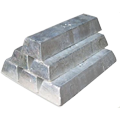
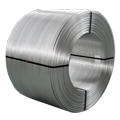
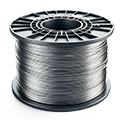
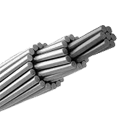


General Properties of 12mm Aluminum Rods
- Chemical Composition:
- Aluminum rods used in steel manufacturing typically consist of 99.0% or higher purity aluminum.
- Trace elements like iron, silicon, and zinc may be present but in very low quantities (less than 1%).
- Physical Properties:
- Density: Aluminum has a density of 2.70 g/cm³, which makes it much lighter than steel (density ~7.85 g/cm³).
- Melting Point: The melting point of aluminum is 660.3°C (1220.5°F).
- Electrical Conductivity:
- Aluminum’s electrical conductivity is approximately 37.7 x 10^6 S/m, which is about 61% of that of copper.
- Thermal Conductivity:
- The thermal conductivity of aluminum is 237 W/m·K, making it an excellent conductor of heat.
- Corrosion Resistance:
- Aluminum naturally forms a thin oxide layer when exposed to air, which protects it from further oxidation and corrosion.
- Mechanical Strength:
- Pure aluminum has a tensile strength of about 90 MPa. When alloyed or treated, this can be increased significantly.
- Malleability and Ductility:
- Aluminum is highly malleable, meaning it can be easily shaped and formed.
- It is also ductile, allowing it to be drawn into thin wires without breaking.
- Recyclability:
- Aluminum is 100% recyclable without loss of its properties. Recycling aluminum saves up to 95% of the energy required to produce new aluminum from ore.
Industrial Applications in Steel Manufacturing
- Deoxidizing Agent:
- Aluminum is used as a deoxidizer in steel manufacturing to remove oxygen from molten steel, which helps prevent the formation of oxides and improves the quality of the steel.
- Oxidation Control:
- The presence of aluminum reduces the oxidation of other important elements in the steel, such as carbon, manganese, and silicon.
- Inclusion Removal:
- By binding with oxygen, aluminum helps in the formation of alumina (Al2O3), which can be removed from the molten steel, thus purifying it.
- Grain Refinement:
- Aluminum acts as a grain refiner, which improves the mechanical properties and surface finish of the steel.
- Control of Nitrogen Content:
- Aluminum can also bind with nitrogen to form aluminum nitride (AlN), which helps in controlling the nitrogen content in the steel.
- Enhancement of Steel Properties:
- The use of aluminum as a deoxidizer leads to improved tensile strength, ductility, and toughness of the steel.
- Reduction of Steel Brittleness:
- By preventing the formation of iron oxides, aluminum helps in reducing the brittleness of steel.
Technical Specifications
- Dimensions and Tolerances:
- 12mm aluminum rods are typically produced with precise diameter tolerances to ensure consistent performance in steelmaking.
- Surface Finish:
- These rods usually have a smooth surface finish to facilitate easy handling and efficient melting in steel furnaces.
- Packaging:
- Aluminum rods are often packaged in bundles and protected with materials that prevent contamination and oxidation during transportation and storage.
Manufacturing and Quality Control
- Production Process:
- Aluminum rods are produced using extrusion processes where aluminum billets are heated and forced through a die to achieve the desired shape and size.
- Heat Treatment:
- Some aluminum rods undergo heat treatment processes to enhance their mechanical properties, such as hardness and strength.
- Quality Assurance:
- Quality control measures, including chemical analysis and mechanical testing, are implemented to ensure the purity and performance of the aluminum rods.
- Certification:
- Aluminum rods used in steelmaking often come with certification indicating compliance with industry standards and specifications, such as ASTM or ISO.
Benefits in Steel Manufacturing
- Cost-Effective:
- Aluminum is a cost-effective deoxidizer compared to other elements like silicon or manganese.
- Efficient Deoxidation:
- Aluminum is highly effective in deoxidizing steel, which reduces the overall amount of deoxidizers required.
- Compatibility:
- Aluminum is compatible with various types of steel, including carbon steel, stainless steel, and alloy steel.
- Reduced Slag Formation:
- Using aluminum helps in reducing the formation of slag, which can be a byproduct of deoxidation processes involving other elements.
- Improved Steel Quality:
- The use of aluminum results in higher quality steel with fewer impurities and inclusions.
Environmental and Safety Considerations
- Energy Efficiency:
- Aluminum deoxidizers contribute to energy efficiency in steelmaking by reducing the need for prolonged heating and refining processes.
- Environmental Impact:
- Aluminum’s recyclability and the reduction in energy consumption make it an environmentally friendly choice for steel manufacturers.
- Safety:
- Handling aluminum rods is relatively safe, though standard safety protocols should be followed to prevent injuries during transport and usage.
Market and Supply Chain
- Global Availability:
- Aluminum is widely available globally, with major producers located in countries like China, Russia, Canada, and the USA.
- Market Demand:
- The demand for aluminum in the steel industry is driven by the continuous growth and modernization of the steel manufacturing sector.
- Supply Chain Stability:
- The supply chain for aluminum is robust, ensuring consistent availability for steel manufacturers.
Innovations and Research
- Advanced Alloys:
- Research is ongoing to develop advanced aluminum alloys that offer even better performance as deoxidizers.
- Nanotechnology:
- Innovations in nanotechnology are exploring the use of nano-aluminum particles to enhance deoxidation efficiency.
- Sustainability Initiatives:
- The aluminum industry is investing in sustainable practices to reduce the environmental impact of aluminum production and usage.
Practical Considerations
- Storage Conditions:
- Aluminum rods should be stored in dry conditions to prevent any form of oxidation or contamination.
- Handling Procedures:
- Proper handling procedures should be in place to avoid any physical damage to the rods, which could affect their performance in steelmaking.
- Usage Guidelines:
- Manufacturers provide specific guidelines on the optimal usage of aluminum rods in steel deoxidation processes.
Economic Impact
- Cost Savings:
- The use of aluminum as a deoxidizer can result in significant cost savings for steel manufacturers due to its efficiency and lower material requirements.
- Value Addition:
- High-quality steel produced with aluminum deoxidizers commands a higher market price, adding value to the final product.
Challenges and Solutions
- Oxide Formation:
- Managing the formation of aluminum oxides during the deoxidation process is crucial to maintain steel quality.
- Aluminum Availability:
- Fluctuations in aluminum availability and price can impact the cost-effectiveness of its use as a deoxidizer.
- Quality Control:
- Ensuring the consistent quality of aluminum rods is essential to achieve desired outcomes in steel manufacturing.
No comment