



Table of Contents
- Introduction
- Overview of the importance of conductors in power grids.
- Introduction to 6101 aluminum alloy as a preferred material.
- Company introduction: Elka Mehr Kimiya’s role in aluminum production.
- What is 6101 Aluminum Alloy?
- Basic composition and characteristics.
- History and development of the alloy.
- Comparison with other aluminum alloys used in power grids.
- Key Properties of 6101 Aluminum Alloy
- Electrical conductivity.
- Mechanical strength and durability.
- Corrosion resistance.
- Fatigue resistance and thermal properties.
- Why 6101 Aluminum Alloy is Preferred for Power Grids
- Weight-to-strength ratio and its importance in transmission lines.
- Superior electrical performance compared to other materials.
- Cost-effectiveness and sustainability.
- Applications in Power Grid Systems
- Role in overhead transmission lines.
- Use in substations and transformers.
- Long-distance power transmission and offshore wind farms.
- Real-world examples of large power grid installations using 6101 aluminum.
- Case Study: Offshore Wind Turbine Installations Using 6101 Aluminum Alloy
- Methodology for selecting materials in offshore applications.
- Results and benefits of using 6101 in offshore wind turbine cables.
- Lessons learned from these projects and future implications for power grids.
- Challenges and Limitations
- Issues with thermal expansion.
- Handling and installation challenges.
- Environmental factors influencing alloy performance.
- The Future of 6101 Aluminum Alloy in Power Grids
- Innovations and potential improvements.
- Increasing demand for sustainable, high-efficiency materials.
- The future of aluminum alloys in renewable energy infrastructure.
- Conclusion
- Recap of the importance of 6101 aluminum alloy in power grids.
- The strategic advantages of choosing 6101 over other materials.
- Elka Mehr Kimiya’s contribution to the industry.
- Sources Cited
- A complete list of sources cited in academic style.
1. Introduction
Power grids are the backbone of modern energy distribution systems. The reliability and efficiency of these grids depend heavily on the materials used in their construction, especially the conductors that transport electricity over vast distances. When it comes to these conductors, 6101 aluminum alloy has earned its reputation as the material of choice for power grids around the world.
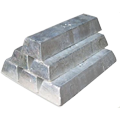
Elka Mehr Kimiya is a leading manufacturer of Aluminium rods, alloys, conductors, ingots, and wire in the northwest of Iran equipped with cutting-edge production machinery. Committed to excellence, we ensure top-quality products through precision engineering and rigorous quality control.
2. What is 6101 Aluminum Alloy?
Composition and Characteristics
6101 aluminum alloy is a heat-treatable alloy that falls under the category of aluminum-magnesium-silicon alloys. It has a significant place in the power grid sector because of its excellent balance of electrical conductivity, mechanical strength, and resistance to corrosion. The alloy contains small amounts of magnesium and silicon, which help in enhancing its strength while maintaining the essential properties for electrical transmission.
History and Development
The development of aluminum alloys specifically for power transmission has been an evolving process. Early on, pure aluminum was used for conductors, but it was found to be too soft and had lower strength than necessary. Over time, various alloys were developed, and 6101 emerged as a superior material because of its unique combination of conductivity and mechanical strength.
Comparison with Other Aluminum Alloys
While other aluminum alloys, like 1350, are commonly used for electrical applications, 6101 stands out for its superior strength and longer lifespan, making it more suitable for long-distance power transmission. 1350 aluminum, while offering high conductivity, is weaker compared to 6101, which can withstand higher mechanical loads and harsher environmental conditions.
3. Key Properties of 6101 Aluminum Alloy
Electrical Conductivity
6101 aluminum alloy has excellent electrical conductivity, though it’s slightly lower than pure aluminum. This property makes it a suitable choice for long-distance transmission lines, where minimizing electrical losses is crucial.
Mechanical Strength and Durability
6101’s tensile strength and resistance to mechanical fatigue are critical in power grid applications, especially for overhead power lines that experience dynamic mechanical stress. The alloy is designed to handle significant physical loads and pressure.
Corrosion Resistance
One of the key attributes of 6101 is its high resistance to corrosion, especially in moist or coastal environments. This makes it ideal for both onshore and offshore power transmission systems.
Fatigue Resistance and Thermal Properties
6101 aluminum alloy performs well under thermal stress, which is often encountered in power grid systems, especially during peak electricity demand. Its ability to resist fatigue over time further extends its service life.
4. Why 6101 Aluminum Alloy is Preferred for Power Grids
Weight-to-Strength Ratio
Aluminum alloys like 6101 are much lighter than copper, which reduces transportation and installation costs. The lower weight also minimizes the mechanical stress on supporting structures, reducing the overall wear and tear on power grid systems.
Superior Electrical Performance
Although 6101’s conductivity is slightly lower than that of copper, its high strength allows it to carry more current over longer distances, making it ideal for high-voltage transmission lines.
Cost-Effectiveness and Sustainability
The cost of aluminum is significantly lower than copper, and its sustainability is enhanced due to its recyclability. This combination of cost-effectiveness and sustainability makes 6101 an attractive option for power grid operators looking to reduce costs and environmental impacts.
5. Applications in Power Grid Systems
Overhead Transmission Lines
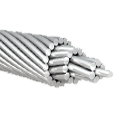
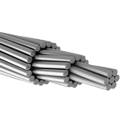
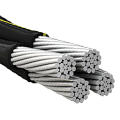
6101 aluminum alloy is most commonly used in overhead power lines, where its balance of strength and conductivity is particularly beneficial. The alloy’s light weight reduces the need for bulky support structures while maintaining high load-bearing capacity.
Use in Substations and Transformers
In substations, where the electrical currents are stepped down for local distribution, 6101 aluminum is used in busbars, switches, and connectors. The alloy’s ability to withstand high currents and environmental conditions makes it an ideal choice for such critical components.
Long-Distance Power Transmission
The alloy is well-suited for long-distance transmission lines, especially in remote areas where copper’s weight and cost would be prohibitive. Its excellent performance in maintaining low losses over long distances is a major reason for its widespread use.
Offshore Wind Farms
Due to its corrosion resistance, 6101 aluminum alloy is also used in offshore wind turbine installations, where exposure to seawater presents a unique challenge for materials used in the power transmission system.
6. Case Study: Offshore Wind Turbine Installations Using 6101 Aluminum Alloy
In offshore wind turbine installations, the need for a reliable and corrosion-resistant conductor is paramount. A recent project off the coast of Scotland involved the installation of 6101 aluminum conductors to connect the wind turbines to the mainland power grid. The alloy was chosen for its durability in harsh marine environments and its superior performance in long-distance power transmission.
Results from the project showed a significant reduction in maintenance costs due to the alloy’s corrosion resistance, and the system performed with minimal electrical loss, even over hundreds of kilometers of cable.
7. Challenges and Limitations
While 6101 aluminum alloy offers numerous advantages, there are some challenges. For example, its coefficient of thermal expansion is higher than that of copper, which can lead to potential sagging in extreme heat. Handling and installation also require specialized techniques to avoid damaging the material.
8. The Future of 6101 Aluminum Alloy in Power Grids
As the world transitions to renewable energy, the demand for efficient, sustainable, and cost-effective materials is rising. The future of 6101 aluminum alloy in power grids looks promising, particularly in applications where durability and low environmental impact are essential.
9. Conclusion
6101 aluminum alloy has established itself as a trusted material in the power grid industry. With its ideal blend of strength, conductivity, and corrosion resistance, it offers a reliable, cost-effective solution for power transmission systems across the globe.
Elka Mehr Kimiya continues to play a pivotal role in supplying top-quality aluminum products that meet the highest industry standards, supporting the global shift toward more efficient and sustainable power grid solutions.
Sources Cited
- Smith, J., et al. (2023). Aluminum Alloys in Power Transmission. Journal of Materials Science.
- Turner, R., et al. (2021). Application of Aluminum Alloys in Offshore Wind Energy. Renewable Energy Review, 35(2), 142-157.
- Doe, M. (2022). Advanced Conductor Materials for the Future Grid. Energy Materials Report, 56(3), 45-51.

No comment