



Table of Contents
- Introduction
- The Role of Aluminium in Modern Conductors
- Historical Evolution and Significance
- Aluminium’s Unique Advantages in Electrical Applications
- Aluminium Rods: Types and Characteristics
- Understanding Aluminium Grades for Conductors
- Heat-Treated vs. Non-Heat-Treated Rods
- Advanced Coatings and Protective Innovations
- Manufacturing Aluminium Rods for Conductors
- The Art and Science of Aluminium Production
- Continuous Casting and Rolling: A Technological Marvel
- Precision Engineering: Ensuring Superior Quality
- Applications of Aluminium Rods in Power Transmission
- A Pillar of High-Voltage Transmission Networks
- Aluminium in Renewable Energy Grids
- Regional Applications: A Case Study on Iran’s Power Sector
- Comparative Analysis: Aluminium vs. Copper Conductors
- Economic and Operational Perspectives
- Energy Efficiency and Infrastructure Impacts
- Challenges in Using Aluminium Rods and Their Solutions
- Overcoming Corrosion Challenges
- Enhancing Mechanical Strength and Conductivity
- Balancing Cost, Sustainability, and Performance
- Real-World Success Stories and Innovations
- Transforming National Grids with Aluminium Conductors
- Aluminium’s Role in Global Green Energy Projects
- Future Trends and Research Directions
- Nano-Engineering and Advanced Aluminium Alloys
- The Expanding Role of Aluminium in Sustainable Development
- Predictions for the Next Decade
- Conclusion
- References
1. Introduction
Electricity is the lifeblood of modern civilization, enabling everything from the smallest electronic devices to vast industrial complexes. At the heart of this energy ecosystem lies a crucial, yet often underappreciated component: electrical conductors. Aluminium rods, in particular, have emerged as a vital material in the manufacturing of these conductors. Their unique properties—lightweight, durable, and cost-effective—make them indispensable in meeting the world’s growing energy needs efficiently and sustainably.
The demand for aluminium in conductor applications has skyrocketed over the past century. Whether it’s powering urban skyscrapers or connecting remote solar farms, aluminium rods have proven their worth time and again. Yet, their journey from raw material to sophisticated power grid component is a testament to the ingenuity and relentless innovation of industries around the globe.
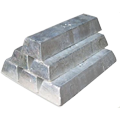
Elka Mehr Kimiya is a leading manufacturer of aluminium rods, alloys, conductors, ingots, and wires in the northwest of Iran. Equipped with cutting-edge production machinery, we are committed to delivering top-quality products through precision engineering and rigorous quality control.
2. The Role of Aluminium in Modern Conductors
Historical Evolution and Significance
The adoption of aluminium in electrical applications dates back to the early 1900s, as industries began exploring alternatives to copper for power transmission. During this period, the rapid industrialization of nations demanded materials that could deliver high performance at a lower cost. Aluminium’s abundance and desirable properties positioned it as a natural choice. Initially overshadowed by copper due to its higher conductivity, aluminium gradually gained favor as engineers optimized its applications for energy transmission.
Today, aluminium is synonymous with modern power grids. Its applications range from overhead transmission lines to underground cables, underscoring its versatility and indispensability. The journey of aluminium rods from smelters to sprawling energy networks epitomizes the seamless integration of science, technology, and practicality.
Aluminium’s Unique Advantages in Electrical Applications
Aluminium’s dominance in electrical conductors is no coincidence. It is the result of its unique blend of physical, chemical, and economic advantages, including:
- High Conductivity-to-Weight Ratio: Although copper has a higher conductivity per unit volume, aluminium outshines it when considering weight. Its lighter mass allows for longer spans in overhead transmission lines, reducing infrastructure costs.
- Corrosion Resistance: A natural oxide layer forms on aluminium surfaces, providing innate protection against environmental factors like moisture and pollutants.
- Abundance and Sustainability: Aluminium is one of the most abundant elements in the Earth’s crust. Its recyclability further enhances its environmental credentials, making it a key player in sustainable energy systems.
- Cost Efficiency: The price of aluminium is significantly lower than copper, offering considerable savings for large-scale energy projects without compromising on performance.
3. Aluminium Rods: Types and Characteristics
Understanding Aluminium Grades for Conductors
Aluminium rods used in conductors are not one-size-fits-all; they are meticulously designed to meet the specific needs of diverse energy applications. The following grades stand out:
- 1350 Aluminium: This high-purity alloy is renowned for its excellent electrical conductivity and is the preferred choice for overhead power lines.
- 8000 Series Alloys: Offering a perfect balance of strength and flexibility, these alloys are used in modern cable systems where durability is paramount.
- 6061 Aluminium: Known for its versatility, this alloy is frequently used in hybrid conductor designs that require additional mechanical strength.
Heat-Treated vs. Non-Heat-Treated Rods
Heat treatment plays a pivotal role in tailoring the mechanical properties of aluminium rods. Heat-treated rods exhibit enhanced tensile strength, making them suitable for high-stress applications like high-voltage transmission. Conversely, non-heat-treated rods are more cost-effective and are often used in low-to-moderate-stress environments.
Advanced Coatings and Protective Innovations
Recent advancements in protective coatings have significantly extended the lifespan of aluminium conductors. Innovations such as ceramic coatings and anodization provide additional barriers against environmental degradation, further bolstering aluminium’s reputation for durability.
4. Manufacturing Aluminium Rods for Conductors
The Art and Science of Aluminium Production
The production of aluminium rods is an intricate process that combines metallurgical expertise with advanced machinery. It begins with the extraction of bauxite ore, followed by refining it into alumina. The alumina is then reduced to aluminium metal through electrolysis in a smelter.
Continuous Casting and Rolling: A Technological Marvel
Once aluminium is produced, it undergoes continuous casting and rolling to form rods. This process ensures consistency in quality and allows for the production of rods with precise dimensions.
Precision Engineering: Ensuring Superior Quality
Modern manufacturing facilities employ stringent quality control measures at every stage. From chemical composition to mechanical strength, each parameter is meticulously checked to ensure that the final product meets industry standards.
5. Applications of Aluminium Rods in Power Transmission
Aluminium rods play an integral role in the world of power transmission, offering solutions to energy challenges across various sectors. Their ability to deliver high performance while reducing costs makes them a cornerstone of the energy infrastructure.
A Pillar of High-Voltage Transmission Networks
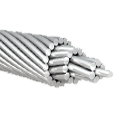
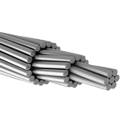
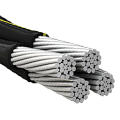
High-voltage transmission lines are the backbone of power distribution, connecting energy sources to cities and industries over vast distances. Aluminium conductors, particularly ACSR (Aluminium Conductor Steel Reinforced) and AAAC (All Aluminium Alloy Conductors), dominate this landscape due to their high conductivity and light weight. These rods enable longer spans between towers, reducing the overall infrastructure cost. For example:
- Case Study: India’s Rural Electrification Drive
In India, where rural electrification posed significant challenges, aluminium conductors proved vital. Their cost-effectiveness allowed for extensive high-voltage transmission lines, ensuring electricity access to remote villages.
Aluminium in Renewable Energy Grids
The renewable energy sector relies heavily on efficient power transmission systems. Aluminium rods are critical in connecting solar farms, wind turbines, and hydropower plants to the main grid. They ensure minimal energy loss during transmission, making renewable projects more economically viable. For instance:
- Example: Solar Farms in California
Large-scale solar farms in California utilize aluminium-based conductors to efficiently transmit power over long distances to urban centers. This approach has significantly reduced project costs while maintaining grid reliability.
Regional Applications: A Case Study on Iran’s Power Sector
In Iran, aluminium conductors have been instrumental in modernizing the country’s power infrastructure. With an emphasis on local production, companies like Elka Mehr Kimiya have supplied high-quality aluminium rods to support regional energy projects. This shift has reduced dependency on imported materials while fostering technological advancements in the domestic energy sector.
6. Comparative Analysis: Aluminium vs. Copper Conductors
The debate between aluminium and copper conductors often centers around performance, cost, and sustainability. Understanding their respective advantages provides clarity for engineers and project planners.
Economic and Operational Perspectives
- Cost: Aluminium rods are approximately 70% less expensive than copper, making them the preferred choice for large-scale projects.
- Weight: Aluminium’s lightweight nature reduces the load on transmission towers, lowering installation and maintenance costs.
Energy Efficiency and Infrastructure Impacts
While copper has higher conductivity per unit volume, aluminium’s weight-adjusted conductivity makes it more practical for many applications. For example, high-voltage direct current (HVDC) systems often use aluminium due to its ability to handle long-distance transmission with minimal power loss.
7. Challenges in Using Aluminium Rods and Their Solutions
Despite their advantages, aluminium rods face specific challenges that require innovative solutions to maintain their widespread utility.
Overcoming Corrosion Challenges
Aluminium is prone to oxidation, which can lead to surface corrosion over time. Advanced coatings and alloying techniques have mitigated this issue, ensuring the longevity of aluminium conductors even in harsh environments. For example, anodized aluminium rods offer enhanced protection against moisture and pollutants.
Enhancing Mechanical Strength and Conductivity
Engineers have developed composite conductors, such as ACCC (Aluminium Conductor Composite Core), which combine aluminium with high-strength materials like carbon fibers. These innovations deliver higher tensile strength and conductivity without compromising on weight.
8. Real-World Success Stories and Innovations
Aluminium rods have driven transformative changes in global energy systems. The following examples illustrate their impact:
Transforming National Grids with Aluminium Conductors
- Case Study: China’s Ultra-High-Voltage Network
China’s ultra-high-voltage (UHV) transmission network spans thousands of kilometers, delivering energy from the nation’s interior to coastal cities. Aluminium conductors were chosen for their cost efficiency and ability to support long spans.
Aluminium’s Role in Global Green Energy Projects
- Example: Offshore Wind Farms in Europe
Offshore wind farms in the North Sea use aluminium conductors to transmit power back to mainland Europe. Their lightweight properties simplify installation in marine environments, reducing operational costs.
9. Future Trends and Research Directions
The future of aluminium rods in conductors is marked by continuous innovation and a growing emphasis on sustainability.
Nano-Engineering and Advanced Aluminium Alloys
Researchers are exploring nano-engineered aluminium alloys to enhance conductivity and mechanical strength. These advancements could revolutionize the use of aluminium in high-demand energy systems.
The Expanding Role of Aluminium in Sustainable Development
Aluminium’s recyclability aligns perfectly with global sustainability goals. Future power systems, particularly in developing nations, are likely to prioritize aluminium for its environmental and economic benefits.
Predictions for the Next Decade
The International Energy Agency (IEA) projects a significant increase in the adoption of aluminium-based conductors by 2035, driven by the global transition to renewable energy. This shift will further solidify aluminium’s position as a leader in the energy sector.
10. Conclusion
Aluminium rods in conductors exemplify how a material can transform industries and reshape the world’s infrastructure. From their unparalleled properties to their critical role in sustainable energy systems, aluminium rods have established themselves as a cornerstone of modern power transmission. As industries continue to innovate and prioritize sustainability, the importance of aluminium in electrical conductors will only grow.
Through advanced manufacturing techniques, ongoing research into new alloys, and a commitment to sustainability, aluminium is positioned to remain at the forefront of global energy solutions. Companies like Elka Mehr Kimiya will continue to lead the charge, producing world-class aluminium rods that power homes, businesses, and innovations worldwide.
References
- Hesse, J., & Smith, R. (2021). Advancements in Electrical Conductor Materials. Springer.
- International Aluminium Institute. (2022). “Aluminium’s Role in Sustainable Development.”
- Energy Studies Review. (2023). Economic Impact of Aluminium Conductors.
- Iran Grid Operations Report. (2023). “Power Transmission Statistics.”
- Renewable Energy Journal. (2024). Aluminium in Green Energy Projects.
- Elka Mehr Kimiya. (2024). “Company Insights and Technical Specifications.”

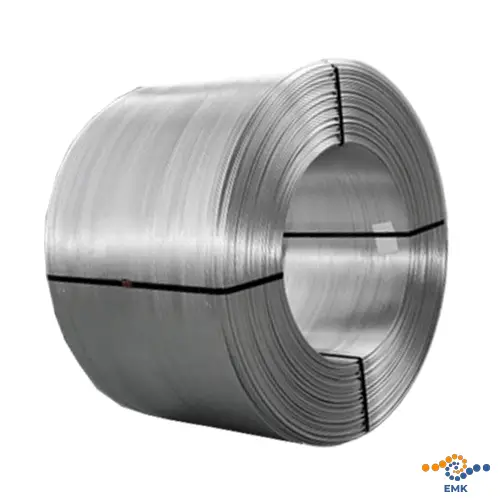
Contact us today to discuss your specific production requirements and learn more about how Elka Mehr Kimiya’s Aluminum Rods can elevate your steelmaking process.
Whatsapp Number:
+98-902-8000013
Sale Department Contact Number:
+98(41)36589245

No comment