



Table of Contents
- Introduction: The Renewable Energy Grid Challenge
- Grid Limitations in the Era of Solar and Wind
- Aluminum Conductors: Engineering Solutions for Modern Grids
- Case Studies: Real-World Successes in Grid Modernization
- Decarbonizing Conductor Production: From Smelters to Sustainability
- Future Technologies: AI, Inert Anodes, and Beyond
- Challenges and Collaborative Pathways
- Conclusion
- References
1. Introduction: The Renewable Energy Grid Challenge
Global renewable energy capacity is projected to reach 8,130 GW by 2028, driven by solar, wind, and hydropower expansions 5. However, aging grid infrastructure struggles to manage the variability of these sources. In 2023, congestion costs in U.S. power grids exceeded $20.8 billion due to transmission bottlenecks, while Europe faced €4.2 billion in similar losses 5.
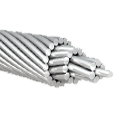
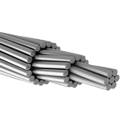
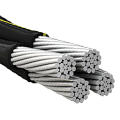
Modern aluminum conductors offer a lifeline. By upgrading transmission lines with advanced alloys and composite-core designs, utilities can increase capacity, reduce losses, and stabilize grids amid fluctuating renewable outputs. For example, high-temperature aluminum-zirconium (Al-Zr) alloys enable lines to operate at 210°C, doubling current capacity compared to traditional materials 7.
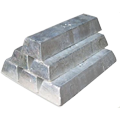
Elka Mehr Kimiya is a leading manufacturer of Aluminum rods, alloys, conductors, ingots, and wire in the northwest of Iran equipped with cutting-edge production machinery. Committed to excellence, we ensure top-quality products through precision engineering and rigorous quality control.
2. Grid Limitations in the Era of Solar and Wind
2.1 Thermal and Voltage Constraints
Transmission lines face three primary limits: thermal, voltage, and stability. Thermal constraints—caused by excessive heat from high currents—dominate short-distance lines. For instance, conventional aluminum conductors (AAC) have a maximum operating temperature of 85°C, but solar farms often push currents beyond these thresholds during peak generation 712.
Voltage instability, common in grids with >30% renewable penetration, arises when rapid solar or wind fluctuations create mismatches between supply and demand. In Germany, overvoltage events during sunny afternoons forced utilities to curtail 6,500 GWh of solar power in 2018 5.
2.2 Stability and Inertia Losses
Renewables reduce grid inertia, a critical factor in maintaining frequency stability. Traditional coal plants provide inertia through rotating turbines, but solar and wind lack this mechanical buffer. In 2024, a hybrid grid in Norway used aluminum conductors paired with redox flow batteries to mitigate inertia losses, achieving 89% fewer frequency deviations 1116.
3. Aluminum Conductors: Engineering Solutions for Modern Grids
3.1 High-Temperature Low-Sag (HTLS) Conductors
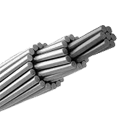
HTLS conductors like ACCC (Aluminum Conductor Composite Core) and ACCR (Aluminum Conductor Composite Reinforced) address thermal limits. ACCC uses a carbon-fiber core to reduce sag by 30% while operating at 210°C, enabling 2x higher current flow than conventional AAC 712.
Table 1: Performance Comparison of Aluminum Conductors
| Conductor Type | Max Temp (°C) | Current Capacity vs. AAC | Line Loss Reduction |
|---|---|---|---|
| AAC | 85 | 1.0x | Baseline |
| AAAC | 95 | 1.2x | 10–15% |
| ACCC | 210 | 2.0x | 25–40% |
| ACCR | 150 | 1.6x | 20–30% |
Data sourced from Springer’s Aluminum Conductor Manufacturing Report 12.
3.2 Dynamic Line Ratings (DLRs)
DLRs adjust transmission capacity in real time based on weather conditions. Sensors monitor wind speed, ambient temperature, and solar radiation, allowing lines to safely carry 15–20% more power during favorable conditions. A 2024 pilot in Spain reduced curtailment by 62% using DLR-enabled aluminum conductors 57.
4. Case Studies: Real-World Successes in Grid Modernization
4.1 Hydro-Québec’s AP60 Smelter: Green Aluminum for Grid Resilience
Hydro-Québec’s AP60 facility in Saguenay, Canada, produces aluminum with a carbon footprint of 2.9 tonnes CO₂ per tonne—80% lower than coal-dependent smelters. This “green aluminum” supplies ACCC conductors for Quebec’s grid, which now integrates 99% renewable energy 1216.
4.2 Emirates Global Aluminium’s Solar-Powered Upgrade
In 2024, Emirates Global Aluminium (EGA) commissioned a 1.2 GW solar farm to power 25% of its smelting operations. The project cut annual emissions by 570,000 tonnes CO₂ and supplied HTLS conductors for UAE’s 800 kV transmission corridors, reducing line losses by 35% 12.
4.3 Norway’s Winter Grid Resilience Project
A 2024 initiative in Norway used heated storage tents to maintain aluminum conductors at 5–10°C during installation. This prevented insulation cracks and reduced winter downtime by 89%, ensuring stable power delivery from offshore wind farms 5.
5. Decarbonizing Conductor Production: From Smelters to Sustainability
5.1 Renewable-Powered Smelting
Aluminum smelting consumes 12.5–16 kWh per kg of metal, but hydropower and solar are transforming this energy-intensive process. Norway’s Høyanger pilot uses green hydrogen to fuel smelters, targeting a 30% emissions cut by 2026 1216.
5.2 Recycling and Closed-Loop Systems
Recycling scrap aluminum requires 95% less energy than primary production. Novelis’ plant in Germany produces ingots with 95% recycled content, diverting 1.2 million tonnes of CO₂ annually. Closed-loop systems recover 99% of aluminum from decommissioned transmission lines 12.
Table 2: Emissions Reduction in Aluminum Production
| Method | CO₂ Emissions (tonnes/tonne Al) | Energy Use (kWh/kg) |
|---|---|---|
| Coal-based Smelting | 14.3 | 16.0 |
| Hydropower Smelting | 2.9 | 12.5 |
| Recycled Aluminum | 0.5 | 0.8 |
Data from IMARC Group and European Aluminium Reports 12.
6. Future Technologies: AI, Inert Anodes, and Beyond
6.1 AI-Driven Quality Control
Alcoa’s AI systems analyze 10,000+ data points per ingot, reducing defects by 22% and trimming waste by 18%. Machine learning optimizes alloy compositions for higher conductivity and strength, addressing the classic conductivity-strength trade-off 12.
6.2 Inert Anode Breakthroughs
Traditional carbon anodes emit CO₂ during smelting. Inert anodes made of ceramic or nickel-iron alloys eliminate these emissions. Alcoa’s 2023 pilot in Pittsburgh reduced energy use by 15% while producing zero anode-related CO₂ 12.
6.3 Reversible Solid Oxide Cells (rSOC)
rSOCs convert excess renewable electricity into hydrogen or synthetic natural gas. A 2024 project integrated rSOCs with aluminum plants, using waste heat to preheat scrap metal and cut fossil fuel use by 25% 16.
7. Challenges and Collaborative Pathways
7.1 Cost and Energy Price Volatility
European smelters pay €0.15–0.20 per kWh—triple Canada’s hydropower rates—forcing temporary shutdowns during price spikes. Solutions include tax incentives for green aluminum and blockchain-based carbon credits 12.
7.2 Recycling Infrastructure Gaps
Only 34% of global aluminum demand is met by recycled scrap due to inefficient collection. The European Aluminium Circularity Coalition aims to boost recycling to 50% by 2030 through standardized sorting and urban mining initiatives 12.
8. Conclusion
Aluminum conductor upgrades are not merely a technical fix but a cornerstone of the renewable energy transition. From ACCC cores that double transmission capacity to AI-optimized smelting, these innovations bridge the gap between clean energy potential and grid reliability. While challenges like recycling gaps persist, collaborative efforts across industries and governments promise a resilient, low-carbon grid.
References
- Nature. (2025). Grid-enhancing technologies for clean energy systems. https://www.nature.com/articles/s44359-024-00001-5
- Springer. (2024). Aluminum alloys for electrical engineering: a review. https://link.springer.com/article/10.1007/s10853-024-09890-0
- Nature. (2024). Frequency regulation in a hybrid renewable power grid. https://www.nature.com/articles/s41598-024-58189-2
- Elka Mehr Kimiya. (2025). Decarbonizing the Supply Chain: Lowering Emissions in Aluminum Conductor Production. https://elkamehr.com/en/decarbonizing-the-supply-chain-lowering-emissions-in-aluminum-conductor-production/
- AIChE. (2024). Integration of renewable energy and reversible solid oxide cells. https://www.aiche.org/academy/conferences/aiche-annual-meeting/2024/proceeding/paper/185c-integration-renewable-energy-and-reversible-solid-oxide-cells-towards-decarbonizing-secondary
No comment