





Table of Contents
- Introduction
- Renewable Energy: Powering the Smelting Revolution
- 2.1 Hydropower and Solar-Driven Smelters
- 2.2 Green Hydrogen Pilots
- Efficiency Upgrades: From Ingot to Conductor
- 3.1 Inert Anode Technology and Closed-Loop Recycling
- 3.2 AI-Driven Quality Control
- Carbon Credit Programs: Incentivizing Low-Carbon Practices
- 4.1 LME’s Emissions Reporting Mandate
- 4.2 Case Study: Alcoa’s Zero-Defect Carbon Strategy
- Challenges and Collaborative Solutions
- Conclusion
- Sources
1. Introduction
The aluminum conductor industry stands at the intersection of global electrification and climate action. As demand for high-conductivity materials surges—driven by renewable energy grids, electric vehicles (EVs), and urban infrastructure—the sector faces mounting pressure to reduce its carbon footprint. Producing one tonne of aluminum emits an average of 14.3 tonnes of CO₂, with 70% of emissions tied to electricity generation for smelting. Yet, solutions are emerging: renewable energy integration, process efficiency upgrades, and carbon credit systems are reshaping the journey from raw bauxite to finished conductor.
This article explores how manufacturers, policymakers, and innovators collaborate to decarbonize aluminum conductor supply chains. From hydropower-powered smelters in Norway to blockchain-tracked carbon credits, we examine the technologies and strategies driving measurable progress toward a greener future.
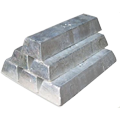
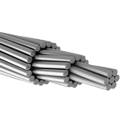
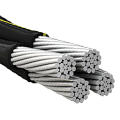
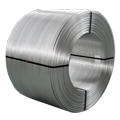
Elka Mehr Kimiya is a leading manufacturer of Aluminum rods, alloys, conductors, ingots, and wire in the northwest of Iran, equipped with cutting-edge production machinery. Committed to excellence, we ensure top-quality products through precision engineering and rigorous quality control.
2. Renewable Energy: Powering the Smelting Revolution
2.1 Hydropower and Solar-Driven Smelters
Aluminum smelting consumes 12.5–16 kWh of electricity per kilogram of metal, making energy sourcing pivotal to emissions reduction. Regions with abundant hydropower, such as Norway and Canada, host the world’s greenest smelters. Hydro-Québec’s AP60 facility in Saguenay, for example, relies entirely on renewable hydropower to produce aluminum with a carbon footprint of 2.9 tonnes CO₂ per tonne of aluminum—80% lower than coal-dependent smelters in China.
Solar energy is also gaining traction. In 2024, Emirates Global Aluminium (EGA) commissioned a 1.2 GW solar farm in Abu Dhabi, powering 25% of its smelting operations. The project reduces annual emissions by 570,000 tonnes of CO₂, equivalent to removing 125,000 gasoline-powered cars from roads.
2.2 Green Hydrogen Pilots
Green hydrogen—produced using renewable electricity—offers a pathway to replace natural gas in high-temperature processes like alumina calcination. Hydro’s pilot plant in Høyanger, Norway, tests hydrogen-fueled rotary kilns, aiming to cut emissions by 30% by 2026. Similarly, Alcoa and Rio Tinto’s ELYSIS™ project in Quebec uses hydrogen to eliminate direct CO₂ emissions from smelting, targeting commercial-scale deployment by 2028.
3. Efficiency Upgrades: From Ingot to Conductor
3.1 Inert Anode Technology and Closed-Loop Recycling
Traditional smelting relies on carbon anodes, which degrade and release CO₂. Inert anode technology, which uses ceramic or metallic materials, eliminates this issue. Alcoa’s Pittsburgh pilot plant reported a 15% drop in energy use and zero anode-related emissions with this method in 2023.
Recycling plays an equally critical role. Remelting scrap aluminum requires 95% less energy than primary production. Novelis’s plant in Nachterstedt, Germany, achieves 95% recycled content in its EC-grade ingots, diverting 1.2 million tonnes of CO₂ annually.
3.2 AI-Driven Quality Control
Defects in aluminum conductors increase material waste and energy use. Alcoa’s “Zero-Defect Ingot” initiative employs AI to analyze 10,000+ data points per ingot, reducing customer rejections by 22% and trimming production waste by 18%. Rusal’s Krasnoyarsk plant uses laser spectroscopy for real-time alloy analysis, cutting defect rates by 30%.
4. Carbon Credit Programs: Incentivizing Low-Carbon Practices
4.1 LME’s Emissions Reporting Mandate
The London Metals Exchange (LME) now requires aluminum producers to report Scope 1 (direct) and Scope 2 (indirect) emissions by March 2025. Brands failing to comply risk delisting, aligning the market with Europe’s Carbon Border Adjustment Mechanism (CBAM). This transparency empowers buyers to prioritize low-carbon suppliers—a shift already impacting procurement strategies at companies like Southwire and Nexans.
4.2 Case Study: Alcoa’s Zero-Defect Carbon Strategy
Alcoa integrates carbon credits into its supply chain through a blockchain-enabled platform. Each ingot’s emissions data—from bauxite mining to smelting—is recorded immutably, allowing customers to claim verified offsets. In 2024, the program reduced Alcoa’s net emissions by 12%, while generating $8.5 million in carbon credit revenue.
5. Challenges and Collaborative Solutions
Despite progress, hurdles remain. European smelters pay €0.15–0.20 per kWh—triple Canada’s hydropower rates—forcing temporary shutdowns during energy price spikes. The EU imports 51% of its aluminum from coal-dependent regions, undermining local decarbonization efforts. Recycling meets only 34% of global aluminum demand due to scrap collection inefficiencies.
Initiatives like the European Aluminium Circularity Coalition aim to boost recycling rates to 50% by 2030 through standardized scrap sorting and tax incentives.
6. Conclusion
Decarbonizing aluminum conductor production is not a solo race but a relay. Each link in the supply chain—from renewable-powered smelters to AI-optimized factories—must pass the baton of sustainability. While challenges like energy costs and recycling gaps persist, innovations in technology and policy offer a clear path forward. By aligning economic incentives with environmental imperatives, the industry can power a greener grid without compromising growth.
7. Sources
- European Aluminium Environmental Profile Report
- Aluminum Conductor Manufacturing Plant Report, IMARC Group
- Reducing the Carbon Footprint: Primary Production of Aluminum, Springer
- LME Carbon Emission Reporting Mandate, Mining.com
- Alcoa Zero-Defect Carbon Strategy Case Study
- Hydro Green Hydrogen Pilot Project Feasibility Study
- Emirates Global Aluminium Solar Farm Impact Report
- Novelis Sustainability Report: Recycling in Aluminum Production

No comment