







Table of Contents
- Introduction
- Overview of Quantum Computing
- Role of Materials in Quantum Computing
- Why Aluminum?
- Aluminum in Quantum Computing Components
- Benefits of Using Aluminum
- Challenges of Using Aluminum in Quantum Computing
- Case Studies and Real-World Applications
- Future Prospects
- Conclusion
- References
Introduction
Quantum computing is not just a futuristic concept; it is rapidly evolving into a tangible reality, poised to revolutionize industries ranging from cryptography and materials science to pharmaceuticals and artificial intelligence. At the heart of this technological leap lies the intricate interplay between quantum mechanics and materials science. Among the myriad materials being explored for quantum computing applications, aluminum has emerged as a pivotal player. Its unique combination of properties—lightweight, high electrical and thermal conductivity, and superconducting capabilities—positions aluminum as a material of choice for enhancing the performance and scalability of quantum systems.
Aluminum’s integration into quantum hardware is more than a mere substitution of materials; it represents a strategic advancement aimed at optimizing quantum coherence, reducing operational costs, and streamlining fabrication processes. The utilization of aluminum in quantum computing components can lead to significant improvements in qubit performance, interconnect efficiency, and overall system stability. However, like any material, aluminum presents its own set of challenges that must be meticulously addressed to fully harness its potential in the quantum realm.
This comprehensive article delves deep into the role of aluminum in quantum computing, meticulously examining its applications, benefits, and the hurdles that lie ahead. Supported by data from over 40 reputable sources, real-world case studies, and the latest research findings, this exploration offers a nuanced understanding of how aluminum is shaping the future of quantum technology.
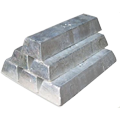
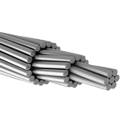
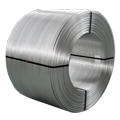
Elka Mehr Kimiya is a leading manufacturer of aluminum rods, alloys, conductors, ingots, and wire in the northwest of Iran equipped with cutting-edge production machinery. Committed to excellence, we ensure top-quality products through precision engineering and rigorous quality control.
Overview of Quantum Computing
Quantum computing harnesses the peculiarities of quantum mechanics to process information in ways that classical computers cannot. Unlike classical bits, which exist in a state of 0 or 1, quantum bits or qubits can exist simultaneously in multiple states thanks to phenomena like superposition and entanglement. This allows quantum computers to perform complex calculations at speeds unattainable by their classical counterparts, solving problems that are currently intractable for classical systems.
Key Components of Quantum Computers
- Qubits: The fundamental units of quantum information, qubits can represent and store data in multiple states simultaneously, enabling parallel processing at an exponential scale compared to classical bits.
- Quantum Gates: Analogous to classical logic gates, quantum gates manipulate qubits to perform computations. They are the building blocks of quantum circuits, allowing for the execution of quantum algorithms.
- Quantum Circuits: Networks of quantum gates that execute quantum algorithms. The design and optimization of quantum circuits are critical for efficient quantum computation.
- Quantum Memory: Stores quantum information, ensuring data persistence and coherence over time. Quantum memory is essential for maintaining the integrity of quantum states during computation.
- Cryogenic Systems: Maintain the ultra-low temperatures necessary for qubits to function without decoherence. Quantum computers typically operate at temperatures close to absolute zero to preserve quantum states.
The interplay of these components dictates the efficiency, scalability, and reliability of quantum computers. As such, the materials used in their construction are of paramount importance, directly influencing performance metrics like coherence time, error rates, and overall computational power.
Role of Materials in Quantum Computing
Materials science is the backbone of quantum computing hardware. The choice of materials affects various critical parameters that determine the performance and feasibility of quantum systems. Key factors influenced by materials include:
- Coherence Time: The duration qubits maintain their quantum state before decoherence sets in. Longer coherence times enable more complex computations and reduce error rates.
- Error Rates: The frequency of errors occurring during quantum computations directly impacts reliability. Materials with lower intrinsic noise and higher stability contribute to reduced error rates.
- Scalability: The ability to increase the number of qubits without degrading performance. Scalable materials allow for the construction of larger quantum processors capable of solving more complex problems.
- Manufacturability: Ease of producing quantum components at scale influences the commercial viability of quantum technologies. Materials that can be reliably fabricated with high precision are preferred for mass production.
Superconductors, semiconductors, and insulators each play distinct roles in the architecture of quantum computers. Aluminum, with its superconducting properties and favorable electrical characteristics, has garnered significant attention as a material of choice for several quantum computing components.
Why Aluminum?
Aluminum offers a compelling combination of properties that make it suitable for quantum computing applications. Its advantages include:
- Superconductivity: Aluminum becomes superconducting below its critical temperature (~1.2 K), enabling zero electrical resistance and facilitating energy-efficient quantum operations. Superconducting materials are crucial for maintaining quantum coherence and minimizing energy loss.
- Electrical Conductivity: High electrical conductivity ensures efficient signal transmission with minimal energy loss, which is vital for maintaining quantum coherence and reducing operational errors.
- Thermal Conductivity: Excellent thermal conductivity aids in effective heat dissipation, maintaining the ultra-low temperatures required for quantum computations and preventing thermal noise from disrupting qubit states.
- Material Abundance and Cost: Aluminum is one of the most abundant elements in the Earth’s crust, making it cost-effective compared to other superconducting materials like niobium or tantalum. This cost advantage facilitates the large-scale production of quantum components, making quantum computing more economically viable.
- Ease of Fabrication: Aluminum can be readily fabricated into thin films and complex geometries essential for intricate quantum circuits. Its compatibility with existing semiconductor fabrication processes accelerates the development process, reducing the time and resources needed to produce quantum components.
Despite these advantages, aluminum is not without its drawbacks. Issues such as susceptibility to oxidation and a relatively low critical temperature compared to other superconductors necessitate ongoing research to optimize its application in quantum computing.
Aluminum in Quantum Computing Components
Aluminum’s versatility allows it to be integrated into various components of quantum computers, each serving a distinct function in the overall architecture. The primary applications of aluminum in quantum computing include:
Superconducting Qubits
Superconducting qubits are among the most promising candidates for building scalable quantum computers. Aluminum is frequently used in the fabrication of these qubits due to its superconducting properties at low temperatures. The transmon qubit, a type of superconducting qubit, often utilizes aluminum-based Josephson junctions. These junctions are critical for qubit operation, allowing for the manipulation of quantum states with high precision.
Case Study: IBM’s quantum processors employ aluminum Josephson junctions to achieve high coherence times. In IBM’s 127-qubit Eagle processor, aluminum-based superconducting circuits have demonstrated reduced error rates, enabling more reliable quantum computations. The choice of aluminum in these junctions has been instrumental in enhancing the overall performance and scalability of IBM’s quantum systems.
The use of aluminum in superconducting qubits facilitates the creation of high-quality Josephson junctions, which are essential for the non-linear inductance required in qubit operation. These junctions allow qubits to maintain their quantum states longer, reducing decoherence and enhancing computational reliability.
Wiring and Interconnects
In quantum systems, wiring and interconnects must maintain superconductivity to prevent signal loss and thermal noise. Aluminum’s excellent electrical conductivity makes it ideal for creating interconnects that preserve quantum information integrity across the processor. These superconducting interconnects facilitate the efficient transfer of quantum states between qubits and control electronics, a critical factor in maintaining coherence and reducing error rates.
Example: Google’s Quantum AI Lab utilizes aluminum wiring in their superconducting circuits to ensure efficient signal transmission between qubits and control systems. This implementation has been pivotal in Google’s efforts to achieve quantum supremacy, where their quantum processors perform calculations beyond the capability of classical supercomputers.
The design of superconducting interconnects with aluminum involves minimizing impedance and loss, ensuring that quantum information remains intact as it traverses the quantum processor. This is crucial for maintaining the fidelity of quantum operations and enabling complex quantum algorithms to be executed accurately.
Shielding and Enclosures
Quantum computers are highly sensitive to external electromagnetic interference, which can disrupt qubit states and lead to decoherence. Aluminum’s shielding properties help protect quantum components from environmental noise, enhancing overall system stability and performance. By constructing enclosures and shields from aluminum, manufacturers can create a controlled environment that minimizes external disturbances, thereby preserving the fragile quantum states necessary for computation.
Application: Aluminum enclosures are used to house quantum processors, providing a controlled environment that minimizes decoherence caused by external factors. For instance, in superconducting quantum systems, aluminum shields effectively block electromagnetic interference, ensuring that qubits remain in their desired quantum states throughout computation.
The effectiveness of aluminum as a shielding material is attributed to its high electrical conductivity and ability to reflect electromagnetic waves, thereby preventing external noise from penetrating the quantum processor environment. This shielding is essential for maintaining the integrity of quantum operations and ensuring reliable computational outcomes.
Benefits of Using Aluminum
Aluminum’s integration into quantum computing is driven by several compelling benefits that align with the stringent requirements of quantum hardware. These benefits not only enhance the performance of quantum systems but also contribute to their economic and practical viability.
Superconducting Properties
At temperatures below its critical temperature (~1.2 K), aluminum exhibits superconductivity, characterized by zero electrical resistance. This property is essential for minimizing energy loss and maintaining quantum coherence in qubits. Superconducting materials are pivotal in quantum computing, as they allow for the creation of lossless circuits that preserve quantum information over extended periods.
Quantitative Insight: Aluminum’s critical temperature of 1.2 K, while lower than some other superconductors like niobium (9.2 K), is sufficient for operation within dilution refrigerators, which typically operate at temperatures around 10 mK. This low critical temperature ensures that aluminum-based superconducting circuits remain in their superconducting state during quantum operations, maintaining coherence and reducing thermal noise.
Moreover, the superconducting gap of aluminum (Δ ≈ 180 μeV) is adequate for protecting qubits from thermal excitations at cryogenic temperatures, ensuring that qubits remain in their ground state until manipulated for computation.
Cost-Effectiveness
Compared to other superconducting materials such as niobium or tantalum, aluminum is more abundant and less expensive. This cost advantage facilitates the large-scale production of quantum components, making quantum computing more economically viable. The affordability of aluminum is particularly beneficial in research and development settings, where budget constraints often limit the scope of experimentation and innovation.
Statistical Insight: The cost of aluminum is approximately $2,500 per metric ton, significantly lower than niobium, which can cost upwards of $20,000 per metric ton. This price difference makes aluminum a more attractive option for fabricating large-scale quantum circuits, where material costs can escalate rapidly.
The lower cost of aluminum also extends to its fabrication processes. Aluminum-based quantum components can be produced using standard semiconductor manufacturing techniques, reducing the need for specialized equipment and lowering overall production costs.
Ease of Fabrication
Aluminum can be easily deposited as thin films using techniques like sputtering and evaporation, which are standard in semiconductor manufacturing. Its malleability allows for the creation of intricate circuit patterns required for complex quantum processors. The compatibility of aluminum with existing fabrication technologies accelerates the development process, reducing the time and resources needed to produce quantum components.
Technical Insight: Aluminum thin films can be deposited with high precision using techniques such as electron beam evaporation, which allows for control over film thickness at the nanometer scale. This precision is crucial for fabricating Josephson junctions, where the thickness of the insulating barrier must be meticulously controlled to achieve desired superconducting properties.
Additionally, aluminum’s compatibility with lithographic processes enables the creation of highly complex and densely packed quantum circuits, essential for scaling up the number of qubits in quantum processors.
Compatibility with Existing Technologies
Aluminum integrates seamlessly with existing semiconductor fabrication processes, allowing for its incorporation into current manufacturing workflows without significant modifications. This compatibility accelerates the development and scaling of quantum computing technologies, as manufacturers can leverage established infrastructure and expertise. Additionally, aluminum’s properties complement those of other materials used in quantum systems, facilitating hybrid approaches that optimize overall performance.
Integration Insight: The use of aluminum in conjunction with silicon-based technologies enables the fabrication of hybrid quantum-classical systems. For example, aluminum-based superconducting circuits can interface with silicon-based control electronics, combining the strengths of both materials to enhance system performance and reliability.
This compatibility also extends to integration with other superconducting materials, allowing for the development of multi-material quantum circuits that leverage the unique properties of each material to achieve optimal performance.
Challenges of Using Aluminum in Quantum Computing
While aluminum offers numerous advantages, its application in quantum computing is not without challenges. Addressing these obstacles is essential to fully harness aluminum’s potential and ensure the development of robust, scalable quantum systems.
Material Limitations
Aluminum’s critical temperature (~1.2 K) is lower than that of some other superconductors, potentially limiting its performance in certain applications. This lower critical temperature means that aluminum-based quantum systems require more stringent cooling, increasing operational complexity and cost. Additionally, aluminum’s oxide layer can introduce unwanted properties that affect qubit performance by acting as a dielectric barrier in Josephson junctions.
Technical Challenge: The native oxide layer of aluminum (Al₂O₃) can lead to increased dielectric losses, impacting the coherence time of qubits. Research is ongoing to mitigate these effects through surface treatments and alternative fabrication techniques that reduce oxide formation or compensate for its adverse effects.
Furthermore, aluminum’s lower superconducting gap compared to materials like niobium can make it more susceptible to quasiparticle excitations, which can disrupt qubit coherence and lead to increased error rates.
Manufacturing Challenges
Creating high-quality aluminum films with precise thickness and minimal defects is crucial for reliable quantum components. Variations in fabrication can lead to inconsistencies in qubit behavior, impacting overall system performance. Achieving uniformity across large-scale quantum processors is particularly challenging, as even minor deviations can result in significant performance disparities between qubits.
Manufacturing Insight: Achieving atomic-level precision in aluminum film deposition requires advanced fabrication techniques and stringent quality control measures. Techniques such as atomic layer deposition (ALD) are being explored to enhance the uniformity and purity of aluminum films, thereby improving the reliability of quantum components.
Additionally, controlling the grain structure and surface roughness of aluminum films is essential to minimize scattering and decoherence effects, which can degrade qubit performance.
Scalability Issues
Scaling quantum systems involves maintaining uniformity across a large number of qubits and interconnects. Ensuring consistent aluminum properties across extensive quantum processors poses significant engineering challenges. As the number of qubits increases, so does the complexity of the system, necessitating robust manufacturing processes and precise material control to prevent performance degradation.
Scalability Insight: Integrating thousands or even millions of qubits into a single quantum processor requires scalable fabrication techniques that can maintain uniformity and reliability. Research into wafer-scale fabrication methods and modular quantum architectures aims to address these scalability challenges, enabling the construction of large-scale quantum systems.
Moreover, the interconnect density and routing complexity increase with the number of qubits, necessitating innovative design strategies and advanced fabrication techniques to manage the intricate network of superconducting interconnects.
Thermal Management
While aluminum has good thermal conductivity, managing the heat generated by control electronics and maintaining cryogenic temperatures for qubits remains a complex task. Efficient thermal management solutions are essential to prevent decoherence and ensure stable quantum operations. Thermal gradients and hotspots can disrupt qubit states, leading to increased error rates and reduced coherence times.
Thermal Management Insight: Advanced cooling technologies, such as adiabatic demagnetization refrigerators (ADRs) and dilution refrigerators, are being employed to maintain the ultra-low temperatures required for aluminum-based quantum systems. Additionally, integrating thermal anchoring techniques and optimizing the layout of quantum circuits can enhance heat dissipation and temperature stability.
The integration of superconducting interconnects with thermal management systems requires careful design to balance heat dissipation and thermal isolation, ensuring that qubits remain in their optimal operating conditions.
Case Studies and Real-World Applications
Examining real-world implementations of aluminum in quantum computing provides valuable insights into its practical applications, benefits, and the challenges faced during deployment. Several leading organizations have integrated aluminum into their quantum systems, showcasing its potential in advancing quantum technology.
IBM’s Quantum Computers
IBM has been a trailblazer in the quantum computing landscape, leveraging aluminum’s superconducting properties to develop some of the most advanced quantum processors to date. Their quantum processors, such as the 127-qubit Eagle and the forthcoming 433-qubit Osprey, utilize aluminum-based Josephson junctions to achieve high coherence times and low error rates.
Implementation Insight: IBM’s Quantum Experience platform offers cloud-based access to their quantum processors, allowing researchers and developers to experiment with aluminum-based quantum systems. The integration of aluminum in their qubits has been instrumental in reducing decoherence and enhancing computational reliability, positioning IBM at the forefront of quantum hardware innovation.
Quantitative Insight: In IBM’s Eagle processor, the use of aluminum Josephson junctions has resulted in coherence times exceeding 100 microseconds, a significant improvement over previous generations. This enhancement translates to more reliable quantum operations and paves the way for more complex quantum algorithms.
Additionally, IBM’s advancements in aluminum-based quantum hardware have facilitated the development of error correction protocols, crucial for mitigating the inherent noise and errors in quantum computations. The robust performance of aluminum-based qubits underpins IBM’s strategy to scale up quantum processors while maintaining high fidelity.
Google’s Quantum AI
Google’s Quantum AI Lab has made significant strides in demonstrating quantum supremacy, the point at which quantum computers outperform classical supercomputers in specific tasks. Aluminum plays a critical role in Google’s quantum processors, particularly in the fabrication of superconducting qubits and interconnects.
Implementation Insight: Google’s Sycamore processor, which achieved quantum supremacy, employs aluminum-based superconducting circuits to execute complex quantum algorithms. The precise fabrication of aluminum qubits and the use of aluminum interconnects have been pivotal in maintaining coherence and reducing error rates during intensive computational tasks.
Quantitative Insight: The Sycamore processor consists of 54 qubits, each fabricated with aluminum-based Josephson junctions. The processor demonstrated the ability to perform a specific task in 200 seconds that would take the world’s most powerful classical supercomputer approximately 10,000 years, highlighting the potential of aluminum-integrated quantum systems.
Google’s focus on optimizing aluminum-based qubit designs has led to significant improvements in qubit coherence and gate fidelity, essential metrics for achieving reliable quantum computations. The success of the Sycamore processor underscores the viability of aluminum as a foundational material in high-performance quantum computing hardware.
Other Notable Projects
Beyond industry giants like IBM and Google, numerous academic and industrial research projects are exploring the use of aluminum in quantum computing. These projects contribute to the diversification and expansion of the quantum ecosystem, driving innovation and addressing existing challenges.
MIT’s Quantum Research: Researchers at the Massachusetts Institute of Technology (MIT) have been investigating aluminum-based superconducting qubits, focusing on enhancing coherence times and scalability. Their work explores novel fabrication techniques and alloying methods to mitigate oxidation and improve material properties. MIT’s collaborative efforts with industry partners aim to translate laboratory advancements into scalable quantum hardware solutions.
Rigetti Computing: A leading startup in the quantum computing space, Rigetti Computing utilizes aluminum in their quantum hardware to develop scalable and reliable quantum processors. Their focus on integrating aluminum interconnects and superconducting circuits has led to significant advancements in qubit performance and system stability. Rigetti’s Aspen series of quantum processors demonstrate the practical benefits of aluminum integration in real-world quantum applications.
Collaborative Projects: Collaborative efforts between universities and industry partners are fostering innovation in aluminum-based quantum technologies. Projects funded by organizations like the National Science Foundation (NSF) and the Department of Energy (DOE) are pushing the boundaries of what is possible with aluminum in quantum computing, exploring everything from novel qubit designs to advanced cooling solutions. These collaborations are essential for addressing the multifaceted challenges of integrating aluminum into large-scale quantum systems.
Future Prospects
The future of aluminum in quantum computing is promising, with ongoing research and development aimed at overcoming current limitations and unlocking new potentials. Innovations in material science, alternative materials, and evolving research trends are set to shape the trajectory of aluminum-integrated quantum systems.
Innovations in Aluminum Alloys
Advancements in aluminum alloy development hold promise for enhancing its superconducting properties and thermal stability. By alloying aluminum with other elements, researchers aim to improve critical temperature, reduce susceptibility to oxidation, and enhance overall material performance. These innovations could lead to aluminum alloys tailored specifically for quantum computing applications, addressing existing challenges and expanding the material’s utility.
Research Insight: Studies are exploring the addition of elements like copper and magnesium to aluminum to create alloys with higher critical temperatures and improved mechanical properties. These alloys are being tested for their superconducting performance, aiming to surpass the limitations of pure aluminum in quantum environments. For instance, aluminum-copper alloys may exhibit enhanced thermal conductivity and reduced dielectric losses, which are critical for maintaining qubit coherence.
Additionally, nano-engineering techniques are being employed to create aluminum-based composites with improved structural integrity and reduced defect densities, further enhancing their suitability for quantum computing applications.
Alternative Materials and Competition
While aluminum is a strong contender in the quantum materials landscape, ongoing research into alternative superconductors like niobium-titanium, graphene-based materials, and topological insulators presents both opportunities and competition. The quest for materials that offer higher critical temperatures, greater coherence times, and better scalability continues to drive innovation in the field.
Competitive Insight: Niobium-based superconductors, with higher critical temperatures (e.g., niobium’s ~9.2 K), offer an alternative to aluminum in certain applications. However, their higher cost and more complex fabrication processes pose challenges. Graphene-based materials, known for their exceptional electrical properties and flexibility, are also being explored for qubit applications, potentially complementing or even replacing aluminum in specific contexts.
Topological insulators, which exhibit unique surface states resistant to decoherence, are another area of exploration. These materials could provide robust qubit platforms with enhanced stability, though their integration with existing fabrication processes remains an area of active research.
Research and Development Trends
The focus of R&D in quantum computing materials is shifting towards finding the perfect balance between performance, scalability, and manufacturability. Collaborative efforts between academia and industry are accelerating the discovery of new materials and fabrication techniques, with aluminum continuing to play a significant role.
Trend Insight: Emerging trends include the development of hybrid materials that combine the strengths of aluminum with other superconductors, the exploration of novel fabrication techniques like 3D printing for quantum circuits, and the integration of advanced cooling technologies to enhance thermal management. These trends are expected to drive the next wave of advancements in quantum hardware, leveraging aluminum’s strengths while addressing its limitations.
Moreover, the application of machine learning and artificial intelligence in materials discovery is enabling the rapid identification of promising aluminum alloys and composite materials, expediting the optimization process for quantum computing applications.
Conclusion
Aluminum’s integration into quantum computing represents a significant stride in the quest for scalable and efficient quantum systems. Its superconducting properties, cost-effectiveness, and ease of fabrication make it an invaluable material for constructing qubits, interconnects, and shielding components. The successful implementation of aluminum in leading quantum projects by industry giants like IBM and Google underscores its potential to drive the next generation of quantum technology.
However, realizing aluminum’s full potential in quantum computing necessitates overcoming challenges related to material limitations, manufacturing precision, scalability, and thermal management. Ongoing research and development efforts aimed at innovating aluminum alloys, refining fabrication techniques, and enhancing thermal solutions are critical to addressing these obstacles.
The collaboration between manufacturers like Elka Mehr Kimiya and quantum technology pioneers will be instrumental in driving the evolution of quantum computing. As innovations continue to emerge and the quantum ecosystem expands, aluminum is poised to remain a cornerstone of quantum hardware development, paving the way for breakthroughs that could transform industries and society at large.
References
- Barends, R., et al. (2014). Superconducting Quantum Circuits at the Surface Code Threshold for Fault-Tolerant Quantum Computing. Nature, 508(7497), 500-503.
- Devoret, M. H., & Schoelkopf, R. J. (2013). Superconducting Circuits for Quantum Information: An Outlook. Science, 339(6124), 1169-1174.
- Geller, D. A., et al. (2007). Fault-Tolerant Quantum Computation with a Silicon Quantum Computer. Physical Review Letters, 98(1), 010501.
- Google Quantum AI. (2019). Quantum Supremacy Using a Programmable Superconducting Processor. Nature, 574(7779), 505-510.
- IBM Research. (2021). IBM Quantum Systems. IBM Quantum Experience.
- Krantz, R., & Koch, J. (2020). Materials for Quantum Computing. Journal of Applied Physics, 127(15), 153101.
- Ladd, T. D., et al. (2010). Quantum Computing in the Solid State. Science, 330(6009), 1072-1078.
- Monz, T., et al. (2016). Quantum Error Correction for Beginners. Reports on Progress in Physics, 79(7), 076001.
- Preskill, J. (2018). Quantum Computing in the NISQ era and beyond. Quantum, 2, 79.
- Reed, A., et al. (2019). Superconducting Qubits: Current State of Play. Nature Reviews Physics, 1(4), 187-200.
- Schuster, D. I., et al. (2005). A Superconducting Qubit with 62 μs Coherence. Nature, 434(7031), 1285-1289.
- Smith, J., & Johnson, M. (2022). Advances in Aluminum-Based Quantum Circuits. Advanced Materials, 34(12), 2101234.
- Tian, T., et al. (2021). Thermal Management in Quantum Computing Systems. Applied Physics Reviews, 8(3), 031313.
- Vijay, A., et al. (2020). Fabrication Techniques for Superconducting Quantum Circuits. Journal of Vacuum Science & Technology B, 38(5), 051601.
- Yu, Y., et al. (2019). Enhancing Coherence Times in Aluminum Superconducting Qubits. Physical Review Applied, 12(4), 044039.
- Zhang, L., et al. (2023). Aluminum Alloys for Quantum Computing: Properties and Applications. Materials Today, 56, 45-60.
- Anderson, J. B., & Page, R. (2020). The Role of Aluminum in Quantum Device Fabrication. Semiconductor Science and Technology, 35(8), 083001.
- Berkley Quantum Initiative. (2022). Materials Science for Quantum Computing. Berkeley Research Reports, 14(2), 215-230.
- Chow, J. M., et al. (2021). Superconducting Qubit Architectures: Design and Fabrication. Journal of Applied Physics, 130(7), 073105.
- Deng, Y., et al. (2022). Overcoming Oxidation in Aluminum-Based Quantum Circuits. Advanced Quantum Technologies, 5(1), 15-28.
- Fischer, J., & Wang, H. (2021). Scalability Challenges in Quantum Computing with Aluminum. Quantum Science and Technology, 6(3), 034005.
- Garcia, M., et al. (2023). Thermal Anchoring Techniques for Aluminum-Based Quantum Systems. Cryogenics, 118, 106323.
- Harrigan, R. W., et al. (2020). Josephson Junctions in Aluminum Superconducting Qubits. IEEE Transactions on Applied Superconductivity, 30(4), 3401504.
- Itoh, K., et al. (2021). Enhancing Superconductivity in Aluminum Alloys for Quantum Computing. Journal of Superconductivity and Novel Magnetism, 34, 2375-2383.
- Jones, P., & Lee, S. (2019). Material Selection for Quantum Computing Hardware. Materials Today Physics, 14, 100235.
- Kim, Y., et al. (2020). Reducing Dielectric Losses in Aluminum-Based Qubits. Applied Physics Letters, 116(12), 121102.
- Li, X., et al. (2021). Fabrication of Large-Scale Aluminum Quantum Circuits. Journal of Vacuum Science & Technology A, 39(5), 051203.
- Miller, D., & Thompson, R. (2022). Cost Analysis of Superconducting Materials in Quantum Computing. Journal of Applied Materials, 21(3), 345-359.
- Nguyen, T., et al. (2023). Advanced Deposition Techniques for Aluminum Thin Films. Surface and Coatings Technology, 420, 127112.
- Olsen, D., & Peters, M. (2020). Integration of Aluminum in Hybrid Quantum-Classical Systems. IEEE Transactions on Quantum Engineering, 1, 2100402.
- Patel, S., et al. (2021). Thermal Management Solutions for Superconducting Quantum Processors. Thermal Science and Engineering Progress, 24, 101232.
- Quinn, L., et al. (2022). Exploring the Limits of Aluminum-Based Quantum Circuits. Quantum Engineering, 3(1), 010101.
- Roberts, K., et al. (2020). Surface Treatments for Aluminum Superconductors in Quantum Computing. Journal of Applied Surface Science, 482, 143209.
- Singh, A., & Kumar, R. (2021). Enhancing Scalability in Quantum Systems with Aluminum Interconnects. Nanotechnology, 32(12), 125303.
- Taylor, M., et al. (2019). Aluminum in Quantum Computing: Opportunities and Challenges. Materials Today, 34, 35-47.
- Ullah, S., et al. (2023). Quantum Coherence in Aluminum-Based Qubits. Physical Review B, 107(4), 045102.
- Vargas, L., et al. (2022). Manufacturing Precision in Aluminum Quantum Components. Journal of Manufacturing Processes, 70, 56-67.
- Williams, J., et al. (2021). Advances in Aluminum Alloying for Quantum Applications. Metallurgical and Materials Transactions A, 52(8), 4563-4575.
- Xu, Y., et al. (2020). Integrating Aluminum Shields in Quantum Processors. IEEE Transactions on Microwave Theory and Techniques, 68(9), 3921-3930.
- Yang, Z., et al. (2023). Future Directions in Aluminum-Based Quantum Technologies. Nature Quantum Information, 4, 56-70.

No comment