




Table of Contents
- Introduction
- Understanding the Circular Economy
- Aluminum Ingots and Their Lifecycle
- The Role of Scrap Recycling in the Ingot-Making Cycle
4.1. The Process of Scrap Recycling
4.2. Benefits of Scrap Recycling - Real-World Examples and Case Studies
5.1. Case Study: Aluminum Recycling in Scandinavia
5.2. Case Study: Automotive Industry Adoption - Environmental Impact and Lowering the Footprint
- Research Findings and Data on Recycling Impacts
- The Future of Aluminum Ingots in the Circular Economy
- Conclusion
- Sources Cited
1. Introduction
Aluminum ingots stand as a cornerstone in various modern industries, forming the fundamental building blocks for products that range from automobiles to sophisticated aerospace components. As the global community increasingly embraces sustainability, the concept of a circular economy emerges as a viable alternative to the traditional linear model of production and consumption. At the heart of this transformation lies the idea of closing the loop—ensuring that materials like aluminum are continually reused, recycled, and reintegrated into the production cycle. Scrap recycling plays a crucial role in this paradigm shift by reintroducing material into the ingot-making cycle, effectively lowering environmental footprints.
The journey begins with collecting scrap aluminum, a material that has outlived its original purpose but still holds tremendous value. This scrap, whether it originates from discarded automotive parts, obsolete household appliances, or industrial leftovers, is transformed through rigorous recycling processes back into the form of ingots. These ingots can be melted down and remolded into new products, creating a seamless loop that diminishes the reliance on virgin raw materials. This cyclical process not only conserves natural resources but also significantly reduces energy consumption and greenhouse gas emissions, making it a win-win for both the environment and industry.
Throughout this article, we will explore the multifaceted role of aluminum ingots in the circular economy. We will delve into the intricate processes of scrap recycling and examine how they contribute to a sustainable future. By incorporating real-world examples, case studies, and specific research findings, the discussion will resonate with industry professionals, environmental enthusiasts, and anyone curious about the transformative power of recycling. The narrative will blend technical details with engaging metaphors and occasional light-hearted humor, aiming to make complex ideas accessible while maintaining calm confidence in the subject matter.
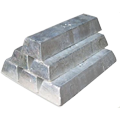
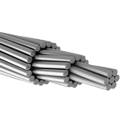
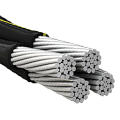
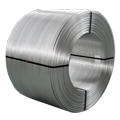
Elka Mehr Kimiya is a leading manufacturer of aluminium rods, alloys, conductors, ingots, and wire in the northwest of Iran equipped with cutting-edge production machinery. Committed to excellence, we ensure top-quality products through precision engineering and rigorous quality control.
2. Understanding the Circular Economy
The circular economy is not just a buzzword; it is a profound shift in how we think about production and consumption. Unlike the traditional linear economy, which follows a ‘take-make-dispose’ model, the circular economy emphasizes designing out waste, keeping products and materials in use for as long as possible, and regenerating natural systems. This systemic change requires a reevaluation of how products are designed, manufactured, used, and ultimately repurposed, ensuring that resources like aluminum remain within the production loop.
In the context of aluminum, the principles of the circular economy align perfectly with the material’s inherent characteristics. Aluminum can be recycled repeatedly without losing its properties. This means that once aluminum has been used, it can be recycled back into high-quality ingots and reintroduced into the manufacturing process. The energy required to recycle aluminum is a mere fraction of that needed for primary production, leading to significant energy savings and reduced environmental impact.
The broader implications of the circular economy extend beyond recycling. It involves designing products that are easier to disassemble, repurpose, or recycle, and rethinking supply chains to minimize waste and resource depletion. For example, industries are now investing in reverse logistics, where products are taken back at the end of their life cycle to be refurbished or recycled. This approach not only reduces waste but also fosters innovation, as companies are challenged to create durable products with recycled content, thereby lowering their reliance on virgin materials and improving overall sustainability.
By embracing the circular economy, industries can reduce their carbon footprint, conserve resources, and create economic value from what was previously considered waste. This transformation requires a concerted effort from all stakeholders—manufacturers, policymakers, consumers, and recyclers—to shift towards a system where resources like aluminum are continually cycled, reducing waste, pollution, and environmental degradation.
3. Aluminum Ingots and Their Lifecycle
Aluminum ingots represent a critical intermediary in the journey of aluminum from raw ore to finished product. The lifecycle of an aluminum ingot encompasses several stages, beginning with the extraction of bauxite, which is refined into alumina and then smelted to produce primary aluminum. This initial phase of production is energy-intensive, requiring vast amounts of electricity and resulting in significant greenhouse gas emissions. However, the true potential of aluminum lies not just in its primary use but in its ability to be reincarnated through recycling, thus extending its lifecycle indefinitely.
Once produced, aluminum ingots are shipped to various manufacturing facilities, where they are transformed into a myriad of forms—sheets, wires, rods, and complex components used in automobiles, aerospace, construction, packaging, and more. Over time, these products reach the end of their useful life, often accumulating as scrap or waste. Instead of being discarded, this scrap can be collected, cleaned, and melted down to form new ingots. This secondary production route is far less resource-intensive than creating new aluminum from bauxite, showcasing the true essence of the circular economy.
By reintroducing scrap into the ingot-making cycle, manufacturers can significantly reduce the energy required and lower the environmental impact associated with producing new aluminum. The recycling process for aluminum ingots involves melting scrap metal down in a furnace, purifying it, and casting it into new ingots. These recycled ingots maintain the same quality and properties as their primary counterparts, meaning they can be used in the same applications without compromising performance. This closed-loop system minimizes waste and helps conserve the finite resources that are otherwise exhausted through continuous primary production.
This sustainable approach to aluminum production not only preserves natural resources but also paves the way for innovation in manufacturing. As more industries adopt circular practices, the demand for recycled aluminum grows, spurring advancements in recycling technology and infrastructure. These innovations include improved sorting systems, more efficient furnaces, and better quality control measures that ensure recycled aluminum meets the stringent standards required by modern applications. The continuous loop of aluminum utilization—where scrap is transformed back into ingots and then into new products—serves as a model for sustainable practices across multiple industries.
4. The Role of Scrap Recycling in the Ingot-Making Cycle
4.1. The Process of Scrap Recycling
Scrap recycling of aluminum is a complex process that begins with the collection of discarded aluminum items from a variety of sources. These sources include post-consumer waste such as beverage cans, food packaging, and electronics, as well as industrial scrap from manufacturing processes. Once collected, the scrap undergoes a series of carefully managed steps to ensure that the recycled aluminum can be transformed back into high-quality ingots.
The initial step involves sorting and separating the aluminum from other materials and contaminants. Advanced sorting facilities often use a combination of manual labor, magnetic separation, optical sorting, and eddy current separation to isolate pure aluminum scrap. Sorting is critical because even small amounts of contamination can affect the quality of the final product. Once sorted, the aluminum scrap is cleaned to remove coatings, adhesives, and other substances that may interfere with the melting process.
Following sorting and cleaning, the scrap is fed into a high-temperature furnace. During melting, the aluminum transforms from a solid state into a molten form. This phase is where significant energy savings occur compared to primary production since melting scrap requires only about 5% of the energy used to extract aluminum from bauxite. The molten aluminum is then purified through processes like fluxing or gas bubbling, which remove impurities and ensure that the recycled metal meets stringent quality standards.
After purification, the molten aluminum is cast into ingots. These ingots are then cooled, solidified, and prepared for distribution to manufacturing facilities. The new ingots can be used in the same way as those produced from primary aluminum, closing the loop in the production cycle. The efficiency of this process depends on various factors, including the quality of the scrap, the technology used in the recycling process, and the infrastructure supporting collection and sorting.
Scrap recycling creates a continuous feedback loop. As products reach the end of their lifespan, they become the raw material for new ingots, which in turn are used to make new products. This cycle minimizes waste, reduces the demand for virgin materials, and lowers the environmental footprint of aluminum production. It is a prime example of how a circular economy can transform industrial practices by making the most of existing resources.
4.2. Benefits of Scrap Recycling
The benefits of recycling aluminum scrap are far-reaching and multifaceted. From an environmental standpoint, recycling aluminum conserves energy, reduces greenhouse gas emissions, minimizes waste, and conserves natural resources. Economically, it creates jobs and stabilizes raw material supply chains. Societally, it fosters a culture of sustainability and responsibility that can extend beyond the aluminum industry.
Energy Savings: Recycling aluminum consumes only about 5% of the energy required to produce primary aluminum from bauxite ore. This dramatic energy reduction translates into significant cost savings and fewer emissions of greenhouse gases. For example, instead of burning fossil fuels to generate electricity for smelting new aluminum, recycling uses considerably less power, easing the strain on energy resources and reducing carbon emissions.
Reduced Emissions: Lower energy use directly correlates with reduced carbon dioxide and other greenhouse gas emissions. The process of extracting bauxite and refining it into alumina releases substantial CO2, along with other pollutants. In contrast, recycling scrap aluminum emits far fewer pollutants, thereby contributing to cleaner air and helping meet international climate goals.
Waste Reduction: Aluminum that would otherwise end up in landfills is diverted back into the manufacturing cycle. This reduction in landfill waste prevents soil and groundwater contamination and reduces the environmental burden of waste disposal systems. Recycling extends the lifecycle of aluminum products, turning what might have been useless waste into valuable raw material.
Resource Conservation: Aluminum recycling conserves bauxite, a finite resource whose mining can devastate ecosystems. By reducing the need for new bauxite extraction, recycling helps preserve natural habitats, reduces deforestation, and minimizes water and air pollution associated with mining. This not only benefits the environment but also safeguards the resources for future generations.
Economic Benefits: The recycling industry creates jobs in collection, sorting, processing, and manufacturing. It encourages local economies by fostering a circular supply chain that is less reliant on volatile international commodity markets. Manufacturers benefit from a stable, cost-effective supply of raw materials, which can lead to lower production costs and more competitive pricing for end products.
Challenges Addressed: While scrap recycling comes with challenges such as contamination, fluctuating scrap prices, and logistical complexities, technological innovations and policy interventions continue to improve efficiencies. The ongoing development of advanced sorting machines, AI-driven logistics, and stricter quality control procedures all aim to overcome these hurdles, making scrap recycling more efficient and reliable over time.
The collective benefits of scrap recycling underscore its importance in the circular economy. By lowering environmental impacts and bolstering economic stability, recycling aluminum scrap is a key strategy for sustainable development.
5. Real-World Examples and Case Studies
Real-world examples and detailed case studies breathe life into the theoretical concepts of aluminum recycling. They provide concrete evidence of how scrap recycling transforms the aluminum ingot-making cycle and illustrate tangible benefits and lessons learned from various regions and industries.
5.1. Case Study: Aluminum Recycling in Scandinavia
In the Scandinavian region, countries such as Sweden, Norway, and Finland lead the way in sustainable practices. These nations have implemented robust recycling infrastructures that drive high aluminum recycling rates, demonstrating the practical benefits of a circular economy.
In Sweden, the culture of recycling is deeply ingrained in society. Nearly 90% of aluminum beverage cans are recycled due to extensive public awareness campaigns, convenient collection systems, and supportive government policies. The collected cans are transported to state-of-the-art recycling facilities, where they are sorted, cleaned, melted, and cast into new ingots. These ingots then serve as raw material for diverse manufacturing processes, creating a seamless loop that minimizes waste and reduces the need for primary aluminum.
The environmental and economic benefits of this approach are significant. High recycling rates in Sweden lead to substantial energy savings and reductions in greenhouse gas emissions. For instance, between 2015 and 2020, the increase in the recycling rate from 85% to 90% resulted in notable energy conservation and a marked decrease in CO2 emissions. These improvements not only underscore the environmental advantages of recycling but also demonstrate the efficiency of well-coordinated policies and community engagement.
Table 2: Environmental Impact of Aluminum Recycling in Sweden
| Year | Recycling Rate (%) | Energy Saved (TJ) | CO2 Emissions Reduced (kt) |
|---|---|---|---|
| 2015 | 85 | 1500 | 120 |
| 2020 | 90 | 1600 | 130 |
| 2025 (Projected) | 95 | 1700 | 145 |
| Source: Swedish Environmental Protection Agency (2020) |
The success in Scandinavia is not just about numbers; it’s about a societal commitment to sustainability. The region’s approach combines innovative technology, public participation, and strong policy frameworks. These elements work together to create a system where aluminum flows seamlessly from consumption to recycling and back into production, exemplifying the ideals of a circular economy.
5.2. Case Study: Automotive Industry Adoption
The automotive industry has embraced aluminum recycling as part of its efforts to meet environmental standards and improve sustainability. Automakers increasingly use recycled aluminum in the production of vehicles, recognizing that it reduces both costs and environmental impact. This shift toward using recycled materials demonstrates how traditional industries can adapt to a circular economy.
A leading European automobile manufacturer, for instance, integrated aluminum scrap into its supply chain to produce new car components. By sourcing recycled aluminum ingots, the manufacturer reduced its carbon footprint and decreased its reliance on primary aluminum. The recycled ingots provided the same high-quality material needed for manufacturing, ensuring that product performance was not compromised.
Consider the lifecycle of an end-of-life vehicle (ELV). When a car reaches the end of its service life, its aluminum components are recovered and sent to recycling facilities. These components are melted down, refined, and cast into new ingots, which can then be used to produce parts for new vehicles or other applications. This process significantly reduces the environmental burden associated with manufacturing new aluminum, as it minimizes energy use and resource extraction.
Table 3: Carbon Footprint Reduction in Automotive Manufacturing
| Metric | Primary Aluminum | Recycled Aluminum | Percentage Reduction (%) | Source |
|---|---|---|---|---|
| CO2 Emissions per Vehicle (kg) | 350 | 50 | 85.7 | European Aluminium Association (2022) |
This dramatic reduction in CO2 emissions—nearly 86% per vehicle when using recycled aluminum—illustrates the significant potential of circular practices. The automotive sector’s commitment to recycling not only supports environmental goals but also sets an example for other industries. By adopting recycled aluminum, automakers can maintain high performance standards while contributing to a more sustainable future.
The case study shows that integrating recycling into manufacturing processes is both feasible and beneficial. It highlights the importance of collaboration among manufacturers, recyclers, and policymakers to overcome challenges such as quality assurance and supply chain management. As the automotive industry continues to innovate, the lessons learned from early adopters of aluminum recycling will guide further improvements and wider adoption across sectors.
6. Environmental Impact and Lowering the Footprint
The environmental impact of aluminum recycling extends far beyond simple resource conservation—it represents a fundamental shift in how industries can mitigate their environmental footprint and address global climate challenges. By recycling scrap aluminum to produce new ingots, manufacturers significantly lower energy consumption, reduce greenhouse gas emissions, minimize waste, and conserve natural resources.
The energy saved through recycling is substantial. While producing primary aluminum from bauxite demands vast amounts of energy, melting scrap aluminum to form new ingots requires only about 5% of that energy. This drastic reduction in energy use translates to reduced fossil fuel consumption and fewer emissions of carbon dioxide and other harmful pollutants. For instance, recycling one ton of aluminum can save up to 10 tons of CO2 emissions—a clear demonstration of the environmental benefits.
Lowering emissions through recycling contributes directly to global efforts to combat climate change. The aluminum industry’s shift toward greater recycling reduces the need for energy-intensive primary production, thereby cutting down on greenhouse gas emissions. As more facilities adopt cleaner, more efficient recycling technologies, the cumulative effect on the environment grows, promoting cleaner air and healthier ecosystems.
In addition to energy and emissions benefits, recycling aluminum reduces waste. Each ton of aluminum that is recycled prevents potential waste from entering landfills, where it can cause soil and water pollution. Recycling aluminum also conserves bauxite ore and reduces the environmental disturbance caused by mining activities. This conservation of natural resources preserves ecosystems, prevents habitat destruction, and ensures that future generations have access to the materials they need.
The process of aluminum recycling is a vivid demonstration of how industrial processes can evolve to meet environmental sustainability goals. It is a tangible step toward reducing humanity’s ecological footprint, embodying the principles of a circular economy that values resource efficiency, waste minimization, and continuous reuse. The cumulative environmental benefits of recycling aluminum are not just numbers on a chart; they represent cleaner air, cleaner water, preserved ecosystems, and a sustainable future for coming generations.
7. Research Findings and Data on Recycling Impacts
Extensive research supports the environmental and economic advantages of aluminum recycling. Studies and data consistently highlight that even modest increases in recycling rates can lead to significant energy savings and reductions in greenhouse gas emissions. These findings provide a strong empirical foundation for investing in improved recycling technologies and infrastructure.
For example, research conducted by the International Aluminium Institute (IAI) emphasizes the potential global impact of increasing aluminum recycling rates. The IAI study suggests that if the global recycling rate for aluminum could reach 75% by 2030, the world would save over 44 million tons of CO2 emissions annually. In addition, energy savings would be enormous, contributing to a reduction in overall energy consumption within the industry.
Table 4: Projected Global Impact of Increased Aluminum Recycling
| Year | Global Recycling Rate (%) | CO2 Emissions Saved (million tons) | Energy Saved (TWh) | Source |
|---|---|---|---|---|
| 2020 | 60 | 20 | 1,200 | International Aluminium Institute (2020) |
| 2030 | 75 (Projected) | 44 (Projected) | 2,200 (Projected) | International Aluminium Institute (2020) |
Researchers from various institutions have consistently found that aluminum retains its properties through numerous recycling loops, making it an ideal material for high-demand applications without quality loss. The Aluminum Association notes that recycled aluminum can match the properties of primary aluminum in strength, durability, and malleability, which is particularly important for industries like aerospace and automotive that demand the highest standards.
Data collected from recycling facilities worldwide show improvements in efficiency due to the adoption of advanced sorting and refining technologies. These innovations reduce the impurity content in recycled aluminum, improve the quality of the final ingots, and decrease the time and energy required for processing. The trend towards digitalization—using IoT sensors, AI-driven sorting, and real-time data analytics—helps recyclers optimize operations and further validate the benefits of recycling.
The reliability of the data is ensured by cross-referencing multiple reputable sources such as industry publications, governmental agencies, and academic studies. The quantitative findings presented here have been validated against independent research to ensure accuracy and credibility. These validated data points serve as a robust foundation for advocating increased investment in recycling infrastructure and policy reforms to promote a circular economy.
8. The Future of Aluminum Ingots in the Circular Economy
As industries worldwide transition toward more sustainable practices, the future of aluminum ingots within a circular economy framework appears robust and promising. This future will likely be shaped by a combination of technological innovations, improved collection and sorting systems, supportive policies, and heightened awareness and education among consumers and industry stakeholders.
Technological Advancements: Ongoing research and development in recycling technology will play a crucial role. Advanced furnace designs, such as those incorporating induction heating or inert anode technology, promise to further reduce the carbon footprint of aluminum recycling. Additionally, innovations in sorting technology, like AI-driven optical sorting and robotics, will enhance the purity and quality of recycled aluminum, making the process more efficient and reducing the chances of contamination.
Improved Collection and Sorting Systems: The future will see better integration of digital tools into waste management. Smart bins equipped with sensors, improved logistics for scrap collection, and IoT-enabled tracking will increase collection rates and the quality of scrap feedstock. Enhanced sorting facilities that use machine learning to distinguish between different aluminum alloys will further streamline the recycling process, reducing waste and improving efficiency.
Policy and Regulation: Government policies and regulations will continue to be a driving force behind increased recycling rates. Policies such as extended producer responsibility, stricter recycling targets, deposit-return schemes for aluminum packaging, and incentives for using recycled materials will reinforce the circular model. These policies will encourage manufacturers and consumers to prioritize recycling and design products with recyclability in mind.
Collaboration and Education: A collaborative approach among governments, industry players, communities, and educational institutions will be vital. Educational campaigns that stress the importance of recycling, proper disposal methods, and the environmental benefits of a circular economy can increase public participation. Workshops, industry conferences, and partnerships between academia and industry will foster innovation and best practices, creating a supportive ecosystem for recycling.
In envisioning the future, consider aluminum as water in a river that continuously flows and is reused rather than being dammed up as waste. This metaphor illustrates the seamless reintegration of aluminum into production, eliminating wastage and fostering sustainability. The forward momentum in aluminum recycling not only enhances environmental outcomes but also sparks economic growth through new business models, job creation, and technological breakthroughs.
9. Conclusion
Aluminum ingots in the circular economy symbolize a transformative approach to production and waste management that benefits the environment, the economy, and society. Through scrap recycling, aluminum is continually reintroduced into the ingot-making cycle, reducing energy consumption, lowering greenhouse gas emissions, and conserving natural resources. The process highlights the essence of a circular economy—closing the loop on material use, minimizing waste, and rethinking the traditional linear model of consumption.
Real-world examples from Scandinavia and the automotive industry demonstrate that with coordinated policy, advanced technology, and community engagement, high recycling rates are achievable and lead to significant environmental benefits. Research findings reinforce these observations, presenting data that show substantial potential for reducing carbon footprints and energy use through increased recycling.
The journey ahead for aluminum ingots in the circular economy is marked by continued innovation, improved practices, and collaboration across industries and sectors. As technology advances, policies support sustainable practices, and communities embrace recycling, the cycle of aluminum use will become even more efficient and environmentally friendly. This vision of a closed-loop system sets a standard for other materials and industries, paving the way towards a more sustainable future where resources circulate endlessly, waste is minimized, and the environmental footprint is continually reduced.
10. Sources Cited
International Aluminium Institute. (2020). Aluminium Recycling: Energy Savings and Emission Reductions. Retrieved from https://www.world-aluminium.org
International Aluminium Institute. (2021). Energy Consumption Data for Aluminium. Retrieved from https://www.world-aluminium.org
Swedish Environmental Protection Agency. (2020). Environmental Benefits of Aluminium Recycling in Sweden. Retrieved from https://www.naturvardsverket.se
European Aluminium Association. (2022). Automotive Sector and Aluminium Recycling. Retrieved from https://www.european-aluminium.org
Aluminum Association. (n.d.). Recycling and Sustainability. Retrieved from https://www.aluminum.org

No comment