


Table of Contents
- Introduction
- What is ASTM Standard 233B?
- The Scope of ASTM Standard 233B
- The Chemical Composition of Aluminum 1350
- Tensile and Mechanical Properties
- Electrical Resistivity of Aluminum 1350
- Manufacturing and Testing
- Joints and Welding
- Packaging and Shipping Requirements
- Common Applications of Aluminum 1350
- Conclusion
- Sources
Introduction
Aluminum is one of the most versatile and widely used materials in various industries, especially in electrical conductors. One of the standards that ensure its effective and safe use is the ASTM B 233, also known as the Standard Specification for Aluminum 1350 Drawing Stock for Electrical Purposes. Understanding this standard is crucial for industries involved in manufacturing aluminum wires and electrical conductors. This article provides a comprehensive look at ASTM Standard 233B, offering insights into its specifications, requirements, and applications.
Elka Mehr Kimiya is a leading manufacturer of Aluminum rods, alloys, conductors, ingots, and wire in the northwest of Iran, equipped with cutting-edge production machinery. Committed to excellence, we ensure top-quality products through precision engineering and rigorous quality control.
What is ASTM Standard 233B?
ASTM Standard 233B, initially released in 1948 and later revised in 1997, defines the requirements for aluminum 1350 drawing stock used primarily for electrical purposes. It specifies the mechanical, chemical, and physical properties of aluminum 1350, a material commonly used for making electrical conductors and wires. The standard provides detailed guidelines on the material’s composition, mechanical properties, testing methods, and packaging, ensuring the production of high-quality aluminum products suitable for electrical applications.
This standard is particularly important for manufacturers, as it helps ensure that aluminum products meet necessary industry benchmarks for quality, durability, and performance, especially in electrical transmission systems.
The Scope of ASTM Standard 233B
The scope of ASTM B 233 covers aluminum 1350 drawing stock, ranging from diameters of 0.375 inches (9.52 mm) to 1.000 inches (25.40 mm). This material is primarily used for drawing wire to manufacture electrical conductors. The standard specifies a range of tempers—ranging from soft to hard—to suit various electrical needs. Aluminum 1350 is known for its excellent conductivity, which makes it ideal for use in power transmission and other electrical applications.
Key points about the scope of ASTM B 233 include:
- Aluminum 1350 is used for drawing electrical wire.
- The diameter of the drawing stock ranges from 0.375 inches to 1.000 inches.
- Temper specifications vary from soft to hard, depending on the drawing process and the electrical properties required.
The Chemical Composition of Aluminum 1350
Aluminum 1350 is a high-purity aluminum, and its chemical composition plays a significant role in its performance. The main requirement for aluminum 1350 is that it must contain at least 99.50% pure aluminum. The remaining percentage is made up of trace elements, including silicon, iron, copper, and other minor elements.
Here’s a quick breakdown of the chemical composition as specified in ASTM B 233:
| Element | Maximum Composition (%) |
|---|---|
| Silicon | 0.10 |
| Iron | 0.40 |
| Copper | 0.05 |
| Manganese | 0.01 |
| Chromium | 0.01 |
| Zinc | 0.05 |
| Boron | 0.05 |
| Gallium | 0.03 |
| Vanadium + Titanium | 0.02 |
| Aluminum | 99.50 |
This composition ensures that the aluminum has the right balance of conductivity, tensile strength, and resistance to corrosion.
Tensile and Mechanical Properties
One of the key properties of aluminum 1350 is its tensile strength, which determines its ability to withstand stress without breaking. The standard specifies different tensile strengths depending on the temper of the aluminum, which ranges from soft (O) to hard (H26).
The following table provides the tensile strength requirements:
| Temper | Tensile Strength (ksi) | Tensile Strength (MPa) |
|---|---|---|
| 1350-O (Soft) | 8.5 – 14.0 | 59 – 97 |
| 1350-H12 & H22 | 12.0 – 17.0 | 83 – 117 |
| 1350-H14 & H24 | 15.0 – 20.0 | 103 – 138 |
| 1350-H16 & H26 | 17.0 – 22.0 | 117 – 152 |
These mechanical properties ensure that aluminum 1350 is suitable for use in various electrical applications where high strength is needed for durability and performance.
Electrical Resistivity of Aluminum 1350
Aluminum 1350 is widely known for its excellent electrical conductivity. The resistivity values, specified in the standard, provide detailed data on how well the material conducts electricity. The resistivity of aluminum 1350 is critical when selecting materials for electrical conductors, as it directly impacts the efficiency of power transmission.
The resistivity values for aluminum 1350 are as follows:
| Temper | Resistivity (V·mm²/m) | Conductivity (% IACS) |
|---|---|---|
| 1350-O | 0.027899 | 61.8 |
| 1350-H12 & H22 | 0.028035 | 61.5 |
| 1350-H14 & H24 | 0.028080 | 61.4 |
| 1350-H16 & H26 | 0.028126 | 61.3 |
These values reflect the high conductivity of aluminum 1350, making it ideal for use in electrical systems such as overhead power lines, where efficient electricity transmission is crucial.
Manufacturing and Testing
The production of aluminum 1350 requires strict adherence to quality control processes. The aluminum may be made from either individually cast ingots or continuously cast bars, depending on the manufacturer’s process. Regardless of the method, the material must meet specific standards outlined in the ASTM B 233.
The following tests are commonly conducted during manufacturing:
- Tensile tests to measure the material’s strength.
- Resistivity tests to confirm its conductivity.
- Chemical composition analysis to ensure it meets the standard.
In addition to testing the physical and chemical properties, manufacturers must also inspect the aluminum for defects such as cracks, kinks, and other harmful defects that may compromise the product’s quality.
Joints and Welding
While aluminum 1350 is generally supplied as continuous coils without joints, joints may be permitted in certain cases. When joints are made, they must meet the tensile strength requirements set out in the standard, and welding methods such as electric-butt welding or cold-pressure welding may be employed.
The tensile strength of joints must not fall below specific values depending on the temper of the aluminum, ensuring the material maintains its strength and integrity.
Packaging and Shipping Requirements
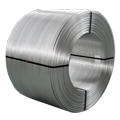
Aluminum 1350 is typically shipped in coils, with the size and weight of the coils agreed upon between the manufacturer and the purchaser. The coils must be properly wrapped for shipment to avoid damage. The material must be tagged with relevant details such as the manufacturer’s name, size, aluminum number, and temper of the material.
Common Applications of Aluminum 1350
Aluminum 1350 is primarily used in electrical applications where high conductivity and mechanical strength are needed. Some common uses include:
- Overhead power transmission lines
- Electrical wiring and cables
- Wind turbine wiring
- Transformers and other electrical equipment
Its combination of strength, conductivity, and resistance to corrosion makes it a popular choice for both residential and industrial electrical systems.
Conclusion
ASTM Standard 233B ensures that aluminum 1350 meets the necessary requirements for high-quality electrical conductors. By adhering to its strict chemical, mechanical, and electrical properties, manufacturers can produce aluminum wires and rods that are reliable, durable, and efficient for use in electrical applications.
Sources
- ASTM B 233-97, Standard Specification for Aluminum 1350 Drawing Stock for Electrical Purposes
- American National Standards Institute (ANSI) H35.1 Alloy and Temper Designation Systems for Aluminum
- National Bureau of Standards Handbook 100, Copper Wire Tables

No comment