




Table of Contents
- Introduction
- Understanding Aluminum Tray Safety
- Reheating in Conventional Ovens
- Reheating in Toaster Ovens
- Reheating on the Grill
- Reheating with Steam
- Methods to Avoid (Microwave Safety)
- Real-World Case Studies
- Data Tables and Performance Metrics
- Conclusion: Smart, Safe Reheating
- References
- Meta Information
Introduction
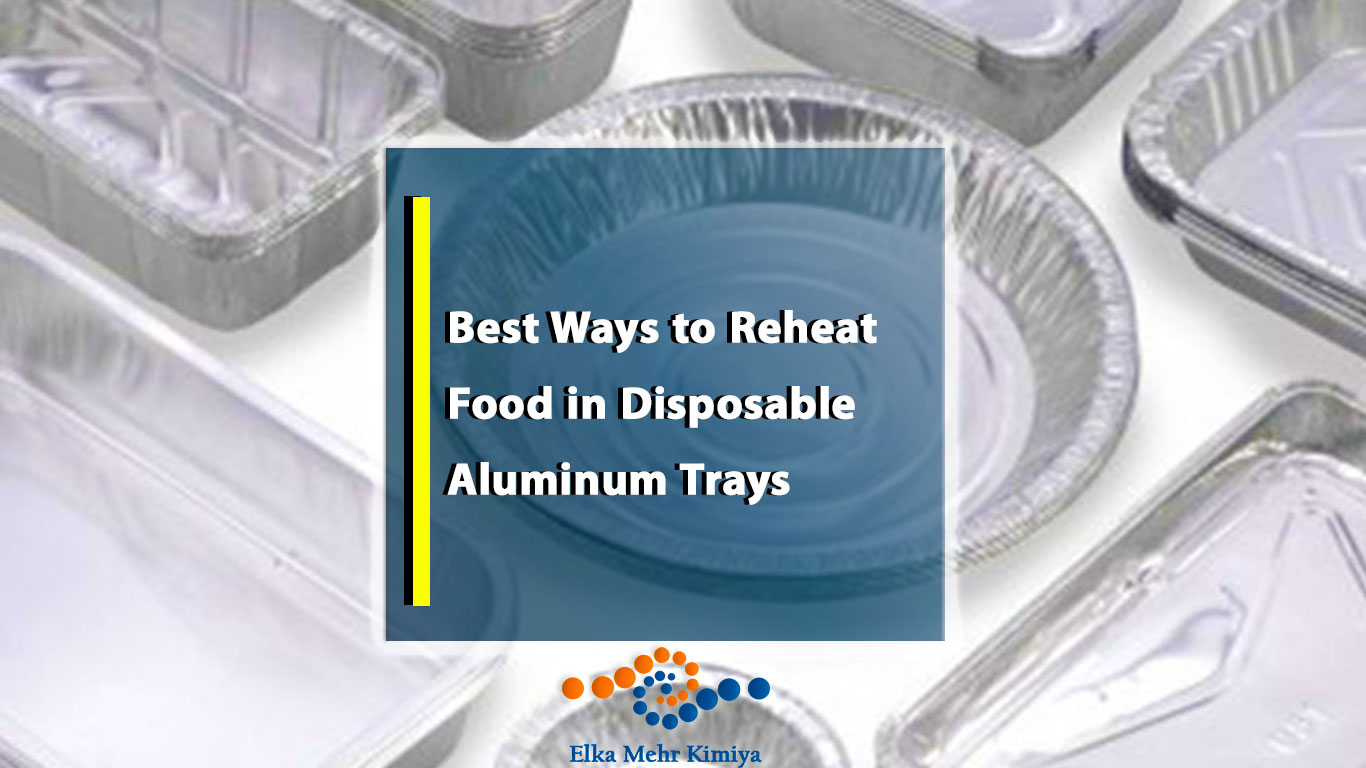
Disposable aluminum trays have become a kitchen staple in both home and commercial food settings. Their lightweight nature, excellent thermal conductivity, and disposability make them ideal for storing, cooking, and reheating meals. However, the reheating process can present challenges and risks if not done correctly. This guide explores the safest and most effective ways to reheat food in aluminum trays without compromising taste, texture, or safety.
Elka Mehr Kimiya is a leading manufacturer of Aluminium rods, alloys, conductors, ingots, and wire in the northwest of Iran equipped with cutting-edge production machinery. Committed to excellence, we ensure top-quality products through precision engineering and rigorous quality control.
2. Understanding Aluminum Tray Safety
2.1 Thermal Properties of Aluminum
Aluminum conducts heat rapidly, which ensures even reheating. However, its thinness can also make food overheat or scorch if not monitored. The material can withstand high oven temperatures (up to 600°F/315°C), making it ideal for conventional ovens and grills.
2.2 Food Contact Safety
Food-grade disposable aluminum trays are coated or treated to prevent metal leaching. According to FDA and EFSA standards, these trays are safe for food contact and heating under controlled conditions¹².
3. Reheating in Conventional Ovens
3.1 Best Practices
- Preheat the oven to 300–350°F (150–175°C).
- Keep aluminum tray uncovered for dry heat or tent with foil to retain moisture.
- Place tray on a baking sheet for stability.
- Reheat for 20–40 minutes, depending on food thickness.
3.2 When to Use
Ideal for casseroles, lasagnas, meats, and large servings. Ensures even internal temperature.
4. Reheating in Toaster Ovens
4.1 Limitations and Guidance
Toaster ovens work well for small portions. Use the baking tray and avoid direct contact with heating elements. Keep temperature below 400°F to prevent warping.
4.2 Suitable Foods
Reheat single-serve meals, small pies, or leftovers.
5. Reheating on the Grill
5.1 Outdoor Versatility
Grills offer high heat and smoky flavor. Place tray on indirect heat side. Close lid to create oven-like conditions.
5.2 Temperature Management
Avoid flare-ups. Monitor internal food temp using a thermometer. Reheat over medium heat for 10–20 minutes.
6. Reheating with Steam
6.1 Steam Oven and Bain-Marie Methods
Steam gently reheats without drying out food. Place tray over simmering water or use a steam oven. Cover tightly with foil to trap moisture.
6.2 Food Types
Ideal for rice dishes, dumplings, pasta, or moisture-sensitive meals.
7. Methods to Avoid (Microwave Safety)
7.1 Microwave Incompatibility
Aluminum reflects microwave radiation, which can cause sparks and fires. Avoid placing aluminum trays directly in a microwave unless they are microwave-safe certified.
7.2 Safer Alternatives
Transfer food to microwave-safe glass or ceramic containers when microwaving is the only option.
8. Real-World Case Studies
Case Study 1: Catering Business
A catering service in Spain switched from plastic to aluminum trays for large-scale reheating. They observed a 25% drop in reheating times and improved food texture.
Case Study 2: Home Meal Delivery
A US-based meal kit company uses oven-safe aluminum trays to ensure consistent customer experience. Their customer support reports 30% fewer complaints related to soggy or unevenly heated food.
9. Data Tables and Performance Metrics
Table 1: Reheating Time by Method and Food Type
| Method | Food Type | Avg. Time (min) | Temperature (°F) |
|---|---|---|---|
| Oven | Lasagna | 35 | 350 |
| Grill | Chicken Wings | 20 | Medium Heat |
| Toaster Oven | Pie Slice | 15 | 375 |
| Steam | Rice Dish | 18 | 212 (Steam) |
Table 2: Risk of Overheating by Method
| Method | Risk Level | Mitigation Tip |
| Oven | Moderate | Use foil tent and temperature control |
| Grill | High | Keep food away from direct flames |
| Steam | Low | Steam preserves moisture |
| Toaster Oven | Medium | Monitor closely; avoid top rack |
Table 3: Recommended Container Positioning
| Method | Tray Position | Benefit |
| Oven | Middle rack on baking sheet | Even heat distribution |
| Grill | Indirect zone, lid closed | Mimics oven environment |
| Steam | On rack above boiling water | Prevents water contamination |
10. Conclusion: Smart, Safe Reheating
Reheating food in disposable aluminum trays can be safe, efficient, and effective when approached with awareness. Traditional ovens, grills, toaster ovens, and steam setups each offer distinct advantages. However, it is essential to avoid using aluminum trays in microwaves unless specifically labeled safe. With practical steps and knowledge of heating behaviors, aluminum trays can provide both convenience and performance without compromising food quality.
References
- U.S. Food & Drug Administration. (2023). Aluminum in food contact applications. https://www.fda.gov
- European Food Safety Authority. (2022). Scientific Opinion on the safety of aluminum for food use. https://www.efsa.europa.eu
- CaterSource. (2023). Case studies in foodservice reheating. https://www.catersource.com
- Consumer Reports. (2023). Safe cookware guide. https://www.consumerreports.org




No comment