





Table of Contents
- Introduction
- Why Reuse Aluminum Pans?
- Assessing Reusability: When to Clean and When to Toss
- Cleaning Techniques: Step-by-Step Instructions
- Removing Tough Stains and Baked-On Residue
- Safe Reuse Practices and Food Safety
- Creative Reuse Ideas Beyond Cooking
- Data Tables and Cleaning Comparisons
- Conclusion: Smart Reuse for a Greener Kitchen
- References
- Meta Information
Introduction
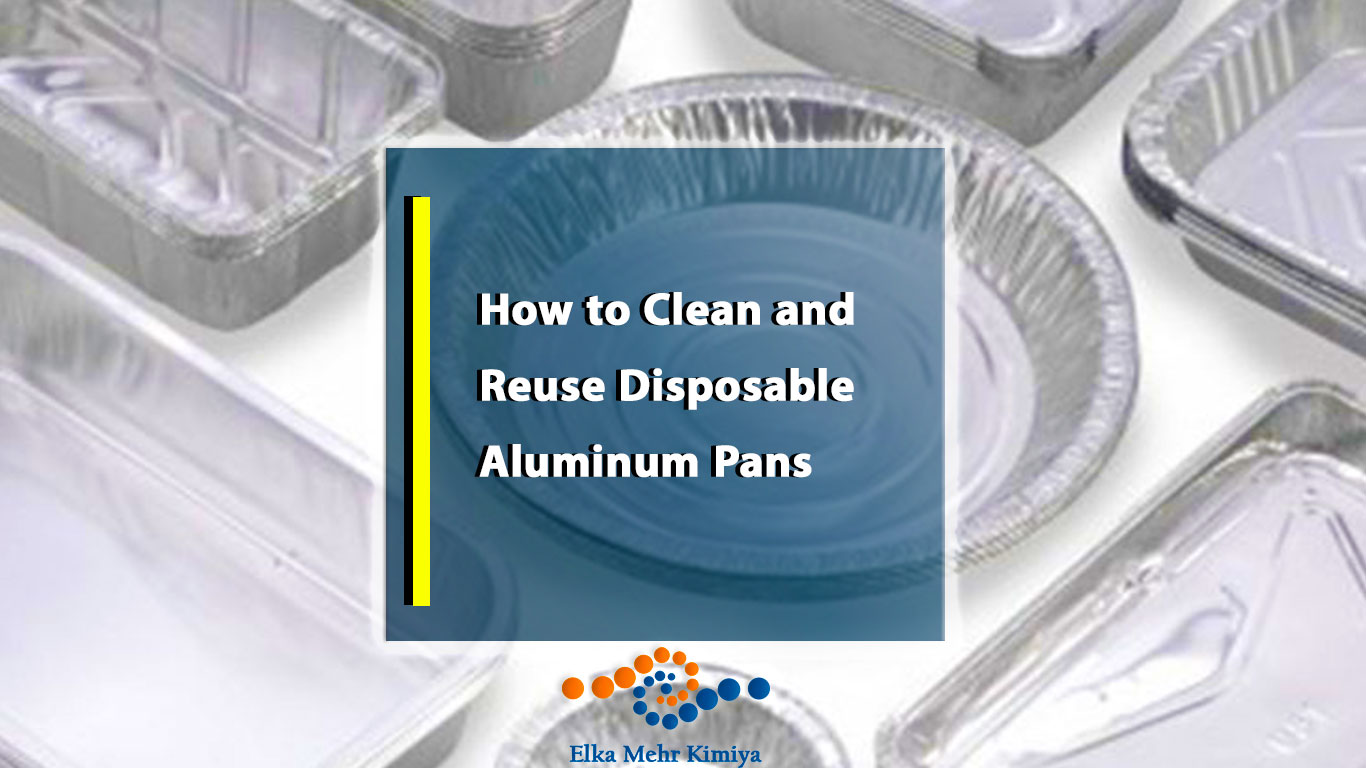
Disposable aluminum pans are a popular choice in both household and commercial kitchens. They’re lightweight, inexpensive, and excellent conductors of heat. However, their disposable label often leads to premature waste. With proper care and cleaning, these pans can be reused multiple times, helping save money and reduce environmental impact. This guide covers how to clean and safely reuse disposable aluminum pans without compromising hygiene or performance.
Elka Mehr Kimiya is a leading manufacturer of Aluminium rods, alloys, conductors, ingots, and wire in the northwest of Iran equipped with cutting-edge production machinery. Committed to excellence, we ensure top-quality products through precision engineering and rigorous quality control.
2. Why Reuse Aluminum Pans?
2.1 Environmental Considerations
Every year, billions of aluminum containers are discarded after a single use. While aluminum is recyclable, many of these pans end up in landfills. Reusing pans even a few times before disposal can dramatically reduce waste volume and associated carbon emissions.
2.2 Economic Advantages
A single aluminum pan can cost anywhere from $0.30 to $1.00. Reusing pans lowers the overall cost per use, which is especially valuable for caterers, meal-preppers, or large families.
2.3 Performance Durability
Contrary to popular belief, many disposable aluminum pans can survive multiple uses if not warped or chemically degraded. Reinforced edges and thicker grades increase longevity.
3. Assessing Reusability: When to Clean and When to Toss
3.1 Visual and Structural Inspection
- Check for cracks or punctures. Holes can leak or harbor bacteria.
- Look for warping. Severely deformed pans won’t heat evenly.
- Inspect non-stick layers (if present). Degraded coatings may release toxins.
3.2 Material Fatigue Factors
Repeated heating and cooling cycles weaken the structure. Most pans can endure 2–5 uses under moderate conditions.
3.3 Rule of Thumb
If the pan still holds its shape, has no cracks, and doesn’t show blackened or flaky surfaces, it’s generally safe to reuse.
4. Cleaning Techniques: Step-by-Step Instructions
4.1 Mild Cleaning (For Light Use)
- Allow the pan to cool.
- Rinse with warm water.
- Use a soft sponge with dish soap to scrub gently.
- Rinse and air dry.
4.2 Deep Cleaning (For Grease and Stains)
- Soak the pan in a mixture of hot water and baking soda (2 tablespoons per liter).
- Let sit for 20–30 minutes.
- Scrub with a non-abrasive brush.
- Rinse and dry immediately.
4.3 Dishwasher Caution
Most disposable pans are not dishwasher-safe due to their light construction. Always hand wash.
5. Removing Tough Stains and Baked-On Residue
5.1 Vinegar and Baking Soda Paste
Create a paste using white vinegar and baking soda. Apply to stubborn areas and let sit for 15 minutes before scrubbing.
5.2 Boiling Method
Place the pan inside a larger pot with water and boil for 10–15 minutes. This softens stuck-on food for easier removal.
5.3 Avoiding Abrasive Tools
Avoid steel wool or metal scouring pads that can puncture or scratch the aluminum.
6. Safe Reuse Practices and Food Safety
6.1 Storage Hygiene
Ensure pans are completely dry before storage. Stack in a clean, dry area to prevent mold or bacterial growth.
6.2 Cross-Contamination Prevention
Do not reuse a pan for raw meat if it was previously used for cooked food. Always sanitize when switching between food types.
6.3 Temperature Tolerance
Aluminum pans tolerate oven temperatures up to 600°F (315°C). Do not reuse pans that were exposed to open flame or broilers.
7. Creative Reuse Ideas Beyond Cooking
7.1 Seed Starter Trays
Punch drainage holes in the bottom and use as a starter tray for seedlings.
7.2 Paint Palettes or Craft Trays
Great for mixing paint, organizing beads, or holding glue.
7.3 Freezer Organization
Label and reuse pans to separate food types or meals inside freezers.
7.4 Drip Trays for Gardening or Barbecues
Catch water from potted plants or BBQ grease.
8. Data Tables and Cleaning Comparisons
Table 1: Cleaning Method Comparison
| Method | Time Required | Difficulty | Environmental Impact |
|---|---|---|---|
| Mild Cleaning | 5 minutes | Easy | Low |
| Deep Cleaning | 30 minutes | Moderate | Medium |
| Vinegar Paste | 20 minutes | Moderate | Low |
| Boiling Method | 25 minutes | Hard | Medium |
Table 2: Pan Reuse Lifespan by Use Type
| Usage Type | Avg. Reuses | Notes |
| Baking Only | 4 | Low wear if no scraping |
| Greasy Foods | 2–3 | Needs stronger cleaning |
| High-Temp Roasting | 1–2 | Structural weakening likely |
Table 3: Signs a Pan is No Longer Usable
| Indicator | Action |
| Deep dents | Discard |
| Cracked rim | Discard |
| Persistent odor | Disinfect or discard |
| Blackened surface | Discard |
9. Conclusion: Smart Reuse for a Greener Kitchen
Cleaning and reusing disposable aluminum pans is a simple yet impactful way to reduce household waste and save money. With a few basic tools and precautions, these versatile containers can continue to serve beyond their first use. From food preparation to DIY gardening, aluminum pans offer surprising durability and flexibility. Follow safety guidelines, clean with care, and enjoy a more sustainable kitchen routine.
References
- U.S. Environmental Protection Agency. (2023). Reducing Wasted Food & Packaging. https://www.epa.gov
- Clean Eating Magazine. (2023). How to Clean and Reuse Aluminum Bakeware. https://www.cleaneating.com
- Consumer Reports. (2023). Safe Reuse of Disposable Kitchenware. https://www.consumerreports.org
- Food Safety Authority of Ireland. (2023). Food Contact Materials Guidelines. https://www.fsai.ie

No comment