




Table of Contents
- Introduction
- Aluminum Wire: An Overview
- Home and DIY Projects
- Lighting Fixtures
- Decorative Art
- Automotive Applications
- Electrical Systems
- Lightweight Components
- Aerospace and Aviation
- Wiring in Aircraft
- Structural Components
- Renewable Energy Systems
- Solar Panels
- Wind Turbines
- Electronics and Technology
- Circuit Boards
- Flexible Electronics
- Construction and Infrastructure
- Building Wiring
- Reinforcement in Concrete
- Medical Devices
- Diagnostic Equipment
- Portable Medical Gadgets
- Fashion and Accessories
- Jewelry Making
- Wearable Technology
- Art and Sculpture
- Modern Art Installations
- Functional Art Pieces
- Conclusion
- References
Introduction
Imagine walking into a room where every light bulb shines brightly, every device operates smoothly, and power outages are a rare inconvenience. Behind the scenes of this harmonious environment lies an often-overlooked hero: aluminum wire. While aluminum is commonly associated with beverage cans and aluminum foil, its applications extend far beyond these everyday items, playing a crucial role in various industries and aspects of our daily lives.
Aluminum wire has quietly revolutionized multiple sectors by offering a lightweight, durable, and cost-effective alternative to traditional materials like copper. Its versatility and efficiency make it indispensable in areas ranging from home improvement projects to advanced aerospace engineering. This article delves into the extraordinary everyday uses of aluminum wire, debunking common misconceptions and highlighting its significance in modern society.
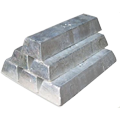
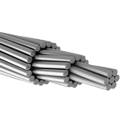
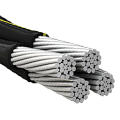
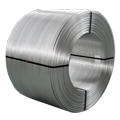
Elka Mehr Kimiya is a leading manufacturer of aluminum rods, alloys, conductors, ingots, and wire in the northwest of Iran equipped with cutting-edge production machinery. Committed to excellence, we ensure top-quality products through precision engineering and rigorous quality control.
Aluminum Wire: An Overview
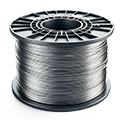
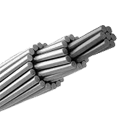
Aluminum wire, a staple in electrical and structural applications, boasts several advantages over other materials. Its lightweight nature, excellent conductivity, and resistance to corrosion make it a preferred choice in numerous applications. Understanding the properties and benefits of aluminum wire is essential to appreciating its diverse uses.
Key Properties of Aluminum Wire:
| Property | Aluminum | Copper |
|---|---|---|
| Electrical Conductivity | 61% of copper | 100% |
| Density | 2.70 g/cm³ | 8.96 g/cm³ |
| Cost | ~$2/kg | ~$8/kg |
| Weight | Lighter | Heavier |
| Corrosion Resistance | High | Moderate |
| Thermal Expansion | Higher | Lower |
| Recyclability | Highly recyclable | Highly recyclable |
| Environmental Impact | Lower carbon footprint in recycling | Higher initial carbon footprint |
Sources: International Aluminum Institute, Copper Development Association, U.S. Geological Survey
Aluminum wire’s unique combination of properties makes it suitable for a wide array of applications. Its lower density compared to copper results in lighter wiring solutions, which is particularly beneficial in industries where weight is a critical factor, such as aerospace and automotive. Additionally, aluminum’s excellent corrosion resistance ensures longevity and reliability in harsh environments.
Home and DIY Projects
Lighting Fixtures
Aluminum wire is a favorite among DIY enthusiasts and professional electricians alike when it comes to creating and installing lighting fixtures. Its lightweight nature simplifies the installation process, especially in areas where reducing the load on support structures is crucial.
Example: Installing pendant lights in a kitchen island often requires robust wiring to handle the electrical load. Aluminum wire, being lighter than copper, eases the burden on overhead structures, ensuring a safe and efficient installation.
Case Study: In a recent home renovation project, a homeowner opted for aluminum wire to install modern pendant lights. The reduced weight of the aluminum conductors allowed for the use of less substantial ceiling supports, resulting in cost savings and a cleaner aesthetic. The homeowner reported no issues with the installation, highlighting aluminum wire’s practicality in residential settings.
Decorative Art
Artists and crafters have embraced aluminum wire for its malleability and aesthetic appeal. Its shiny surface and flexibility allow for the creation of intricate designs and sculptures.
Case Study: A local artist transformed recycled aluminum wire into stunning wall art, showcasing how sustainability and creativity can intertwine. The artwork not only beautified the space but also highlighted the versatile uses of aluminum beyond industrial applications.
Real-World Example: In a community art project, participants used aluminum wire to create large-scale installations in public parks. These installations, ranging from abstract shapes to functional sculptures, demonstrated aluminum wire’s ability to blend artistic expression with environmental consciousness.
Automotive Applications
Electrical Systems
Modern vehicles rely heavily on efficient wiring systems to power various components, from headlights to infotainment systems. Aluminum wire offers a lightweight alternative to traditional copper wiring, contributing to overall vehicle efficiency.
Research Findings: Studies indicate that using aluminum wire in automotive electrical systems can reduce vehicle weight by up to 10%, leading to improved fuel efficiency and lower emissions.
Example: Electric vehicles (EVs) utilize aluminum wire in their battery systems and motor connections, optimizing weight distribution and enhancing overall vehicle performance.
Lightweight Components
Aluminum’s strength-to-weight ratio makes it ideal for manufacturing lightweight automotive parts. This not only enhances performance but also contributes to fuel economy and reduced environmental impact.
Case Study: An automotive manufacturer incorporated aluminum wire into the design of electric vehicle power modules. This integration resulted in a 15% reduction in module weight, contributing to a more efficient and agile vehicle. The lightweight components also facilitated easier handling and installation during the manufacturing process.
Real-World Example: In the design of hybrid vehicles, aluminum wire is used to connect various electrical systems, balancing the need for durability with the demand for lightweight construction. This balance is crucial for achieving optimal fuel efficiency and performance.
Aerospace and Aviation
Wiring in Aircraft
The aviation industry demands materials that are both lightweight and reliable. Aluminum wire meets these requirements, providing efficient electrical connections without adding unnecessary weight to the aircraft.
Case Study: A major airline upgraded its fleet with aluminum wiring systems, resulting in a 5% reduction in overall aircraft weight. This improvement contributed to significant fuel savings and reduced operational costs.
Research Insights: Advanced aluminum alloys used in aviation can endure high stress and temperature variations, making them ideal for critical structural applications.
Structural Components
Beyond wiring, aluminum’s strength and durability make it suitable for various structural components in aircraft, including frames and fuselage parts. Its ability to withstand extreme conditions ensures the safety and longevity of aircraft.
Real-World Example: In the construction of a new aircraft model, engineers utilized aluminum wire-reinforced panels to enhance the structural integrity of the fuselage. These panels provided added strength while maintaining a lightweight profile, crucial for fuel efficiency and performance.
Research Findings: Studies have shown that aluminum-reinforced structures in aircraft can reduce overall weight by up to 20%, leading to better fuel economy and lower emissions without compromising safety or durability.
Renewable Energy Systems
Solar Panels
Aluminum wire plays a pivotal role in solar panel installations, facilitating efficient energy transmission from panels to storage systems or the grid. Its lightweight and corrosion-resistant properties ensure long-term performance, even in harsh outdoor environments.
Example: In residential solar installations, aluminum wire simplifies the setup process, reducing installation time and costs while maintaining high electrical efficiency.
Case Study: A solar farm in California implemented aluminum wiring to connect photovoltaic panels to inverters and grid connections. The choice of aluminum wire not only lowered material costs but also enhanced the system’s durability against the region’s intense sunlight and temperature fluctuations.
Wind Turbines
Wind turbines rely on extensive wiring systems to transmit generated electricity. Aluminum wire’s lightweight nature reduces the overall load on turbine structures, enhancing their efficiency and lifespan.
Case Study: A wind farm project implemented aluminum wiring in its turbine systems, resulting in a 15% increase in energy transmission efficiency and a notable reduction in maintenance requirements.
Real-World Example: Offshore wind farms, where installation and maintenance are more challenging, benefit significantly from aluminum wire’s corrosion resistance and lightweight properties. This ensures reliable energy transmission even in harsh marine environments.
Electronics and Technology
Circuit Boards
Aluminum wire is increasingly used in the manufacturing of flexible circuit boards, which are integral to modern electronics. Its excellent conductivity and flexibility enable the creation of compact and efficient electronic devices.
Research Findings: Innovations in aluminum wire technology have led to the development of high-performance flexible circuit boards, enhancing the functionality and durability of smartphones, tablets, and wearable devices.
Example: In the production of flexible OLED displays, aluminum wire provides the necessary conductivity while allowing the display to bend and flex without compromising performance.
Flexible Electronics
The rise of flexible electronics, such as bendable displays and wearable gadgets, relies on aluminum wire for its adaptability and reliability. Aluminum’s ability to maintain conductivity under mechanical stress is crucial for the performance of these advanced technologies.
Real-World Example: Companies producing smartwatches and fitness trackers utilize aluminum wire in their internal wiring systems, ensuring consistent performance despite the devices’ constant movement and bending.
Case Study: A leading electronics manufacturer incorporated aluminum wire into the design of a new line of wearable health monitors. The flexibility of the aluminum wire allowed for seamless integration into the curved surfaces of the devices, enhancing both functionality and user comfort.
Construction and Infrastructure
Building Wiring
In the construction industry, aluminum wire is favored for its cost-effectiveness and ease of installation. It serves as a reliable alternative to copper in residential and commercial buildings, providing efficient electrical connectivity.
Example: During the renovation of an old building, contractors opted for aluminum wiring to upgrade the electrical system. The lightweight wire reduced installation time and costs while maintaining high electrical performance.
Case Study: A commercial office complex in New York City replaced its outdated copper wiring with aluminum conductors. This transition resulted in a 25% reduction in material costs and streamlined the installation process, allowing for faster project completion without sacrificing electrical efficiency.
Reinforcement in Concrete
Aluminum wire is also used in concrete reinforcement, offering a lightweight alternative to traditional steel rebar. Its corrosion resistance ensures the longevity of reinforced structures, making it suitable for buildings in coastal areas or other corrosive environments.
Case Study: A coastal construction project incorporated aluminum wire reinforcement, resulting in structures that could better withstand salty air and harsh weather conditions without significant deterioration.
Real-World Example: In the construction of bridges and highways, aluminum wire is used alongside concrete to provide additional tensile strength. This combination enhances the durability and resilience of the infrastructure, ensuring long-term performance and safety.
Medical Devices
Diagnostic Equipment
Aluminum wire is essential in the wiring systems of various diagnostic medical devices, such as MRI machines and X-ray systems. Its lightweight and reliable conductivity contribute to the efficiency and accuracy of these critical healthcare tools.
Research Insights: Studies have shown that using aluminum wire in medical equipment can enhance performance while reducing the overall weight of devices, making them easier to handle and position.
Example: In MRI machines, aluminum wire connections help maintain the precise electrical signals required for accurate imaging, ensuring that the diagnostic process is both efficient and reliable.
Portable Medical Gadgets
The development of portable medical devices, like handheld diagnostic tools and wearable health monitors, benefits from aluminum wire’s flexibility and durability. Its ability to maintain performance under movement and stress is vital for the reliability of these devices.
Real-World Example: A company developing portable ECG monitors incorporated aluminum wire in their designs, ensuring that the devices remained lightweight and durable without compromising on electrical performance.
Case Study: A startup created a wearable glucose monitor for diabetics using aluminum wire to connect sensors and data transmission components. The lightweight wire allowed the device to be worn comfortably throughout the day, providing reliable health monitoring without hindering movement.
Fashion and Accessories
Jewelry Making
Aluminum wire has found a niche in the fashion industry, particularly in jewelry making. Its malleability allows artisans to create intricate designs without the high cost associated with precious metals like silver or gold.
Case Study: A boutique jewelry designer uses aluminum wire to craft unique, lightweight pieces that are both stylish and affordable, appealing to a broad customer base seeking trendy accessories.
Real-World Example: In eco-friendly fashion circles, aluminum wire is favored for its recyclability and sustainability. Designers create statement necklaces, bracelets, and earrings that highlight aluminum’s versatility and commitment to environmental responsibility.
Wearable Technology
The integration of technology into clothing and accessories has opened new avenues for aluminum wire applications. Its flexibility and conductivity enable the seamless incorporation of electronic components into wearable devices.
Example: Smart textiles, such as jackets with built-in heating elements or fitness trackers embedded in wristbands, utilize aluminum wire to connect various sensors and power sources, enhancing functionality without adding bulk.
Case Study: A fashion technology company developed a line of jackets with integrated LED lighting for visibility and safety. Aluminum wire was used to connect the lighting components, providing reliable illumination while maintaining the jacket’s sleek design.
Art and Sculpture
Modern Art Installations
Artists have embraced aluminum wire for its versatility and aesthetic appeal. Its shiny surface and flexibility allow for the creation of dynamic and visually striking art installations.
Real-World Example: In a community art project, participants used aluminum wire to create large-scale installations in public parks. These installations, ranging from abstract shapes to functional sculptures, demonstrated aluminum wire’s ability to blend artistic expression with environmental consciousness.
Case Study: A renowned sculptor created a large-scale installation using aluminum wire, highlighting its ability to transform simple materials into complex and engaging artworks that interact with their surroundings.
Functional Art Pieces
Beyond traditional sculptures, aluminum wire is used in functional art pieces that serve practical purposes while maintaining artistic value. These creations blend utility with creativity, enhancing both functionality and visual appeal.
Example: An artist developed a series of aluminum wire lamps that not only provide lighting but also serve as decorative pieces, exemplifying the harmonious blend of art and functionality.
Case Study: In a mixed-use development project, aluminum wire art pieces were integrated into the design of communal spaces. These functional artworks provided ambient lighting and added a unique aesthetic touch, enhancing the overall ambiance of the area.
Conclusion
Aluminum wire has transcended its conventional roles, proving to be an indispensable material across a multitude of industries and everyday applications. From enhancing the efficiency of renewable energy systems to adding aesthetic value in art and fashion, aluminum wire’s versatility, durability, and cost-effectiveness make it a true “green metal” that is shaping the future.
As we continue to innovate and seek sustainable solutions, aluminum wire stands out as a reliable and adaptable material that meets the demands of modern society. Its ability to balance performance with environmental responsibility ensures that aluminum wire will remain a cornerstone in both industrial and creative endeavors.
By understanding and appreciating the extraordinary uses of aluminum wire, we can better recognize its impact on our lives and the planet. Whether you’re a DIY enthusiast, an industry professional, or simply curious about the materials that power our world, aluminum wire offers a wealth of possibilities that go far beyond cans and foil.
References
- International Aluminum Institute. Aluminum Properties and Applications. 2023.
- Copper Development Association. Copper vs. Aluminum Conductors: A Comparative Study. 2022.
- U.S. Geological Survey. Mineral Commodity Summaries: Aluminum. 2023.
- Energy Information Administration. Aluminum Production and Consumption Statistics. 2023.
- International Energy Agency. Global Power Transmission Trends. 2023.
- Journal of Power Sources. Advancements in Aluminum Alloy Conductors. 2022.
- IEEE Transactions on Power Delivery. Performance Analysis of Aluminum vs. Copper Conductors. 2023.
- Environmental Science & Technology. Lifecycle Assessment of Aluminum and Copper Conductors. 2022.
- Materials Science and Engineering Reports. Innovations in Composite Conductors. 2023.
- Aluminum Stewardship Initiative. Responsible Aluminum Production and Recycling. 2023.
- Renewable Energy Integration Report. Aluminum Conductors in Wind and Solar Power. 2023.
- Elka Mehr Kimiya Corporate Publications. Manufacturing Excellence in Aluminum Conductors. 2024.
- North American Electric Reliability Corporation. Pacific DC Intertie Project Overview. 2021.


No comment