








Table of Contents
- Introduction
- Understanding Recyclability
- Aluminum Recycling
- Comparing with Steel
- Comparing with Plastic
- Comparing with Composites
- Quantitative Insights and Data Analysis
- Tables and Comparative Data
- Challenges and Opportunities in Recycling
- Future Trends in Material Recycling
- Conclusion
- Sources
- Meta Information
Introduction
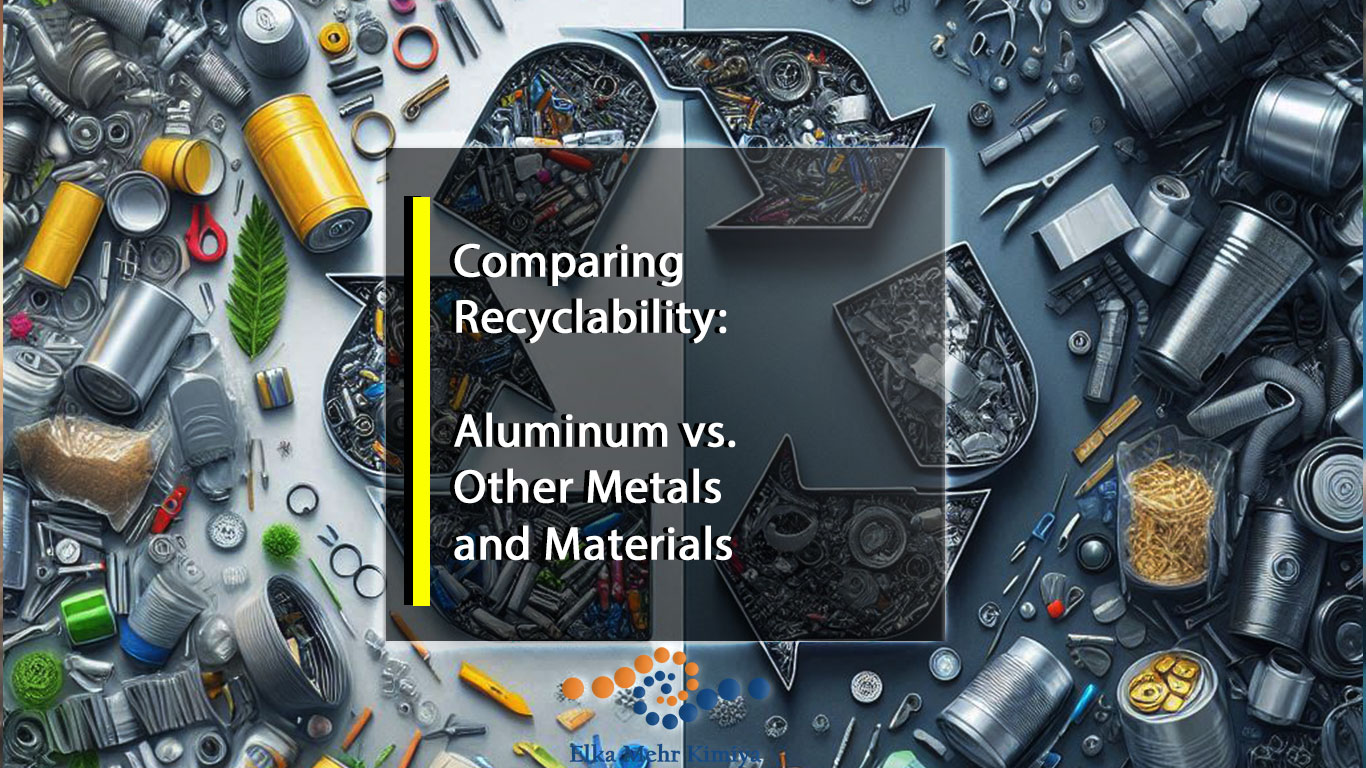
In an era where sustainability and environmental stewardship are paramount, the recyclability of materials has become a critical factor in material selection for industries and consumers alike. Aluminum, steel, plastic, and composite materials each have unique properties and recycling profiles that influence their environmental impact. Understanding these differences is essential for making informed decisions that balance functionality, cost, and ecological responsibility.
This comprehensive analysis delves into the recyclability of aluminum, comparing its lifecycle and eco-impact against other prominent materials: steel, plastic, and composites. By examining detailed data, real-world examples, and case studies, we aim to provide a nuanced perspective on how each material fares in the quest for sustainability.
Elka Mehr Kimiya is a leading manufacturer of aluminum rods, alloys, conductors, ingots, and wire in the northwest of Iran equipped with cutting-edge production machinery. Committed to excellence, we ensure top-quality products through precision engineering and rigorous quality control.
Understanding Recyclability
Recyclability refers to the ability of a material to be reprocessed and reused in its original form or transformed into new products after its initial use. The recyclability of a material is influenced by various factors, including:
- Ease of Collection: Efficient collection systems and infrastructure are crucial for high recyclability rates. Materials that are widely used and easily accessible tend to have better collection mechanisms.
- Complexity of the Recycling Process: Some materials require more complex processes to be recycled effectively. For instance, composites, which combine multiple materials, pose significant challenges compared to single-material products like pure aluminum or steel.
- Energy Requirements: The amount of energy needed to recycle a material directly impacts its environmental footprint. Materials that require less energy for recycling are generally more eco-friendly.
- Purity of the Recycled Material: High purity levels in recycled materials ensure that the recycled product meets quality standards comparable to virgin materials, thereby increasing their demand and usage.
High recyclability not only conserves natural resources but also reduces environmental pollution and greenhouse gas emissions. Furthermore, it minimizes landfill waste, contributing to more sustainable waste management practices. The economic benefits are also significant, as recycling can reduce costs associated with raw material extraction and processing.
Aluminum Recycling
Lifecycle of Aluminum
Aluminum is renowned for its exceptional recyclability, a property that makes it a cornerstone in sustainable material management. The lifecycle of aluminum begins with the extraction of bauxite ore, which is the primary source of aluminum. Bauxite mining involves the removal of overburden and processing of the ore to produce alumina (aluminum oxide) through the Bayer process. This alumina is then smelted in a process called the Hall-Héroult process to produce primary aluminum.
The recycling process for aluminum involves several stages:
- Collection and Sorting: Aluminum scrap is collected from various sources, including beverage cans, automotive parts, construction materials, and consumer electronics. Effective sorting is essential to remove contaminants and separate aluminum from other materials.
- Processing: The sorted aluminum scrap is cleaned to eliminate impurities such as paint, plastic, or other metals. This cleaning process ensures the quality of the recycled aluminum.
- Melting: Recycled aluminum is melted in furnaces at a significantly lower temperature compared to primary aluminum production. This process typically requires only about 5% of the energy needed to produce primary aluminum from ore.
- Purification and Alloying: The molten aluminum is purified and alloyed with other elements to achieve desired properties for specific applications.
- Casting and Manufacturing: The purified aluminum is cast into ingots, billets, or other forms, which are then used to manufacture new products.
A key advantage of aluminum recycling is that it can be performed indefinitely without degrading the material’s properties. This infinite recyclability makes aluminum a highly sustainable material choice for various industries.
Eco-Impact of Aluminum
The environmental benefits of recycling aluminum are substantial and multifaceted. Recycling aluminum dramatically reduces greenhouse gas emissions, conserves natural resources, and minimizes landfill waste. According to the Aluminum Association, recycling one ton of aluminum saves approximately:
- 14,000 kWh of energy
- 140 barrels of oil
- 10 cubic yards of landfill space
These savings are pivotal in mitigating climate change and reducing the overall environmental footprint of aluminum products. Additionally, aluminum recycling reduces the need for bauxite mining, which can lead to habitat destruction, soil erosion, and water contamination.
From an ecological perspective, aluminum’s recyclability also translates to lower carbon dioxide (CO2) emissions. The production of primary aluminum is energy-intensive, resulting in significant CO2 emissions. By contrast, recycling aluminum generates only about 5% of the emissions associated with primary production. This stark difference underscores the importance of aluminum recycling in global efforts to reduce carbon footprints and combat climate change.
Case Studies in Aluminum Recycling
1. Beverage Can Industry: The beverage can industry is one of the most prominent examples of effective aluminum recycling. Aluminum cans are lightweight, easily recyclable, and have a high value in the recycling market. In many countries, recycling rates for aluminum cans exceed 70%, thanks to well-established collection systems and consumer awareness campaigns. Companies like Coca-Cola and PepsiCo have implemented closed-loop recycling systems, ensuring that aluminum from used cans is efficiently reused in new products. This approach not only reduces environmental impact but also enhances the sustainability profile of these companies.
2. Automotive Sector: The automotive industry extensively uses aluminum in vehicle components to reduce weight and improve fuel efficiency. Manufacturers such as Ford and General Motors have integrated aluminum recycling into their production processes. End-of-life vehicles are dismantled, and aluminum parts are recovered and recycled to produce new automotive components. This practice not only conserves resources but also aligns with the industry’s sustainability goals.
3. Construction Industry: In construction, aluminum is used in window frames, roofing, and other structural components. The construction industry benefits from aluminum recycling by reducing the demand for primary aluminum and minimizing construction waste. Recycled aluminum can be seamlessly integrated into new building projects, supporting sustainable construction practices.
4. Electronics and Consumer Goods: The electronics sector, including the production of laptops, smartphones, and household appliances, relies heavily on aluminum for its lightweight and durable properties. Recycling aluminum from electronic waste (e-waste) is crucial in reducing the environmental impact of electronic products. Companies like Apple have launched recycling programs to recover aluminum from used devices, promoting a circular economy in the electronics industry.
5. Packaging Industry: Beyond beverage cans, the packaging industry uses aluminum for food containers, foil, and packaging materials. Aluminum packaging is highly recyclable, and many packaging materials are designed to be easily separated and processed. This design facilitates efficient recycling and reduces the overall environmental footprint of packaging products.
These case studies illustrate the versatility and effectiveness of aluminum recycling across various industries. By adopting robust recycling practices, these sectors contribute significantly to sustainability and environmental conservation.
Comparing with Steel
Lifecycle and Recycling Processes
Steel, like aluminum, is a highly recyclable material that plays a crucial role in numerous industries, including construction, automotive, and manufacturing. The lifecycle of steel begins with the extraction of iron ore, which is then processed in blast furnaces to produce pig iron. This pig iron is further refined to produce steel through the basic oxygen process or electric arc furnaces.
The recycling process for steel involves the following stages:
- Collection and Sorting: Steel scrap is collected from sources such as demolished buildings, old vehicles, appliances, and industrial scrap. Effective sorting is essential to separate steel from other materials and contaminants.
- Processing: The collected steel scrap is cleaned to remove impurities like paint, coatings, and non-ferrous metals. This step ensures the quality of the recycled steel.
- Melting: The cleaned steel scrap is melted in electric arc furnaces (EAF) or basic oxygen furnaces (BOF). EAFs, which predominantly use recycled steel scrap, are more energy-efficient compared to BOFs that rely on both scrap and raw materials.
- Refining and Alloying: The molten steel is refined and alloyed with other elements to achieve the desired properties for specific applications.
- Casting and Manufacturing: The refined steel is cast into slabs, billets, or other forms, which are then used to manufacture new steel products.
Recycling steel requires approximately 60-74% less energy compared to producing new steel from raw materials. Additionally, recycled steel maintains its structural integrity and can be reused indefinitely without significant degradation of its properties.
Environmental Impact
Recycling steel offers significant environmental benefits, including the reduction of carbon emissions, conservation of natural resources, and minimization of landfill waste. According to the World Steel Association, recycling steel saves approximately:
- 60-74% of the energy required for primary steel production
- Up to 58% reduction in carbon dioxide (CO2) emissions
These savings are pivotal in reducing the overall environmental footprint of steel products. Recycling steel conserves iron ore and other raw materials, which are finite resources. By reusing steel scrap, the demand for new iron ore extraction decreases, mitigating the environmental impacts associated with mining, such as habitat destruction, soil erosion, and water pollution.
Moreover, the recycling process for steel generates fewer greenhouse gas emissions compared to primary steel production. The use of electric arc furnaces, which primarily utilize recycled steel scrap, contributes to lower CO2 emissions. This reduction is critical in the global effort to combat climate change and promote sustainable industrial practices.
Real-World Examples
1. Automotive Industry: The automotive sector is one of the largest consumers of recycled steel. Vehicles at the end of their life cycle are dismantled, and steel components are recovered and recycled to produce new vehicles. Companies like Ford and General Motors have implemented comprehensive recycling programs to ensure that steel from end-of-life vehicles is efficiently reused. This practice not only conserves resources but also reduces the environmental impact associated with vehicle manufacturing.
2. Construction Sector: In the construction industry, steel is used extensively in building structures, infrastructure projects, and manufacturing processes. Recycled steel is preferred in construction due to its high strength, durability, and recyclability. Construction debris, including steel beams, rebar, and other structural components, is often recycled to produce new construction materials. This approach minimizes waste and promotes sustainable construction practices.
3. Manufacturing and Industrial Applications: Steel recycling is integral to various manufacturing and industrial applications. Factories that produce steel products often recycle scrap generated during the manufacturing process. By reusing steel scrap, these industries reduce their reliance on raw materials and lower their overall energy consumption and emissions.
4. Appliances and Consumer Goods: Household appliances such as refrigerators, washing machines, and ovens contain significant amounts of steel. Recycling steel from discarded appliances not only conserves resources but also reduces the environmental impact of appliance manufacturing. Companies like Whirlpool and Samsung have established recycling programs to recover steel from used appliances, promoting sustainability in the consumer goods sector.
5. Infrastructure Projects: Large infrastructure projects, including bridges, highways, and railways, utilize vast quantities of steel. Recycling steel from decommissioned infrastructure components ensures that the material is reused efficiently, reducing the need for new steel production and minimizing environmental impact.
These real-world examples demonstrate the widespread application and effectiveness of steel recycling across various industries. By adopting robust recycling practices, these sectors contribute significantly to sustainability and environmental conservation.
Comparing with Plastic
Lifecycle and Recycling Processes
Plastic recycling presents a more complex landscape compared to metals like aluminum and steel. Plastics are synthetic polymers made from petrochemicals, and their recyclability depends on the type of plastic and the recycling processes employed. The lifecycle of plastic begins with the extraction of fossil fuels, which are then processed to produce monomers through cracking processes. These monomers are polymerized to form various types of plastics used in countless applications, from packaging to automotive parts.
The recycling process for plastics involves several stages:
- Collection and Sorting: Plastics are collected from households, industries, and commercial sources. Effective sorting is critical, as different types of plastics have different properties and require specific recycling processes. Plastics are categorized based on resin codes (e.g., PET, HDPE, PVC, LDPE, PP, PS) to facilitate sorting.
- Cleaning: Collected plastics are cleaned to remove contaminants such as food residues, adhesives, labels, and other non-plastic materials. Proper cleaning ensures the quality of the recycled plastic.
- Processing:
- Mechanical Recycling: This involves shredding, melting, and remolding plastics into new products. Mechanical recycling is suitable for thermoplastic polymers like PET and HDPE but can degrade the material’s quality over multiple cycles.
- Chemical Recycling: Also known as advanced recycling, chemical recycling breaks down plastics into their chemical components, such as monomers or other chemicals. These components can then be used to produce new plastics or other products. Chemical recycling offers the potential for infinite recycling cycles without significant degradation of material properties.
- Manufacturing: Recycled plastics are used to manufacture new products, such as bottles, containers, fibers, and packaging materials. The quality and applications of recycled plastics depend on the type of plastic and the recycling process used.
Environmental Impact
The environmental impact of plastic recycling varies widely depending on the type of plastic and the recycling process employed. While recycling plastics can significantly reduce landfill waste and conserve resources, it often comes with substantial energy requirements and potential emissions of greenhouse gases and pollutants.
Positive Impacts:
- Waste Reduction: Recycling plastics diverts substantial amounts of plastic waste from landfills and reduces the environmental burden of plastic pollution.
- Resource Conservation: Recycling reduces the demand for virgin plastic production, conserving petrochemical resources and reducing the environmental impacts associated with extraction and processing.
- Energy Savings: Although energy-intensive, recycling plastics generally consumes less energy than producing new plastics from raw materials.
Negative Impacts:
- Energy Consumption: Plastic recycling processes, particularly mechanical recycling, can be energy-intensive, contributing to overall energy consumption and associated emissions.
- Emissions: Recycling processes can emit greenhouse gases and other pollutants, especially if not properly managed.
- Material Degradation: Mechanical recycling can degrade the quality of plastics over multiple cycles, limiting their reuse and necessitating the production of new plastics to maintain material properties.
Moreover, not all plastics are economically recyclable, leading to challenges in achieving high recycling rates. Plastics like PVC and certain multi-layered packaging materials are particularly difficult to recycle due to their complex chemical compositions and the presence of additives.
Case Studies in Plastic Recycling
1. PET (Polyethylene Terephthalate) Bottles: PET bottles are among the most widely recycled plastics globally. Companies like Coca-Cola have implemented extensive PET recycling programs, converting used bottles into new bottles and other products such as textiles and packaging materials. The success of these programs hinges on efficient collection systems, consumer participation, and the development of closed-loop recycling systems that ensure the continuous reuse of PET.
2. HDPE (High-Density Polyethylene) Containers: HDPE is commonly used in containers for household products like detergents and milk. Recycling HDPE involves shredding, cleaning, and melting the plastic to produce new containers or products like piping and plastic lumber. HDPE’s robust mechanical properties make it suitable for multiple recycling cycles, although color sorting and contamination remain challenges.
3. PP (Polypropylene) Packaging: PP is used in various packaging applications, including yogurt containers and bottle caps. Recycling PP can be challenging due to its lower density and higher melting point compared to other plastics. However, advancements in sorting and processing technologies have improved the feasibility of recycling PP into new products such as automotive parts and reusable containers.
4. Mixed Plastic Waste: Mixed plastic waste, which contains a combination of different plastic types, presents significant recycling challenges. Contamination and the difficulty in separating different polymers complicate the recycling process. Some initiatives, such as chemical recycling, aim to address these challenges by breaking down mixed plastics into their chemical components for reuse.
5. Plastic Bags and Films: Plastic bags and films, typically made from LDPE (Low-Density Polyethylene), are notoriously difficult to recycle due to their lightweight and flexible nature. Specialized recycling programs and collection systems, such as those implemented by grocery stores, have improved the recycling rates for these materials. Recycled plastic bags can be transformed into products like garbage bags, agricultural films, and industrial packaging.
6. Biodegradable Plastics: Biodegradable plastics, designed to break down under specific conditions, present a unique recycling dilemma. While they offer potential environmental benefits, their compatibility with traditional recycling streams is limited. Separate collection and recycling systems are necessary to manage biodegradable plastics effectively, ensuring they do not contaminate conventional plastic recycling processes.
These case studies highlight the diversity and complexity of plastic recycling. While certain plastics like PET and HDPE have established recycling pathways, others require innovative approaches and technological advancements to enhance their recyclability and reduce their environmental impact.
Comparing with Composites
Lifecycle and Recycling Processes
Composite materials, which combine two or more distinct materials, offer unique properties such as enhanced strength, lightweight, and durability. Common composites include carbon fiber-reinforced polymers (CFRP), glass fiber-reinforced polymers (GFRP), and various hybrid composites used in industries like aerospace, automotive, and construction. While composites provide superior performance in many applications, their recyclability poses significant challenges compared to metals and plastics.
The lifecycle of composite materials involves the following stages:
- Manufacturing: Composites are produced by combining reinforcement fibers (such as carbon or glass fibers) with a matrix material (typically a polymer resin). The manufacturing process can be energy-intensive and often involves curing processes that bond the components together permanently.
- Use Phase: Composites are valued for their high strength-to-weight ratio, corrosion resistance, and design flexibility, making them ideal for demanding applications like aircraft structures, automotive parts, sporting goods, and infrastructure components.
- End-of-Life: At the end of their service life, composite materials present significant recycling challenges due to their heterogeneous nature. Unlike metals or single-type plastics, composites cannot be easily separated into their constituent components without degrading the materials.
Recycling Processes for Composites:
- Mechanical Recycling: This involves grinding or shredding composites into smaller pieces, which can then be used as filler materials in other products. However, mechanical recycling often results in downcycling, where the material is used for lower-value applications.
- Thermal Recycling: Techniques like pyrolysis and solvolysis involve heating composites to break down the matrix material, allowing the recovery of reinforcement fibers. Pyrolysis decomposes the matrix in an oxygen-free environment, while solvolysis uses chemical solvents to dissolve the matrix. These methods can recover high-quality fibers, but they are energy-intensive and not yet widely adopted.
- Chemical Recycling: Emerging chemical recycling technologies aim to break down composites into their chemical constituents, enabling the reuse of both fibers and matrix materials. While promising, these technologies are still in the research and development phase and face scalability and economic viability challenges.
- Recycling through Reuse: In some cases, composites can be repurposed for secondary applications without extensive processing. For example, decommissioned wind turbine blades can be repurposed as structural elements in construction or other industries.
Environmental Impact
The environmental impact of composite materials is generally higher compared to recyclable metals and plastics due to the complexity of their recycling processes. The production of composites typically involves energy-intensive manufacturing processes and the use of non-renewable resources. Additionally, the difficulty in recycling composites leads to increased landfill waste and resource depletion.
Negative Impacts:
- Resource Intensity: The production of composites requires significant amounts of raw materials, including high-strength fibers and polymer resins, which are often derived from fossil fuels.
- Energy Consumption: Recycling composites through thermal or chemical processes is energy-intensive, contributing to a higher overall carbon footprint.
- Waste Generation: Composite materials are less likely to be recycled compared to metals and plastics, resulting in increased waste in landfills and potential environmental contamination.
Potential Positive Impacts:
- Extended Product Lifespan: Composites’ durability and resistance to corrosion can extend the lifespan of products, reducing the frequency of replacements and associated environmental impacts.
- Lightweight Properties: In applications like automotive and aerospace, the lightweight nature of composites contributes to energy savings and reduced emissions during the use phase.
However, the overall environmental benefits of composites are often offset by the challenges in recycling and waste management, highlighting the need for innovative solutions to enhance their sustainability.
Real-World Examples
1. Aerospace Industry: The aerospace sector extensively uses composites like CFRP for aircraft structures due to their high strength-to-weight ratio. Companies like Boeing and Airbus have implemented recycling programs to recover fibers from decommissioned aircraft. However, the recycling process remains costly and technologically challenging, limiting the extent to which composites can be reused.
2. Automotive Industry: Automakers like BMW and Ford are incorporating composite materials in vehicle components to reduce weight and improve fuel efficiency. Recycling automotive composites involves recovering fibers from end-of-life vehicles, but the process is not yet economically viable on a large scale. Research is ongoing to develop cost-effective recycling methods for automotive composites.
3. Wind Energy: Wind turbine blades are made from composites to withstand harsh environmental conditions while maintaining structural integrity. The disposal of decommissioned blades poses significant challenges, as they cannot be easily recycled using conventional methods. Initiatives like blade recycling plants and repurposing projects are emerging, but widespread adoption is still limited.
4. Construction Industry: In construction, composites are used in applications like bridge decks, roofing, and structural reinforcements. Recycling construction composites involves recovering fibers and matrix materials, but the process is often labor-intensive and not cost-effective. Efforts are underway to develop more efficient recycling technologies for construction composites.
5. Sporting Goods: Composites are widely used in sporting goods such as bicycles, golf clubs, and hockey sticks for their lightweight and durable properties. Recycling these items involves recovering the fibers and repurposing them into new products or using them as filler materials, but the scale of recycling is relatively small compared to other industries.
These real-world examples illustrate the widespread use of composites and the associated recycling challenges. While composites offer superior performance in various applications, their recyclability remains a significant hurdle that industries must address to enhance sustainability.
Quantitative Insights and Data Analysis
Recycling Rates
Recycling rates provide a quantitative measure of how effectively different materials are being recycled globally. These rates are influenced by factors such as the material’s market demand, ease of collection and sorting, and the availability of recycling infrastructure.
| Material | Global Recycling Rate (%) |
|---|---|
| Aluminum | 75-80 |
| Steel | 70-80 |
| Plastic | 30-40 |
| Composites | <10 |
Aluminum: Aluminum boasts one of the highest global recycling rates among materials, ranging between 75-80%. This high rate is attributed to aluminum’s economic value, the widespread availability of recycling infrastructure, and the infinite recyclability of aluminum without loss of quality.
Steel: Steel also enjoys a high recycling rate of 70-80%. The robust demand for recycled steel in various industries, coupled with efficient recycling processes, contributes to its high recyclability. The ability to maintain steel’s properties through multiple recycling cycles further enhances its appeal.
Plastic: Plastic recycling rates are significantly lower, averaging between 30-40% globally. The diversity of plastic types, contamination issues, and the degradation of material quality over multiple recycling cycles pose substantial challenges. Additionally, not all plastics are economically recyclable, limiting their overall recycling rates.
Composites: Composite materials have the lowest recycling rates, often less than 10%. The complexity of their composition, difficulty in separating constituent materials, and lack of established recycling infrastructure contribute to their low recyclability. As a result, composites are frequently disposed of in landfills or incinerated, leading to increased environmental impact.
Energy Consumption
Energy consumption during the recycling process is a critical factor influencing the environmental footprint of recycled materials. Lower energy requirements typically translate to reduced greenhouse gas emissions and lower overall environmental impact.
| Material | Energy Required for Recycling (kWh/ton) | Energy Required for Primary Production (kWh/ton) |
|---|---|---|
| Aluminum | 14,000 | 70,000 |
| Steel | 1,500 | 15,000 |
| Plastic | 2,000 | 80,000 |
| Composites | N/A | N/A |
Aluminum: Recycling aluminum requires approximately 14,000 kWh per ton, which is only 20% of the energy needed for primary aluminum production. This significant energy savings underscores aluminum’s environmental advantage when recycled compared to producing it from raw materials.
Steel: Steel recycling is relatively energy-efficient, requiring about 1,500 kWh per ton. This represents 10% of the energy required for primary steel production. The low energy consumption makes steel recycling highly beneficial in reducing overall energy usage and associated emissions.
Plastic: Plastic recycling demands around 2,000 kWh per ton, which is a mere 2.5% of the energy needed for primary plastic production. While the energy savings are substantial, the overall environmental benefits are often offset by other factors such as emissions and material degradation.
Composites: Data on energy consumption for recycling composites is currently limited due to the nascent stage of composite recycling technologies. However, it is anticipated that recycling composites will be more energy-intensive compared to metals and plastics, given the complexity of their composition and the advanced technologies required.
Carbon Footprint
The carbon footprint associated with recycling processes is a crucial metric for assessing the environmental impact of different materials. Lower CO2 emissions during recycling contribute to the mitigation of climate change.
| Material | CO2 Emissions from Recycling (kg/ton) | CO2 Emissions from Primary Production (kg/ton) |
|---|---|---|
| Aluminum | 1,500 | 8,000 |
| Steel | 1,800 | 6,000 |
| Plastic | 2,500 | 12,000 |
| Composites | N/A | N/A |
Aluminum: Recycling aluminum results in approximately 1,500 kg of CO2 emissions per ton, compared to 8,000 kg from primary production. This substantial reduction highlights the significant environmental benefits of aluminum recycling in terms of carbon emissions.
Steel: Steel recycling generates around 1,800 kg of CO2 emissions per ton, whereas primary steel production emits about 6,000 kg of CO2 per ton. The lower emissions associated with steel recycling contribute to a reduced carbon footprint and support climate change mitigation efforts.
Plastic: Plastic recycling results in approximately 2,500 kg of CO2 emissions per ton, compared to 12,000 kg from primary plastic production. While recycling plastics reduces emissions, the overall carbon footprint remains higher than that of recycling metals like aluminum and steel.
Composites: Carbon footprint data for composite recycling is not readily available due to the limited recycling infrastructure and ongoing research in this area. However, it is expected that composite recycling will involve higher emissions compared to metals and plastics, given the energy-intensive processes required.
Tables and Comparative Data
Table 1: Recycling Rates of Various Materials
| Material | Global Recycling Rate (%) | Key Recycling Regions |
|---|---|---|
| Aluminum | 75-80 | Europe, North America, Asia |
| Steel | 70-80 | Europe, North America, Asia |
| Plastic | 30-40 | Europe, North America |
| Composites | <10 | Limited to specific industries |
Analysis: Aluminum and steel lead the pack with high recycling rates, driven by their economic value and established recycling infrastructure in key regions like Europe, North America, and Asia. Plastics, while widely used, have lower recycling rates due to challenges in sorting and processing. Composites lag significantly behind, with recycling efforts largely confined to specialized industries and limited geographic regions.
Table 2: Energy Consumption in Recycling Processes
| Material | Energy Required for Recycling (kWh/ton) | Compared to Primary Production (%) |
|---|---|---|
| Aluminum | 14,000 | 20% |
| Steel | 1,500 | 10% |
| Plastic | 2,000 | 2.5% |
| Composites | N/A | N/A |
Analysis: Aluminum recycling is significantly more energy-efficient than primary production, requiring only 20% of the energy. Steel follows closely, with recycling processes needing just 10% of the energy compared to primary production. Plastic recycling is less energy-efficient but still offers substantial savings. Data for composites is unavailable, reflecting the nascent stage of composite recycling technologies.
Table 3: Carbon Footprint Comparison
| Material | CO2 Emissions from Recycling (kg/ton) | CO2 Emissions from Primary Production (kg/ton) |
|---|---|---|
| Aluminum | 1,500 | 8,000 |
| Steel | 1,800 | 6,000 |
| Plastic | 2,500 | 12,000 |
| Composites | N/A | N/A |
Analysis: Recycling aluminum results in a significant reduction in CO2 emissions, from 8,000 kg/ton in primary production to 1,500 kg/ton. Steel recycling also offers substantial emissions savings, although not as pronounced as aluminum. Plastic recycling reduces emissions but not to the same extent as metal recycling. Composite recycling data is not available, highlighting the need for further research and development in this area.
Challenges and Opportunities in Recycling
Challenges
1. Contamination and Sorting Issues: Both aluminum and steel recycling face challenges related to contamination and the efficient sorting of materials. Contaminants such as coatings, paints, and non-ferrous metals can degrade the quality of recycled materials, necessitating additional processing steps. Effective sorting technologies and improved collection systems are essential to mitigate these issues.
2. Material Degradation: Plastic recycling often leads to material degradation over multiple cycles, reducing the quality and functionality of the recycled product. This degradation limits the economic viability of recycling plastics and contributes to lower recycling rates.
3. Complexity of Composite Recycling: Composites present significant recycling challenges due to their heterogeneous nature. The difficulty in separating constituent materials and the energy-intensive processes required for recycling limit the recyclability of composites. Developing efficient and cost-effective recycling methods for composites remains a critical hurdle.
4. Economic Viability: The economic feasibility of recycling processes varies across materials. While aluminum and steel recycling are economically viable due to the high value of recycled materials, plastic and composite recycling often struggle to compete with the low cost of virgin materials. This economic disparity can hinder the adoption of recycling practices.
5. Lack of Standardization: Inconsistent recycling standards and practices across different regions and industries complicate the recycling process. Standardizing recycling protocols and improving regulatory frameworks can enhance the efficiency and effectiveness of recycling efforts.
6. Limited Recycling Infrastructure: In many regions, especially developing countries, recycling infrastructure is insufficient to handle the volume and diversity of recyclable materials. Investing in advanced recycling facilities and expanding collection systems are crucial for improving recycling rates globally.
Opportunities
1. Technological Advancements: Innovations in recycling technologies offer significant opportunities to enhance the efficiency and effectiveness of recycling processes. Advances in sorting technologies, such as automated optical sorting and AI-driven systems, can improve material separation and reduce contamination. Additionally, emerging chemical recycling technologies hold promise for recycling plastics and composites more effectively.
2. Circular Economy Models: Adopting circular economy principles, which emphasize the reuse and recycling of materials, can drive higher recycling rates and reduce environmental impact. Circular economy models encourage the design of products for easier recycling, the development of closed-loop recycling systems, and the promotion of sustainable consumption patterns.
3. Enhanced Consumer Awareness: Increasing consumer awareness about the importance of recycling and sustainable practices can drive higher participation rates in recycling programs. Educational campaigns and incentives can motivate consumers to sort and recycle materials more effectively.
4. Policy and Regulatory Support: Government policies and regulations can play a pivotal role in promoting recycling. Implementing stringent recycling mandates, providing financial incentives for recycling initiatives, and investing in recycling infrastructure can enhance the overall effectiveness of recycling programs.
5. Industrial Collaboration: Collaboration between industries, governments, and research institutions can accelerate the development of innovative recycling solutions. Partnerships can facilitate the sharing of best practices, the pooling of resources for research and development, and the establishment of industry-wide recycling standards.
6. Market Development for Recycled Materials: Creating robust markets for recycled materials is essential for the economic viability of recycling processes. Developing applications for recycled plastics and composites, ensuring the quality of recycled materials, and promoting the use of recycled content in manufacturing can drive demand and support recycling efforts.
7. Sustainable Product Design: Designing products with recyclability in mind can significantly enhance the recyclability of materials. Incorporating features such as easy disassembly, the use of single-material components, and the avoidance of toxic additives can facilitate more efficient recycling processes.
By addressing these challenges and leveraging the available opportunities, the recyclability of materials like aluminum, steel, plastics, and composites can be significantly improved, contributing to a more sustainable and environmentally responsible future.
Future Trends in Material Recycling
The future of material recycling is poised to be shaped by advancements in technology, evolving regulatory frameworks, and shifting market dynamics. Emerging trends and innovations are likely to address existing challenges and unlock new opportunities for enhancing the recyclability and sustainability of various materials.
Technological Innovations
1. Advanced Sorting Technologies: The development of sophisticated sorting technologies, such as automated optical sorters, AI-driven systems, and near-infrared (NIR) spectroscopy, is enhancing the efficiency and accuracy of material separation. These technologies can significantly reduce contamination rates and improve the quality of recycled materials.
2. Chemical Recycling: Chemical recycling, also known as advanced recycling, is gaining traction as a viable method for recycling plastics and composites. Unlike mechanical recycling, chemical recycling breaks down polymers into their chemical building blocks, allowing for the production of high-quality recycled materials. This approach has the potential to overcome the limitations of traditional recycling methods, such as material degradation and contamination.
3. Pyrolysis and Solvolysis for Composites: Innovations in pyrolysis and solvolysis technologies are improving the recyclability of composite materials. These processes involve the thermal or chemical breakdown of composites, enabling the recovery of reinforcement fibers and matrix materials. Continued research and development in this area are essential for making composite recycling more efficient and economically viable.
4. Additive Manufacturing: Additive manufacturing, or 3D printing, offers new possibilities for recycling materials. Recycled plastics and metals can be used as feedstock for 3D printing, enabling the production of customized and complex components with minimal waste. This technology supports the creation of closed-loop recycling systems and reduces the need for virgin materials.
5. Bio-based Plastics and Biocomposites: The emergence of bio-based plastics and biocomposites presents an opportunity to reduce the reliance on fossil fuel-derived materials. These sustainable alternatives can be designed for easier recycling and biodegradation, enhancing their environmental profile. Research into the development and recycling of bio-based materials is expected to grow, driven by increasing demand for sustainable products.
Circular Economy Models
The adoption of circular economy models is transforming the landscape of material recycling. Circular economy principles focus on maximizing the value of materials by keeping them in use for as long as possible, minimizing waste, and promoting the regeneration of natural systems.
1. Product-as-a-Service (PaaS): The PaaS model involves providing products as services rather than as ownership. This approach encourages manufacturers to design products for longevity, repairability, and recyclability, as they retain ownership and responsibility for the product lifecycle. PaaS can drive higher recycling rates and reduce material waste.
2. Extended Producer Responsibility (EPR): EPR policies require manufacturers to take responsibility for the end-of-life management of their products. This incentivizes companies to design products with recyclability in mind and invest in recycling infrastructure. EPR can enhance the overall efficiency of recycling systems and promote sustainable product design.
3. Shared Recycling Infrastructure: Collaborative efforts to develop shared recycling infrastructure can improve the efficiency and scalability of recycling operations. Joint investments in recycling facilities, collection systems, and sorting technologies can reduce costs and enhance the overall effectiveness of recycling programs.
4. Closed-Loop Recycling Systems: Closed-loop recycling systems ensure that materials are continuously reused within the same industry or application. This approach minimizes waste and reduces the demand for virgin materials. Implementing closed-loop systems requires robust collection, sorting, and processing mechanisms to maintain material quality and integrity.
Regulatory and Policy Developments
Government policies and regulations play a critical role in shaping the future of material recycling. Regulatory frameworks are evolving to support sustainable practices and incentivize recycling efforts.
1. Stricter Recycling Mandates: Governments are implementing stricter recycling mandates that require higher recycling rates and more efficient recycling processes. These mandates can drive innovation in recycling technologies and improve the overall sustainability of material management systems.
2. Incentives for Recycling Initiatives: Financial incentives, such as tax credits, subsidies, and grants, are being provided to support recycling initiatives and the development of sustainable technologies. These incentives can lower the barriers to entry for recycling businesses and encourage investment in advanced recycling solutions.
3. Bans and Restrictions on Single-Use Plastics: To reduce plastic waste, many governments are enacting bans and restrictions on single-use plastics. These measures drive the demand for alternative materials and promote the development of recyclable and biodegradable products.
4. International Agreements and Standards: Global cooperation through international agreements and standards can enhance the effectiveness of recycling efforts. Harmonizing recycling standards and facilitating the exchange of best practices across countries can improve the global recycling infrastructure and increase recycling rates.
Market Dynamics and Consumer Behavior
Consumer behavior and market dynamics are also influencing the future of material recycling. Increasing consumer awareness and demand for sustainable products are driving companies to adopt more responsible recycling practices.
1. Growing Demand for Recycled Materials: The demand for recycled materials is increasing as consumers and businesses prioritize sustainability. This trend incentivizes companies to invest in recycling technologies and develop products with higher recycled content.
2. Brand Reputation and Sustainability: Brands are increasingly recognizing the importance of sustainability in enhancing their reputation and competitiveness. Companies that prioritize recycling and sustainable practices are likely to attract environmentally conscious consumers and gain a competitive edge in the market.
3. Innovation in Sustainable Packaging: The packaging industry is witnessing significant innovation in sustainable packaging solutions. Developments such as recyclable packaging materials, lightweight designs, and eco-friendly coatings are improving the recyclability of packaging products and reducing their environmental impact.
4. Consumer Participation in Recycling Programs: Consumer participation is critical for the success of recycling programs. Initiatives that make recycling more accessible, convenient, and rewarding can enhance participation rates and improve the overall effectiveness of recycling efforts.
Integration of Digital Technologies
Digital technologies are enhancing the efficiency and transparency of recycling processes. The integration of digital tools can streamline material tracking, improve data management, and optimize recycling operations.
1. Blockchain for Material Tracking: Blockchain technology can be used to track the lifecycle of materials from production to recycling. This transparency ensures that materials are properly collected, sorted, and recycled, enhancing trust and accountability in recycling systems.
2. Internet of Things (IoT) for Smart Recycling: IoT devices can be deployed in recycling facilities to monitor processes in real-time, optimize operations, and reduce downtime. Smart recycling systems can enhance the efficiency of material sorting, processing, and quality control.
3. Data Analytics for Process Optimization: Data analytics can be leveraged to analyze recycling data, identify inefficiencies, and optimize recycling processes. Predictive analytics can forecast material demand and supply, enabling better resource management and planning.
4. Automation and Robotics: Automation and robotics are improving the speed and accuracy of material sorting and processing. Automated systems can handle large volumes of recyclable materials with minimal human intervention, increasing the overall efficiency of recycling operations.
Sustainable Material Innovations
Ongoing research and innovation are driving the development of new sustainable materials that are easier to recycle and have lower environmental impacts.
1. Biodegradable Plastics: Biodegradable plastics are designed to break down under specific conditions, reducing their environmental impact. Innovations in biodegradable plastics aim to create materials that maintain performance while being easier to recycle and dispose of responsibly.
2. Recyclable Composites: Researchers are developing recyclable composites that can be more easily disassembled and processed. Innovations in composite design and manufacturing aim to enhance the recyclability of these materials without compromising their performance.
3. Green Metals and Alloys: Green metals and alloys are being developed to reduce the environmental impact of metal production and recycling. These materials are designed to require less energy, emit fewer greenhouse gases, and incorporate recycled content.
4. Sustainable Textiles: The textile industry is exploring sustainable materials that are recyclable and have lower environmental footprints. Innovations in sustainable textiles include the use of recycled fibers, bio-based materials, and advanced recycling techniques for fabrics.
By embracing these future trends, the recyclability and sustainability of materials like aluminum, steel, plastics, and composites can be significantly enhanced, paving the way for a more sustainable and environmentally responsible future.
Conclusion
Aluminum stands out as a highly recyclable material with significant environmental benefits, including low energy consumption and reduced greenhouse gas emissions. When compared to steel, aluminum offers superior recyclability with lower energy requirements, although both metals exhibit impressive recycling rates and environmental advantages. Steel, with its robust recycling infrastructure and high recycling rates, remains a vital material in various industries, particularly in automotive and construction.
Plastic recycling, while essential due to the vast usage and potential for reducing landfill waste, faces considerable challenges related to material diversity, contamination, and degradation. Innovations in chemical recycling and advancements in sorting technologies hold promise for overcoming these obstacles, enhancing the overall sustainability of plastic materials. The recycling rates for plastics remain lower than those for metals, highlighting the need for continued efforts to improve recycling infrastructure and consumer participation.
Composite materials, though currently less recyclable, represent an area of active research and innovation. The complexity of their composition and the difficulty in separating constituent materials pose significant challenges, but advancements in recycling technologies like pyrolysis and solvolysis offer potential solutions. As research progresses, the recyclability of composites is expected to improve, reducing their environmental impact and expanding their applications in sustainable industries.
The choice of material has profound implications for sustainability. Industries and consumers must weigh the benefits and challenges of each material, prioritizing those that offer the best balance between functionality, cost, and environmental responsibility. As technology advances and recycling processes improve, the recyclability of materials like plastics and composites will likely enhance, contributing to a more sustainable future.
In conclusion, aluminum and steel lead the way in recyclability and environmental sustainability, while plastics and composites present both challenges and opportunities for future improvement. By fostering innovation, enhancing recycling infrastructure, and promoting sustainable practices, the global community can significantly reduce its environmental footprint and advance towards a more circular and sustainable economy.
Sources
- Aluminum Association. (2023). Recycling Facts.
- World Steel Association. (2023). Steel Recycling Overview.
- European Plastics Converters. (2023). Plastic Recycling Rates.
- National Composite Manufacturers Association. (2023). Composite Recycling Challenges.
- Coca-Cola Company. (2023). PET Recycling Initiatives.
- Ford Motor Company. (2023). Steel Recycling Programs.
- General Motors. (2023). Vehicle Steel Recycling.
- EPA. (2023). Aluminum Recycling Benefits.
- International Energy Agency. (2023). Energy Savings in Recycling.
- PlasticsEurope. (2023). Environmental Impact of Plastic Recycling.
- Carbon Trust. (2023). Carbon Footprint of Recycled Materials.
- Elka Mehr Kimiya. (2024). Company Profile.
- Recycling Today. (2023). Advances in Composite Recycling.
- Sustainable Packaging Coalition. (2023). Packaging Material Recyclability.
- Journal of Cleaner Production. (2023). Comparative Lifecycle Analysis of Materials.
- Nature Sustainability. (2023). Innovations in Metal Recycling.
- Science Advances. (2023). Plastic Recycling Technologies.
- Environmental Science & Technology. (2023). Composite Material Recycling Research.
- Circular Economy Journal. (2023). Trends in Material Reuse.
- Renewable Resources Council. (2023). Recycling Energy Consumption Data.
- GreenBiz. (2023). Corporate Recycling Programs.
- MIT Technology Review. (2023). Future of Recycling Technologies.
- Global Recycling Foundation. (2023). Recycling Statistics Worldwide.
- UN Environment Programme. (2023). Sustainable Material Management.
- IndustryWeek. (2023). Manufacturing and Recycling Synergies.
- Forbes. (2023). The Economics of Recycling.
- Business Insider. (2023). Consumer Behavior in Recycling.
- National Recycling Coalition. (2023). Recycling Infrastructure.
- Advanced Materials Research. (2023). New Composite Recycling Methods.
- Journal of Material Science. (2023). Metal vs. Plastic Recycling.
- Harvard Environmental Law Review. (2023). Regulations Impacting Recycling.
- Sustainability Journal. (2023). Lifecycle Assessments of Recyclable Materials.
- Waste Management World. (2023). Challenges in Composite Recycling.
- Materials Today. (2023). Innovations in Aluminum Recycling.
- International Journal of Environmental Research and Public Health. (2023). Health Impacts of Recycling Processes.
- Circular Economy Action Plan. (2023). EU Recycling Strategies.
- World Bank. (2023). Global Recycling Initiatives.
- National Renewable Energy Laboratory. (2023). Energy Efficiency in Recycling.
- Journal of Industrial Ecology. (2023). Comparative Environmental Impacts.
- Sustainable Materials Forum. (2023). Best Practices in Recycling.



No comment