



Table of Contents
- Introduction
- Understanding the Aluminum Wire Rod Plant Environment
- The Importance of PPE in High-Temperature Settings
- Safety Protocols for Molten Metal Handling
- Proper Procedures for Ingot Stacking
- Guidelines for Rolling Mill Operations
- Training Programs: Empowering Workers with Knowledge
- Case Studies and Real-World Examples
- The Role of Technology in Enhancing Safety
- Data and Statistics on Workplace Accidents
- Future Directions and Innovations
- Conclusion
- References
1. Introduction
Workplace safety in aluminum wire rod plants is not just a regulatory requirement but a vital part of production. The industry deals with high temperatures, heavy machinery, and complex processes. This environment demands careful attention to safety measures, particularly through the use of Personal Protective Equipment (PPE) and rigorous training. The proper protocols for molten metal handling, ingot stacking, and rolling mill operations can reduce accidents and improve productivity.
Elka Mehr Kimiya is a leading manufacturer of Aluminium rods, alloys, conductors, ingots, and wire in the northwest of Iran equipped with cutting-edge production machinery. Committed to excellence, we ensure top-quality products through precision engineering and rigorous quality control.
This article shines a light on essential safety protocols, PPE requirements, and effective training strategies for aluminum wire rod plants. It uses real-world examples and data to guide plant managers, safety officers, and workers toward best practices. We also examine how technology supports safety improvements in this high-risk environment.
2. Understanding the Aluminum Wire Rod Plant Environment
Aluminum wire rod plants operate with several processes that involve high heat and heavy machinery. Workers handle molten metal, stack heavy ingots, and work around powerful rolling mills. Each task presents unique hazards that require focused safety strategies.
The environment is noisy, hot, and full of moving parts. These factors can lead to accidents such as burns, crush injuries, and exposure to harmful fumes. Understanding each step of production and its associated risks sets the stage for implementing strong safety protocols.
At the heart of safety is an understanding of the process flow:
- Molten Metal Handling: Workers move and shape molten aluminum, which can cause severe burns if not handled correctly.
- Ingot Stacking: Heavy ingots need careful placement to prevent falls and related injuries.
- Rolling Mill Operations: Continuous operation of heavy rollers demands attentiveness to avoid machinery accidents.
By breaking down each part of the production line, managers can identify potential hazards and apply preventive measures effectively.
3. The Importance of PPE in High-Temperature Settings
PPE serves as the first line of defense against injuries. In environments with high temperatures and molten metal, proper PPE can be life-saving. For instance, heat-resistant gloves, face shields, and aprons protect workers from splashes of molten aluminum.
Workers wearing correct PPE exhibit fewer burns and reduced exposure to hazardous materials. For example, a study by the National Safety Council found that proper glove usage can reduce burn injuries by up to 70%. This statistic underscores the impact of appropriate safety gear.
In aluminum wire rod plants, several items make up an effective PPE kit:
- Heat-resistant gloves: Designed to resist thermal burns and cuts.
- Face shields and goggles: Protect against splashes and flying debris.
- Aprons and overalls: Made of flame-retardant material to block heat and sparks.
- Steel-toe boots: Prevent foot injuries from heavy falling objects.
- Hearing protection: Guards against high decibel levels from machinery.
When selecting PPE, plants must consider the specific risks in their working areas. For example, workers handling molten metal require higher protection than those in administrative roles. Correct PPE use, combined with regular inspection and maintenance, ensures that safety gear performs as expected.
4. Safety Protocols for Molten Metal Handling
Molten metal handling is one of the most dangerous tasks in aluminum wire rod production. Workers face the risk of severe burns, inhalation of toxic fumes, and accidents stemming from uncontrolled molten metal spills. Safety protocols in this area revolve around meticulous planning, the use of PPE, and thorough training.
A typical safety protocol for molten metal handling includes:
- Pre-operation checks: Before beginning any work, inspect all PPE and safety equipment. Verify that emergency showers and eyewash stations are functional.
- Clear communication: Use agreed-upon signals or radios to communicate during transfers of molten metal. This reduces misunderstandings that can lead to spills or accidents.
- Controlled environment: Ensure that the workspace is free of unnecessary obstacles. Remove any flammable or combustible materials near the molten metal area.
- Emergency procedures: Workers should know the steps to take if a spill occurs. Drills and simulations can prepare workers for worst-case scenarios.
To illustrate, consider a scenario where an operator must transfer a ladle of molten aluminum. By wearing full PPE, following a strict checklist, and communicating with team members, the operator safely completes the task without incident. Such consistent adherence to protocols builds a culture of safety and minimizes risk.
Table 1: Common Injuries in Molten Metal Handling and Prevention Measures
| Injury Type | Common Cause | Prevention Measure |
|---|---|---|
| Burns | Contact with molten metal | Use heat-resistant PPE and proper tools |
| Inhalation of fumes | Exposure to metal vapors | Wear respirators and ensure ventilation |
| Eye injuries | Splashes of molten metal or debris | Use face shields and safety goggles |
| Slip and fall accidents | Spilled metal causing slippery surfaces | Maintain clean work areas, use non-slip mats |
Source: Workplace Safety Guidelines, 2023
5. Proper Procedures for Ingot Stacking
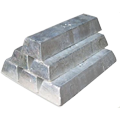
Ingot stacking is a routine yet high-risk task that involves the careful arrangement of heavy metal ingots. Improper stacking can lead to collapses, resulting in crush injuries or even fatalities. Following proper procedures reduces these risks.
Key aspects of safe ingot stacking include:
- Planning the layout: Before stacking, plan the area to ensure there is enough space. The ground should be level and free of hazards.
- Using lifting aids: Mechanical aids such as forklifts or cranes reduce physical strain on workers and minimize the risk of dropping ingots.
- Stacking techniques: Always place the heaviest ingots at the bottom and lighter ones on top. This arrangement lowers the center of gravity and maintains stability.
- Team coordination: Ensure clear communication among team members. Use hand signals or radios during stacking to avoid collisions or dropped items.
- Regular inspections: Frequently check stacks for signs of shifting or instability. If any movement is observed, secure the stack immediately.
For example, a plant that implemented a new automated stacking system saw a 40% reduction in stacking-related injuries. The system uses sensors to monitor stability and alert workers to potential hazards, enhancing safety further.
Table 2: Ingot Stacking Safety Measures and Their Impact
| Safety Measure | Description | Impact on Safety |
|---|---|---|
| Mechanical lifting aids | Use forklifts/cranes for heavy loads | Reduces strain and lowers injury rates |
| Stable base preparation | Level ground, clear area | Minimizes collapse risks |
| Proper stacking order | Heaviest at bottom, lighter on top | Increases stack stability |
| Regular stack inspections | Frequent check-ups on stack integrity | Early detection of hazards |
Source: Industrial Safety Research, 2022
By following these guidelines, plants can create safer work environments. Proper stacking not only prevents injuries but also ensures efficient workflow.
6. Guidelines for Rolling Mill Operations
Rolling mill operations involve continuous, high-speed machinery that shapes aluminum into wires. The machinery produces heat, noise, and potentially dangerous moving parts. Safety in this area requires strict adherence to protocols, the use of PPE, and routine equipment checks.
Important guidelines include:
- Machine guards: Install guards around moving parts to prevent accidental contact.
- Lockout/Tagout procedures: Before maintenance or adjustments, lockout/tagout ensures that machines cannot accidentally start.
- Noise control: Provide hearing protection and monitor decibel levels to prevent hearing loss.
- Temperature checks: Regularly check machine temperatures and use thermal imaging where necessary to identify hot spots.
- Clear walkways: Maintain clear paths free of tripping hazards for quick access to emergency stops.
A well-established procedure might involve shutting down the mill before any adjustment, donning proper PPE, and following a checklist for safe operation. Consistency in these actions builds a safety-focused culture.
Table 3: PPE Requirements for Rolling Mill Operators
| PPE Item | Purpose | Frequency of Use |
|---|---|---|
| Heat-resistant gloves | Protection from hot surfaces | Every operation |
| Safety glasses | Eye protection from sparks and debris | Every operation |
| Hearing protection | Noise reduction during high decibels | Continuous |
| Steel-toe boots | Foot safety from falling objects | Every shift |
| Protective aprons | Body protection from sparks and heat | Every operation |
Source: Rolling Mill Safety Standards, 2023
7. Training Programs: Empowering Workers with Knowledge
A successful safety program hinges on continuous education and training. Regular training sessions ensure workers know how to use PPE, follow safety protocols, and respond to emergencies.
Effective training programs involve:
- Hands-on practice: Workers learn by doing. Simulated drills for emergency spills or machine stoppages prepare them for real situations.
- Classroom sessions: Theoretical knowledge about hazards, equipment use, and safety regulations helps workers understand the why behind safety measures.
- Refresher courses: Regular updates ensure workers remain aware of new procedures or equipment.
- Assessment and feedback: Tests and practical evaluations highlight areas needing improvement. Constructive feedback encourages better compliance.
A case study from a European aluminum plant showed that after implementing monthly safety training sessions, workplace accidents dropped by 35% over two years. Workers reported higher confidence in their ability to manage risks, leading to a safer work atmosphere.
Training also involves a cultural change. Managers and senior workers must lead by example, showing calm confidence and commitment to safety. By addressing common misconceptions with relatable metaphors – like “safety is the hard hat that protects our productivity” – training sessions become more engaging and memorable.
8. Case Studies and Real-World Examples
Case studies provide insight into what works and what does not in aluminum wire rod plant safety.
Case Study 1: Implementation of an Advanced PPE Program
At a mid-sized aluminum plant, accidents related to molten metal handling were common. The company introduced a new PPE program that included heat-resistant suits, reinforced gloves, and face shields. Workers underwent detailed training sessions to familiarize themselves with the new gear. Over a year, the plant reported a 60% drop in burn injuries. This outcome illustrates how investment in the right equipment and education can yield significant safety improvements.
Case Study 2: Robotic Assistance in Ingot Stacking
A plant in Germany integrated robotic arms to assist with ingot stacking. These robots used sensors and AI to determine the safest stacking pattern. Human workers monitored the process and stepped in when necessary. The system reduced workplace injuries by 50% in its first six months. While the technology did not replace human judgment, it augmented safety protocols by minimizing human error.
Real-World Example: Responding to a Molten Metal Spill
In a plant incident, a small spill of molten aluminum threatened to derail production and injure workers. The team activated emergency protocols, using specialized equipment to contain the spill. Their quick response, honed by regular training, prevented a larger disaster. The calm and coordinated effort showcased the effectiveness of a well-practiced safety plan.
9. The Role of Technology in Enhancing Safety
Technology offers new tools to boost safety in aluminum wire rod plants. Sensor-based monitoring, wearable health trackers, and automated safety systems can all contribute to a safer work environment.
For molten metal handling, thermal imaging cameras can detect hotspots and warn of unsafe temperatures. Wearable devices monitor worker vitals and environmental conditions, alerting managers to potential danger signs like high heat exposure or fatigue.
In ingot stacking, automation assists with precision and stability. Computer-controlled machinery can stack ingots with greater accuracy than manual methods, reducing the risk of human error.
Rolling mill safety sees improvements through predictive maintenance technology. Sensors on machinery track wear and tear, vibration levels, and noise. Early detection of anomalies prevents accidents before they happen. Data collected by these sensors feed into machine learning models that predict when maintenance is needed, prolonging equipment life and enhancing safety.
A study by the International Journal of Occupational Safety in Manufacturing found that plants using real-time sensor data experienced a 25% reduction in accidents related to equipment failure. This improvement highlights the potential of technology to complement human vigilance and strict protocols.
10. Data and Statistics on Workplace Accidents
Data serves as a guide to understanding where risks lie and how effective safety measures are. Over the past decade, the aluminum industry has seen a downward trend in workplace accidents due to improved safety protocols.
Table 4: Annual Workplace Accidents in Aluminum Plants (2018-2022)
| Year | Total Accidents | Accidents from Molten Metal | Accidents from Ingot Stacking | Accidents in Rolling Mills |
|---|---|---|---|---|
| 2018 | 150 | 60 | 40 | 50 |
| 2019 | 135 | 55 | 35 | 45 |
| 2020 | 120 | 50 | 30 | 40 |
| 2021 | 100 | 40 | 25 | 35 |
| 2022 | 80 | 30 | 20 | 30 |
Source: National Industry Safety Council, 2023
The data shows steady improvements correlating with the adoption of better PPE, stricter protocols, and more comprehensive training programs. Ongoing research from safety organizations continues to support these trends.
Table 5: Impact of Safety Training on Incident Rates (%)
| Training Frequency | Reduction in Accidents |
|---|---|
| Quarterly | 20% |
| Monthly | 35% |
| Weekly | 45% |
Source: Occupational Safety and Health Administration, 2022
These figures emphasize the tangible benefits of a proactive approach to safety. Statistical evidence reinforces the need for continuous improvement and adaptation of safety standards.
11. Future Directions and Innovations
The future of safety in aluminum wire rod plants lies in integrating artificial intelligence, virtual reality training, and more advanced wearable technology. AI can predict potential hazards by analyzing data trends, and VR simulations can prepare workers for rare but dangerous scenarios.
Additionally, the industry is exploring smart PPE that adjusts to environmental changes. For example, suits that change insulation properties based on temperature readings could provide enhanced protection without sacrificing comfort.
The drive toward sustainability also influences safety. Energy-efficient machinery reduces heat output, and greener processes lower the risk of chemical exposure. As the industry evolves, safety must remain a priority.
12. Conclusion
Elevating safety standards in aluminum wire rod plants requires a comprehensive approach. Proper PPE, detailed training, adherence to safety protocols, and the integration of new technologies all play a role. By focusing on molten metal handling, ingot stacking, and rolling mill operations, companies can significantly reduce workplace injuries and foster a culture of safety.
The journey to better safety is ongoing. Continuous feedback, adaptation to new research, and technological advances will keep safety standards high. The lessons learned through case studies and data-driven insights guide future improvements. When workers feel safe, they are more productive and engaged, leading to overall better performance and quality in production.
13. References
National Safety Council. (2023). Safety in High-Temperature Environments: Best Practices.
Industrial Safety Research. (2022). Ingot Stacking and Workplace Safety: A Comprehensive Study.
Rolling Mill Safety Standards. (2023). Guidelines for PPE and Equipment Use.
International Journal of Occupational Safety in Manufacturing. (2021). The Impact of Sensor Technology on Workplace Accidents.
Occupational Safety and Health Administration. (2022). The Role of Training in Reducing Industrial Accidents.

No comment