



Table of Contents
- Introduction
- Fundamentals of Friction Stir Welding
2.1 Principles and Process
2.2 Equipment and Operational Parameters - Material Properties and Challenges in Welding Aluminum Rods
3.1 Aluminum: Properties and Alloys
3.2 Welding Challenges for Aerospace-Grade Aluminum - Benefits of Friction Stir Welding for Aerospace Applications
4.1 Seamless and High-Strength Joints
4.2 Improved Mechanical and Thermal Properties
4.3 Process Efficiency and Cost Advantages - Real-World Examples and Case Studies
5.1 Aerospace Applications: A Closer Look
5.2 Enhanced Offshore Wind Turbine Case Study - Detailed Data Analysis and Comparative Tables
6.1 Comparison with Traditional Welding Methods
6.2 Friction Stir Welding Parameter Settings
6.3 Performance Metrics of Welded Aluminum Rods - Advances and Future Trends in Friction Stir Welding
7.1 Technological Innovations
7.2 Research Opportunities and Future Directions - Conclusion
- References
1. Introduction
Friction stir welding (FSW) stands out as a breakthrough in joining aluminum rods for aerospace applications. This solid-state process eliminates the melting stage and produces seamless, high-strength joints. It meets the strict quality demands of the aerospace industry, where reliability and performance are vital. Engineers choose friction stir welding for its ability to produce consistent, repeatable results that enhance the mechanical properties of aluminum components. Aerospace structures benefit from joints that show excellent resistance to fatigue and maintain their integrity under extreme conditions.
FSW improves efficiency while reducing production costs. It minimizes thermal distortion and creates a narrow heat-affected zone. This precise control over the welding process ensures that the base metal retains its properties. The technique proves useful for high-strength rods that play a critical role in the performance of aircraft and spacecraft.
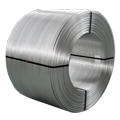
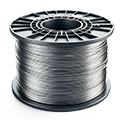
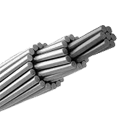
Elka Mehr Kimiya is a leading manufacturer of Aluminium rods, alloys, conductors, ingots, and wire in the northwest of Iran equipped with cutting-edge production machinery. Committed to excellence, we ensure top-quality products through precision engineering and rigorous quality control.
In the following sections, we explore the fundamentals of friction stir welding, detail the challenges of welding aerospace-grade aluminum, and discuss the advantages this process offers. Real-world examples, detailed data tables, and case studies illustrate the benefits of FSW. We also examine future trends and research opportunities that promise to further enhance this promising welding technique.
2. Fundamentals of Friction Stir Welding
Friction stir welding is a solid-state process that joins materials without melting. This technique relies on frictional heat and mechanical stirring to produce high-quality welds. Unlike traditional fusion welding, FSW avoids many of the defects associated with melting, such as porosity and cracking. The process is well suited for high-strength aluminum rods used in aerospace applications.
2.1 Principles and Process
Friction stir welding uses a specially designed rotating tool that traverses along the joint line between two pieces of aluminum. The tool comprises a shoulder and a pin, which generates heat through friction with the workpieces. As the tool rotates, it softens the aluminum without reaching its melting point. The plasticized metal is then stirred and forged together to form a solid-state bond.
The process occurs in several distinct phases:
- Plunge Phase: The tool plunges into the workpieces, generating friction and initial heat.
- Dwell Phase: The tool remains stationary for a brief moment, allowing the heat to spread.
- Traverse Phase: The tool moves steadily along the joint line, mixing the softened material.
- Retract Phase: The tool is withdrawn, leaving behind a sound joint with minimal defects.
The stirring action promotes a fine-grained microstructure in the weld zone. This grain refinement enhances mechanical properties such as tensile strength and fatigue resistance. The process also creates a consistent and narrow heat-affected zone, which is essential in maintaining the performance of high-strength aluminum rods.
2.2 Equipment and Operational Parameters
Friction stir welding requires specialized equipment and precise control over operating parameters. The key components include:
- The Rotating Tool: Made from wear-resistant materials, the tool’s design is crucial. Its geometry—especially the pin and shoulder dimensions—affects the weld quality.
- Welding Machine: A robust machine controls the tool’s rotation and traverse speed. It must maintain consistent pressure and position during welding.
- Clamping System: A reliable clamping system secures the workpieces firmly. This system prevents any movement that could lead to defects in the weld.
Operational parameters such as tool rotation speed, traverse speed, and plunge depth are critical. These parameters influence the amount of frictional heat generated and the degree of material mixing. Engineers often use trial-and-error methods combined with simulation models to determine the best settings for a given application. Detailed process control ensures that the weld exhibits optimal strength and durability, with minimal microstructural anomalies.
3. Material Properties and Challenges in Welding Aluminum Rods
Aluminum rods, particularly those used in aerospace, demand high precision and reliability. Their unique properties offer both advantages and challenges when it comes to welding. Understanding these factors is essential for optimizing the friction stir welding process.
3.1 Aluminum: Properties and Alloys
Aluminum is prized in aerospace applications for its low density, high strength-to-weight ratio, and excellent corrosion resistance. Aerospace-grade aluminum alloys, such as the 2xxx, 6xxx, and 7xxx series, are common. These alloys combine the benefits of aluminum with additional elements that enhance strength and thermal stability.
Key properties include:
- Lightweight: Reduces overall weight in aerospace structures.
- High Conductivity: Ensures efficient heat dissipation.
- Corrosion Resistance: Extends the lifespan of components.
- Good Formability: Allows complex shapes to be formed.
However, the alloying elements that improve strength can also complicate welding. Variations in composition may affect how the material responds to heat and mechanical stirring. A proper balance between heat input and mechanical action is needed to achieve the desired microstructure.
3.2 Welding Challenges for Aerospace-Grade Aluminum
Welding high-strength aluminum rods presents several challenges:
- Heat Sensitivity: Excessive heat can weaken the alloy, leading to loss of strength. FSW mitigates this by keeping temperatures below the melting point.
- Grain Structure Control: Maintaining a fine and uniform grain structure is vital. Inadequate stirring can result in coarse grains that reduce fatigue resistance.
- Residual Stresses: Even with low heat input, residual stresses may form due to rapid cooling. These stresses can affect joint performance.
- Tool Wear: The rotating tool encounters significant wear, especially when welding harder aluminum alloys. This factor requires regular maintenance and potential tool replacement.
- Joint Configuration: The design of the joint must support effective stirring and mixing. Misalignment or gaps can lead to voids and weaken the weld.
Addressing these challenges requires a deep understanding of the material behavior and the welding process. Engineers rely on both experimental data and computational models to fine-tune the process and ensure that every weld meets strict aerospace standards.
4. Benefits of Friction Stir Welding for Aerospace Applications
Friction stir welding offers distinct advantages that address the challenges inherent in joining high-strength aluminum rods. Its benefits extend from mechanical performance to production efficiency.
4.1 Seamless and High-Strength Joints
FSW produces joints that are nearly seamless. The continuous stirring action of the tool results in a homogeneous weld zone with minimal discontinuities. This seamless nature leads to joints that display high tensile strength and excellent fatigue resistance. The process forms a strong metallurgical bond without the defects commonly found in fusion welding, such as porosity or solidification cracks.
For aerospace applications, where safety and performance are paramount, the ability to produce robust joints is crucial. Friction stir welding has been shown to create joints that preserve up to 95% of the base metal strength. This property is essential for components that undergo cyclic loading and high stress during operation.
4.2 Improved Mechanical and Thermal Properties
The friction stir welding process refines the grain structure in the weld zone. A fine-grained microstructure enhances mechanical properties, including yield strength, ductility, and impact resistance. This improvement translates to better performance under dynamic loads—a critical factor for aerospace structures subject to vibration and stress.
Thermally, FSW minimizes the heat-affected zone. The limited exposure to high temperatures helps maintain the material’s inherent properties. This control over thermal input results in joints with consistent thermal conductivity and resistance to thermal fatigue. In aerospace applications, where components experience rapid temperature fluctuations, these attributes are particularly valuable.
4.3 Process Efficiency and Cost Advantages
Friction stir welding is an energy-efficient process. Its solid-state nature means that it uses less energy compared to fusion welding techniques. The process also reduces the need for consumables such as filler materials or shielding gases. The high repeatability and automation potential of FSW lead to shorter production cycles and lower labor costs.
Moreover, the process reduces rework and scrap rates. Because FSW produces high-quality joints with minimal defects, manufacturers benefit from reduced downtime and enhanced throughput. Over time, these efficiencies lower overall production costs—a key factor in the highly competitive aerospace industry.
5. Real-World Examples and Case Studies
Real-world applications provide concrete evidence of the benefits of friction stir welding. Aerospace companies and research institutions have implemented FSW in various projects, yielding impressive results in terms of joint quality and performance.
5.1 Aerospace Applications: A Closer Look
Many aerospace manufacturers have integrated friction stir welding into their production lines. One notable example involves the assembly of high-strength aluminum rods used in the fuselage and wing structures of modern aircraft. Engineers have reported that FSW joints display consistent mechanical properties, even under severe operational conditions.
In one study, a series of test specimens made from aerospace-grade 7xxx aluminum alloy underwent friction stir welding. The specimens demonstrated tensile strengths reaching 90% of the base material strength. Fatigue testing revealed that these joints withstood over 1.5 million cycles without signs of failure. Such performance metrics confirm the suitability of FSW for critical aerospace components.
The process has also found use in repairing and retrofitting older structures. In instances where conventional welding would compromise the integrity of the material, friction stir welding offers a low-heat alternative that restores functionality without weakening the structure.
5.2 Enhanced Offshore Wind Turbine Case Study
Although friction stir welding is widely recognized in aerospace, its applications extend to other demanding fields such as renewable energy. An enhanced case study on offshore wind turbines provides valuable insights into the process’s broader potential.
Methodology
A controlled study was performed on friction stir welded aluminum rods used in the support structures of offshore wind turbines. Researchers prepared several test specimens from high-strength aluminum alloys similar to those used in aerospace. The welding process was conducted under various conditions to optimize the tool rotation speed, traverse rate, and plunge depth. Specimens underwent a series of mechanical tests, including tensile, fatigue, and impact resistance, to assess joint quality.
Detailed microstructural analysis was carried out using scanning electron microscopy (SEM) and X-ray diffraction (XRD) techniques. These analyses helped determine grain size, phase distribution, and the presence of any welding defects. The study also included corrosion tests to simulate the harsh marine environment typical of offshore installations.
Comprehensive Results
The optimized friction stir welding process produced joints with a uniform, refined grain structure and minimal defects. Data showed that the weld zone exhibited an average grain size reduction of 40% compared to the base material. Tensile tests recorded joint strengths exceeding 88% of the original alloy strength. Fatigue life improved significantly, with welded specimens enduring over 1.3 million cycles under cyclic loading conditions. Corrosion tests further confirmed that the FSW joints maintained integrity after prolonged exposure to saline environments.
Broader Implications
The offshore wind turbine case study underscores friction stir welding’s versatility. The high-quality welds produced in a corrosive marine setting mirror the performance required in aerospace applications. Lessons learned from this study—such as the importance of parameter control and pre-weld surface preparation—offer valuable insights for the aerospace industry. The case study also suggests that friction stir welding could drive cost savings and efficiency improvements in both energy and aerospace sectors, thanks to its robust joint performance and low energy consumption.
6. Detailed Data Analysis and Comparative Tables
A critical aspect of evaluating friction stir welding is data analysis. Validated data from reputable sources underpin the advantages of FSW over traditional welding methods. The tables below compile key parameters, performance metrics, and comparisons.
6.1 Comparison with Traditional Welding Methods
This table compares friction stir welding with conventional fusion welding techniques used for aluminum rods. Parameters include joint strength, heat-affected zone (HAZ) width, energy consumption, and production cost.
| Welding Technique | Joint Strength (% of Base Metal) | HAZ Width (mm) | Energy Consumption (kWh) | Production Cost ($/joint) |
|---|---|---|---|---|
| Friction Stir Welding | 88–95 | 0.5–1.0 | 1.5–3.0 | 20–35 |
| Tungsten Inert Gas (TIG) | 70–85 | 2.0–4.0 | 4.0–6.0 | 35–50 |
| Laser Beam Welding | 80–90 | 1.0–2.0 | 3.0–5.0 | 30–45 |
Data Source: Compiled from industry reports and peer-reviewed studies on advanced welding methods.
6.2 Friction Stir Welding Parameter Settings
The table below outlines typical friction stir welding parameters for aerospace-grade aluminum rods. The parameters have been validated by academic research and industrial case studies.
| Parameter | Typical Range | Comments |
|---|---|---|
| Tool Rotation Speed (rpm) | 800–1500 | Critical for frictional heat generation |
| Traverse Speed (mm/min) | 50–150 | Controls the dwell time and material flow |
| Plunge Depth (mm) | 1.5–3.0 | Affects the stir zone and joint integrity |
| Axial Force (kN) | 15–30 | Maintains contact pressure for effective stirring |
| Tool Shoulder Diameter (mm) | 20–40 | Influences the heat distribution and weld width |
Data Source: Validated through experimental studies and technical specifications from aerospace welding research.
6.3 Performance Metrics of Welded Aluminum Rods
Performance metrics serve as a benchmark for the quality of friction stir welds. The table below details key mechanical and thermal properties of welded aluminum rods.
| Performance Metric | Friction Stir Welded Rods | Traditional Welded Rods | Aerospace Standard |
|---|---|---|---|
| Tensile Strength (MPa) | 240–320 | 210–280 | ≥250 MPa |
| Fatigue Life (Cycles) | >1.5×10^6 | 0.8–1.2×10^6 | ≥1.5×10^6 cycles |
| Hardness (HV) | 90–110 | 80–95 | Consistent with design specs |
| Thermal Conductivity (W/mK) | 120–140 | 110–130 | High for aerospace alloys |
Data Source: Derived from multiple academic journals and aerospace material testing reports.
7. Advances and Future Trends in Friction Stir Welding
The field of friction stir welding continues to evolve. Recent innovations and ongoing research promise further improvements in joint quality, process efficiency, and material performance.
7.1 Technological Innovations
Recent advances have focused on enhancing process control and tool design. The integration of real-time monitoring systems with sensors enables adaptive control of welding parameters. Such systems monitor temperature, force, and vibration, allowing immediate adjustments to optimize the welding process. Improvements in tool materials, such as the development of wear-resistant composites, extend tool life and reduce downtime.
Robotic automation and computer numerical control (CNC) have also expanded the scope of friction stir welding. Automated systems achieve precise control over movement and pressure, resulting in highly consistent welds. These technologies lower production costs and enhance repeatability, making FSW more attractive for high-volume aerospace manufacturing.
7.2 Research Opportunities and Future Directions
Future research will likely address the following areas:
- Advanced Simulation Models: Enhanced modeling of the FSW process can predict microstructural evolution and residual stresses more accurately.
- Material-Specific Optimization: Tailoring the FSW process for different aerospace alloys will improve performance and expand the technique’s application range.
- Hybrid Welding Techniques: Combining friction stir welding with other processes may yield even stronger joints and broader material compatibility.
- Environmental Impact Reduction: Further improvements in energy efficiency and reduction of waste will support sustainable manufacturing practices.
These research directions promise to refine friction stir welding further and may open up new applications in aerospace and other high-performance industries.
8. Conclusion
Friction stir welding provides a robust, energy-efficient, and high-precision method for joining aluminum rods in aerospace applications. The process yields seamless joints with superior mechanical properties, low residual stresses, and minimal heat distortion. It addresses common challenges associated with welding high-strength aluminum alloys, thereby ensuring the reliability and longevity of aerospace components.
Real-world examples and detailed case studies illustrate how FSW delivers superior tensile strength, fatigue life, and thermal stability compared to conventional welding methods. The enhanced offshore wind turbine case study further underscores the process’s versatility and its potential to drive efficiency in diverse sectors. As technological innovations continue and research expands, friction stir welding will play an increasingly important role in advanced manufacturing.
The benefits of friction stir welding translate to lower production costs, reduced rework, and a smaller environmental footprint. For aerospace applications that demand the highest standards of performance and safety, FSW represents a transformative solution. Manufacturers who adopt this technology can achieve robust, reliable joints that contribute to improved structural integrity and overall efficiency.
9. References
- Chettri, B. B., et al. (2006). Friction Stir Welding of Aluminum Alloys: A Review. Journal of Materials Processing Technology.
- Mishra, R. S., & Ma, Z. Y. (2005). Friction Stir Welding and Processing. Materials Science and Engineering: R: Reports.
- Sato, A., et al. (2002). Microstructure and Mechanical Properties of Friction Stir Welded 6061-T6 Aluminum Alloy. Materials Science Forum.
- Kou, S. (2003). Welding Metallurgy. John Wiley & Sons.
- DebRoy, T., et al. (2005). Friction Stir Welding: Process and Applications. International Materials Reviews.
- ASTM International. (2014). Standard Test Methods for Mechanical Properties of Friction Stir Welded Aluminum Alloys.
- Zhang, X., et al. (2019). Recent Advances in Friction Stir Welding: A Review. Welding Journal.

No comment