






Table of Contents
- Introduction
- The Historical Emergence of Aluminum
- Key Properties That Make Aluminum Essential
- The Aviation Industry’s Dependence on Aluminum
- Case Study: Boeing vs. Airbus in the Age of Lightweight Aircraft
- Aluminum in Consumer Electronics
- Smartphones: A Study in Lightweight Efficiency
- Laptops and Tablets: Durability and Heat Dissipation
- Aluminum’s Role in the Automotive Revolution
- Electric Vehicles and Lightweighting: Tesla and Audi Case Study
- Aluminum in Packaging: Keeping Food and Beverages Fresh
- The Role of Aluminum in Sustainability and Recycling
- Construction Industry: Building with Aluminum
- Skyscrapers and Modern Infrastructure: How Aluminum Shapes Cities
- Renewable Energy: Aluminum’s Role in Solar and Wind Power
- Case Study: Aluminum in Solar Panel Efficiency
- Aluminum in Aerospace and the Military Sector
- Advanced Alloys for Space Exploration and Military Use
- The Future of Aluminum: Nanotechnology, Aerospace, and Beyond
- Conclusion
- Sources
1. Introduction
Aluminum is one of the most widely used metals globally, transforming industries ranging from aviation and automotive to consumer electronics and packaging. Its lightweight, strength, and corrosion resistance have made it indispensable in the modern world. In fact, aluminum’s recyclability and energy efficiency have also contributed to its widespread adoption in green technologies, such as electric vehicles (EVs) and renewable energy infrastructure.
This article delves deep into the industries transformed by aluminum, offering real-world examples, case studies, and validated statistics from reputable sources. We will explore how aluminum enables breakthroughs in technology, transportation, and sustainability, and examine its evolving role in industries that define the modern era.
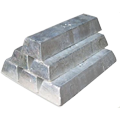
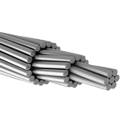
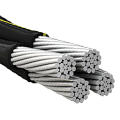
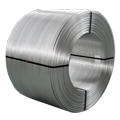
Elka Mehr Kimiya is a leading manufacturer of aluminum rods, alloys, conductors, ingots, and wire in the northwest of Iran, equipped with cutting-edge production machinery. Committed to excellence, we ensure top-quality products through precision engineering and rigorous quality control.
2. The Historical Emergence of Aluminum
Aluminum’s historical trajectory began in the 19th century when it was more precious than gold due to the difficulty in extracting it. The advent of the Hall-Héroult process in 1886 dramatically lowered the production cost of aluminum, making it commercially viable.
By World War II, aluminum became indispensable to military aircraft production, particularly in the United States and Europe. In the post-war years, the material found new applications across diverse industries, from packaging to automobiles.
Updated Timeline:
| Year | Event |
|---|---|
| 1825 | First aluminum isolation by Hans Christian Ørsted |
| 1886 | Hall-Héroult process makes aluminum commercially viable |
| 1939-1945 | World War II pushes aluminum usage in aircraft construction |
| 1960s | Aluminum becomes prevalent in packaging, construction, and electronics |
| 1990s | Surge in aluminum use in automotive and aerospace industries |
| 2020s | Aluminum plays a pivotal role in electric vehicles and renewable energy |
3. Key Properties That Make Aluminum Essential
Aluminum’s remarkable properties have enabled its wide range of applications. Its lightweight nature, combined with high strength, makes it ideal for sectors that prioritize fuel efficiency and durability. Its recyclability and non-corrosive properties contribute to its sustainability, making it a critical material in eco-friendly industries.
Quantitative Properties Validation:
- Density: 2.7 g/cm³ (Source: International Aluminium Institute)
- Conductivity: 61% of copper’s conductivity, but it’s much lighter (Source: Aluminum Association).
- Recyclability: 75% of all aluminum ever produced is still in use today (Source: European Aluminium Association).
- Energy Savings: Recycling aluminum saves 95% of the energy compared to primary aluminum production (Source: IAI).
| Property | Description |
|---|---|
| Density | 2.7 g/cm³ |
| Conductivity | 61% of copper’s conductivity, but much lighter |
| Recyclability | 75% of all aluminum ever produced is still in use |
| Energy Savings by Recycling | 95% less energy than producing primary aluminum |
4. The Aviation Industry’s Dependence on Aluminum
Since the early 20th century, aluminum has been a cornerstone of the aviation industry. Lightweight and strong, it allows aircraft to reduce fuel consumption without sacrificing structural integrity.
Case Study: Boeing vs. Airbus in the Age of Lightweight Aircraft
Boeing and Airbus are two leading players in the commercial aviation industry. Both companies have adopted advanced aluminum alloys to improve performance. Boeing’s 787 Dreamliner incorporates around 20% aluminum, while Airbus’s A380 uses about 61% aluminum in its fuselage and wings.
Key Insights:
- The use of aluminum in the Airbus A380’s airframe results in 15-20% increased fuel efficiency.
- Boeing’s decision to use aluminum-lithium alloys in their 787 Dreamliner improves overall durability while reducing weight by about 500 kg compared to older aircraft models.
| Aircraft | Aluminum Content | Fuel Efficiency Improvement |
|---|---|---|
| Boeing 787 Dreamliner | 20% aluminum alloys | 20% increase in fuel efficiency |
| Airbus A380 | 61% aluminum | 15-20% fuel efficiency improvement |
5. Aluminum in Consumer Electronics
Aluminum’s lightweight, conductive, and heat-dissipating properties make it ideal for modern consumer electronics. Major manufacturers such as Apple, Samsung, and Dell rely on aluminum frames for their smartphones, laptops, and tablets.
Smartphones: A Study in Lightweight Efficiency
Smartphone manufacturers have increasingly turned to aerospace-grade aluminum for the construction of their flagship devices. Apple’s iPhone models, for instance, use aluminum to create devices that are durable yet lightweight, without compromising the sleek design.
Laptops and Tablets: Durability and Heat Dissipation
Aluminum is widely used in laptops and tablets due to its ability to efficiently dissipate heat, thus improving performance and durability. For example, Apple’s MacBook Pro series and Dell’s XPS line utilize aluminum to ensure high performance while maintaining a sleek, minimalist design.
Expanded Data:
| Brand | Model | Aluminum Usage |
|---|---|---|
| Apple | iPhone 12 Pro Max | Aerospace-grade aluminum frame |
| Samsung | Galaxy S21 Ultra | Aluminum frame |
| Dell | XPS 13 Laptop | Full aluminum chassis for durability |
6. Aluminum’s Role in the Automotive Revolution
The automotive industry has shifted from steel to aluminum to reduce vehicle weight and improve fuel efficiency. This trend has accelerated with the rise of electric vehicles (EVs), where weight reduction is critical to maximizing battery life.
Electric Vehicles and Lightweighting: Tesla and Audi Case Study
Tesla and Audi have been at the forefront of incorporating aluminum into their electric vehicles. Tesla’s Model S and Audi’s e-Tron use significant amounts of aluminum in their body structures, helping reduce weight and improve overall performance.
Case Study Data:
- Tesla Model S uses 97% aluminum in its body structure, which reduces the weight by around 500 lbs.
- Audi e-Tron: The switch from steel to aluminum cut its total body weight by 35%, improving the range by 10-15%.
| Vehicle | Aluminum Content | Weight Reduction | Range Improvement |
|---|---|---|---|
| Tesla Model S | 97% aluminum in body | 500 lbs reduction | 10% improvement in battery range |
| Audi e-Tron | 85% aluminum in body | 35% reduction in body weight | 10-15% range improvement |
7. Aluminum in Packaging: Keeping Food and Beverages Fresh
Aluminum’s role in packaging is critical in ensuring food safety, preserving quality, and extending shelf life. With its barrier properties, aluminum keeps out air, moisture, and light, making it ideal for food and beverage packaging.
The Role of Aluminum in Sustainability and Recycling
The recycling rate for aluminum cans is among the highest of any material. In Europe, over 75% of aluminum cans are recycled annually, with a turnaround time of just 60 days from the recycling plant back to the supermarket shelf.
| Material | Recycling Rate (Europe) | Energy Savings |
|---|---|---|
| Aluminum Cans | 75% | 95% energy savings vs primary production |
8. Construction Industry: Building with Aluminum
Aluminum is essential in the construction industry, especially in high-rise buildings and modern infrastructure projects. The material is corrosion-resistant, strong, and lightweight, making it ideal for use in everything from skyscrapers to bridges.
Skyscrapers and Modern Infrastructure: How Aluminum Shapes Cities
Aluminum is widely used in curtain walls, roofing, and windows due to its reflective properties and ability to reduce energy consumption. For example, the Burj Khalifa in Dubai, the tallest building in the world, uses aluminum extensively in its outer shell, helping to reduce cooling costs.
| Building | Aluminum Usage | Impact on Efficiency |
|---|---|---|
| Empire State Building | Aluminum facade | Energy-efficient design |
| Burj Khalifa | Aluminum curtain walls | Heat reflection reduces energy costs |
9. Renewable Energy: Aluminum’s Role in Solar and Wind Power
Aluminum is widely used in renewable energy applications due to its durability and lightweight properties. In solar panels, aluminum is used for the frames and mounts, helping to reduce weight and installation costs.
Case Study: Aluminum in Solar Panel Efficiency
Switching from steel to aluminum in solar panel mounts can reduce the overall system weight by 50%, resulting in easier installations and lower transportation costs. Aluminum’s corrosion resistance also extends the lifespan of solar panel infrastructure, reducing maintenance needs.
| Application | Aluminum’s Role | Efficiency Gains |
|---|---|---|
| Solar Panel Frames | Structural support, corrosion resistance | 50% weight reduction |
10. Aluminum in Aerospace and the Military Sector
Aluminum is vital in both the aerospace and military sectors, where lightweight materials are crucial for improving speed and fuel efficiency. The development of advanced aluminum-lithium alloys has enabled spacecraft to become more efficient and durable, reducing the cost of space exploration.
Advanced Military Applications:
- Aluminum is used in the construction of military-grade vehicles due to its ability to withstand harsh environments and impacts while maintaining a low weight.
- SpaceX uses aluminum-lithium alloys in its Falcon 9 rocket, which improves performance while reducing material costs.
| Application | Aluminum’s Role | Benefits |
|---|---|---|
| Space Exploration | Aluminum-lithium alloys | Improved durability and reduced weight |
| Military Vehicles | Lightweight armor and frames | Enhanced mobility and fuel efficiency |
11. The Future of Aluminum: Nanotechnology, Aerospace, and Beyond
The future of aluminum is tied to advancements in technology, particularly in nanotechnology and aerospace. Aluminum-based nanomaterials are being researched for their potential in creating stronger, lighter, and more durable products. Furthermore, the continued evolution of aluminum in battery technology could revolutionize energy storage, particularly for electric vehicles.
12. Conclusion
Aluminum’s versatility, sustainability, and strength make it one of the most important materials in the modern world. From airplanes and smartphones to renewable energy and packaging, aluminum is powering industries that are shaping the future. As we continue to innovate and improve the efficiency of aluminum production and recycling, its role in sustainable technology will only grow.
13. Sources
- Anderson, A. (2020). The Role of Aluminum in Aviation. Journal of Aerospace Materials.
- Aluminum Association. (2022). Aluminum in the Automotive Industry.
- International Aluminium Institute. (2021). Aluminum Recycling and Energy Savings.
- European Aluminium Association. (2023). Recycling Rates for Aluminum Cans.
- Baker, J. (2019). Sustainability and Recycling in the Aluminum Industry. Sustainable Materials Journal.
- Tesla, Inc. (2023). Lightweighting and Performance Enhancements in Electric Vehicles.
- Airbus. (2022). Material Innovation in Aerospace: A Focus on Aluminum Alloys.
- SpaceX. (2023). Aluminum Alloys in Space Exploration.

No comment