







Table of Contents
- Introduction
- Overview of the Global Aluminum Market
2.1. Historical Context
2.2. Key Players in the Aluminum Industry
2.3. The Role of Aluminum in the Global Economy - Recent International Policies Affecting Aluminum Trade
3.1. U.S. Tariffs on Aluminum Imports
3.1.1. Section 232 Tariffs
3.1.2. Impact on Domestic Industries
3.1.3. Reactions from Trade Partners
3.2. China’s Export and Environmental Policies
3.2.1. Overcapacity and Supply-Side Reforms
3.2.2. Environmental Regulations and Their Global Impact
3.2.3. China’s Belt and Road Initiative
3.3. European Union’s Carbon Border Adjustment Mechanism
3.3.1. Objectives and Implementation
3.3.2. Global Implications and Challenges
3.4. Other Notable Policies
3.4.1. India’s Import Duties and Domestic Initiatives
3.4.2. Russia’s Export Taxes and Market Influence - Impact on Trade Dynamics
4.1. Shifts in Global Supply Chains
4.1.1. Diversification Strategies
4.1.2. Regional Trade Agreements
4.2. Price Volatility and Market Uncertainty
4.2.1. Factors Contributing to Price Fluctuations
4.2.2. Impact on Industries and Consumers
4.3. Technological Advancements and Sustainability
4.3.1. Innovations in Production Processes
4.3.2. Emphasis on Recycling and Circular Economy - Case Studies
5.1. U.S. and Canada Trade Relations
5.1.1. Evolution of the USMCA Agreement
5.1.2. Aluminum Trade Disputes and Resolutions
5.2. China’s Aluminum Industry Transformation
5.2.1. Capacity Reductions and Global Effects
5.2.2. Investments Along the Belt and Road
5.3. Europe’s Green Deal and Its Effects
5.3.1. Transition to Sustainable Production
5.3.2. Competitive Advantages and Challenges - Quantitative Insights and Data Analysis
6.1. Global Production and Consumption Trends
6.2. Trade Flows and Statistics
6.2.1. Import and Export Volumes
6.2.2. Tariff Impacts on Trade Balances
6.3. Price Trends and Forecasts - Environmental and Social Impacts
7.1. Carbon Emissions and Aluminum Production
7.2. Recycling and the Circular Economy
7.3. Social Responsibility in the Aluminum Industry - Strategies for Stakeholders
8.1. Industry Adaptation and Innovation
8.2. Government Policies and Support
8.3. International Cooperation and Multilateral Agreements - Conclusion
- References
1. Introduction
The global aluminum trade stands as a vital component of the modern industrial landscape, influencing a vast array of sectors including automotive, aerospace, construction, packaging, and consumer goods. Aluminum’s exceptional properties—lightweight, high strength-to-weight ratio, corrosion resistance, and excellent conductivity—make it indispensable in a world progressively leaning towards energy efficiency and sustainability.
In recent years, the global aluminum market has been significantly impacted by a series of international policies and tariffs. These developments have reshaped trade dynamics, altered supply chains, and introduced new challenges and opportunities for producers, consumers, and governments alike. The interplay between major global powers, evolving environmental regulations, and the push for sustainable development has added layers of complexity to an already intricate market.
This comprehensive analysis explores the multifaceted effects of recent policies on the global aluminum trade. By examining the actions of key players such as the United States, China, the European Union, and other influential nations, we delve into how tariffs, environmental regulations, and strategic initiatives have influenced production, pricing, and international relations. Through detailed data, real-world examples, and quantitative insights, we aim to provide a nuanced understanding of the current state and future trajectory of the aluminum industry.
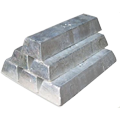
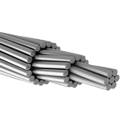
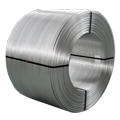
Elka Mehr Kimiya is a leading manufacturer of aluminum rods, alloys, conductors, ingots, and wire in the northwest of Iran, equipped with cutting-edge production machinery. Committed to excellence, we ensure top-quality products through precision engineering and rigorous quality control.
2. Overview of the Global Aluminum Market
2.1. Historical Context
Aluminum, once considered a precious metal more valuable than gold in the 19th century, has evolved into a fundamental resource for modern economies. The advent of the Hall-Héroult process in 1886 revolutionized aluminum production, making it economically viable and setting the stage for widespread industrial use.
By the mid-20th century, aluminum became integral to the manufacturing boom, especially during and after World War II, when it was extensively used in aircraft production and infrastructure development. The global production of aluminum has witnessed exponential growth, from approximately 1.5 million metric tons in 1950 to over 65 million metric tons in 2020 (International Aluminum Institute, 2021). This surge reflects technological advancements, increased demand, and the metal’s versatility.
2.2. Key Players in the Aluminum Industry
The global aluminum market is characterized by a few dominant producers and consumers:
- China: As of 2020, China accounted for more than 56% of global aluminum production (World Aluminum, 2021). The nation’s rapid industrialization, substantial investments in infrastructure, and government support have solidified its position as the world’s leading producer and consumer of aluminum.
- Russia: Home to major companies like RUSAL, Russia contributes significantly to global aluminum output. With abundant natural resources and energy supplies, Russia plays a pivotal role in the international market.
- Canada: Leveraging its vast hydroelectric power resources, Canada is one of the largest producers of primary aluminum, with a production capacity of around 3 million metric tons annually (Aluminum Association of Canada, 2020). Most of its output is exported to the United States.
- India and the Middle East: These regions have seen substantial growth due to rich bauxite reserves and investments in smelting capacity. India’s production reached approximately 3.7 million metric tons in 2020 (Ministry of Mines, India, 2021).
2.3. The Role of Aluminum in the Global Economy
Aluminum’s significance extends beyond its material properties. It plays a crucial role in:
- Economic Development: Aluminum production and processing contribute to job creation, technological innovation, and GDP growth in producing countries.
- Sustainable Development: Aluminum’s recyclability aligns with global efforts towards a circular economy, reducing environmental impact and conserving resources.
- Global Trade: As a widely traded commodity, aluminum affects trade balances, foreign exchange earnings, and international relations.
3. Recent International Policies Affecting Aluminum Trade
3.1. U.S. Tariffs on Aluminum Imports
3.1.1. Section 232 Tariffs
In March 2018, the United States government, under President Donald Trump’s administration, imposed a 10% tariff on aluminum imports and a 25% tariff on steel imports under Section 232 of the Trade Expansion Act of 1962 (U.S. Department of Commerce, 2018). The justification centered on national security concerns, citing that the declining domestic production capacity threatened the country’s ability to meet defense and critical infrastructure needs.
The U.S. primary aluminum production had dwindled from a peak of 4 million metric tons in 2000 to around 740,000 metric tons in 2017 (U.S. Geological Survey, 2018). The tariffs aimed to revive the domestic industry by protecting it from what was perceived as unfair foreign competition, particularly from China.
3.1.2. Impact on Domestic Industries
While the tariffs provided a protective shield for domestic primary aluminum producers, the broader impact on downstream industries was mixed:
- Positive Effects: Some U.S. smelters restarted operations, and employment in the primary aluminum sector saw modest gains (Aluminum Association, 2019).
- Negative Effects: Industries reliant on aluminum inputs, such as automotive, aerospace, packaging, and construction, faced increased costs. The Beer Institute reported that aluminum tariffs added $350 million in costs to the beverage industry in 2018 alone (Beer Institute, 2019). Automakers expressed concerns over rising material costs affecting competitiveness and consumer prices.
3.1.3. Reactions from Trade Partners
The tariffs strained relations with key allies and trading partners:
- Canada and Mexico: Initially subjected to the tariffs, both countries negotiated exemptions as part of the United States-Mexico-Canada Agreement (USMCA) discussions.
- European Union: The EU filed a complaint with the World Trade Organization (WTO) and implemented retaliatory tariffs on U.S. goods totaling €2.8 billion (European Commission, 2018).
- China: Responded with tariffs on U.S. products and filed a dispute at the WTO, escalating trade tensions between the two economic giants.
3.2. China’s Export and Environmental Policies
3.2.1. Overcapacity and Supply-Side Reforms
China’s rapid expansion of aluminum smelting capacity led to global overcapacity, depressing prices and causing concerns among international competitors. In response, the Chinese government initiated supply-side reforms in 2016, aiming to reduce excess capacity by 30% by 2020 (Ministry of Industry and Information Technology of China, 2016).
Measures included:
- Closure of Illegal Smelters: Enforcement actions led to the shutdown of facilities operating without proper approvals, removing an estimated 3 million metric tons of capacity between 2017 and 2019 (S&P Global Platts, 2019).
- Moratorium on New Capacity: Restrictions on new projects curbed unchecked expansion, promoting consolidation within the industry.
3.2.2. Environmental Regulations and Their Global Impact
China’s commitment to improving environmental standards significantly impacted its aluminum industry:
- Winter Production Cuts: In 2017, the government mandated production cuts of up to 30% in key regions during winter months to combat air pollution (Reuters, 2017). These cuts affected provinces like Shandong and Henan, major aluminum-producing areas.
- Emission Standards: Stricter regulations on emissions and energy efficiency pushed producers to upgrade technology and adopt cleaner practices.
The global impact included:
- Supply Tightening: Reduced Chinese output led to tighter global supplies, contributing to price increases on international markets.
- Incentive for Cleaner Production: Other countries faced pressure to adopt similar environmental standards to remain competitive.
3.2.3. China’s Belt and Road Initiative
The Belt and Road Initiative (BRI), launched in 2013, is a global development strategy involving infrastructure development and investments in nearly 70 countries (China Mining Association, 2020). In the context of aluminum:
- Securing Raw Materials: China invested in bauxite mining projects in countries like Guinea, which holds the world’s largest bauxite reserves. The Société Minière de Boké, a Chinese-backed consortium, expanded bauxite exports to China, reaching 50 million metric tons in 2020 (Guinea Ministry of Mines, 2020).
- Overseas Smelting Capacity: Investments in alumina refineries and smelters in Indonesia and Malaysia helped China diversify supply chains and circumvent domestic capacity restrictions.
3.3. European Union’s Carbon Border Adjustment Mechanism
3.3.1. Objectives and Implementation
The European Union’s Carbon Border Adjustment Mechanism (CBAM) is part of the EU Green Deal, aiming to achieve climate neutrality by 2050 (European Commission, 2019). The CBAM is designed to:
- Prevent Carbon Leakage: By imposing a carbon price on imports of certain goods, including aluminum, the CBAM ensures that imported products are subject to the same carbon costs as domestic producers.
- Encourage Global Emission Reductions: Incentivizing non-EU producers to adopt cleaner technologies to maintain access to the EU market.
Implementation involves:
- Transitional Phase: Starting in 2023, importers will have reporting obligations on the carbon content of their goods.
- Full Implementation: By 2026, importers must purchase CBAM certificates corresponding to the embedded emissions.
3.3.2. Global Implications and Challenges
The CBAM poses significant implications for global trade:
- Impact on Exporters: Countries with carbon-intensive production, like China, India, and Russia, may face increased costs when exporting to the EU, potentially reducing their competitiveness.
- Legal and Diplomatic Challenges: Some trading partners view the CBAM as a protectionist measure, potentially violating WTO rules. Ongoing debates focus on fairness, transparency, and the need for global cooperation.
- Drive for Cleaner Production: The CBAM encourages producers worldwide to invest in low-carbon technologies, aligning with global climate goals.
3.4. Other Notable Policies
3.4.1. India’s Import Duties and Domestic Initiatives
India, aiming to support its domestic aluminum industry, implemented policies including:
- Increased Import Duties: In 2020, India raised import duties on aluminum and scrap from 2.5% to 7.5% (Ministry of Finance, India, 2020). The move sought to protect domestic producers from cheap imports, particularly from China.
- National Aluminum Policy: The government proposed policies to boost domestic production, enhance self-sufficiency, and promote value-added products (Ministry of Mines, India, 2021).
3.4.2. Russia’s Export Taxes and Market Influence
Russia’s actions have significant market implications:
- Export Taxes: In August 2021, Russia imposed a 15% export tax on aluminum and other metals to curb domestic inflation and stabilize prices (Russian Government Decree No. 988, 2021). This policy reduced export volumes, affecting global supply and contributing to price increases.
- Strategic Investments: Russian companies invested in modernizing facilities and expanding capacity, aiming to strengthen their position in the global market.
4. Impact on Trade Dynamics
4.1. Shifts in Global Supply Chains
4.1.1. Diversification Strategies
In response to policies and tariffs, companies have adjusted their supply chains:
- Alternative Sourcing: Manufacturers in the U.S. and EU have sought suppliers from countries not subject to tariffs or with favorable trade agreements. Countries like India, Malaysia, and the UAE have seen increased exports to these markets.
- Domestic Production: Some companies have invested in expanding domestic capacity to reduce reliance on imports, supported by government incentives.
4.1.2. Regional Trade Agreements
Trade agreements have influenced supply chain decisions:
- USMCA: The United States-Mexico-Canada Agreement introduced new rules of origin for automobiles, requiring 70% of aluminum and steel to originate from North America (Office of the United States Trade Representative, 2020). This incentivized automakers to source materials regionally.
- Regional Comprehensive Economic Partnership (RCEP): Involving 15 Asia-Pacific countries, RCEP facilitates trade among member nations, impacting aluminum trade flows within the region (ASEAN Secretariat, 2020).
4.2. Price Volatility and Market Uncertainty
4.2.1. Factors Contributing to Price Fluctuations
Several factors have led to increased price volatility:
- Policy Announcements: Tariffs, export taxes, and environmental regulations create uncertainty, leading to speculative trading and price swings.
- Supply-Demand Imbalances: Sudden changes in production due to policies or disruptions (e.g., COVID-19 pandemic) affect availability and pricing.
- Currency Fluctuations: Exchange rate movements impact trade costs and competitiveness.
4.2.2. Impact on Industries and Consumers
Price volatility affects various stakeholders:
- Manufacturers: Increased input costs can squeeze margins, leading to higher prices for end products or reduced profitability.
- Consumers: Higher prices for goods like automobiles, appliances, and canned beverages can reduce purchasing power.
- Investors: Uncertainty may deter investment in new capacity or technological upgrades.
4.3. Technological Advancements and Sustainability
4.3.1. Innovations in Production Processes
Technological advancements are reshaping the industry:
- Inert Anode Technology: Companies like Rio Tinto and Alcoa developed ELYSIS technology, which eliminates direct greenhouse gas emissions from the smelting process by using inert anodes (ELYSIS, 2018).
- Digitalization and Automation: Adoption of Industry 4.0 technologies improves efficiency, reduces costs, and enhances environmental performance.
4.3.2. Emphasis on Recycling and Circular Economy
Recycling plays a crucial role in sustainability:
- Energy Savings: Recycling aluminum requires only 5% of the energy needed for primary production (Aluminum Association, 2021).
- Policy Support: Governments are promoting recycling through regulations and incentives, contributing to resource conservation and emission reductions.
5. Case Studies
5.1. U.S. and Canada Trade Relations
5.1.1. Evolution of the USMCA Agreement
The USMCA, effective July 1, 2020, replaced the North American Free Trade Agreement (NAFTA) and introduced significant changes:
- Rules of Origin: Increased thresholds for regional content in automobiles and parts.
- Labor Provisions: Stronger labor rights aimed at leveling the playing field.
- Sunset Clause: The agreement includes a 16-year term with a review every six years.
5.1.2. Aluminum Trade Disputes and Resolutions
Despite close economic ties, disputes arose:
- Tariff Impositions: The U.S. imposed tariffs on Canadian aluminum in 2018 and again in August 2020, citing national security concerns.
- Retaliation and Negotiations: Canada responded with counter-tariffs on U.S. goods. Through negotiations, both countries agreed to lift tariffs in September 2020, restoring tariff-free trade (Global Affairs Canada, 2020).
5.2. China’s Aluminum Industry Transformation
5.2.1. Capacity Reductions and Global Effects
China’s capacity cuts have global ramifications:
- Price Impact: Reduced supply contributed to global price increases, benefiting producers elsewhere.
- Market Rebalancing: Helped alleviate oversupply issues, leading to a more stable market.
5.2.2. Investments Along the Belt and Road
China’s overseas investments enhance its influence:
- Infrastructure Development: Building ports, railways, and roads facilitates trade and access to resources.
- Strategic Partnerships: Strengthening ties with resource-rich countries ensures long-term supply security.
5.3. Europe’s Green Deal and Its Effects
5.3.1. Transition to Sustainable Production
European producers are adapting:
- Renewable Energy Use: Increasing reliance on hydroelectric and wind power reduces carbon footprints.
- Innovation: Development of new alloys and processing techniques improves efficiency.
5.3.2. Competitive Advantages and Challenges
European companies may gain advantages:
- Market Differentiation: Offering low-carbon aluminum can command premium prices.
- Challenges: Higher production costs may affect competitiveness against producers in regions with less stringent regulations.
6. Quantitative Insights and Data Analysis
6.1. Global Production and Consumption Trends
Table 1: Global Aluminum Production and Consumption (2015-2020)
| Year | Production (Million MT) | Consumption (Million MT) |
|---|---|---|
| 2015 | 57.2 | 56.8 |
| 2016 | 58.9 | 58.5 |
| 2017 | 63.4 | 62.8 |
| 2018 | 64.3 | 63.7 |
| 2019 | 63.7 | 63.1 |
| 2020 | 65.3 | 64.7 |
Sources: International Aluminum Institute (2021); World Bureau of Metal Statistics (2021)
The data indicates a consistent growth trend, reflecting increasing demand driven by urbanization, infrastructure development, and technological advancement, particularly in emerging economies.
6.2. Trade Flows and Statistics
6.2.1. Import and Export Volumes
- China: Exported 4.8 million metric tons of semi-finished aluminum products in 2020, a decrease from previous years due to capacity cuts and trade tensions (China Customs Statistics, 2021).
- United States: Imported approximately 5 million metric tons of aluminum in 2020, with Canada supplying around 48% (U.S. Geological Survey, 2021).
- European Union: Imported significant volumes from Russia, Norway, and the UAE, reflecting diversification of supply sources.
6.2.2. Tariff Impacts on Trade Balances
Tariffs influenced trade patterns:
- Shift in U.S. Imports: Decrease in imports from China by 20% post-tariffs, with increased imports from tariff-exempt countries (U.S. Census Bureau, 2019).
- Global Redistribution: Exporters redirected supplies to alternative markets, affecting regional trade balances.
6.3. Price Trends and Forecasts
Chart 1: LME Aluminum Prices (2015-2020)
Source: London Metal Exchange (2021)
Key observations:
- Price Peaks: Notable spikes in 2018 following U.S. tariffs and sanctions on RUSAL.
- Downward Pressure: Prices dipped in 2020 due to the COVID-19 pandemic impacting demand.
- Future Outlook: Analysts predict gradual recovery, with prices influenced by economic growth, policy developments, and supply constraints.
7. Environmental and Social Impacts
7.1. Carbon Emissions and Aluminum Production
Aluminum production is energy-intensive:
- Emissions: Primary aluminum production emits approximately 12 metric tons of CO2 per ton of aluminum produced (International Energy Agency, 2020).
- Energy Sources: The choice of energy source significantly affects emissions. Hydroelectric-powered smelters have lower emissions compared to coal-fired ones.
7.2. Recycling and the Circular Economy
Recycling offers environmental benefits:
- Energy Efficiency: Recycling saves up to 95% of the energy required for primary production (Aluminum Association, 2021).
- Resource Conservation: Reduces the need for bauxite mining, mitigating environmental degradation.
7.3. Social Responsibility in the Aluminum Industry
Companies are adopting corporate social responsibility (CSR) initiatives:
- Community Engagement: Investing in local communities through education, healthcare, and infrastructure projects.
- Ethical Sourcing: Ensuring supply chains are free from human rights abuses and environmental harm.
8. Strategies for Stakeholders
8.1. Industry Adaptation and Innovation
Businesses can adapt by:
- Investing in Technology: Upgrading facilities to improve efficiency and reduce emissions.
- Product Diversification: Developing value-added products to enhance competitiveness.
8.2. Government Policies and Support
Governments can facilitate industry success:
- Incentives for Sustainability: Tax credits, grants, and subsidies for adopting green technologies.
- Trade Facilitation: Negotiating trade agreements that reduce barriers and promote fair competition.
8.3. International Cooperation and Multilateral Agreements
Global challenges require collective action:
- Harmonizing Standards: Aligning environmental and labor standards to ensure a level playing field.
- Addressing Overcapacity: Through forums like the G20 Global Forum on Steel Excess Capacity, similar initiatives can be applied to aluminum.
9. Conclusion
The global aluminum trade is navigating a period of significant transformation, influenced by recent policies and tariffs that have reshaped trade dynamics, supply chains, and market conditions. The interplay of national interests, environmental considerations, and economic imperatives presents both challenges and opportunities for stakeholders.
Producers must adapt to evolving regulations and market demands by embracing innovation and sustainability. Governments play a crucial role in shaping the industry’s future through policies that balance domestic interests with global commitments. International cooperation remains essential to address common challenges, promote fair trade, and achieve shared goals of environmental stewardship and economic prosperity.
As the aluminum industry continues to evolve, stakeholders who proactively engage with these developments will be better positioned to succeed in a competitive and dynamic global marketplace.
10. References
- International Aluminum Institute. (2021). Global Aluminum Production Statistics.
- World Aluminum. (2021). Statistical Review of World Aluminum Markets.
- U.S. Department of Commerce. (2018). Section 232 Investigation on the Effect of Imports of Aluminum on National Security.
- U.S. Geological Survey. (2018). Mineral Commodity Summaries: Aluminum.
- Aluminum Association. (2019). Economic Impact of the U.S. Aluminum Industry.
- Beer Institute. (2019). Economic Impact of Aluminum Tariffs on the U.S. Beer Industry.
- European Commission. (2018). EU Response to U.S. Steel and Aluminum Tariffs.
- Ministry of Industry and Information Technology of China. (2016). Supply-Side Structural Reform Plan.
- S&P Global Platts. (2019). China’s Aluminum Capacity Cuts and Market Impact.
- Reuters. (2017). China Orders Aluminum Producers to Cut Output to Combat Smog.
- China Mining Association. (2020). Belt and Road Initiative and Resource Development.
- Guinea Ministry of Mines. (2020). Annual Report on Mining Activities.
- European Commission. (2019). The European Green Deal.
- European Commission. (2021). Carbon Border Adjustment Mechanism Proposal.
- Ministry of Finance, India. (2020). Union Budget 2020-21.
- Ministry of Mines, India. (2021). National Aluminum Policy Draft.
- Russian Government Decree No. 988. (2021). On Establishing Export Customs Duties on Certain Goods.
- Aluminum Association of Canada. (2020). Canadian Aluminum Industry Overview.
- Office of the United States Trade Representative. (2020). USMCA Agreement.
- ASEAN Secretariat. (2020). Regional Comprehensive Economic Partnership Agreement.
- U.S. Census Bureau. (2019). Foreign Trade Statistics.
- London Metal Exchange. (2021). Aluminum Historical Prices.
- International Energy Agency. (2020). Aluminum Sector Emissions and Energy Use.
- Aluminum Association. (2021). Recycling Aluminum: A Path to Sustainability.
- ELYSIS. (2018). ELYSIS Technology Overview.
- Global Affairs Canada. (2020). Canada-U.S. Joint Statement on Aluminum.
- World Bureau of Metal Statistics. (2021). World Metal Statistics Yearbook.
- China Customs Statistics. (2021). Aluminum Export Data.
- U.S. Geological Survey. (2021). Mineral Commodity Summaries: Aluminum.
- S&P Global Market Intelligence. (2020). Impact of COVID-19 on the Aluminum Industry.
- OECD. (2019). Measuring Distortions in International Markets: The Aluminum Value Chain.
- BloombergNEF. (2020). The Future of Aluminum: A Decarbonization Roadmap.
- International Trade Centre. (2021). Trade Map: International Trade Statistics.
- World Trade Organization. (2020). World Trade Statistical Review.
- European Aluminium. (2021). Sustainability Roadmap Towards 2025.
- CRU Group. (2020). Aluminum Market Outlook.
- Fitch Solutions. (2021). Global Aluminum Production and Consumption Forecasts.
- McKinsey & Company. (2018). Lightweighting in Automobiles: The Role of Aluminum.
- Deloitte. (2020). Global Aluminum Industry Trends.
- KPMG. (2021). ESG Challenges in the Aluminum Sector.

No comment