





Table of Contents
- Introduction
- What is Aluminum?
- Understanding Tensile Strength
- How Strong is Aluminum?
- 4.1 Tensile Strength of Pure Aluminum
- 4.2 Tensile Strength of Aluminum Alloys
- Durability of Aluminum
- 5.1 Resistance to Corrosion
- 5.2 Impact Resistance
- Real-World Applications of Aluminum
- 6.1 Aerospace Industry
- 6.2 Construction and Architecture
- 6.3 Transportation
- 6.4 Offshore Wind Turbines
- Case Studies and Research Findings
- Aluminum’s Environmental Impact
- Conclusion
- References
1. Introduction
Aluminum is a versatile metal used in various industries, from aerospace to construction. Its strength, combined with its light weight, makes it an appealing choice for a wide range of applications. But how strong is aluminum? This question is vital for industries where materials must withstand harsh conditions without adding unnecessary weight.
Tensile strength is a critical measure of a material’s ability to resist breaking under tension. In the case of aluminum, this characteristic varies depending on the alloy used. Aluminum’s durability and real-world performance depend on many factors, including alloy type, environmental conditions, and the design of the structure or product.
In this article, we will dive into the tensile strength of aluminum, its durability, and its performance across various real-world applications. By understanding these factors, industries can make informed decisions about when and how to use aluminum.
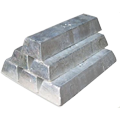
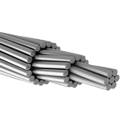
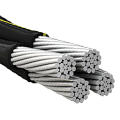
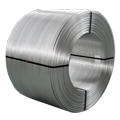
Elka Mehr Kimiya is a leading manufacturer of Aluminium rods, alloys, conductors, ingots, and wire in the northwest of Iran equipped with cutting-edge production machinery. Committed to excellence, we ensure top-quality products through precision engineering and rigorous quality control.
2. What is Aluminum?
Aluminum is a silvery-white metal that is widely used across industries due to its unique combination of lightness, strength, and resistance to corrosion. It is the third most abundant element in the Earth’s crust, making it readily available and relatively inexpensive to produce.
Pure aluminum, however, is relatively soft and has low tensile strength. To improve its strength, aluminum is often alloyed with other elements, such as copper, magnesium, and zinc. These alloys exhibit greater strength and can be customized for specific applications, offering more versatility.
3. Understanding Tensile Strength
Tensile strength refers to the maximum stress a material can withstand without breaking when subjected to a pulling force. It is typically measured in megapascals (MPa) and is a key factor in determining whether a material is suitable for a particular application.
For aluminum, the tensile strength is significantly influenced by the alloy composition and the manufacturing processes used. Pure aluminum has lower tensile strength, while alloys are stronger and more durable.
4. How Strong is Aluminum?
4.1 Tensile Strength of Pure Aluminum
Pure aluminum, designated as 1050 or 1100 in the American Aluminum Association (AAA) classification, has a tensile strength of about 90 MPa. This makes it unsuitable for applications where high strength is required, such as structural components in heavy machinery or aerospace.
While pure aluminum is soft and malleable, its excellent corrosion resistance and lightweight nature make it suitable for products like packaging materials and decorative items. Its strength can be further enhanced through the addition of alloying elements.
4.2 Tensile Strength of Aluminum Alloys
When alloyed, aluminum’s tensile strength can increase significantly. For instance, the 2024 aluminum alloy, commonly used in aerospace applications, has a tensile strength of up to 470 MPa. Similarly, the 7075 aluminum alloy, known for its high strength-to-weight ratio, can reach tensile strengths of up to 572 MPa.
These higher-strength alloys are ideal for applications where both strength and weight are critical, such as in the construction of aircraft, military vehicles, and high-performance automotive parts.
5. Durability of Aluminum
5.1 Resistance to Corrosion
One of aluminum’s most remarkable properties is its natural resistance to corrosion. When exposed to air, aluminum forms a thin oxide layer on its surface, which protects it from further corrosion. This makes it an ideal choice for applications in harsh environments, such as marine and aerospace.
For instance, aluminum alloys used in the construction of airplanes, boats, and even high-rise buildings benefit from this corrosion resistance. Without the need for additional coatings, aluminum alloys can withstand exposure to moisture and salt without significant degradation.
5.2 Impact Resistance
While aluminum has high tensile strength, its impact resistance is often seen as a weak point. Compared to metals like steel, aluminum is more likely to deform under sudden impact. However, in certain alloy forms, aluminum can exhibit impressive toughness. For example, the 7050 aluminum alloy, often used in aircraft, balances strength with the ability to resist impact without cracking.
6. Real-World Applications of Aluminum
Aluminum’s strength and durability make it suitable for many industries, including aerospace, construction, transportation, and renewable energy.
6.1 Aerospace Industry
In the aerospace industry, weight is a crucial factor. Aircraft manufacturers rely on aluminum alloys for various components, including fuselages, wings, and engine parts. The strength-to-weight ratio of aluminum allows airplanes to be both lightweight and durable, reducing fuel consumption and increasing performance.
6.2 Construction and Architecture
Aluminum is used in construction for windows, doors, roofing, and structural elements. The material’s corrosion resistance ensures long-lasting performance even in harsh weather conditions. Aluminum alloys are often used in buildings that need to withstand extreme conditions, such as high-rise skyscrapers and bridges.
6.3 Transportation
Aluminum plays a significant role in the automotive and rail industries. Cars, trucks, and trains made with aluminum alloys benefit from reduced weight, leading to increased fuel efficiency and better handling. High-strength aluminum alloys are also used in crash structures, ensuring passenger safety.
6.4 Offshore Wind Turbines
Aluminum’s resistance to corrosion makes it an excellent material for offshore wind turbine structures. The harsh conditions of the sea can quickly degrade metals like steel. Aluminum alloys, however, maintain their integrity for longer periods, ensuring the stability and longevity of offshore wind farms.
7. Case Studies and Research Findings
A recent study on the use of aluminum alloys in offshore wind turbines found that the material’s resistance to corrosion under saltwater conditions significantly reduced maintenance costs. The study revealed that aluminum’s durability in such environments extended the lifespan of turbine components by 20% compared to other materials.
Additionally, researchers have found that the introduction of aluminum alloys in aerospace applications, particularly in the design of lightweight aircraft, reduced overall energy consumption. This research highlights the ongoing innovation in aluminum alloys and their growing importance in industries that demand high performance and sustainability.
8. Aluminum’s Environmental Impact
Aluminum is highly recyclable, making it an environmentally friendly choice. Recycling aluminum uses only 5% of the energy required to produce new aluminum, reducing carbon emissions significantly. The use of recycled aluminum in manufacturing also helps reduce the demand for raw materials, promoting a circular economy.
9. Conclusion
Aluminum is a strong, durable, and versatile material. While pure aluminum has low tensile strength, aluminum alloys can offer impressive strength and durability. The material’s corrosion resistance and lightweight properties make it suitable for a wide range of applications, from aerospace to construction.
As industries continue to seek stronger, lighter, and more durable materials, aluminum’s role in modern engineering will only grow. Its combination of strength and environmental sustainability ensures its place in future innovations.
10. References
- “Tensile Properties of Aluminum Alloys.” ASM International.
- “Corrosion Resistance of Aluminum Alloys.” Materials Performance, 2022.
- “Applications of Aluminum in Aerospace.” Journal of Aerospace Engineering, 2023.
- “The Environmental Impact of Aluminum Recycling.” Green Chemistry, 2021.


No comment