





Table of Contents
- Introduction
- Understanding Load Flow Studies
- What Are Load Flow Studies?
- Importance of Load Flow Studies in Power Systems
- How Load Flow Studies Work
- Basic Concepts and Parameters
- Power Flow Equations
- Aluminum Conductors in Power Distribution
- Why Aluminum is the Preferred Conductor Material
- Performance Characteristics of Aluminum Conductors
- Optimizing Grid Efficiency Through Load Flow Studies
- Matching Conductor Capacity to Grid Demand
- Calculating Voltage Drops and Losses
- Real-World Examples of Load Flow Studies
- Case Study 1: Load Flow Analysis for a City’s Power Grid
- Case Study 2: Load Flow Optimization in Rural Areas
- Technologies Supporting Load Flow Studies
- Software and Simulation Tools
- Advanced Monitoring Systems
- Challenges and Considerations in Load Flow Analysis
- Dealing with Complex Networks
- Accounting for Dynamic Loads and Weather Conditions
- The Future of Load Flow Studies and Power Distribution
- Innovations in Modeling and Simulation
- Role of Smart Grids and AI in Load Flow Analysis
- Conclusion
- References
1. Introduction
In the world of power distribution, ensuring that electricity flows efficiently from power plants to consumers is no simple task. With the growing demand for energy and the increased integration of renewable sources like wind and solar, grid operators must carefully manage the flow of electricity through the network to prevent outages, reduce energy loss, and optimize overall efficiency.
A key tool in achieving this is load flow studies—a method that helps grid operators model and calculate the flow of electricity through transmission and distribution lines, matching conductor capacity with grid demand. These studies are essential for ensuring that aluminum conductors, widely used in power grids, deliver the right amount of power efficiently.
This article will explore how load flow studies are conducted, how they ensure that aluminum conductors are used optimally, and how they help grid operators improve power efficiency.
Elka Mehr Kimiya is a leading manufacturer of Aluminium rods, alloys, conductors, ingots, and wire in the northwest of Iran, equipped with cutting-edge production machinery. Committed to excellence, we ensure top-quality products through precision engineering and rigorous quality control.
2. Understanding Load Flow Studies
What Are Load Flow Studies?
A load flow study, also known as a power flow study, is a method used to analyze the distribution of electrical power across a grid. Grid operators perform these studies to model how electricity flows through transmission lines, transformers, and other components of the grid. By calculating how power moves through the system, operators can ensure that each component—especially the conductors—can handle the expected load without overheating or causing inefficiencies.
The study involves calculating voltages, currents, active and reactive power flows, and losses at various points in the grid. Load flow studies are crucial for both planning new power systems and optimizing existing ones.
Importance of Load Flow Studies in Power Systems
Without load flow studies, operators would lack the insight needed to make informed decisions about system expansion, operation, or maintenance. Load flow studies provide several key benefits:
- Prevents Overloading: By ensuring that conductors and equipment are not overloaded, studies prevent damage and reduce the risk of failures.
- Improves Efficiency: Identifying areas of high loss or low voltage allows for adjustments that improve the overall efficiency of the grid.
- Supports System Expansion: As grids grow and more consumers are added, load flow studies ensure that the network can handle the increased demand.
3. How Load Flow Studies Work
Basic Concepts and Parameters
Load flow studies rely on several fundamental parameters to determine the flow of electricity:
- Voltage: Voltage levels must be maintained within a specific range to ensure efficient power transmission.
- Current: The flow of electric charge, which depends on the conductor’s capacity.
- Power (Active and Reactive): Active power (measured in watts) is used for work, while reactive power (measured in volt-amperes reactive, or VARs) supports voltage regulation.
- Impedance: The resistance to the flow of electricity, which affects how power is transmitted over distances.
- Admittance: The inverse of impedance, influencing how current flows through the system.
In a load flow study, these parameters are input into a set of equations that simulate how electricity travels through the system under different load conditions.
Power Flow Equations
The primary goal of load flow studies is to solve the power flow equations, which are based on Kirchhoff’s laws of current and voltage. These equations model the balance between generation, transmission, and consumption of power. The solutions to these equations provide crucial information about how voltage and power are distributed throughout the grid.
These equations can be solved using numerical methods, with several methods such as Gauss-Seidel, Newton-Raphson, and Fast Decoupled Methods used to iterate toward a solution. Advanced power system simulation software like ETAP and DIgSILENT PowerFactory is commonly used to perform these calculations.
4. Aluminum Conductors in Power Distribution
Why Aluminum is the Preferred Conductor Material
Aluminum is one of the most widely used materials in power grid conductors due to its combination of low cost, light weight, and relatively good electrical conductivity. While copper offers better conductivity, aluminum is a more cost-effective and practical option, especially in overhead power lines where weight and cost are significant considerations.
Aluminum’s high strength-to-weight ratio allows it to be used in long-distance transmission lines without the need for excessive structural support. It also has good resistance to corrosion, which is particularly valuable in outdoor, exposed environments.
Performance Characteristics of Aluminum Conductors
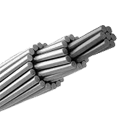
Aluminum conductors typically have higher electrical resistance than copper, meaning they require larger cross-sectional areas to carry the same current. However, the low cost of aluminum compensates for this increased size. The two main types of aluminum conductors used in power transmission are AAC (All Aluminum Conductor) and ACSR (Aluminum Conductor Steel Reinforced).
- AAC: Made entirely from aluminum, AAC is typically used for short to medium-distance power transmission and offers good flexibility.
- ACSR: Composed of both aluminum and steel, ACSR combines the conductivity of aluminum with the strength of steel, making it suitable for longer distances and higher load-bearing applications.
Load flow studies help to determine the optimal size and configuration of aluminum conductors based on the expected load, voltage levels, and distance of transmission.
5. Optimizing Grid Efficiency Through Load Flow Studies
Matching Conductor Capacity to Grid Demand
One of the primary goals of load flow studies is to ensure that the power system operates within its capacity. For conductors, this means matching the current-carrying capacity of the conductor with the load demand in the system.
Overloading a conductor can result in overheating, which in turn increases the risk of insulation failure, conductor sag, or even complete line failure. A well-designed grid, based on accurate load flow analysis, ensures that conductors are neither overburdened nor underutilized.
For example, a load flow study may show that an existing aluminum conductor is adequate for current load conditions but will need to be upgraded as demand increases. Alternatively, the study may reveal that certain conductors are oversized for their load, suggesting an opportunity to reduce material costs without compromising reliability.
Calculating Voltage Drops and Losses
As electricity travels along a conductor, a portion of the energy is lost due to the resistance of the material. This loss manifests as heat and is referred to as I²R losses (where “I” is the current and “R” is the resistance of the conductor).
Voltage drops also occur as power flows over long distances. A load flow study calculates these drops to ensure that the voltage remains within an acceptable range at all points in the grid. If voltage drops are too large, equipment at the receiving end may not function properly.
By using load flow analysis, grid operators can adjust the conductor size, tap settings on transformers, or incorporate reactive power compensation (e.g., capacitors or reactors) to mitigate these losses.
6. Real-World Examples of Load Flow Studies
Case Study 1: Load Flow Analysis for a City’s Power Grid
In a major city’s power grid, a load flow study was conducted to ensure that the system could handle an increase in demand due to urban growth. The study identified several areas where conductors were close to capacity, leading to recommendations for upgrading to higher-rated aluminum conductors. Additionally, voltage drop analysis showed that some areas needed additional reactive power compensation to maintain optimal voltage levels.
As a result of these findings, the utility was able to implement targeted upgrades, avoiding potential system failures during peak demand periods and improving overall efficiency.
Case Study 2: Load Flow Optimization in Rural Areas
A rural power distribution network used load flow studies to optimize its long-distance transmission lines. The network was experiencing significant power losses due to long stretches of aluminum conductors with insufficient capacity. The study helped identify the need for both conductor replacement and the installation of additional substations along the route to reduce losses.
By making these changes, the utility reduced transmission losses by 15%, resulting in more reliable power delivery and lower operational costs.
7. Technologies Supporting Load Flow Studies
Software and Simulation Tools
Advanced software tools are essential for conducting load flow studies. Programs like ETAP, PSS®E, and DIgSILENT PowerFactory allow engineers to model entire electrical grids, run simulations, and optimize designs based on load flow results. These tools integrate data from
various sources, such as historical load patterns, weather forecasts, and grid configurations, to provide accurate predictions of how the system will behave under different conditions.
These tools not only help in traditional load flow analysis but also incorporate real-time data, allowing for dynamic simulations that adapt to changing conditions. Engineers can model various scenarios such as peak load, equipment failures, or the integration of renewable energy sources, ensuring that the grid remains stable and efficient under various operational stresses.
Advanced Monitoring Systems
In addition to software tools, advanced monitoring systems play a crucial role in load flow studies. These systems collect real-time data from grid sensors, smart meters, and other monitoring equipment, feeding it into the central system. This data allows for continuous optimization of the power flow, offering grid operators the flexibility to adjust the system on the fly.
Phasor Measurement Units (PMUs) and Wide Area Monitoring Systems (WAMS) are some of the key technologies being deployed to enhance load flow studies. PMUs provide high-frequency data on voltage and current, while WAMS aggregates data from multiple PMUs to give operators a holistic view of the grid’s performance. These systems not only enable efficient load flow management but also improve the ability to respond to disruptions and prevent outages.
8. Challenges and Considerations in Load Flow Analysis
Dealing with Complex Networks
Modern power grids are becoming increasingly complex, with more components, varying loads, and the integration of diverse power sources. These complexities can make load flow analysis more challenging. For instance, renewable energy sources like solar and wind introduce variability into the grid, requiring advanced modeling techniques to account for fluctuations in power generation.
Grid operators need to incorporate not only the steady-state load conditions but also dynamic factors such as transient behavior, system disturbances, and the real-time availability of power. This adds a layer of complexity to load flow studies, which may require more advanced software and deeper expertise.
Accounting for Dynamic Loads and Weather Conditions
Load flow studies traditionally focus on steady-state conditions, but the real-world power grid operates under constantly changing load patterns. Industrial processes, weather changes, and seasonal fluctuations can all impact the demand for electricity. A sudden heatwave or cold snap can dramatically increase power consumption, putting additional strain on conductors and equipment.
To address these challenges, grid operators use dynamic load models that simulate real-time variations in demand. These models integrate weather data, such as temperature and wind speed, to predict changes in power usage. This is especially important for aluminum conductors, as temperature variations can affect their current-carrying capacity and resistance.
9. The Future of Load Flow Studies and Power Distribution
Innovations in Modeling and Simulation
As power grids evolve, so too must the methods used to model and analyze their behavior. One of the most promising innovations is the use of AI and machine learning in load flow studies. These technologies can analyze vast amounts of data in real time, recognizing patterns and predicting power flows with greater accuracy.
AI-driven load flow studies could not only optimize conductor sizing but also predict potential failure points in the grid before they occur, helping operators take proactive measures. Machine learning algorithms can continually improve as more data is fed into the system, allowing for more precise and responsive load flow management.
Role of Smart Grids and AI in Load Flow Analysis
The smart grid is a key component of the future of load flow studies. Smart grids incorporate two-way communication between the utility and consumers, as well as real-time monitoring and control of the power network. This allows for better integration of distributed energy resources (DERs) such as solar panels and electric vehicles, which are becoming increasingly common.
With advanced load flow modeling and smart grid technology, operators can make more informed decisions about how power is distributed across the grid, ensuring that each aluminum conductor is utilized efficiently and that energy loss is minimized. AI tools can dynamically adjust voltage levels, reroute power, or even optimize the use of local energy storage, all in real time.
10. Conclusion
Load flow studies are indispensable tools for ensuring the efficient operation of power grids. By modeling and calculating the flow of electricity through transmission and distribution systems, grid operators can ensure that aluminum conductors are used to their fullest potential without being overloaded. These studies help prevent system failures, reduce energy loss, and improve overall grid efficiency.
As the power industry continues to evolve, load flow studies will become even more sophisticated, aided by innovations in AI, machine learning, and smart grid technology. Grid operators will increasingly rely on these tools to manage complex networks, integrate renewable energy, and optimize the performance of aluminum conductors.
Through careful load flow analysis, utilities can provide reliable, cost-effective, and efficient power to consumers while maintaining the integrity of the grid. By continuing to refine and innovate these studies, we can ensure that the power grid of tomorrow is more resilient, efficient, and adaptable than ever before.
Sources Cited:
- IEEE Power & Energy Society, 2022. “Fundamentals of Power Flow Analysis.”
- ETAP, 2023. “Load Flow Analysis in Power Systems.”
- American Transmission Company (ATC), 2023. “Improving Grid Efficiency with Advanced Load Flow Modeling.”
- ABB Grid Automation, 2022. “Optimizing Power Distribution with Smart Grid Technology.”
- DIgSILENT PowerFactory, 2023. “Comprehensive Load Flow Studies for Power Grids.”




No comment