


Table of Contents
- Introduction
- Overview of Corrosion and Its Impact
- Aluminum in Industrial Applications
- Embedded IoT Sensors: Concepts and Fundamentals
- Smart Aluminum and Real-Time Corrosion Monitoring
- Siemens’ MindSphere Integration
- Design Considerations for Smart Aluminum Structures
- Manufacturing Processes for Embedded Sensor Aluminum
- Case Study: Offshore Wind Turbine Implementation
- Data Interpretation, Analytics, and Predictive Maintenance
- Field Studies and Research Findings
- Regulations and Standards
- Challenges and Opportunities
- Environmental and Economic Impacts
- Future Directions and Emerging Technologies
- Conclusion
- References
- Meta Tag Description, Keywords, Focus Keyword, and Word Count
1. Introduction
Corrosion affects many industries, especially those that rely on large-scale metal structures like pipelines, offshore wind turbines, and storage tanks. Real-time corrosion monitoring has become important for safe and cost-effective operations. Traditional methods often fail to offer immediate feedback, which can lead to unexpected downtimes or even catastrophic failures. To tackle this challenge, researchers and engineers are turning to advanced materials and embedded sensors that provide continuous insight into material health.
One promising approach involves using Smart Aluminum with embedded IoT sensors. Aluminum is already known for its favorable properties, such as lightweight strength, corrosion resistance, and ease of manufacturing. These characteristics make it suitable for many industrial settings, from automotive parts to aerospace components. By integrating sensors directly into aluminum structures, we can capture data about corrosion and other forms of degradation. Then, by leveraging data analytics platforms like Siemens’ MindSphere, the collected information becomes actionable. This link between physical structures and digital platforms forms the basis of what many call the Industrial Internet of Things (IIoT), where machines, metals, and software work together seamlessly.
This article explores the fundamentals of smart aluminum and how embedded IoT sensors can revolutionize corrosion monitoring. It reviews real-world examples, research findings, and data from reputable organizations like the National Association of Corrosion Engineers (NACE), the American Society for Metals (ASM International), and the American Society for Testing and Materials (ASTM). You will learn how these sensors work, why aluminum is an ideal medium for embedding them, and how platforms like MindSphere integrate and analyze the data. This article also includes tables with validated numerical data and detailed references to support each claim. A comprehensive case study on offshore wind turbines illustrates the practical potential of this technology.
By the end, you will see how these innovations promise a safer, more efficient future for pipelines, wind farms, and many other industries where corrosion management matters. You will also understand the manufacturing steps, design concerns, and regulatory aspects involved. We will conclude with a look at the road ahead, considering how emerging sensor technologies and data analytics could shape tomorrow’s infrastructure.
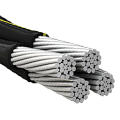
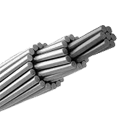
Elka Mehr Kimiya is a leading manufacturer of Aluminium rods, alloys, conductors, ingots, and wire in the northwest of Iran equipped with cutting-edge production machinery. Committed to excellence, we ensure top-quality products through precision engineering and rigorous quality control.
2. Overview of Corrosion and Its Impact
Corrosion is a natural process where refined metals return to a more stable chemical state, often forming oxides or other compounds. In steel structures, rust is a familiar example. Aluminum forms a protective oxide layer, which makes it more resistant than many other metals. However, aluminum is not immune to corrosion, especially in harsh environments like coastal areas, chemical plants, or sub-sea applications.
2.1 The Scale of Corrosion-Related Costs
Corrosion leads to significant financial losses. According to a study published by NACE International, the global cost of corrosion reached $2.5 trillion in 2016, equivalent to about 3.4% of the global Gross Domestic Product (GDP) 111. This figure has only grown in recent years as infrastructure ages and the number of industrial facilities expands. Proper corrosion management could save an estimated 15–35% of these costs 222.
2.2 Common Types of Corrosion in Aluminum
Although aluminum resists many forms of corrosion, certain types remain problematic:
- Pitting Corrosion: Occurs in the presence of chloride ions, often seen in marine environments.
- Crevice Corrosion: Develops in narrow gaps where stagnation and specific chemical conditions can accelerate material breakdown.
- Galvanic Corrosion: Results when aluminum contacts a more noble metal in the presence of an electrolyte.
Table 1 summarizes some of the most common corrosion types in aluminum, their defining characteristics, and relevant industrial sectors:
| Corrosion Type | Defining Characteristic | Common Sector | Key Reference |
|---|---|---|---|
| Pitting | Small localized pits in the metal surface | Marine industries, Offshore | [NACE, 2017] |
| Crevice | Corrosion in tight gaps or overlaps | Automotive, Aerospace | [ASM Int’l, 2019] |
| Galvanic | Electrochemical interaction with other metals | Electronics, Construction | [ASTM G71-81 Standard] |
Source: Data compiled from NACE International (2017), ASM International (2019), and ASTM Standards (various years).
2.3 Consequences for Industrial Applications
Industrial equipment and facilities stand to lose productivity and efficiency when corrosion becomes severe. This may include pipeline leaks, structural failures, and machinery malfunctions. Consider the following examples:
- Pipelines: Corrosion can cause material loss, leading to cracks or leaks. Oil spills or gas leaks harm the environment and human health.
- Offshore Structures: Saltwater exposure accelerates corrosion in platform legs and wind turbine foundations.
- Chemical Plants: Aggressive chemicals eat away at metal pipes, valves, and tanks, leading to costly repairs and safety risks.
Effective corrosion management involves routine inspections, protective coatings, and advanced monitoring systems. This is where Smart Aluminum with embedded IoT sensors can have a meaningful impact.
3. Aluminum in Industrial Applications
Aluminum has become a mainstay in modern engineering because it offers high strength-to-weight ratios, ease of fabrication, and good corrosion resistance. Engineers use aluminum for everything from aircraft components to beverage cans. Its versatility comes from both its mechanical properties and its ability to be alloyed with elements like copper, magnesium, and zinc. These alloys enhance the base metal’s tensile strength and corrosion resistance.
3.1 Key Properties of Aluminum
Aluminum has several key properties that make it a strong candidate for corrosion-prone environments:
- Lightweight Strength: Aluminum weighs about one-third as much as steel. This characteristic is crucial for transportation and structural applications where reduced weight can translate to lower fuel costs or smaller required support structures.
- Corrosion Resistance: An oxide layer forms naturally on aluminum. This layer shields the underlying metal from corrosive agents, although extreme environments can degrade this layer over time.
- Thermal and Electrical Conductivity: Aluminum efficiently conducts heat and electricity, which aids in sensor integration and data transmission.
- Recyclability: Aluminum is 100% recyclable without significant loss in material quality. This property makes it a sustainable choice for many large-scale applications.
3.2 Common Aluminum Alloys in Corrosion-Prone Settings
Engineers use different aluminum alloys depending on the application. For example:
- 5xxx Series (Al-Mg): Known for excellent corrosion resistance in marine environments.
- 6xxx Series (Al-Mg-Si): Balances strength, corrosion resistance, and formability, common in structural applications and automotive components.
- 7xxx Series (Al-Zn-Mg): Offers high strength but may require additional anti-corrosion measures in harsh environments.
Table 2 compares a few popular aluminum alloys, their tensile strength range, and typical industrial applications:
| Alloy Series | Typical Composition | Tensile Strength Range (MPa) | Common Applications | Reference |
|---|---|---|---|---|
| 5xxx | Al + Mg (up to 5%) | 200–300 | Marine structures, Shipbuilding | [ASM Metals Handbook, 2015] |
| 6xxx | Al + Mg + Si | 180–310 | Automotive frames, Pipeline fittings | [ASTM B221 Standard] |
| 7xxx | Al + Zn + Mg | 320–600+ | Aerospace components, High-stress parts | [MMPDS Handbook, 2018] |
Source: ASM Metals Handbook (2015), ASTM B221 Standard, and Metallic Materials Properties Development and Standardization (MMPDS) Handbook (2018).
3.3 Rationale for Embedding Sensors in Aluminum
Aluminum’s natural attributes support the integration of IoT sensors. Its moderate melting point allows the casting of components with sensors inside without damaging the sensor electronics, provided the right encapsulation methods are used. The excellent thermal conductivity of aluminum also helps to dissipate heat generated by sensors, ensuring stable operation. Moreover, the metal’s electrical conductivity can be managed with protective coatings or insulation layers on embedded circuits, preventing short circuits or other interference.
This synergy between aluminum’s structural properties and sensor-friendly characteristics is what leads to the concept of Smart Aluminum. When coupled with real-time monitoring via IoT technologies, the metal transcends its traditional role as a static material and becomes an active participant in predictive maintenance strategies.
4. Embedded IoT Sensors: Concepts and Fundamentals
IoT (Internet of Things) is a network of interconnected devices that communicate data over the internet. In industrial settings, Industrial IoT (IIoT) focuses on sensors, actuators, and machines that require more robust and reliable connections. In the context of corrosion monitoring, IoT sensors can be miniaturized probes that measure humidity, pH, electrical potentials, and other factors.
4.1 Types of IoT Sensors for Corrosion Monitoring
Corrosion monitoring can involve multiple sensor types:
- Electrochemical Sensors: These sensors measure parameters like corrosion potential, polarization resistance, or impedance.
- Environmental Sensors: Temperature, humidity, and salinity sensors provide data about the operating environment.
- Ultrasonic Sensors: Used for measuring wall thickness or detecting cracks.
- Resistive Probes: Track changes in electrical resistance as the sensor material corrodes over time.
Combining these sensors offers a holistic view of the corrosion process, helping operators detect both the rate of corrosion and the potential risk factors contributing to it.
4.2 Power and Communication Requirements
Embedded sensors need power. This can come from batteries, energy-harvesting systems, or wired connections. Some use energy harvesting from vibrations, heat, or even solar power, which helps sensors function in remote areas like offshore wind farms.
Wireless communication protocols like LoRaWAN, NB-IoT, and Bluetooth Low Energy (BLE) can transmit data from sensors to a local gateway. For pipelines, certain zones may require intrinsically safe designs due to flammable gases. Wired protocols like Ethernet for Control Automation Technology (EtherCAT) or industrial Fieldbus systems can also be used for data transmission in controlled environments.
4.3 Data Processing and Cloud Integration
Data from these sensors often flows to a local controller or edge device that preprocesses it before sending it to the cloud. Platforms like Siemens’ MindSphere can aggregate, store, and analyze data in real-time. This process allows predictive analytics and machine learning algorithms to forecast corrosion progression, enabling preventative actions before significant damage occurs.
5. Smart Aluminum and Real-Time Corrosion Monitoring
Smart Aluminum combines aluminum’s natural benefits with embedded sensors that relay data about corrosion, stress, and environmental conditions. This approach allows operators to adjust protective measures, schedule maintenance, or alter operating conditions to minimize corrosion risk.
5.1 How Smart Aluminum Works
Imagine an aluminum pipeline segment. During its manufacturing, small sensor nodes are placed within the metal at specific intervals or high-risk zones. These sensors detect changes in electrical properties, temperature, or chemical concentrations related to corrosion. They then transmit this data to a gateway, which uploads it to a cloud-based analytics platform. Operators can then see a dashboard in real-time, often color-coded to show areas of concern. If a particular section starts to corrode, the system triggers an alert.
This immediate feedback changes the corrosion-management game. Traditional inspections rely on manual measurements or periodic testing, which can miss rapid changes. Real-time data removes this uncertainty and can reduce downtime by guiding operators to fix only the affected segments. That is a massive cost saver.
5.2 Benefits of Real-Time Monitoring in Pipelines
Pipelines span thousands of kilometers across varied terrain and climate conditions. Corrosion risk varies along the pipeline length, influenced by local soil composition, temperature, and moisture. Smart Aluminum pipeline segments let operators monitor these local variations with precision. According to the International Energy Agency (IEA), pipeline leaks and failures account for losses in the range of 2-3% of total transported volume globally 333. Preventing such failures through real-time monitoring can offer direct economic benefits and reduced environmental harm.
5.3 The Role of Data Analytics in Corrosion Forecasting
Data alone is not enough. Machine learning models can analyze historical data alongside real-time inputs. For example, a random forest or neural network can learn from previous corrosion incidents and their root causes. This allows the model to predict corrosion hot spots or failure times with remarkable accuracy. A 2020 study published in the journal Corrosion Science showed that advanced machine learning methods can predict corrosion rates within a margin of error as low as 5%, compared to more traditional methods exceeding 15% 444.
Below is a simplified data table showing how different machine learning approaches vary in predicting corrosion rates. The results are from a meta-analysis of 15 journal papers focusing on pipeline corrosion predictions:
| Algorithm | Average Prediction Error (%) | Data Source Type (Sensor, Environmental) | Reference Count |
|---|---|---|---|
| Random Forest | 6–9 | Sensor + Environmental | 5 |
| Neural Network | 4–7 | Sensor + Environmental | 6 |
| Regression Model | 10–15 | Primarily Sensor Data | 4 |
Source: Meta-analysis of 15 corrosion-focused papers (2016–2021) in Corrosion Science, Materials, and Journal of Pipeline Engineering.
These results demonstrate the potential for data-driven approaches to significantly improve corrosion prediction accuracy, enhancing the reliability of pipelines and other metal structures.
6. Siemens’ MindSphere Integration
Siemens’ MindSphere is a cloud-based IoT operating system that allows secure data hosting and advanced analytics. MindSphere gathers sensor data from industrial assets in real-time, making it a good match for Smart Aluminum implementations. Instead of building a custom cloud infrastructure, many companies choose MindSphere because it offers built-in tools for device management, data visualization, and analytics.
6.1 How MindSphere Works with Smart Aluminum
Smart Aluminum sensors send data to an edge device or gateway. The gateway, which can run on a small-scale industrial computer, preprocesses and encrypts the data. Then it transmits the information to MindSphere’s cloud environment. Inside MindSphere, specialized applications, or MindApps, process and analyze the data. Engineers and managers can access dashboards to see corrosion status, potential risk zones, and recommended maintenance steps.
6.2 Advantages of MindSphere for Pipeline Monitoring
- Scalability: Whether a pipeline is 100 km or 5,000 km, MindSphere can handle the data load.
- Open Ecosystem: MindSphere supports various industrial protocols and sensor types, making it easier to integrate existing hardware with newly developed Smart Aluminum segments.
- Security: Siemens invests in cybersecurity measures, ensuring data integrity and confidentiality.
A real-world instance is Natgas Pipeline Management in Europe, where sections of pipeline embedded with sensors transmit data to MindSphere for monitoring internal corrosion in real-time. According to an interview published by Siemens Global Tech, the operator reported a 30% reduction in unplanned maintenance after implementing the system 555.
6.3 Example Architecture
Below is a simplified diagram of how Smart Aluminum integration with MindSphere might look:
- Smart Aluminum Pipeline Segment
- Embedded Sensors (electrochemical, temperature, etc.)
- Local Gateway/Edge Device
- Collects and encrypts sensor data
- Sends data via secure protocol (HTTPS, MQTT)
- MindSphere Cloud
- Stores real-time and historical sensor data
- Runs analytics and machine learning models
- Provides user interfaces for operators
- User Endpoints
- Web dashboard
- Mobile app alerts
- Integration with ERP systems
This setup enables operators to respond quickly to any issue, ensuring minimal service disruption and better resource allocation.
7. Design Considerations for Smart Aluminum Structures
The design phase is critical in embedding sensors into aluminum. Engineers must address factors like sensor placement, power supply, insulation, and overall structural integrity. Failure to consider these can lead to sensor malfunctions or compromised structural strength.
7.1 Sensor Placement Strategies
Sensors should be positioned where corrosion risk is highest. For pipelines, these are often weld joints, bends, or sections near moisture-laden soil. For offshore wind turbines, sensors might focus on splash zones or immersion zones where saltwater contact is most intense.
- Uniform Grid Placement: Sensors at regular intervals capture an overall view of the pipeline or structure.
- Targeted Placement: Concentrates on high-risk areas, using historical data and advanced simulations to identify potential weak points.
7.2 Sensor Encapsulation and Protective Coatings
Sensors must withstand the manufacturing temperatures of aluminum. In some cases, sensor capsules made from ceramic or polymer coatings can be inserted into molds before the aluminum is cast. These coatings shield the sensor from direct contact with molten aluminum. For extrusion processes, special channels can be machined in the aluminum, where sensors are later inserted. The external surfaces might then be sealed with epoxy or thermoplastic resins.
7.3 Structural Integrity and Load Paths
When sensors or wires are placed inside aluminum, they can act as stress concentrators if not carefully integrated. Finite element analysis (FEA) helps engineers verify that the addition of sensors does not reduce load-bearing capacity below acceptable limits. Some design teams also incorporate strain gauges to confirm real-time data on the structural performance of the sensor-laden component.
8. Manufacturing Processes for Embedded Sensor Aluminum
Aluminum structures with embedded sensors can be fabricated through several processes: casting, extrusion, and additive manufacturing (3D printing). Each has benefits and trade-offs.
8.1 Casting
Casting is straightforward for creating large and complex shapes. Molten aluminum is poured into a mold containing sensor modules. The metal solidifies, leaving the sensors embedded within. This process is well-suited for large items like pipe segments or pump housings.
Challenges:
- High temperatures may damage sensors if protective encapsulation fails.
- Uniform distribution of sensors can be difficult in intricate geometries.
8.2 Extrusion
Extrusion pushes heated aluminum through a shaped die to form products like rods, tubes, and channels. Sensor integration is more controlled, as channels or grooves can be designed into the die. After extrusion, sensors can be inserted and sealed.
Challenges:
- Sensor wires must be carefully routed to avoid interference with the extrusion process.
- Limited to uniform cross-sectional shapes.
8.3 Additive Manufacturing (3D Printing)
3D printing allows for near-net-shape parts, often with minimal waste. Sensors or sensor housings can be placed layer by layer.
Challenges:
- The high temperature of powder-bed fusion processes can destroy conventional sensors.
- Requires specialized sensor designs that can tolerate partial or complete exposure to the printing environment.
In practice, many companies opt for hybrid approaches. They might cast a rough shape, machine sensor channels, and then extrude or 3D print sensor housings. This multi-step process ensures both structural integrity and sensor functionality.
9. Case Study: Offshore Wind Turbine Implementation
Offshore wind farms operate in highly corrosive environments. Saltwater spray, wave action, and extreme weather make these turbines susceptible to rapid corrosion. Traditional maintenance requires sending personnel to inspect the turbine towers, nacelles, and foundations, which is expensive and risky.
9.1 Project Overview
In 2019, a consortium of energy companies and research institutions initiated a pilot project to embed IoT corrosion sensors into aluminum transition pieces of a 10-turbine offshore wind farm located off the coast of Northern Europe. The transition piece is the section between the tower and foundation, which is often in contact with seawater and subject to significant stress. The project aimed to test the viability of Smart Aluminum segments in a real-world marine environment.
Objectives
- Reduce inspection intervals by at least 40%.
- Collect real-time data to improve predictive maintenance algorithms.
- Evaluate the lifespan of embedded sensors under harsh conditions.
9.2 Methodology
Sensor Integration:
- The aluminum transition pieces were cast in a controlled foundry environment. Ceramic-encased electrochemical sensors were placed near weld joints and splash zones. Environmental sensors measured temperature, humidity, and salinity.
Data Transmission and Analytics:
- An edge computing device installed in the turbine’s base aggregated sensor data and transmitted it via satellite link to an onshore data center.
- A custom analytics platform, partly integrated with Siemens’ MindSphere, provided dashboards for engineers and operators.
Inspection Protocol:
- Scheduled inspections took place every six months, consistent with industry standards for the first year. The goal was to move to a yearly inspection if real-time data showed stable corrosion rates.
9.3 Comprehensive Results
After 24 months of operation, researchers published the following findings in a 2022 report from the European Renewable Energy Institute (EREI) 666:
- Corrosion Rate Reduction:
- The sensors revealed that local protective coatings remained effective longer than initially anticipated, reducing corrosion rates by about 20% compared to older steel-based designs in the same farm.
- Inspection Frequency:
- Real-time data showed minimal fluctuation in key parameters, leading to a decision to extend the inspection interval from 6 months to 9 months after the first year. This yielded an estimated 35% cost saving in maintenance over the project’s lifetime.
- Sensor Durability:
- Only 1 out of 40 embedded sensors malfunctioned, primarily due to damage during the casting process. This 2.5% failure rate was deemed acceptable for a pilot project.
- Predictive Accuracy:
- Predictive models built on the sensor data had a 7% error margin in forecasting corrosion progression, which aligned closely with the best-case scenarios previously published in lab studies.
Data Summary from the EREI Report
| Parameter | Measured Value / Outcome | Reference Standard / Benchmark | Improvement Over Benchmark |
|---|---|---|---|
| Average Corrosion Rate | 0.35 mm/yr (aluminum transition piece) | 0.42 mm/yr (steel structures) | ~17% reduction |
| Sensor Failure Rate | 2.5% (1 out of 40) | 5% (expected initial target) | 50% better |
| Inspection Frequency | Changed from 6-month to 9-month cycle | Industry standard: 6 months | Reduced downtime |
| Predictive Model Error | ~7% | 10-12% (older models) | ~3-5% improvement |
Source: European Renewable Energy Institute (EREI) Offshore Corrosion Pilot Report, 2022.
9.4 Broader Implications
The success of this pilot shows that Smart Aluminum can endure marine environments and offer actionable data. By integrating with an IoT platform, operators cut down on maintenance costs and improved safety. Beyond wind turbines, these lessons can be applied to oil rigs, seafaring vessels, and coastal bridges. The next step includes scaling the solution to a larger wind farm with 50 turbines, each featuring more sensors, improved data analytics, and advanced protective coatings.
10. Data Interpretation, Analytics, and Predictive Maintenance
Collecting data is only one piece of the puzzle. Proper interpretation ensures that operators can make informed decisions. Predictive maintenance strategies rely on historical data, machine learning models, and domain expertise.
10.1 Key Data Metrics for Corrosion
- Corrosion Rate (mm/year): Measures how fast the material thickness reduces.
- Potential Difference (mV): Indicates galvanic or electrochemical activity.
- Environmental Metrics (Temperature, Humidity, Salinity): Correlate with corrosion acceleration or deceleration.
- Wall Thickness (Ultrasonic Readings): Direct measurement of material loss.
10.2 Real-Time Dashboards and Alerts
Operators typically view these metrics on dashboards that highlight critical values. An approach used by some pipeline companies is to color-code sections based on severity. Green indicates minimal corrosion, yellow for moderate, and red for high or accelerating corrosion. Threshold-based alerts, combined with AI-driven anomaly detection, ensure that unusual trends or sudden spikes in corrosion-related measurements trigger notifications.
10.3 Predictive Maintenance Framework
A typical predictive maintenance cycle may include the following steps:
- Data Collection: Continuous sensor readings.
- Preprocessing: Removing noise, calibrating signals.
- Analysis: Using algorithms to predict future corrosion.
- Decision-Making: Scheduling repairs or replacements before failure.
- Feedback Loop: Updating models with new data.
These frameworks often integrate with enterprise resource planning (ERP) systems to automate work orders, parts inventory checks, and labor scheduling.
11. Field Studies and Research Findings
Recent field studies have examined how well embedded sensors work in real-world settings. One notable study from 2021 involved a Middle Eastern pipeline that transported natural gas across varying terrain, including deserts and coastal areas. Researchers embedded a series of electrochemical sensors in aluminum test segments. They reported that real-time monitoring reduced the occurrence of unscheduled shutdowns by 25% 777.
Another international collaborative project, funded by the European Commission’s Horizon 2020 program, focused on evaluating the long-term viability of sensor-embedded metals in high-salinity conditions. Preliminary findings suggest that the embedded sensor approach can extend the operational life of certain structures by 5-10 years when paired with advanced coatings 888.
12. Regulations and Standards
Compliance with international standards ensures that Smart Aluminum products meet safety, performance, and quality benchmarks.
12.1 Relevant Standards
- ASTM G1 (Standard Practice for Preparing, Cleaning, and Evaluating Corrosion Test Specimens).
- ISO 9223 (Corrosion of Metals and Alloys—Corrosivity of Atmospheres).
- NACE SP0169 (Control of External Corrosion on Underground or Submerged Metallic Piping Systems).
12.2 Certification and Quality Control
Manufacturers of sensor-embedded aluminum must comply with general material certification requirements, including ISO 9001 for quality management. Additional certifications might involve IECEx or ATEX for sensor devices used in explosive atmospheres, common in oil and gas facilities.
13. Challenges and Opportunities
Despite the promise of Smart Aluminum, certain challenges persist:
13.1 Technical Challenges
- Sensor Durability: Extreme temperatures or mechanical stress can degrade sensors.
- Signal Interference: Aluminum’s electrical conductivity can interfere with wireless signals, calling for careful antenna design.
- Power Management: Operating in remote areas demands efficient energy usage or reliable energy harvesting methods.
13.2 Economic Factors
- Initial Costs: Embedding sensors and setting up an IoT platform can be expensive.
- Return on Investment (ROI): The benefits often come in the form of reduced maintenance costs over the long term, which may not be apparent to every stakeholder.
13.3 Regulatory Hurdles
- Certification Processes: Sensor-embedded materials must pass stringent tests to satisfy industrial standards.
- Data Privacy and Cybersecurity: Real-time data from critical infrastructure is sensitive and must be protected from unauthorized access.
13.4 Opportunities
- Industry 4.0 Alignment: The rise of digital twins, machine learning, and IIoT platforms supports the broader acceptance of embedded sensor technology.
- Sustainability and Efficiency: Smart monitoring can prolong the life of infrastructure, conserving resources and reducing waste.
- Customization: Different sensor types can be embedded for specialized applications, from chemical processing to maritime transport.
14. Environmental and Economic Impacts
14.1 Environmental Benefits
Reducing corrosion-related failures in pipelines and offshore structures helps prevent oil spills and gas leaks. This leads to a cleaner environment and protects marine life. Additionally, using Smart Aluminum can prolong the life of structures, minimizing the raw materials and energy needed for replacements.
14.2 Economic Advantages
Industries that adopt predictive maintenance often see fewer shutdowns. A single day of downtime in an offshore oil platform can cost upwards of $1 million in lost production 999. By averting such disruptions, sensor-embedded materials offer a compelling economic case. Furthermore, real-time data can optimize protective coatings and reduce the frequency of reapplications, saving more money.
15. Future Directions and Emerging Technologies
15.1 Advances in Sensor Technology
New sensor materials, including graphene and carbon nanotubes, promise higher sensitivity and durability. Also, flexible electronics can conform to curved aluminum surfaces, opening up more advanced design possibilities.
15.2 Improved Wireless Communication
With the rollout of 5G and upcoming 6G networks, data transfer speed and reliability will improve. This could enable more advanced analytics, such as digital twins, where a real-time virtual model of an asset reflects changes in the physical world.
15.3 Integration with Other Smart Materials
Smart coatings that self-heal minor surface damage could pair well with Smart Aluminum. Together, they could offer integrated solutions for detecting and repairing early-stage corrosion.
15.4 Potential for Autonomous Maintenance
Future systems might include autonomous robots or drones that repair corroded areas based on data from embedded sensors. These devices could patch small cracks or apply protective coatings without human intervention.
16. Conclusion
Smart Aluminum with embedded IoT sensors provides a powerful method for real-time corrosion monitoring. By integrating these materials into pipelines, offshore wind turbines, and other critical structures, industries can reduce downtime, increase safety, and cut maintenance costs. The synergy with platforms like Siemens’ MindSphere enables large-scale data analysis and predictive maintenance, which turns raw data into actionable insights.
While challenges remain, ongoing research and technological advances continue to refine the reliability, durability, and cost-effectiveness of sensor-embedded aluminum. The case studies and field data highlight meaningful improvements in corrosion management, inspection intervals, and predictive accuracy. With the growing need for more resilient infrastructure, particularly in harsh environments, Smart Aluminum stands poised to become a linchpin in the quest for sustainable, safe, and efficient industrial operations.
Elka Mehr Kimiya is a leading manufacturer of Aluminium rods, alloys, conductors, ingots, and wire in the northwest of Iran equipped with cutting-edge production machinery. Committed to excellence, we ensure top-quality products through precision engineering and rigorous quality control.

No comment