





Introduction
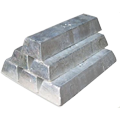
Aluminum is celebrated globally for its exceptional combination of lightweight characteristics, superior conductivity, and remarkable resistance to corrosion. These intrinsic properties make it a preferred material across a myriad of industries, including construction, transportation, electronics, and packaging. However, pure aluminum, while versatile, does not always meet the stringent demands of modern applications. This is where alloying comes into play. By deliberately adding other elements such as magnesium, silicon, copper, zinc, and manganese to aluminum, manufacturers can significantly enhance its properties, tailoring the metal to specific needs and applications. This process of alloying not only amplifies aluminum’s inherent strengths but also imparts new characteristics, making aluminum ingots more adaptable and robust for diverse industrial uses. Understanding the impact of these alloying elements is crucial for optimizing aluminum’s performance, ensuring that it continues to meet the evolving requirements of various sectors and maintains its position as a cornerstone material in the global economy.
Magnesium in Aluminum Alloys
Magnesium is one of the most influential alloying elements in aluminum, playing a pivotal role in enhancing both the mechanical and chemical properties of aluminum alloys. The inclusion of magnesium in aluminum results in aluminum-magnesium (Al-Mg) alloys, which are renowned for their excellent balance of strength, ductility, and corrosion resistance.
Enhancing Strength and Ductility
The addition of magnesium to aluminum significantly improves the alloy’s tensile strength and ductility. Magnesium atoms integrate into the aluminum matrix by occupying interstitial positions within the crystal lattice. This integration hinders the movement of dislocations, a primary mechanism by which metals deform under stress. This phenomenon, known as solid solution strengthening, effectively increases the tensile strength of the alloy without adding substantial weight. For example, an Al-Mg alloy containing approximately 5% magnesium can exhibit tensile strengths that are markedly higher than those of pure aluminum, making it ideal for structural applications where both strength and lightness are essential.
Moreover, magnesium enhances the ductility of aluminum alloys, allowing them to undergo significant deformation before fracturing. This combination of high strength and excellent ductility is crucial for applications such as automotive components, where materials must absorb impact energy without breaking, thereby enhancing safety and performance.
Corrosion Resistance
Magnesium also plays a critical role in improving the corrosion resistance of aluminum alloys. In environments exposed to moisture and other corrosive agents, Al-Mg alloys form a robust protective oxide layer on their surface. This oxide layer acts as a barrier, preventing further oxidation and degradation of the underlying metal. Consequently, aluminum-magnesium alloys exhibit superior resistance to corrosion compared to pure aluminum or alloys lacking magnesium. This property is particularly beneficial in marine environments, where materials are constantly subjected to salty and humid conditions, ensuring longevity and reducing maintenance costs.
Mechanisms Behind Magnesium’s Impact
The effectiveness of magnesium as an alloying element lies in its ability to form stable intermetallic compounds with aluminum, such as Al₃Mg₂. These compounds are finely dispersed throughout the aluminum matrix, enhancing the alloy’s overall mechanical properties. Additionally, magnesium influences the grain structure of the alloy during solidification, promoting the formation of finer and more uniformly distributed grains. This refined microstructure not only contributes to increased strength and ductility but also improves the alloy’s resistance to stress corrosion cracking.
Furthermore, the presence of magnesium in aluminum alloys facilitates precipitation hardening, a process where small precipitates form within the metal matrix during heat treatment. These precipitates obstruct dislocation movement, further increasing the alloy’s strength and hardness. The combination of solid solution strengthening, precipitation hardening, and grain refinement makes magnesium a highly effective alloying element for enhancing the performance of aluminum ingots.
Silicon in Aluminum Alloys
Silicon is another crucial alloying element in aluminum, particularly valued for its ability to improve castability and enhance electrical conductivity. The incorporation of silicon into aluminum results in aluminum-silicon (Al-Si) alloys, which are extensively utilized in casting applications due to their favorable properties.
Improving Castability
Silicon significantly enhances the castability of aluminum by lowering the melting temperature and reducing the viscosity of the molten metal. This modification facilitates easier pouring and filling of molds, allowing for the production of complex and intricate shapes with minimal defects. Al-Si alloys are, therefore, the material of choice for automotive engine components, such as cylinder heads and engine blocks, where precise casting is essential for performance and reliability.
Moreover, silicon acts as a grain refiner in aluminum alloys, promoting the formation of smaller and more uniformly distributed grains during solidification. This refined grain structure minimizes casting defects like porosity and hot tearing, ensuring higher quality and consistency in the final product. The enhanced castability provided by silicon also reduces the need for extensive post-casting processing, thereby lowering manufacturing costs and improving production efficiency.
Enhancing Electrical Conductivity
In addition to improving castability, silicon positively impacts the electrical conductivity of aluminum alloys. While pure aluminum boasts excellent conductivity, the addition of silicon can be carefully controlled to maintain high electrical performance. Al-Si alloys are frequently used in electrical applications such as busbars, connectors, and heat sinks, where efficient power transmission and thermal management are critical.
By optimizing the silicon content, manufacturers can achieve a delicate balance between mechanical strength and electrical conductivity. This balance ensures that the alloy meets the specific requirements of various electrical components, making Al-Si alloys highly valuable in the electronics and power distribution industries. The enhanced electrical properties of Al-Si alloys contribute to more efficient energy transmission, reducing power losses and improving overall system performance.
Mechanisms Behind Silicon’s Impact
The beneficial effects of silicon in aluminum alloys stem from its ability to form eutectic structures with aluminum. The Al-Si eutectic composition allows for a lower melting point, which enhances fluidity during casting. This improved fluidity ensures better mold filling and reduces the likelihood of defects such as cold shuts and misruns. Additionally, silicon atoms impede the movement of dislocations within the aluminum lattice, contributing to the alloy’s strength and hardness.
The presence of silicon also affects the alloy’s thermal expansion properties, making Al-Si alloys more dimensionally stable under varying temperature conditions. This stability is crucial for applications where components are subjected to thermal cycling, as it minimizes thermal-induced stresses and maintains dimensional accuracy.
Other Alloying Elements
Beyond magnesium and silicon, several other alloying elements play vital roles in modifying and enhancing the performance of aluminum alloys. Each element contributes unique properties, allowing for the development of specialized alloys tailored to specific applications.
Copper
Copper is a powerful alloying element that significantly increases the strength and hardness of aluminum alloys. Aluminum-copper (Al-Cu) alloys, such as the 2xxx series, are known for their high tensile strength and excellent machinability. These alloys are commonly used in aerospace and automotive applications where structural integrity and performance are critical. The addition of copper facilitates precipitation hardening, which further enhances the alloy’s strength and hardness through the formation of Al₂Cu precipitates.
However, the inclusion of copper can reduce the corrosion resistance of aluminum, necessitating protective coatings or treatments in corrosive environments. Despite this drawback, the enhanced mechanical properties provided by copper make Al-Cu alloys indispensable in applications where high strength-to-weight ratios are essential.
Zinc
Zinc is another important alloying element that enhances the strength and hardness of aluminum. Aluminum-zinc (Al-Zn) alloys, particularly the 7xxx series, are some of the strongest aluminum alloys available. These high-strength Al-Zn alloys are extensively used in aerospace, sporting goods, and automotive industries where lightweight and robust materials are essential. Zinc contributes to precipitation hardening by forming Al₃Zn precipitates, which impede dislocation movement and increase the alloy’s tensile strength.
Zinc also improves the creep resistance of aluminum alloys, making them suitable for applications involving prolonged stress and elevated temperatures. This property is particularly valuable in high-performance structures where materials must maintain their integrity under continuous loading conditions.
Manganese
Manganese is primarily added to aluminum to improve its resistance to corrosion and to refine the grain structure. Aluminum-manganese (Al-Mn) alloys, such as the 3xxx series, exhibit excellent workability and good mechanical properties. Manganese helps in the formation of Al₆Mn particles, which stabilize the grain structure and enhance the overall toughness of the alloy. These particles act as grain refiners, promoting the development of a fine and uniform grain structure during solidification.
The presence of manganese also enhances the alloy’s resistance to stress corrosion cracking, making Al-Mn alloys ideal for applications where both formability and durability are required. These properties make Al-Mn alloys perfect for beverage cans, kitchen utensils, and architectural applications, where materials must withstand repeated deformation and exposure to corrosive environments.
Real-World Applications
The strategic addition of alloying elements like magnesium, silicon, copper, zinc, and manganese has enabled the development of a wide array of specialized aluminum products tailored to meet the diverse needs of various industries. Understanding the impact of these alloying elements is crucial for engineers and manufacturers seeking to optimize aluminum’s performance for specific applications.
Construction
In the construction industry, aluminum alloys with enhanced strength and corrosion resistance are indispensable. For example, Al-Mg alloys are widely used in structural frameworks, roofing, and cladding due to their excellent load-bearing capabilities and durability in harsh weather conditions. These alloys provide the necessary strength to support large structures while maintaining a lightweight profile, facilitating easier handling and installation.
Al-Zn alloys are employed in high-strength applications such as bridge construction and high-rise buildings, where the combination of lightweight and high tensile strength is essential for structural integrity and ease of installation. The superior mechanical properties of Al-Zn alloys enable the construction of long-span structures with fewer supports, reducing material costs and simplifying the construction process.
Furthermore, the corrosion-resistant properties of Al-Mg and Al-Zn alloys make them ideal for use in coastal and marine environments, where structures are exposed to salty and humid conditions. The ability of these alloys to withstand corrosion ensures the longevity and safety of buildings and infrastructure, minimizing maintenance costs and enhancing overall sustainability.
Transportation
The transportation sector benefits immensely from the use of aluminum alloys with tailored properties. In the automotive industry, Al-Si alloys are utilized in engine components for their superior castability and thermal conductivity, which contribute to engine efficiency and performance. Components such as cylinder heads, engine blocks, and pistons are often made from Al-Si alloys, as they can withstand high temperatures and mechanical stresses while maintaining precise dimensional tolerances.
Al-Cu alloys are used extensively in aerospace applications, where high strength-to-weight ratios are critical for fuel efficiency and performance. These alloys are employed in aircraft structures, including fuselages, wings, and landing gear, where structural integrity and reliability are paramount. The exceptional mechanical properties of Al-Cu alloys ensure that aircraft can operate safely and efficiently under extreme conditions.
Additionally, Al-Zn alloys are employed in racing cars and high-performance vehicles to reduce weight while maintaining structural strength, enhancing overall speed and fuel economy. The lightweight nature of these alloys allows for more efficient engine performance and improved handling characteristics, making them a popular choice in motorsports and high-end automotive applications.
Electronics
The electronics industry relies heavily on aluminum alloys for components that require high electrical conductivity and thermal management. Al-Si alloys are used in electrical connectors, busbars, and heat sinks due to their excellent electrical properties and ability to dissipate heat efficiently. The enhanced conductivity of Al-Si alloys ensures minimal power losses, while their thermal management capabilities prevent overheating in high-performance electronic devices.
The lightweight nature of aluminum also contributes to the miniaturization of electronic devices, allowing for the development of compact and portable gadgets without compromising performance. Additionally, the corrosion-resistant properties of aluminum alloys ensure the longevity and reliability of electronic components, even in demanding environments.
Packaging
In the packaging industry, aluminum alloys offer superior formability and corrosion resistance, making them ideal for producing cans, foils, and other packaging materials. Al-Mn alloys, in particular, are favored for beverage cans due to their excellent malleability and ability to withstand internal pressure without deformation. These alloys enable the production of lightweight, durable cans that can be easily recycled, aligning with sustainability goals and reducing the environmental impact of packaging materials.
The high formability of Al-Mn alloys also allows for the creation of intricate shapes and designs, enhancing the aesthetic appeal of packaging products. Additionally, the barrier properties of aluminum protect the contents from external contaminants, ensuring product safety and extending shelf life.
Aerospace
The aerospace industry demands materials that combine high strength, low weight, and excellent performance under extreme conditions. High-strength Al-Zn alloys are extensively used in aircraft fuselages, wings, and other structural components where weight reduction is crucial for fuel efficiency and payload capacity. These alloys provide the necessary structural integrity to withstand the aerodynamic forces encountered during flight while minimizing the overall weight of the aircraft.
Al-Cu alloys are also employed in aerospace applications for their exceptional strength and resistance to fatigue, ensuring the reliability and safety of aircraft structures during operation. The ability of Al-Cu alloys to maintain their mechanical properties under repeated stress cycles makes them ideal for use in high-stress environments, such as landing gear and engine mounts.
Moreover, the advanced thermal management properties of certain aluminum alloys enable efficient heat dissipation in aerospace systems, preventing overheating and ensuring optimal performance of critical components. The combination of high strength, low weight, and excellent thermal management makes aluminum alloys indispensable in the design and construction of modern aircraft.
Conclusion
The strategic addition of alloying elements such as magnesium, silicon, copper, zinc, and manganese has revolutionized the aluminum industry, enabling the development of a wide range of specialized alloys tailored to meet the specific demands of various applications. Magnesium enhances the strength and corrosion resistance of aluminum, making it ideal for structural and marine applications. Silicon improves castability and electrical conductivity, crucial for automotive and electrical industries. Copper, zinc, and manganese further modify the mechanical and corrosion-resistant properties, expanding aluminum’s versatility across construction, transportation, electronics, packaging, and aerospace sectors.
Understanding the impact of these alloying elements allows engineers and manufacturers to optimize aluminum’s performance, ensuring that it meets the stringent requirements of modern applications. As technology advances and industries continue to evolve, the role of alloying in aluminum production will remain pivotal in driving innovation, enhancing material properties, and expanding the applications of this indispensable metal. By leveraging the unique benefits of each alloying element, the aluminum industry can continue to deliver high-performance materials that support the growth and sustainability of various sectors worldwide.
The continuous research and development in aluminum alloying not only pave the way for more efficient and durable products but also contribute to the advancement of sustainable manufacturing practices. As environmental concerns become increasingly prominent, the ability to produce lightweight, strong, and corrosion-resistant aluminum alloys plays a crucial role in reducing the carbon footprint of industries such as automotive and aerospace, where material efficiency directly correlates with energy consumption and emissions.
Moreover, the recyclability of aluminum alloys enhances their appeal in a world striving for circular economy principles. Recycled aluminum retains its alloying elements, allowing for the production of high-quality materials without the need for extensive reprocessing. This sustainability aspect, combined with the enhanced properties provided by alloying, ensures that aluminum remains a vital material in addressing the challenges of modern engineering and environmental stewardship.

No comment